Empowering the Next Generation of Women in Audio

Join Us

Mastering w/ Piper Payne – May 11 – Oakland

SoundGirls is thrilled to host Mastering with Piper Payne

Workshop will focus on what you need to know to prepare tracks for Mastering. Plus the critical listening skills you need to work as a Mastering Engineer.

Mastering involves preparing your song for distribution. Mastering requires a unique set of skills and equipment. The Mastering process is as crucial recording and mixing; Piper will share her knowledge on Mastering with us.

  • May 11
  • 1 pm to 3 pm
  • Neato Mastering – Oakland, CA
  • Seating is limited to 12 people so sign up today.
  • Register Here


Sounding Out – The Cultural Politics of Sound and Listening

Sounding Out! is a weekly online publication, a networked academic archive, and a dynamic group platform bringing together sound studies scholars, sound artists and professionals, and readers interested in the cultural politics of sound and listening. Every Monday, their writers offer well-researched, well-written, and accessible interventions in sound studies, directing the field’s energy toward the social, cultural, and political aspects of sound and listening, particularly their differential construction of and material impacts on variously positioned bodies.

Sounding Out seeks out scholarship, podcasts, art, and essays—and rhetorical re-mixes of all these elements—devoted to answering four interconnected and interlocking research questions:

As a scholarly publication, Sounding Out!  is peer-reviewed, but following an open, developmental model fostered by digital humanities, in which editors and advisors are known to their writers, and provide several rounds of feedback, commentary, and collaboration before publication.  The editorial collective invites contributions via themed calls-for-posts as well as on more general topics related to their research mission.  Sounding Out invites work that uses sound as more than an object of study, but also as a medium of argumentation, experience, provocation, and communication.

Note: All pieces for Sounding Out! are stringently peer reviewed by the Editor-in-Chief and the Editorial Collective.  They go through several draft stages before publication. For full details on our editorial process, click here.  For submission instructions click here.  To read more about the editorial mission of Sounding Out!’s podcast, click here.

Sounding Out

Town Planning to Florence and The Machine

Annette Guilfoyle is a freelance monitor engineer. She has been working in the industry for over 23 years and is currently on tour as the monitor engineer for Florence and The Machine. She has worked for several sound companies, including Canegreen which became part of  SSE Audio.

Annette had initially been a town planner and as many engineers have, came to live sound in a roundabout way. In her spare time, she was always going to gigs and wrote for fanzines. She would often wonder about the varying sound quality at concerts and signed up for a part-time live sound course. The stars would align as Annette explains “ It was around this time that the current contract of work I was on was due to finish.  I had been applying for other positions but decided to give Live Sound a go. I took over from a friend who did publicity for a Melbourne venue, and this, combined with my course introduced me to a whole new world!”

It was during this time, that she would meet a great mentor, “ Whilst out mixing a band that I was also booking gigs for, I met a guy mixing a band on the same bill, and  he saw that I was struggling and he asked if I really wanted to learn how to do this?” She would say yes, and he took over the role of teaching her everything he knew. Annette would work gigs with him, and started to really learn the basics; how to roll cables, set up a stage, etc.  He also owned a mid-size PA and would do a lot of shows around town so she asked if I could assist on these. “This was all voluntary on my part, but it got to the point where he was paying me and I could set up and run his system and would often mix monitors. He was a fabulous mentor and now one of my closest friends.”

Annette would move onto the limited touring within Australia by working for local bands and travel the interstate with them for the one to two shows they had. Occasionally flying to Perth. Her first real touring gig was with an Australian Gypsy/Blue Grass band called the Blue Grassy Knoll.  They wrote and performed soundtracks to various Buster Keaton silent films. She mixed FOH and Monitors (monitors being mixed off the house board) and toured the world. Annette learned a lot while having fun “it was such fun, such great musicians and a fantastic show. It taught me a lot, especially about mixing non-traditional instruments and having “space” in a mix.”

Annette would eventually relocate to the U.K. in 2000 and toured mainly as a monitor tech, and occasionally as PA/Systems Tech for various sound companies. It was from this work that she was offered the monitor position for Paul Weller. Her work with Paul Weller led to working with other artists such as Ocean Colour Scene, Editors, Goldfrapp, Spiritualized and Marina and the Diamonds to name a few.  She also mixes FOH at the Southbank Centre in London where she works for the PA supplier; this is a good source of work for her between tours. Annette occasionally picks up FOH Gigs from her Australian contacts and has led to tours with the Go-Betweens and Mick Harvey (ex-Bad Seeds) when they’ve come to the UK/Europe.

Annette feels it is essential to give back and help the next generation of women in audio. She recently volunteered with Girls Rock Camp Brisbane teaching a workshop on sound, and she graciously allowed SoundGirls Members to shadow her Florence and The Machine European Dates.

Annette’s long-term goals are to keep getting better at her work and to keep learning. “And to be open to any opportunity. I certainly did not envisage I’d be doing what I’m doing today.  I don’t know where this will take me, but I am looking forward to finding out. I feel I’ve been lucky as I’ve mostly worked with hugely supportive people, be they my bosses, fellow crew, or band members.  Everyone has been/is willing to help the other out. The common goal of putting on a good show/event is fundamental to this over egos, and who’s right or wrong. Working towards that common goal, with a team as a whole, I find it very satisfying.”

What do you like best about touring?

Financially, the stability of steady income!  Socially, meeting new people, be it on the crew you are touring with, or at the venues, you are going to or the places you are visiting in general – and reconnecting with those people at later points.

From a mixing point of view, it also gives you the ability to really hone your craft/mixes. And learning to deal with the challenges of different rooms and venues, and the problems that they can create.  Oh, and of course getting to see so many places around the world I may never get to see working 9 to 5! Okay, so that’s quite a few things I like about touring.

What do you like least?

The repetition and the hours.  And living out of a suitcase.

What is your favorite day off activity?

Cycling.  I find that keeping very physically active when on tour helps me find an even keel.  I used to tour with a folding bike, or else I find a bike to hire – find a destination (preferably with cake) and set out.  It’s a great way to sightsee and burn energy. It makes me feel like I’ve had a real day off, and I’m all set to go back to work the next day.

What if any obstacles or barriers have you faced?

The biggest obstacles I’ve faced, to be honest, have all been self-imposed.  Lack of self-confidence, fear of failure. I’m my own worst enemy at times. But you learn to get over this and keep on going.

How have you dealt with them?

I put my head down and work hard.  Keep going. If I was not busy work-wise, I would get in contact with anyone/companies, looking for work.  I would do whatever training was available. Read up on equipment, techniques, etc. Anything to keep going – and stop dwelling on what is not happening, but what could happen.

Advice you have for other women and young women who wish to enter the field?

Be prepared to work hard and always ask questions.  If you are not sure about something, ask!! And listen and learn from those around you.  Even as you gain experience, there is ALWAYS more to learn. Be open to new ways of doing things.  And of course, keep believing in yourself.

Must have skills?

Being able to get along/work with other people – and this also means being able to compromise and to respect all those around you.

Favorite gear?

A DiGiCo console.  I love their desks, so flexible and they sound great. But the pieces of equipment I never leave home without Whirlwind Q box, Rat sniffer/sender (both essential for troubleshooting), sharpies, leatherman, my IEM’s and/or headphones.

Missed this Week’s Top Stories? Read our Quick Round-up!

It’s easy to miss the SoundGirls news and blogs, so we have put together a round-up of the blogs, articles, and news from the past week. You can keep up to date and read more at SoundGirls.org

March Feature Profile

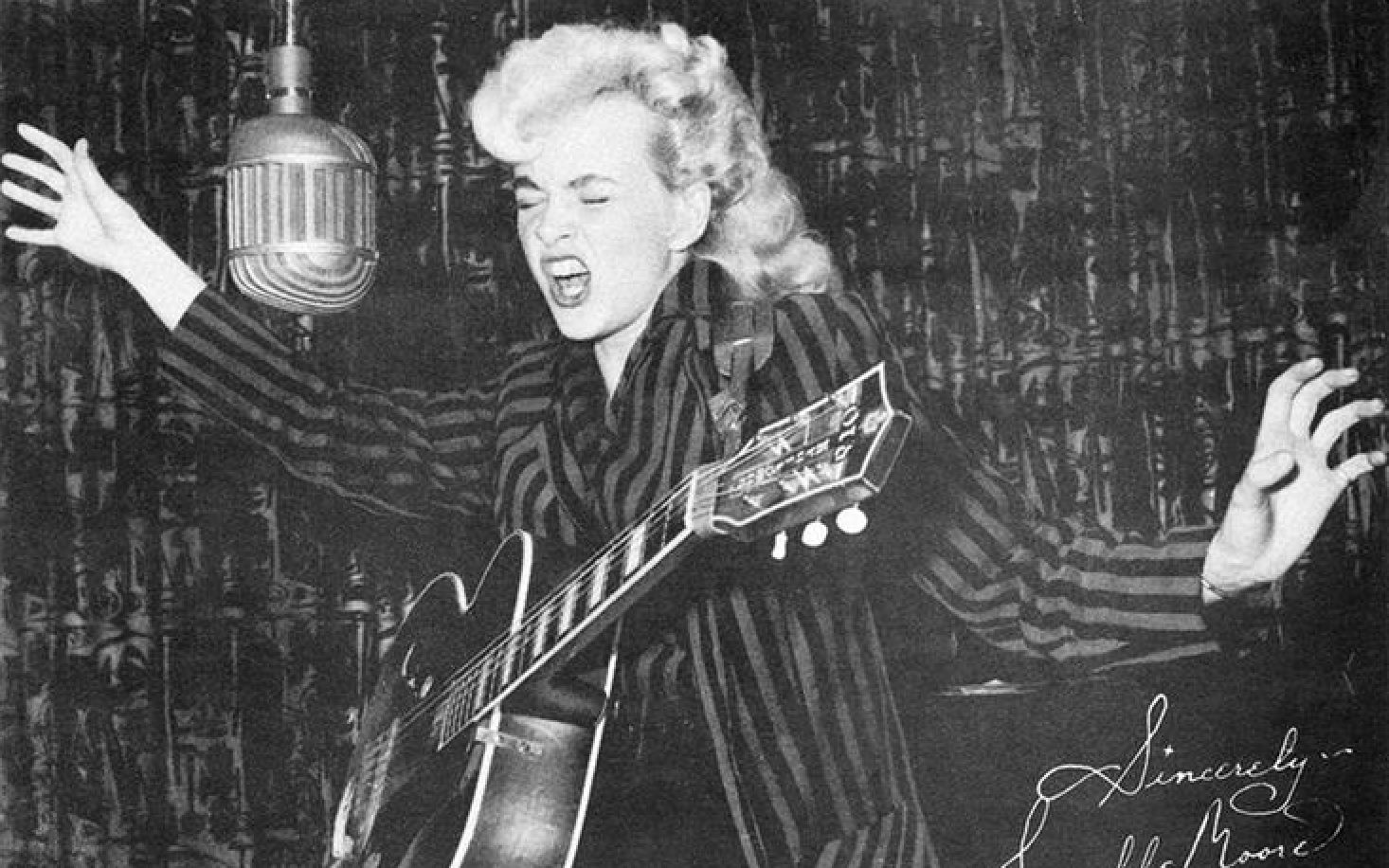
https://soundgirls.org/lillian-mcmurry-record-producer-owner-of-trumpet-record/

Mary Shipman Howard

Helen Oakley Dance


The Blogs

El SONIDO MÁS QUE MI PROFESIÓN, MI EXPERIENCIA DE VIDA

Sound More Than My Profession

The Importance of Saying Yes

Head of Sound for the First Time


Internet Round-Up


Women In The Recording Studio: Overdubbing History From Her Perspective


Mastering for Vinyl: Tips for Digital Mastering Engineers – Jett Galindo


SoundGirls Events


https://soundgirls.org/event/los-angeles-soundgirls-march-social/?instance_id=1474

Portland SoundGirls Chapter Social

https://soundgirls.org/event/producing-in-the-studio/?instance_id=1498

https://soundgirls.org/event/bay-area-chapter-1st-mondays-meetings/?instance_id=1452

https://soundgirls.org/event/detroit-soundgirls-spring-meet-greet/?instance_id=1477

https://soundgirls.org/event/glasgow-aes-soundgirls-theatre-sound-assembly/?instance_id=1472

JBL VTX A8 Workshop – May 9 @ Harman Northridge


SoundGirls News


Mix With the Masters Scholarships Available

Scholarships Available for Smaart Training


Travel Grant Awarded to Kaitie Sly

Volunteer for Sound Check Xpo 2019

SoundGirls and SoundGym


Shadowing/Mentoring/Internship Opportunities


Shadowing Opportunity w/ ME Aaron Foye

Shadow Gil Eva Craig – NZ & Australia

Monitor System Prep Internship

Viva La Muxer – SoundGirls Volunteers


SoundGirls Resources


Spotify and SoundGirls Team Up – EQL Directory

SoundGirls – Gaston-Bird Travel Fund

Letter for Trades and Manufacturers


Women-Owned Businesses

SoundGirls Scholarships 2021 Now Open

Events

Sexual Harassment

https://soundgirls.org/about-us/soundgirls-chapters/

Jobs and Internships

Women in the Professional Audio

Member Benefits

El SONIDO MÁS QUE MI PROFESIÓN, MI EXPERIENCIA DE VIDA

Cuando comencé mi carrera no sabía con certeza en que área especializarme, los primeros años tuve la oportunidad de dedicarme al sonido en vivo y un poco al estudio de grabación, fue entonces cuando un día se me presentó la oportunidad de coordinar el departamento de sonido para la filmación de un cortometraje de ficción, y  es ahí donde descubrí que definitivamente para esto es para lo que estoy hecha. Sentí una conexión total con el sonido desde ese día que ha logrado transformarme por completo.

Ser sonidista es para mí algo más que solo una profesión, es toda una experiencia de vida que me ha llevado a enfrentar situaciones dentro de lo profesional que me impulsan a superarme, mueve todas mis emociones, me entusiasma, me intriga, me reta a ser mejor cada día, me ha llevado a conocer lugares insospechados e inaccesibles a los que solo hubiese podido llegar gracias a la filmación de cine documental.

El sonido para cine documental me ha regalado grandes retos, nunca sé exactamente a qué condiciones climáticas, espaciales, etc. me voy a enfrentar y es eso precisamente lo que me hace tener que estar muy bien preparada (no solo en la parte técnica) para poder capturar el mejor sonido posible.

Romper las barreras del miedo profesional y escuchar cada día con atención cada lugar al que voy, saber cómo suena mi casa, un espacio abierto o cerrado, etc., me ayuda a tomar mejores decisiones en los momentos de la filmación. El sonido no es algo aislado de nuestra experiencia diaria, a cada momento tenemos experiencias audiovisuales que nos conectan con el mundo exterior, todo el tiempo somos capaces de reconocer personas o lugares con solo escuchar unas cuantas notas y es nuestra tarea como sonidistas  poder capturarlo lo más claro, limpio y tranparente que se pueda para recrear esas experiencias de forma realista.

El sonido en un proyecto audiovisual es tan importante como la imagen, ya que  a través de el podemos comunicar una serie de mensajes que no sería posible transmitir de otra manera y es nuestra responsabilidad como sonidistas luchar por que esto se dignifique. ¿Cómo? Dando importancia a cada sonido que capturemos en locación, hacerlo siempre con la conciencia de cómo podemos beneficiar o perjudicar a las cadenas subsecuentes, distinguiendo desde la fuente si es un sonido que nos ayuda o no y siempre luchar por tener las mejores condiciones para grabar.

Una de mis más recientes experiencias fue la grabación para un documental sobre el Centro Penitenciario Santa Martha en la CDMX. Aquí tuvimos que trabajar con un equipo básico de sonido ya que no se puede ingresar con demasiado, asi que debe escogerse el equipo idóneo para lograr un buen registro; tuve la oportunidad de grabar varios testimonios los cuáles me han llevado a reflexionar muchas cosas, a romper tabúes y darme cuenta que a través del sonido puedo también hacer labor social y beneficiar a personas que es muy difícil tengan oportunidades. Fue una experiencia muy grata que me hizo crecer a nivel personal y profesional y confirma mi amor por lo que hago.

Así que yo te digo que si el sonido te apasiona, te compenetres con él, no te rindas, estúdialo, conócelo y sobre todo escucha y disfruta tener experiencias más allá de lo visible que te harán darte cuenta cuan valioso y único es este hermoso fenómeno físico.

El sonido nos acompaña día con día, así que ya no puedes sentirlo como algo aislado de tu experiencia de vida o como algo en lo que solo debes ocuparte únicamente cuando estas grabando, el sonido está contigo todo el tiempo, te conecta con personas y con situaciones sorprendentes y es a través del cine que yo (al menos) puedo desarrollarme y crecer no solo profesionalmente si no como ser humano y te invitó a que tú también hagas del sonido tú experiencia de vida, descúbrete a través de él, compenétrate para que puedas así dar un mejor resultado, porque no se puede transmitir un mensaje que no se conoce o no se comprende.

Recuerda. El sonido va más allá de la palabra, el sonido todo el tiempo te transmite un mensaje y somos nosotros los sonidistas quienes debemos saber como interpretarlo o plasmarlo.

Y como bien decía el Ing., Joselito Rodríguez en su libro la Imagen del sonido.

“Expresarse sin palabras, entrega su mensaje, cumple su función, aun cuando su significado escape a la conciencia… ¿Qué trascendencia adquiere entonces la palabra dicha…?

Así que aún queda mucho por transmitir.

I love sound.  Nina Guadarrama


Irina Guadarrama Olhovich

Sonidista y diseñadora sonora de diversas películas, documentales y cortometrajes
como “Todo por Amor” Kristof Rascinsky, “Penal Santa Martha” , “La Réplica” entre
otros. Trabaja como especialista de producto para la marca Tascam México, dando talleres de formación sobre sonido directo y realizando la grabación de diversos proyectos asignados por la marca. Conferencista en diversos festivales de cine como Shorts México y Oaxaca Film Fest. Integrante de soundgirls México.

Read SoundGirls en México’s Blog


Sound More Than My Profession

MY EXPERIENCE OF LIFE

When I began my career I did not know with certainty in what area to specialize, the first few years I had the opportunity to dedicate myself to the live sound and a little to the recording studio, that was when one day I was presented with the opportunity to coordinate with the sound department for the filming of a fiction short film, and that’s where I discovered that this is definitely what I’m made for. I felt a total connection with the sound and that day transformed me completely.

Being a sound engineer is for me something more than just a profession. It is a whole life experience that has led me to face situations within the profession that make me improve myself, move all my emotions, excite me, intrigue me, challenge me to be better every day, it has taken me to unsuspected and inaccessible places to which I could only have come thanks to the filming of documentary films.

The sound of documentary film has given me great challenges; I never know what climatic and spatial conditions, etc. I’m going to face, and that’s precisely what makes me be well prepared (not only in the technical part) to capture the best possible sound.

Breaking the barriers of the professional fear, and listening every day with attention to every place I go. Knowing the sound of my house, an open or closed space, etc., helps me make better decisions at the time of filming. Sound is not isolated from our daily experience, at every moment we have audio/visual experiences that connect us to the outside world, all the time we can recognize people or places just by listening to a few notes and it is our task as sound engineers to capture it in a more clear, clean and transparent way.  To recreate those experiences in a realistic way.

The sound in an audio/visual project is as important as the image because through it we can communicate a series of messages that would not be possible to transmit in any other way and it is our responsibility as sound engineers to fight for this.  How? Give importance to each sound that we capture in location, always doing it with the conscience of how we can benefit or harm the subsequent chains, distinguishing from the source if it is a sound that helps us or not and always strive to have the best conditions to record.

One of my most recent experiences was the recording for a documentary about the Santa Martha Penitentiary Center at the CDMX. Here we had to work with basic sound equipment since you can’t enter with too much, so I had to choose the right equipment to achieve a good recording. I had the opportunity to record several testimonies which have led me to reflect on many things, to break taboos and realize that through sound I can also do social work and benefit people who are difficult situations and lack of opportunities. It was a very pleasant experience that made me grow personally and professionally and confirms my love for what I do.

So, I can tell you, if sound is your passion, you will commit with it. Do not give up, study it, know it and above all listen and enjoy having experiences beyond the visible that will make you realize how valuable, unique, and beautiful this physical phenomenon is.

Sound accompanies us day by day, so you can no longer feel it as something that is isolated from your life experience or as something that you only have to occupy when you are recording. Sound is with you all the time, it connects you with people and with surprising situations, and it is through the cinema that I (at least) can develop and grow not only professionally but also as a human being and I invite you to make the sound your life experience, discover yourself through it.  Strive for better results, because you can not transmit a message that is not known or is not understood.

Remember. The sound goes beyond the word,  sound transmits a message, and we are the sound engineers who must know how to interpret or translate it.

And as the engineer Joselito Rodríguez  said, in his book Image of sound:

“Express yourself without words, deliver your message, and fulfill its function, even when its meaning escapes the conscience … What transcendence then acquires the word said …?

So there is still much to be transmitted.

I love sound. Nina Guadarrama


Irina Guadarrama Olhovich

Sound designer and sound designer of several films, documentaries and short films such as “Todo por Amor” Kristof Rascinsky, “Penal Santa Martha,” “La Replica” among others. She works as a product specialist for Tascam Mexico, giving direct sound training workshops and recording various projects assigned by the brand. Lecturer at various film festivals such as Shorts Mexico, and Oaxaca Film Fest. Member of SoundGirls Mexico. Read SoundGirls en México’s Blog

Shadowing Opportunity w/ ME Aaron Foye

SoundGirls Members who are actively pursuing a career in Live Sound or Concert Production are invited to shadow Monitor Engineer Aaron Foye. Aaron is currently on tour with Willie Nelson.

The experience will focus on monitor mixing. This is open to SoundGirls members ages 18 and over. There are two spots available for each show. Most call times will be at 11 am (TBD) and members will most likely be invited to stay for the show (TBD).

Please fill out this application. If you are selected to attend, information will be emailed to you.


The Importance of Saying Yes

It is so important to stay open to new opportunities while building a career in audio. Saying yes will often lead to one of two realizations: this opportunity is right for me; I want to continue to do more of this work! Or, this is wrong for me; I now know what to avoid. Both are valuable lessons for shaping an ideal career. Working in music is a lifelong journey – undoubtedly it will be full of unexpected and unpredictable twists and turns, so finding joy in both outcomes has to become an important practice.

Landing a dream job does not happen overnight, and if it did, my guess is that it probably would not be that rewarding. One of the best pieces of advice I ever received after I graduated college was that during your early career it is often more important to learn about what you do not want to be doing rather than worrying about doing precisely what you want. As someone who recently transitioned into full-time freelance, I am always trying to strike a balance between doing what I am passionate and excited about, and doing what makes practical sense, which sometimes means taking on gigs that are less than ideal.

I have accepted a lot of gigs that have turned out to be not quite right for me. It can be an unfortunate part of the process of figuring things out but is also highly valuable. I can say with certainty that the reason I am now doing what I am doing is due to a series of saying yes to opportunities that have come my way. This has allowed me to narrow my scope and better understand the type of work I do not want to do, behaviors I will not accept, and how to be most efficient when dealing with new clients and projects.

Occasionally I will get asked to help out running FOH on a show or festival around town, and even though live sound is not a career path I want to explore, I always say yes. It would be really easy to peg myself as only a studio engineer and say no, but something positive always comes out of it. For one, I get to listen to music and likely see some friends. It is also a really easy and genuine way to meet people and talk about what I enjoy doing in the audio realm. From picking up a few gigs like this around town, I have been able to join bands and start recording projects, just because I was present and doing my job.

When I worked at Welcome to 1979 all of the opportunities that arose for me came from me being open to new challenges and saying yes to things. When I was hired as an intern, I was asked to work in the office part-time, which was not something I was interested in pursuing long-term. I was clear that I wanted to be an engineer, but I said yes because I wanted to learn something new, diversify my skill set, and become a valuable member of the team. Later on, I became an assistant, and after about a year of doing that I was asked to learn how to do vinyl mastering, and then, be the studio manager. I said yes to every opportunity because I was trusting in the process of figuring out my path. I was also trusting in the fact that my bosses probably saw something in me that I did not see in myself at the time. Through this process, I grew tremendously as an individual, gained critical technical skills, and walked away with a better understanding of what I wanted to pursue.

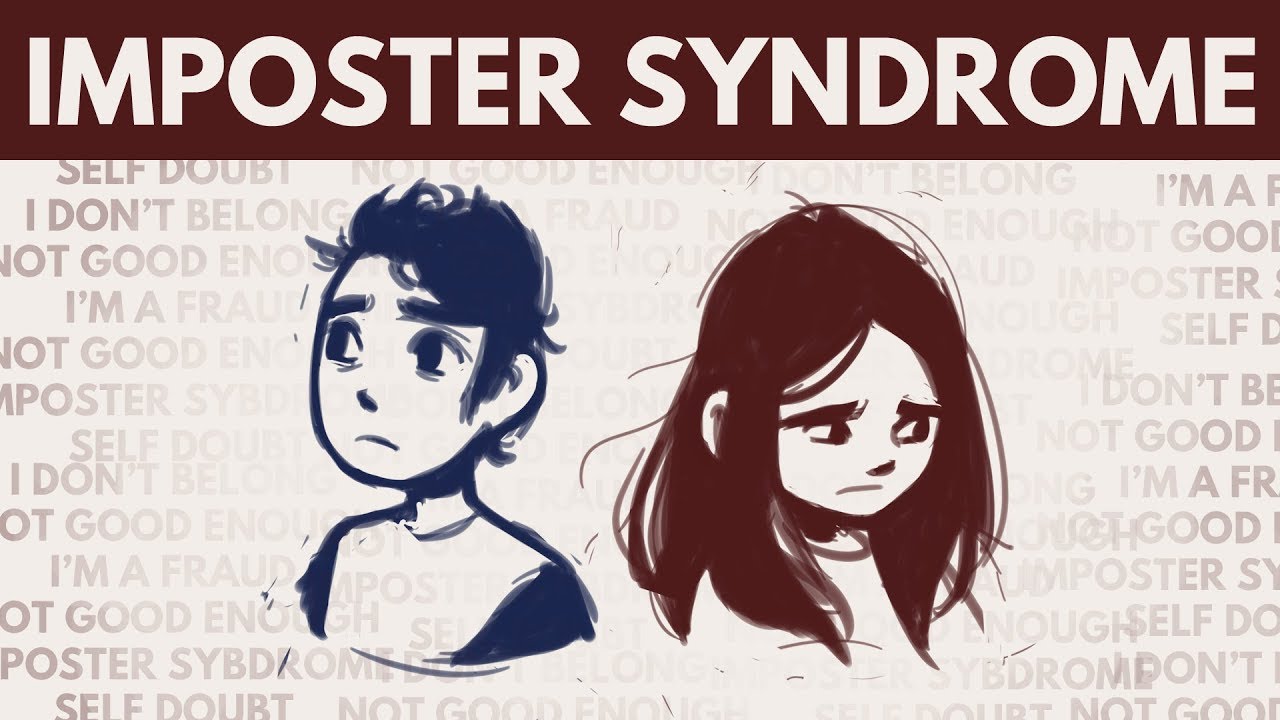
I would love to get to the point where I can be extremely selective about which gigs to take on and only work with my favorite artists. I hope I am on my way to that point, but I think it’s a long process of saying yes and staying open to opportunities, even ones I don’t feel ready for. My imposter syndrome can be extreme, but I have found that trusting in the timing of life helps me value myself and understand my worth. Either way, I know I will learn something in the process regardless of the outcome. The fun part is not knowing where one “yes” might lead!


Head of Sound for the First Time

Saying out loud that I no longer need a babysitter and that my skills do not need to be watched or checked over was a scary thing. But it was time and it the bravest and most worthwhile thing that I’ve done during my career.

That’s basically how I got the head of sound and FOH position for the largest music festival in Lithuania. The festival took place over four days, but the production team was working on it for over a month. During that time I’ve faced a bunch of outside and inner demons. I learned a lot about myself and got to know more about others.

I am the only SoundGirl in Lithuania that freelances for festivals and massive productions at the moment. To be honest, it is tough, but possible with the right attitude. Furthermore, here in Lithuania, all production roles are a little bit mixed up. While my role was FOH engineer, I was also performing job duties that typically a tour director, stage manager or production manager usually do.

After the news became public that I would be the head of sound for the festival, a weird thing happened. I never felt watched through magnifying glass that much in my life. Nobody got in my way, but I knew that a lot of people were waiting or hoping for me to screw up, and that became an extra motivation to kick ass. It was essential for me to become known in the local market as a sound engineer again as I had spent the last year in the United States honing my skills.

Technical side

Location scouting was fun. There is a weight limit in venues on every rigging point, and the number is so low that it is impossible to hang a sound system on one rigging point. It was a pain in the arse to explain exactly where I wanted the system to hang, and the riggers weren’t happy because it was a lot of extra work for them to rig the system. Sometimes I question why people choose certain professions if they are so unhappy when they are asked to do their job. After lengthy discussions, I got the system where I wanted it.

The weekend of the festival there were a lot of tours and other events, and it became an issue in securing the equipment for the festival.  We used a Meyer Sound Leopard four tops and three subs per side, UPJ’s for side fills, UMP’s for front fills, and 2x UPA’s for delays serving VIP lounge. Tuning the PA is not my strongest skillset, so I asked for help on that. For FOH I had Midas PRO2 which crashed on the last day of the second to the final performance. And PRO1 for monitors.

Dealing with performers

There were 25 performances during the festival, so that is 25 riders to review, 25 acts to work with and explain how the festival runs, making sure they understand that there were volume restrictions and that the performance could not be longer than x minutes. Then put it all together and communicate it to the production team.

Try to imagine doing that with no authority and when one-third of 25 conversations with performers start with a question ‘wait… who are you…?’. I was expecting this because for most of my career I was ‘Dovile who works with…’ at the best, and at the worst, a girl who works with…’. But I did it, and it was exhausting as hell.

My team

The people that worked with I have known since day one of my careers as a sound engineer. We have had good and bad times along the way. During the early days, they were curious about me because having a woman on the team was unusual, but they were friendly and shared their knowledge with me. When my skills improved and I was able to do the same work as they did I was put under pressure to work harder and sometimes I was given tasks that they knew I would not be able to figure out. All to say that I should be doing something else instead of being a sound engineer. Five years later and I’m still here.

If I try to describe relationships between us this time, the best description would be ‘cold as fuck’ or try to imagine a couple that just broke up and both behave as stubborn bitches too cool to have a mature conversation. Can you imagine working for four days with people that you know only saying ‘good morning’ and ‘see you tomorrow,’ not having a single joke in four days and on the intercom having only ‘input 13 – guitar’, ‘thank you’ type of conversations. That’s a bummer. Nonetheless, they did an incredible job on stage. No mistakes at all, every changeover went well, and every performance started right on time. Every one of my requests, from FOH position like ‘could you move that mic closer to a double bass,’ was fulfilled and not questioned. As long as the primary goal for all of us is to make the festival great is the priority. I don’t care about all the dramas and any of their feelings about having a woman on top of everything. We can be friends or not. Doesn’t matter.

Photo Credit Dainius Cepla

Off-topic related to a topic. We had six women volunteer to work the festival. For the most part, they were completing random tasks, but there were times when they were helping technical departments, setting up something, or being a runner for me. Some of them said that they want to work in sound for live shows and when I asked have they tried to contact local rental companies for an internship; I was shocked about what they said. The first and the only question that rental companies asked them was if they can lift and carry 50 kilos  (110pounds)!!!! That was the only reason why they were rejected by every single rental company. What the f**k…. I promise I’ll do better research on that.

In conclusion, today everything to me seems as it was an easy and fun ride through all the obstacles. It wasn’t. It took me four days to mentally leave the festival after it was over. Starting with riggers and their ‘no we can’t hang anything here,’ rental companies ‘nah, we don’t have gear,’ performers and their management ‘why are you asking for our rider, you should know our band, we’re famous…’ And the team ‘..’ I don’t even have an ironic sentence for that. LOL. I have done a lot of hard work to make the festival sound good, and the feeling when everything is running smoothly because of you is the best satisfaction ever. I didn’t know what I was about to do when I said that I could deal with everything that takes to be head of sound for a festival. I took a risk and had proved to myself that ‘Hell yeah, I’m pretty good at what I am doing and what others think doesn’t matter.

I wish every SoundGirl has enough support to be brave and feel invincible to stand for herself as well as face and deal with challenges slightly higher than the skills acquired at the moment.


Dovile Bindokaite is currently based and working as a freelance sound engineer in Lithuania. She has an MA degree of sound engineering and started working in sound in 2012. Since 2014, she has worked in various positions in live sound including FOH, monitor engineer, sound engineer for broadcasting, RF coordinator, backline tech, stage tech, stage manager. For the past year, she was part of an audio team at Schubert Systems Group (USA). She has experience working in theatre as a sound designer and recording studios as a recording engineer.


X