Empowering the Next Generation of Women in Audio

Join Us

Emergency Response Procedures

Welcome to the __________ 2017 Tour. As our world continues to change, especially with respect to emergencies that have increased at public functions including live concerts, it’s imperative that we prepare ourselves as much as possible when it comes to a possible emergency situation. It is not our intention, to inject fear, but to merely make everyone aware and give direction, when and if an emergency situation occurs.

The following information and procedures could apply, not only at the event venue, but also at a hotel, restaurant, or any other location.

A fact that should be known, when it comes to our industry and how we are classified from a government threat level. Most of the sites, we perform at, are considered to be a “SOFT TARGET”. This basically means, that it’s very vulnerable, when it comes to the site and resources that typically secure the premises.

There will be a few different security measures, that will give each event site, a higher level of security possibly, than the venue may typically operate under, but it is imperative and a must, that everyone does their part in helping with the safety and security of the event.

Tips:

Emergency Hotline 

Don’t have the mentality that it will not happen, but prepare that it will happen.

Without going into great details, but please know that in conjunction with the US Homeland Security Protocols, and our homeland security liaison, we operate under the following threat levels, which dictate the security level for that venue. It will vary, so please understand and stay flexible as things may change from city to city, but it is truly only in the name of safety and trying to ensure that we all go home to our families.

Threat Levels:


We will primarily be operating at the HIGH-LEVEL SECURITY PROTOCOLS. What this primarily means for you is that you should expect and comply with the search protocols that will be in place for us as a crew as well. Anticipate being search as you come in and out of the venue including the backstage/door gate etc. This will include either a full pat down and or metal detector search, plus a bag search.

An emergency situation could come in the form of many different way’s, from fire, structural failure, weather, or what has become a great concern, “Man Made”, catastrophic situations, such as an active shooter, stabbings or explosive devices. Obviously, certain emergency situations will require different and more immediate actions than others. Please review the following scenario’s and actions that should be taken.

Immediate Catastrophic Emergencies: Active Shooter | Mass Stabbing | Explosive Detonation

This situation, typically happens without warning and no pre-preparation time period, such as weather, equipment and similar scenario’s where you typically have time to prepare.

Once you, Hear, See, or Notified of an Immediate Catastrophic Emergency, please take the following steps:

*Please note, if it’s a project that has utilized our enhanced security measure operations, please utilize items in road case or bag that will be placed in dedicated “Home Room”.

Rather you’re at a venue, restaurant, or hotel. The fundamentals are the same. Evacuate, Hide, and Fight.

**Emergency Hotline: In emergency situations, many times, one of the critical aspects is making sure there is an accurate accounted number of those associated with the tour/event. One thing, that has come up time and time again, is having one portal that everyone can be directed to, to confirm that they made it out and that they are safe.

Non-Immediate Emergencies: Weather | Equipment Failure | Artist Cancellation | Etc.

In most scenarios regarding these types of emergencies, preparation is on our side and we can preplan for the action and response.

In these situations, department heads will have specific responsibilities, which will require specific actions pertaining to that department and the actions that the personnel should take in the emergency situation. But to give you a better understanding on how some of the behind the scenes actions go, here is a brief overview on how the procedures go.

  1. Emergency Management Team Members are notified of situation
  2. Immediate meeting take place with Emergency Management Team – to include Local authorities.
  3. Situation and options are discussed
  4. Decision is made & Agreed plan determined
  5. Emergency Procedures Plan goes into action
  6. Post Action Plan goes into action

Reporting and notifying others, of emergency situations or security and safety concerns.

Immediate Catastrophic Emergencies:

  1. Your first responsibility is to get out of harms way.
  2. If you have a two-way radio, and have and see the opportunity, please turn to channel “1” and as clearly and calmly as possible please state the matter at hand.  Such as “There is a shooter in Catering, There is a shooter in Catering, There is a shooter in Catering. It’s important to state the location and action at least 3 times if possible, so everyone hears it, as it’s a great chance that the first announcement will not be heard. If you have the opportunity also Dial 911, if you can talk leave the line open so the operator can hear the situation.

*If radio system is not equipped with “All Call” channel, please switch to security channel immediately.

Non-Immediate Emergencies:

  1. Contact via radio either production manager or security director of situation.
  2. Speak calmly, clearly and specifically what the situation is.
  3. You are not to take action, unless you clearly see that you have no other and you have a clear ability. A scenario where this may apply is that you see a small fire and you are able to extinguish without, putting yourself in danger or others.

Please note, that in scenario’s when non-immediate emergencies occur, that you will receive specific instructions on the evacuation procedures. Those instructions will include.

HOME ROOM

ACTIVATION PROTOCOLS


Arm yourselves with fighting materials: The road case or bag will have an Emergency Response Kit. This kit will have materials, such as pepper spray, ASP Baton, Medical Kit, clot and tourniquet materials and other essential materials. *Please note, if it’s a project and or tour that has utilized our enhanced security measures, please utilize items in road case or bag that will be in the dedicated “Home Room”.

In scenarios, where you find yourself on a bus and you have to secure the bus, the process is the same. The bus is very limited to hiding locations, and its vulnerable. The safest location on the bus will be the bunk area. To fortify that location collapse the bunks to use as additional protection.

FIGHT

As a last resort, and only when your life is in imminent danger, attempt to disrupt, and/or incapacitate the active shooter or aggressor.


LAW ENFORCEMENT RESPONSE

It’s very important that you understand how a response will typically occur once law enforcement and emergency personnel arrive.  An active shooter situation will typically last about 10 minutes. The purpose of law enforcement when they arrive on site is to stop the threat.

The first officers to arrive to the scene will not stop to attend to the injured.  Expect rescue teams comprised of additional officers and emergency personnel to follow to attend to the injured. These rescue teams will treat and remove any injured persons and they may also call upon able-bodied individuals to assist in this process.

Here are steps that you should take once law enforcement arrives:

Once you have reached a safe location, you will likely be held in that area by law enforcement until the situation is under control and statements will be most likely taken by law enforcement.

Thank you for taking the time to read the materials.   Please make sure that if you have any questions at anytime that you bring it to our attention, as once again this information is NOT to inject fear, but to inform you and make you aware, so you can better prepare in the case of an emergency.

Rising Producer-Engineer – Lauren Deakin Davies

Lauren Deakin Davies has worked for six years as an independent record producer and engineer. She recently worked for SoundLab Studios for a few months before starting work as a production assistant to Gary Barlow in London.  She got her start working alongside her mom Helen Meissner who was so impressed with her recordings that she set up Folkstock Records in 2013 when Lauren was 17. She was the sole producer on over fifty releases of independent folk and alternative acoustic acts, five of which gained coveted Sunday Times album reviews and the label has gone on to achieve almost 30 spot plays on BBC Radio 2 and the same on 6 Music. She also owns a studio ‘The Den’, with sponsorship from Digigrid and Audio Technica which she has been busy building, growing her equipment and client list.

Lauren dropped out of school at age 17 and did not have formal training in audio. She is a self-taught engineer and producer, watching tutorials and asking people who she knew — learning by trial and error. Lauren says she “learnt more about the technical engineering side of things when I was involved with outside projects, and this led to getting invited to a session at other studios with amazing equipment. I was always the annoying one asking what the engineer was doing. In retrospect, I can imagine that I was a nightmare to have in the studio.”

Lauren does have an extensive background in music, being in bands at a young age, and with the support of her parents, she was able to develop and grow as a musician. At age 15, her (second) band was spotted while out busking by Martin Lumsden who runs and is now producer, at the Cream Room studio. He gave the band his card, and Lauren says her mum was like ‘oh yes, well I’ll have a chat with this guy, and we’ll see…’ It turned out he was genuine, and we have a lot of contact with him – he gave me my first official role in a studio on a project he was working on.  We worked with a few different studios over the four years that band was together, and I think seeing how music was created completely inspired me to want to do production as well as songwriting/performance.”

Lauren would take over the party den (shed!) at the bottom of her garden with terrible equipment,  but says “that’s what gave me the grounding in music production, learning the hard way, sorting out ‘work rounds’ and ultimately realising that I liked it. It took me a few years and lots of encouragement to realize that I wasn’t awful at it! I think that because I was self-taught (and to be honest I am learning all the time) I was worried that there were massive gaps and one day I would fall flat on my face – classic imposter syndrome. I’ve since realized that nearly everyone has this every day! And it’s a necessary by-product of not playing it safe, of pushing yourself out of your comfort zone and trying new things. If you only do what you’ve always done, you’re never going to grow. Some challenges end up being easier than expected; some are unusually hard. But I’ve learnt to live with the uncertainty and just get on with it. If I don’t know something, I ask around and find someone who does, and the internet is excellent for practically everything, from tutorials to tips.”

One of the more challenging projects Lauren worked on was when she was 20 and said it was “ a real learning experience. Because of the networking and industry events, I go to, I was kindly asked to produce/engineer a session for an all-female project with Laura Marling, and I recognized that I was way too far out of my depth, even though I was flattered to be asked. So instead of chickening out or making a fool of myself, I brought my friend Rhiannon Mair to help me, and it went so well. I learnt so much in that session and was able to apply the skills and knowledge I learnt daily.”

Another project Lauren found challenging was a recording project was an all-vocal  ‘a capella’ album for Kate Dimbleby. Lauren explains the nature of the project meant there were “no backing tracks to guide the vocals, and with the multitude of vocal layering that each track involved, I had to be so immersed to mix every track and get everything, the harmonies, counter melodies in exactly the right place. I had never worked on anything so complex! If you listen to her album Songbirds (released on Folkstock Records), you’ll see what I mean! It did go down well though, with national papers raving about it including Sunday Times album of the week and national BBC radio play, so it was well worth it! Most recently, I found myself challenged when I took on a week-long songwriting residency, as the producer, which was extremely daunting to me. We had to produce a track each day, which had been written that day! Intense! I’ve always liked to push myself. YOLO seems to be my catchphrase!”

What do you like best about recording?

Probably the multi-tracking and the cacophony of sound that is created when the layers are added upon each other. Also, the completely different direction that one track can be pushed in depending on the type of production style that you add to it. I am always in awe of the pure joy that you share with the artist when you know you’ve created something that you both love!

What do you like least?

When clients don’t know when to stop, it’s challenging to learn when to draw the line and accept the track is finished, because everyone (I’m pretty sure) always thinks they can do better, and sometimes that feeling takes over!

What is your favorite day off activity? 

I like outdoor activities like climbing and ‘rough camping’ or just generally making things. I’m not necessarily the most skilled woodworker in the land, but I do love carpentry, tech, and creating and making different things. Whether it’s a ukulele or some element for a guitar or a new pedalboard or sewing backdrops, I’ll be absorbed.

What are your long term goals

Be the best record producer ever… Ahah!

What if any obstacles or barriers have you faced?

I think no matter what walk of life you come from, you are going to face some forms of discrimination. I feel lucky that I can say I have not been directly aware of people wanting to stunt my career because of my gender, but I’d be lying if I said that there hadn’t been quite a few situations I have been in that I have felt unsafe or uncomfortable while being in the studio.

How have you dealt with them?

I recently had to report one, and the studio is still deciding what to do about it, but when it has been in my studio or at events, often it’s just standing up for yourself. I wish I was a faster thinker and could come back at them with some quick-witted remark, but alas, I either just cringe internally or try to call them out if I don’t feel like my safety is in immediate danger.

The advice you have for women who wish to enter the field?

Tell people you are a producer/engineer/writer (or whatever you want to be), don’t play it down because as soon as you doubt yourself, they will doubt you. The sooner you start calling yourself producer, engineer, writer, you will feel your confidence grow!

Make the time to go to gigs, even if you are knackered. You can make contacts there, find new clients and I feel it’s important to support the other acts on the scene and keep your hand in with what people are creating

GO to networking events; they are not as scary as you think! Everyone is there to talk about their businesses/what they do, so you should never feel out of place. You will soon find that you end up saying the same things over and over and because things that people talk about don’t surprise you, you can prep because you know you’re likely to be faced with the same set of questions each time.

Don’t be afraid to put stuff out there, release a track perhaps, because you need to have something to show/send people. You might look back on it in six months and think, I wouldn’t do it like that now, but at least you are six months further down the line and have learnt from it. If you don’t do anything/ commit to anything, people will not notice you and will overlook your talents.

Must have skills?

Genuine ability to use a DAW, play at least one instrument and just be lovely to people because most people are lovely back.

Favorite gear?

Maybe my headphones Audiotechnica ATH M50Xs! They are simple in that they are straightforward and reliable, I trust their sound, and I know I can get a nice mix on them.

Awards and Achievements

Producer of the Year 2017 & 2018 thanks to NMG Awards.

Breakthrough Engineer of the Year  for Pro Sound News Europe PSN Awards 2018

Youngest female producer to have tracks played on BBC Radio 2

Included in 2018 and 2019 SheSaidSo #Alternative Power List

Find More Profiles on The Five Percent

Profiles of Women in Audio

Missed this Week’s Top Stories? Read our Quick Round-up!

It’s easy to miss the SoundGirls news and blogs, so we have put together a round-up of the blogs, articles, and news from the past week. You can keep up to date and read more at SoundGirls.org

July Feature Profile

https://soundgirls.org/maya-finlay-feet-in-two-worlds/


The Blogs

Getting To Know A New Audio Device

Money, Money, Money…

Switched-On Friendship – Wendy Carlos & Rachel Elkind-Tourre.

Internet Round-Up


Monitors for Rosanne Cash tour, 2019, credit: C. Elliott Photography

Maya Finlay on Roadie Free Radio. Maya is an Audio Engineer, Producer, Songwriter and Musician based in San Francisco, CA with more than 11 years of experience in professional audio.


Calling All Crows and our Here For The Music campaign to prevent sexual violence at shows and festivals. Volunteers work as a team to set up our outreach booth with provided materials at the festival and talk to fans throughout the duration of the festival. Volunteer Here


SoundGirls News


Sound Particles Licenses Available

Meyer Sound Supports SoundGirls

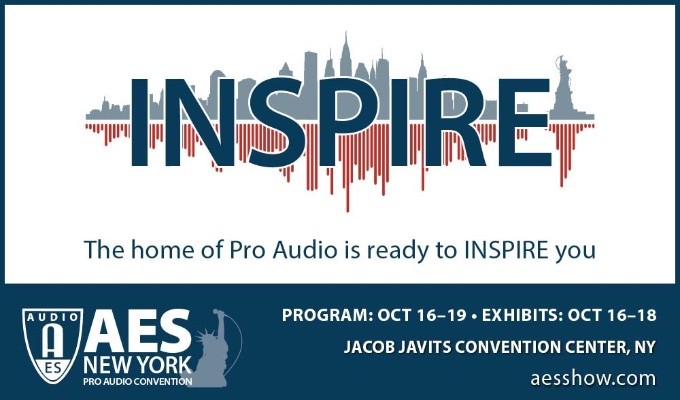
Intern with Sennheiser at AES NY 2019


SoundGirls Events

https://soundgirls.org/event/bay-area-chapter-meeting/?instance_id=1567


In Conversation with Daniela Seggewiss

Ableton Live for Anybody – 4 Session Online Course

An Evening with Lenise Bent


SoundGirls Opportunities


SoundGirls and SoundGym


SoundGirls Resources


Spotify and SoundGirls Team Up – EQL Directory

SoundGirls – Gaston-Bird Travel Fund

Letter for Trades and Manufacturers


Women-Owned Businesses

SoundGirls Scholarships 2021 Now Open

Events

Sexual Harassment

https://soundgirls.org/about-us/soundgirls-chapters/

Jobs and Internships

Women in the Professional Audio

Member Benefits

“Master” Mastering Workshop at The Bakery

Join SoundGirls for a Master Workshop on Mastering

Mastering Workshop with Eric Boulanger & Jett Galindo

Vinyl Mastering with Peter Hewitt-Dutton

Mastering & The Music Business – Q&A with Jaymes Quirino, Eric Boulanger, Jett Galindo, and Peter Hewitt-Dutton.

Career Paths in Live Sound & Production


Join us for a panel discussion and Q&A featuring women working and succeeding in the world of Live Event Production. The evening will end with a casual mentoring and networking session.

Register Here

Moderator: Karrie Keyes – Executive Director of SoundGirls and Monitor Engineer for Pearl Jam and Eddie Vedder. Karrie has worked in Live Sound for the past 30 years.


Panelists

Amanda Davis – FOH Engineer

Amanda is the FOH Engineer for Janelle Monae, Tegan and Sara, and Ella Mai. She has run sound Carnival Cruises ship, taught music theory and has moved into Production Managing.


Whitney Olpin – Monitor Engineer & Production Manager

Whitney has been the Monitor Engineer for Melody Gardot, Lauryn Hill, Fitz, and The Tantrums, Sublime with Rome, Marian Hill, X-Ambassadors, and Walk the Moon. She also mixes monitors at the iHeartRadio Theater in Burbank. Whitney is currently the third party production manager for Live Nation clubs and theaters in Los Angeles.


Chris Costello – Tour Manager – Production Manager

Chris is a Production Executive whose past roles include serving as the head of Production for iHeartRadio and Tour Managing the artists, Alicia Keys, Perry Farrell, Deadmau5 and The Strokes. She’s overseen live concert production in over 55 countries as well as consulted on performance space builds for many corporations. Currently, she’s the VP, Production at Warner Music Group in downtown Los Angeles.


Meegan HolmesGlobal Sales 8th Day Sound

Meegan has worked in live sound for over 25 years doing everything from system teching to mixing monitors and FOH. She is now in Global Sales for one of the largest sound system providers in the world, 8th Day Sound – Los Angeles
&nbsp
&nbsp


Kille Knobel – Lighting Designer

Kille has been the LD for Pearl Jam for over 18 years and has toured with Cher, Bette Midler, Temple of the Dog, Soundgarden, and The Smashing Pumpkins.  When she is not on the road, she works on The Jimmy Kimmel Show
&nbsp
&nbsp


Claire Murphy – Guitar Tech

Claire has toured as a backline/guitar tech and has recently finished teching with Vance Joy as support to Pink on her stadium tour across Europe. She has also toured with Raveonettes, Therapy, Dum Dum Girls, and The Answer. Claire runs Trash Tours that provide the live music industry storage facilities, crew, splitter vans, and logistical support.


  Kate Lee – Live Sound Engineer

Kate is originally from Taiwan and is now based in Los Angeles.  She has spent the past eight years living, studying, and working in the United States. She graduated from Musician’s Institute Audio Engineering and Live Sound production program in 2012. She currently works for Rat Sound Systems as a shop technician and does freelance live sound engineering during the weekend.


Getting To Know A New Audio Device

Through the BBC New Creatives scheme, I was kindly sent some audio equipment to create my audio piece. As a recent graduate of student radio, my only technical knowledge was an old Alice Board, Adobe Audition for editing, Myriad software for song selection, and the microphones that have been in the studio for many years. I used to record out of studio interviews on my phone using a random voice record app.

Now I have a PCM-D100 device to record with and some DTx – 910 Stereo-Headphones. Plus, an accessory kit with a handle and a windjammer. I feel quite the part! I have the basics down. Getting to know how to use the equipment was a lot of trial and error. The most challenging thing is not picking up the noise of me holding the audio device, whether that was holding the handle or the device itself. I think I prefer using the handle. The device is also quite tricky to transport; it is bigger than the other on-the-go equipment I have used before.

I have used it around the house a lot; in the garden, kitchen, and garage picking up sound bites including family conversations as well as sounds of nature such as birds in the garden, natural suburban sounds such as lawnmower noises, cars passing, and planes overhead. I have also been recording household sounds, including dripping taps, doors opening, and closing and footsteps.

These experimental sound recordings have helped me best learn how to use the device; what settings to have it on, how far away or close to hold it to certain people and objects. I have then transferred the audio track into Reaper – another new aspect to my sound learning. I was very set in my ways with Adobe Audition and struggled to find my way around Reaper at first. I am getting better each time I edit and quicker, which I guess is natural with this trial and error method of sound recording.


I am yet to conduct any formal interviews or go into public with the device, mainly because I know it was quite expensive! But also, because I know, it would draw attention and I’m not quite sure what my long-term aims with the device are. In the short term, I am making a short audio piece for BBC New Creatives, which could lead to being developed further, but at the moment is very much in the experimental pitching, trial, and error, change and development stages.

I would love to know if anyone else has this device? Do you like using it? Are there any tips and tricks I should know about? There are probably so many features on it I haven’t even discovered yet. My preferred recording and editing style at the moment is very natural, authentic, and organic with no music added over, just people’s voices and natural background noises. I like podcasts that are only voices and not lots of editing with music overlaid, and many sound effects are thrown in. I find I listen longer, relate more, and feel more engaged and engrossed in the content when it is voice only.

I am spending the rest of today recording with friends and housemates, so for the first time may have more of an interview set-up, but again I want it to be very relaxed and casual so that the conversation remains natural and unforced. Overall, this device has been a significant step in the right direction for becoming a more proficient audio producer, I think. It is very different from my knowledge of student radio technology and more complicated than an iPhone, but it is easy enough to grasp that I don’t feel overwhelmed or confused by it. I hope to use it for many more years in the future to produce whatever content I choose to explore and experiment with!


WHERE ELSE TO FIND ME:

Tri-lingual radio show (Sobremesa)

Sobremesa Facebook

YouTube and Geography blog

LinkedIn

Theatre Sound Design

[catlist name=theatre-sound-design pagination=yes numberposts=100 date=no excerpt=yes excerpt_strip=yes category_description=yes thumbnail=yes thumbnail_class=alignleft title_tag=h4 excerpt_tag=div excerpt_class=lcp_bloggers title_class=lcp_bloggerstitle]


An Evening with Lenise Bent

SoundGirls will be hosting An Evening with Lenise Bent in Amsterdam and New York.  A moderated discussion followed by Q&A. Bring your questions.

Producer/engineer LENISE BENT is a groundbreaker, She has worked as a recording engineer working on many iconic records including “Aja” by Steely Dan, “Breakfast in America” by Supertramp and “Tusk” by Fleetwood Mac. She was also the first woman to receive a platinum album for engineering on Blondie’s AutoAmerican.

Since then Lenise has moved into post-production audio, beginning with creating the foreign music and effects tracks for the entire Disney cartoon catalog, and eventually specializing in recording and editing Foley. She has worked on several films and animated series, such as “Robo Cop,” “Street Sharks,” and “Extreme Ghostbusters.” She has traveled the world for Dreamworks supervising and producing the foreign dialogue and vocals for “Shrek,” “Spirit: Stallion of the Cimarron” and “Shrek 2”. This rekindled her love of recording music, and she is now engineering and producing up and coming musicians as well as seasoned artists. Currently, one of her projects, a blues/rock band called the Primal Kings, is all-analog, recording and mixing to tape and cutting vinyl.

Amsterdam – Moderated by Petra Randewijk


Money, Money, Money…


Money & budgeting are two things people tend to avoid thinking about too much. Sure we all like to get paid, but actually sitting down and working with the numbers, that’s the least fun part of money. It is crucial to stay on top of your finances, whether it’s your personal finances or the company you work for.

So let’s break it down together, let’s get us off on to a good start. Let’s start with our personal/freelance finances.

Income vs. Outgoing 

The two most crucial bits to financing is Income vs. Outgoing, so the money that you earn and the money that you spend.

Outgoing

So let’s look at our expenses which are crucial and that we all will have in common: To give you an example of what life in London can cost, here are some numbers.

So that is over £1k on the basics every month, not including things like going for dinner with your friends, birthday presents, etc.

So we need to earn at the very least £1,350 per month to cover our basic day-to-day living.

Income

So income is the most fun part of working and earning money, right? But it is also important that we spend our income wisely and go through our budget monthly to keep on top of things. So we know our expenses each month, so let’s look at what we can do with our profit if we haven’t been breaking even this month.

Say that we earned ourselves £2,000 this month. After having paid all of our expenses, we’re left with £650.

It would be lovely to think that we can spend that £650 on gear ( My guilty pleasure is synthesizers), but sadly we should probably not do that.

Taxes

If you are a freelancer and have your own company we need to think about taxes and putting money aside for that time of the year where you need to declare your earnings. In the UK at a basic rate, you pay 20% in taxes.

So if we earn £2k a month, that’s £24,000 a year. 20% of 24,000 is 4,800 (24,000 x 0.20). However, in the UK, the first £12,500 are tax-free, so we only need to pay tax on £11,500 (24,000 – 12,500).  So 20% of £11,500 is £2,300 a year or £192 a month.

So out of those £650 in profit (after our expenses), we need to set aside £192 for tax which leaves us with £458.

I’d probably put £100 of that into a savings account, and the rest will likely cover some miscellaneous expenses.

If you feel like you cannot handle your finances on your own, it might be worth getting an accountant.

Forecasting

Budget – SUMMARY

It is important to estimate what you will spend, that is why you forecast. It’s always good to be a bit generous when you forecast to make sure you have some wiggle room. The example above is all a forecast; expenses vary from month to month.

Actual Spend

At the end of the month, you compare your forecasting to your actual spending. Did the numbers add up? Where you spot on or way off? What can you do differently next month? Here we can analyse our forecasting, spendings, and savings.

Yearly Summary

Whether you are a freelancer or working for a company/client, it is always good to do an annual summary. Compare the months, recognize patterns, spot the quiet months, and the busy ones. There is a lot to learn from a year, and planning for the next one gives you a head start.

Miscellaneous

Always account for the miscellaneous bits, there is still something we spend money on that we do not account for. A cab ride here, servicing there, something broke, and you needed to replace it. There are always unforeseen costs that are impossible to avoid, so it is better to give yourself some slack and account for a little bit extra for those times you need it.

Invoices

Stay on top of your invoicing game. Make sure you chase your invoices and keep track of which ones have been paid and which ones are overdue. There is plenty of accounting software on the market that makes invoicing easier, keeps track of which invoices have been paid, and also makes declaring your tax easier.

Editors note: Wave Accounting is similar to Quick Books and free.

The Budget Given by a Client or Company

If you have been given a budget to work with by a company or client, it is crucial that you stick to the budget. No one likes an over-spender, and it can get you into real trouble if you do overspend.

The same way you budget for your personal or freelance finances, you can apply the same method when working with a budget that was given to you.

It is important to meet client expectations, but also to be honest and realistic with what you’ve got. If a client is asking for more than they are willing to pay for you, have to be open and honest about it. Look at different options or see if they are willing to increase their budget. Communication is key.

Money and budgeting can cause a lot of anxiety; it affects us all. But if you set yourself up and tackle it heads on, I can assure you it will be a lot easier to deal with. Set aside a day at the beginning of the month and at the end of the month where you sit down with a cup of coffee or a tea to go over your budget and finances.

If you find yourself in some financial difficulties, please seek advice from accountants and contact your bank. The sooner the better.


X