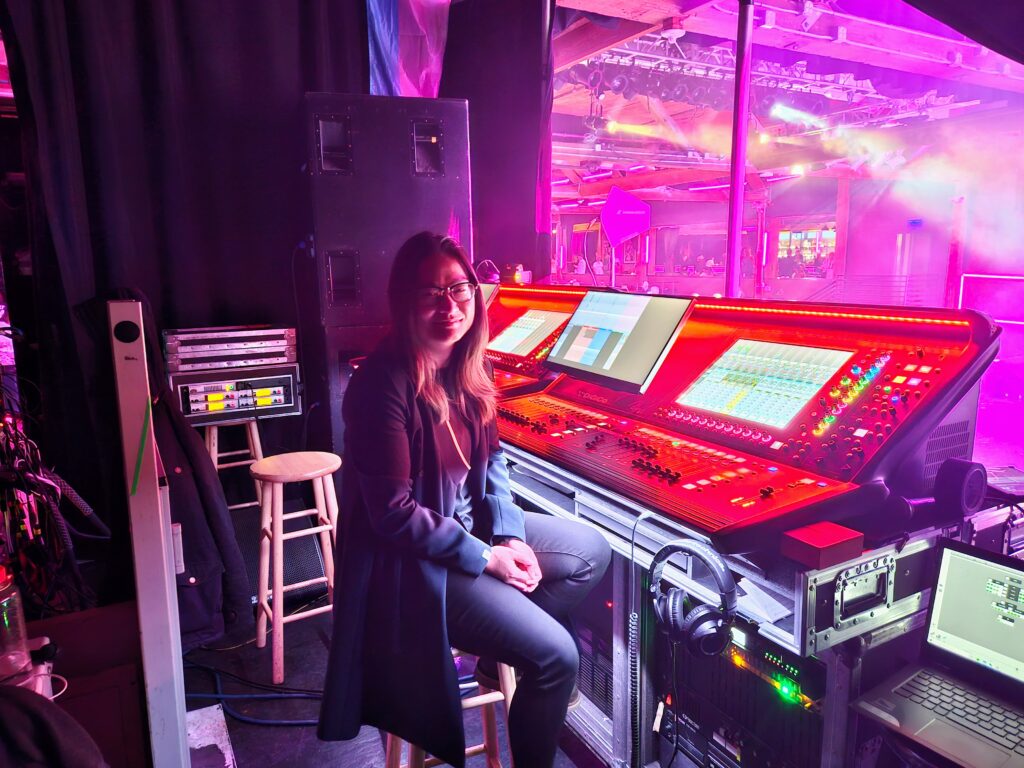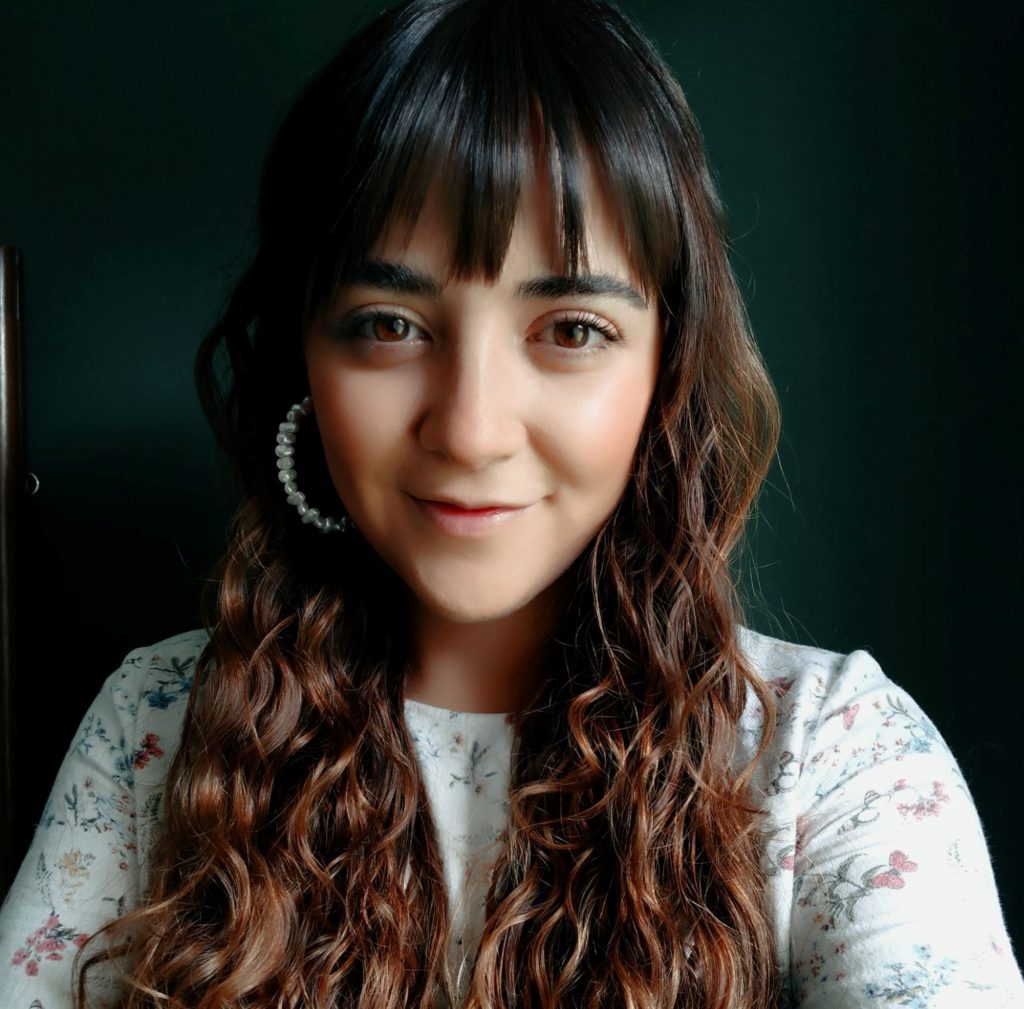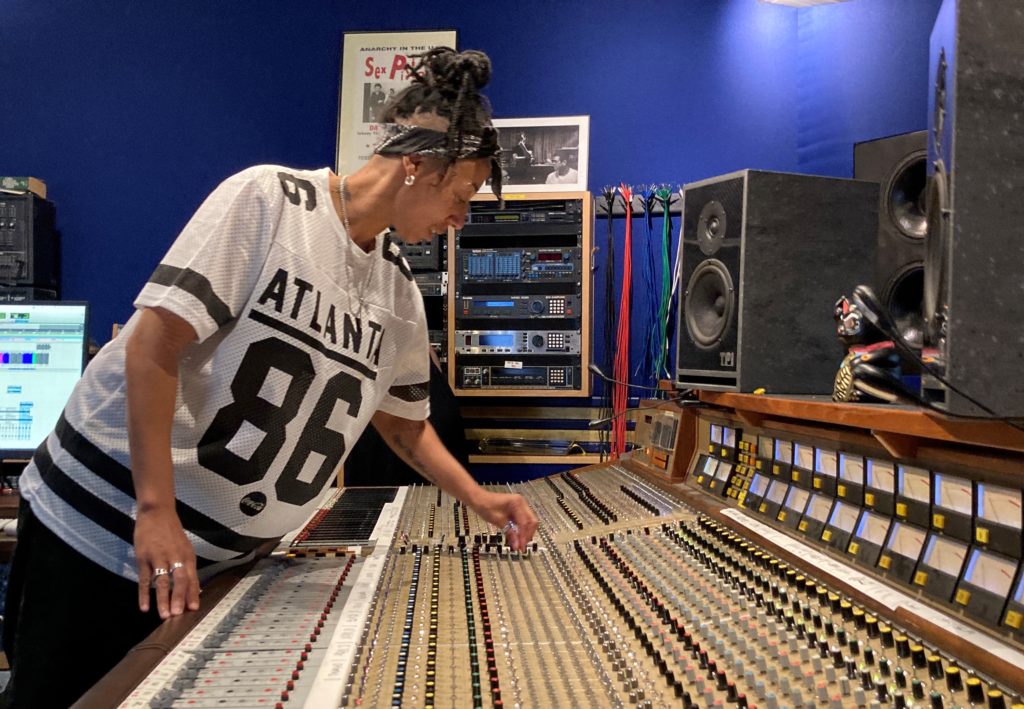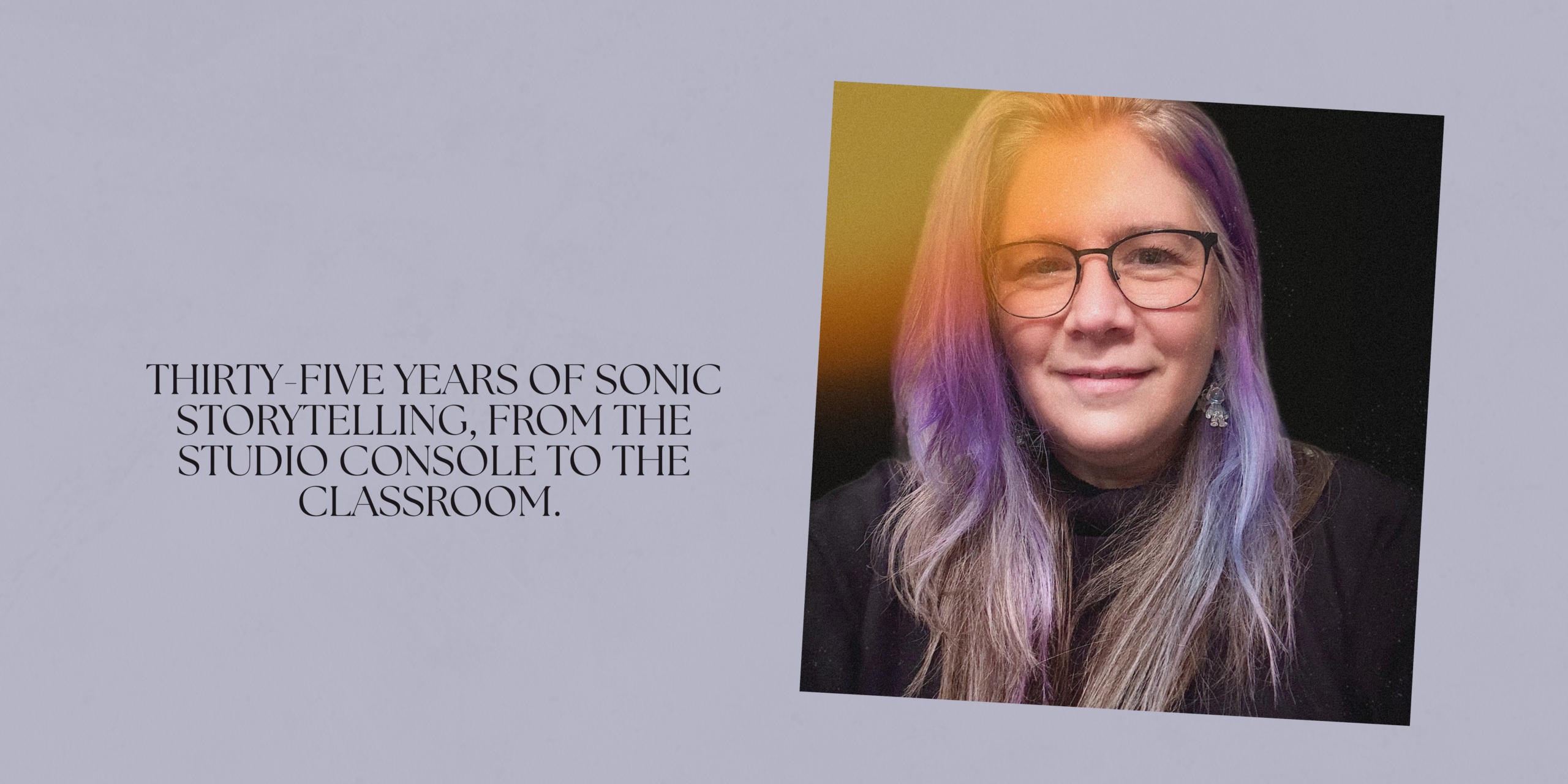
Jamie Baker is a sound designer, audio engineer, musician, and educator with over 35 years of experience in professional audio. Currently based in Savannah, Georgia, with over 25 years of work behind her in the NYC post-production sound community, she specializes in post sound and audio education. She is currently a Professor of Sound Design at the Savannah College of Art and Design (SCAD), where she has taught for over seven years, while continuing her independent audio work.
Jamie grew up in a musical family. Her early fascination with audio technology began with connecting the components of her stereo system and eventually expanded into playing guitar, bass, and performing in and recording bands.
Her passion for sound design emerged while studying at the University of Michigan, where she helped create the soundscape for a theatrical production of The White Rose. Working with reel-to-reel tape machines, razor-blade editing, patchbays, and sound effects libraries introduced her to the creative possibilities of audio production. Around the same time, discovering multitrack recording inspired her to purchase a Tascam Portastudio and begin recording her own compositions and other musicians.
Jamie earned a Bachelor of General Studies from the University of Michigan and completed certificates in Basic and Advanced Recording Techniques at the Recording Institute of Detroit. She also served as a teaching assistant and instructor, gaining valuable experience both behind the console and in the classroom.
Her technical foundation was further strengthened through working in the professional audio department at Nalli Music in Ann Arbor, where she developed extensive knowledge of microphones, recording equipment, mixing consoles, and signal flow. Combined with years of performing and recording with bands, these experiences shaped her hands-on approach to sound and education.
After moving to the NY area to pursue a career playing and recording music, Jamie stumbled upon and fell in love with re-recording mixing for film. She steered her career from music to post production sound, and worked her way from assistant engineer to Foley mixer, editor, and re-recording mixer.
Today, Jamie brings decades of practical experience, technical knowledge, and creative exploration into her teaching. Her career reflects a lifelong passion for sound, from analog recording and theatrical sound design to post-production and mentoring the next generation of audio professionals.
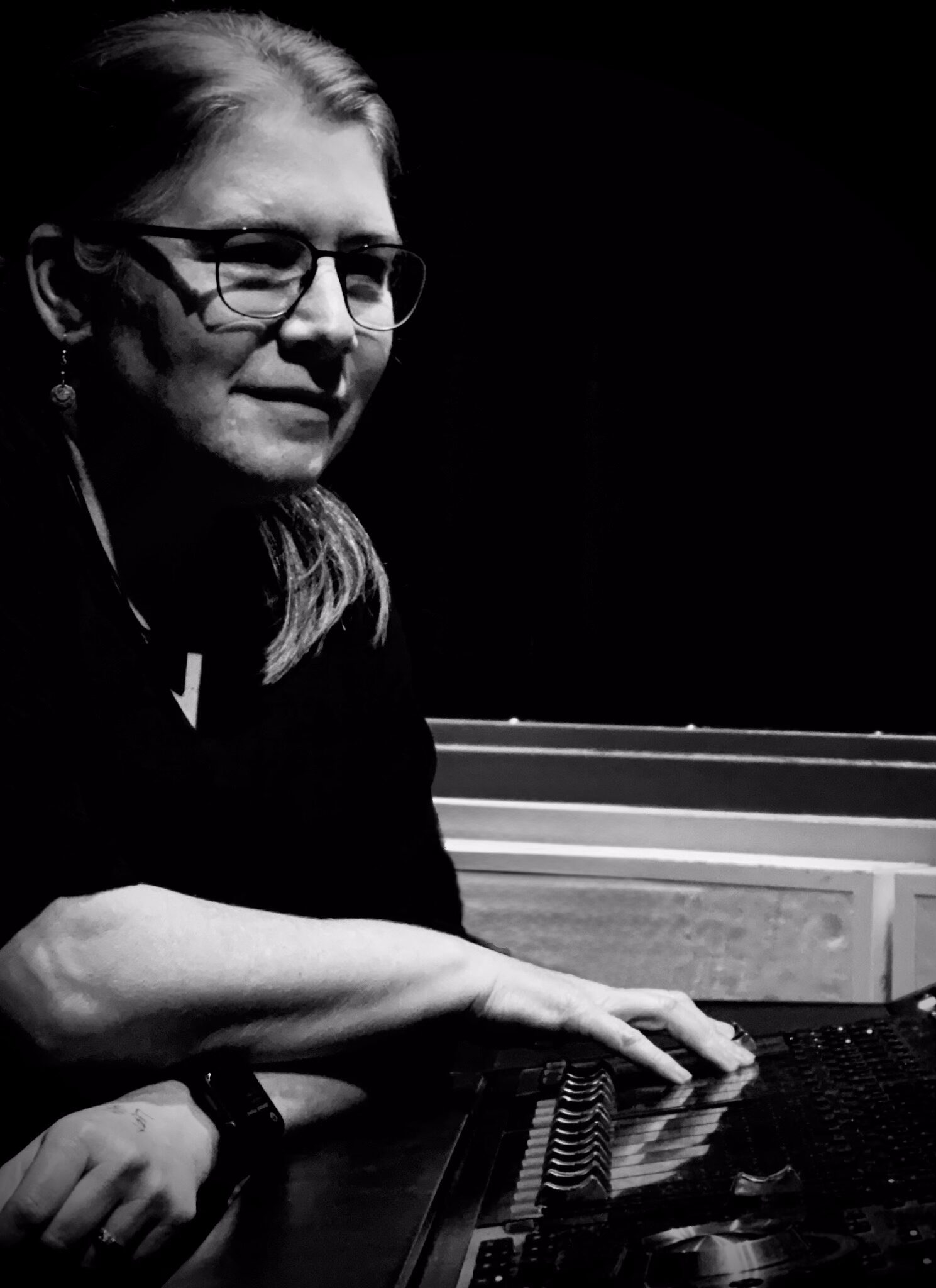
Career Beginnings
How did you get your start in audio?
I worked at the local music stores that sold guitars and audio gear and eventually started to build up my own studio so I could record local bands, artists and singer/songwriters. I did some theater sound jobs in college and some live sound while playing in bands and in NYC at places like the Asia Society. Interning at a small record label studio in Hoboken NJ and freelancing in NYC at various jingle houses were my earliest studio jobs.
What were your first jobs, gigs, or internships like?
Most paid gigs at first were for advertising clients in NY, where masterful session players were hired to play the music and we recorded them to 2” tape. I calibrated the tape machines, set up mics and headphones, and helped in any way that I could. I got to watch talented engineers record, mix, and produce excellent tracks.
I worked with Latin artists and rap artists that were signed to a small record label called Meadowlands Recording Company in Hoboken, NJ. We recorded on ADAT synced with digital performer or studio vision software for the midi instruments and samples. I loved this gig and remember getting amazing recordings all day there until we had to quit in the evening when the music at Boo Boo’s Funkadelic kicked in around the corner and the low frequencies infiltrated the walls.
The cross over to film post sound began at Sound One in the Brill Building, where my first job was as a messenger. I worked for minimum wage and got to meet everyone in the NY post sound community as I delivered faxes and cans of films to various offices and studios. I believe I was the third woman to hold that position. My foot was in the door, and I was beyond excited to be there. Among other things, I got to visit Studio J – the Foley stage!
My foray into Foley began with the opportunity to train as a Foley recordist at c5, inc. I was invited to arrive early each day and boot up the Foley studio, and then sit in on the sessions and help keep track of cues. I did this every day for a few hours before my jingle house gig. These were my early days of training as a Foley mixer. After a couple months of sitting in, they let me take the wheel!
What skills or lessons did you learn early on that still serve you today?
Be helpful. Pay attention. Take care of the equipment and cables. Be a good listener. Learn, learn, learn. Read the manual. Take notes. Make yourself indispensable.
Did you have a mentor or someone who significantly supported your growth?
Jane Heirich, my college professor who taught the Creative Musicianship and Human Voice Alexander Technique classes. She changed my life trajectory and is still guiding me in my brain and heart.
What barriers did you encounter early in your career, if any?
The NY film community has always had amazing rerecording mixers and I wanted to be one. None of them were women. I was told by some people that did the hiring that I surely didn’t want that job because the hours were long and they often had to work late nights and weekends. I came across a few situations where I was passed up for jobs because I was a woman and it was assumed I’d make a family and do that instead of work. That was not the case, I ended up working many nights and weekends throughout my career anyway. I still do. And I have a family now, too, that has always been supportive when it comes to working long hours.
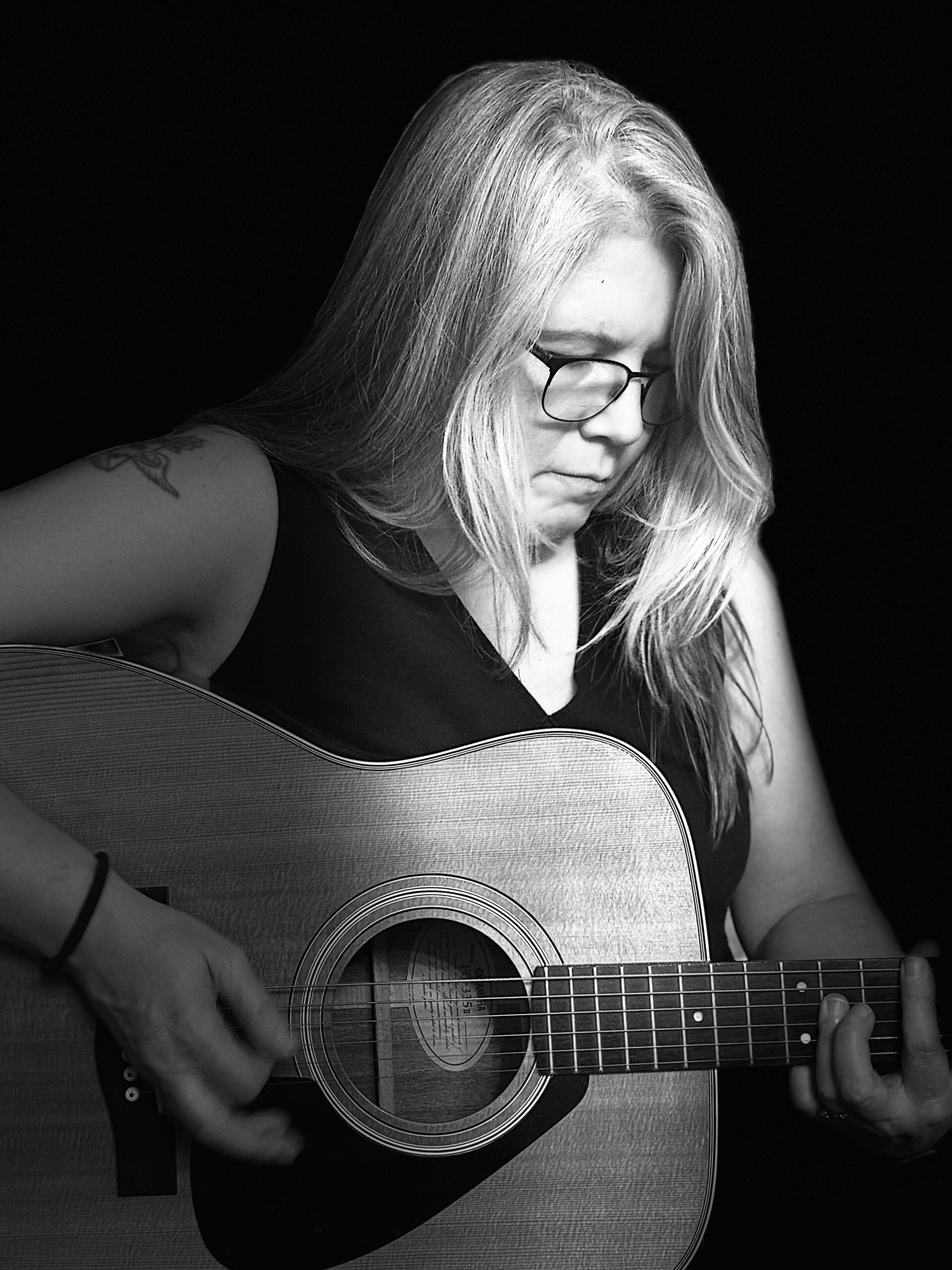
Your Career Today
What does a typical workday look like for you now?
Busy! I teach sound design full time. Most of my classes are in a beautiful studio. For 10-week quarters I teach 4 classes each week that meet twice for 2.5 hours and host a minimum of 4 office hours per week. I get to train students in Foley, VO and ADR, fundamentals of audio, editing, supervision, and sound for film and television. I’m usually either in the classroom, office hours, extra help sessions, grading, or advising 2 student sound clubs. Also, there’s a lot of email checking going on. I hear from students and colleagues non-stop, and I aim to respond regularly.
This year I have a grant to do some research and academic writing on my favorite topic, Foley, so that is peppered into my typical day at this time.
In addition, I am currently on the AES Board of Governors and a few other AES committees: Education, DEI, Atlanta Section, and the accessibility sub-committee. I am the co-chair for the next International AES Conference on Audio Education (6/24-26/27 at San Diego City College). I join Educator Advisory Committees that John Krivit assembles to check out and assess various software and plug ins available and discuss how they can be integrated into class curriculum. I am also the faculty awards coordinator for our department, so I help encourage students to submit their best work for student awards with the AES, MPSE, and CAS organizations. I could go on but there’s much more that I do from day to day in addition to the teaching – I maybe keep too busy.
How do you stay organized and manage the demands of your work?
Ha! I keep saying I’m going back to a day runner handwritten planner because it was the best way to keep track of everything. Now I have things in 4 or 5 places- multiple Google calendars, notes app, reminders app, etc…it’s hard to keep up with all of those, so I recently created a weekly spreadsheet that I compile all these things onto and prioritize the weekdays with my commitments and things to do. It seems to be working well. It’s a Google sheet I can access from my phone or computer.
What do you enjoy most about what you do?
Sharing sound, tech, and sonic stories with others while supporting students’ growth. It is very rewarding. I generally like to nerd out about all things audio!
What aspects of the job are the most challenging or least enjoyable?
Writing a self-evaluation!. I think when students are not trying their best it can be very frustrating. I believe you get out what you put in and some don’t put much in so I feel they will not get much out of it. It’s way more fun to work with students that are excited to learn.
What is your favorite way to spend a day off or time away from work?
I love to hang out with my family and get out into nature. It only happens once in a while, and I hope we can do that more often. We have beautiful marshes here with walking trails, and Tybee Island is a gorgeous beach. Birdwatching. Sleeping. Good meals. I like to go somewhere I’ve never been. I try to rest and watch enjoyable films and tv programs. I enjoy visiting my friends working on Foley stages! I got a grant to do some academic writing and just did a 16-day road trip to visit comrades in the biz in California, then a couple days in Chicago and a couple days in NY. It was all super special, memorable, and fulfilling!
Challenges, Growth & Perspective
What obstacles or systemic barriers have you faced in the industry?
Boys club. Sexism.
How have you navigated or pushed through those challenges?
I “just keep swimming…” (Dory, Finding Nemo). Finding supportive people and folks I like working with is how I steer my path. Life is too short to work with people that make you feel uncomfortable or unwelcome. I try to look for the light and follow it. I also tell myself it’s ok to be nervous and fearful in new situations but to go for it anyway. Someone once told me that if I do the best that I can then that is all I can do. So, I do my best. If my best is not enough, then there’s nothing more I could have done. I can sleep at night knowing I tried my best.
Have you seen the industry change during your career? If so, how?
More diversity is slowly taking hold, strikes and COVID hit heavy, new tech (pros and cons), now AI tools and issues that we need solid guidelines for and protections from. Due to COVID and recent strikes and corporate mergers, etc., there are many folks out of work. I look forward to a renaissance. People don’t proofread things – manuals have typos – it’s so frustrating!!!
What still needs to change to better support women and marginalized genders in audio?
Widespread early introduction and training in audio, more diverse representation at companies, in trade mags, on social media, etc. Vote out misogynistic fascists in leadership positions.
Advice & Looking Forward
What advice would you give to women or young people interested in entering audio?
Go for it! Don’t let anyone tell you that you don’t belong. Read the manual, prepare for opportunities when they arrive. Meet as many people as you can and tell them you want to work in audio. Networking is key! Invest in yourself – gear, training, trade organizations and communities. Get involved! Volunteer. Have fun!
What skills—technical or otherwise—do you think are essential for success?
Perseverance, showing up on time (early), a great can-do attitude, good listening skills, proactivity, a friendly and kind demeanor, hardworking, good communication skills, professional behavior and etiquette, good hygiene, etc. Understanding signal flow and all the basics, plus any advanced areas of interest. Be resourceful! Read the room!
What long-term goals or aspirations do you have?
I’m working on an academic book.
Is there something you wish you had known earlier in your career?
It’s ok to ask questions and admit you don’t know how to do something if you haven’t had a chance to learn how to do it. Sometimes you can wing it and figure things out, and other times you need time to prepare. Sometimes people will help you and other times you are on your own. It’s OK to admit you are still learning. I am still learning new things every day.
Favorites & Personal Touch
Favorite or most-used gear (and why):
Pro Tools Ultimate and many plug-ins on my MacBook Pro laptop. I can work from anywhere. I even mixed commercials on headphones in the NYPL on vacay one time. My staples have been the Waves Mercury bundle and Izotope RX Advanced.
A piece of gear you can’t live without:
Same as above along with a 5.1 Genelec mix setup in the home studio.
A moment in your career that made you feel proud or affirmed:
Seeing my name for the first time (and second and third) on the screen in theaters and TV was a rush.
Anything Else
Is there anything else you’d like to share or contribute?
Before I discovered post sound, I hoped to someday be a rock star and famous record producer. I played in many bands on guitar, vocals, and bass. I toured and recorded an album with the NYC punk-pop band, Battershell. It was definitely another key segment of my life and career!