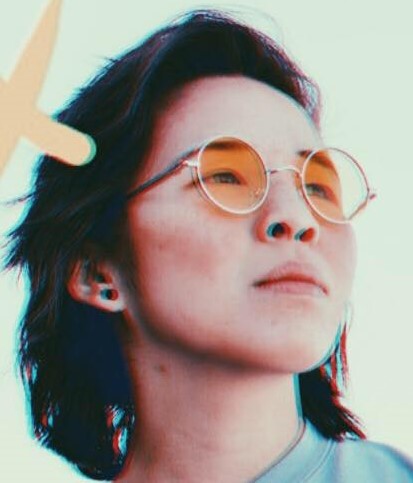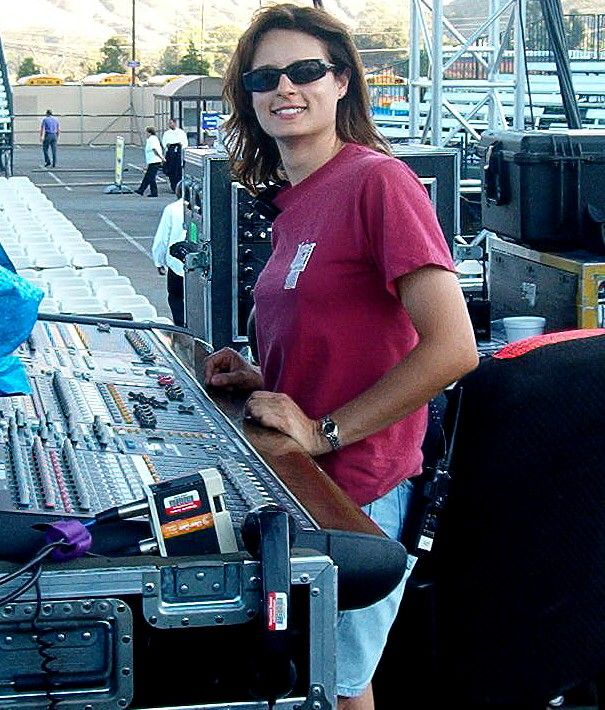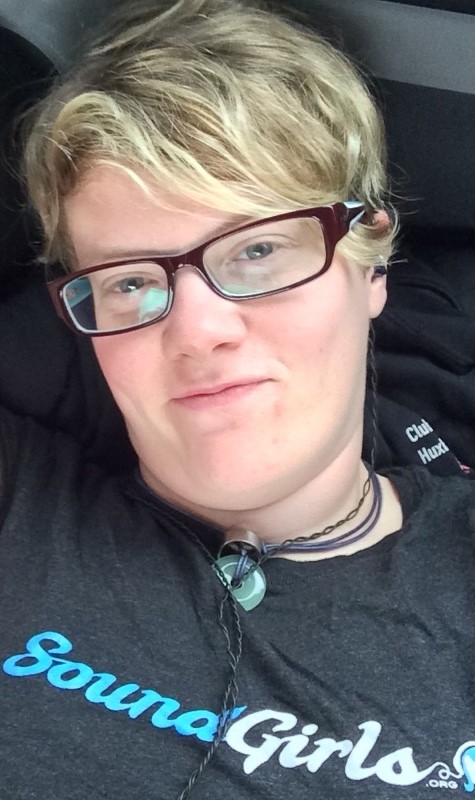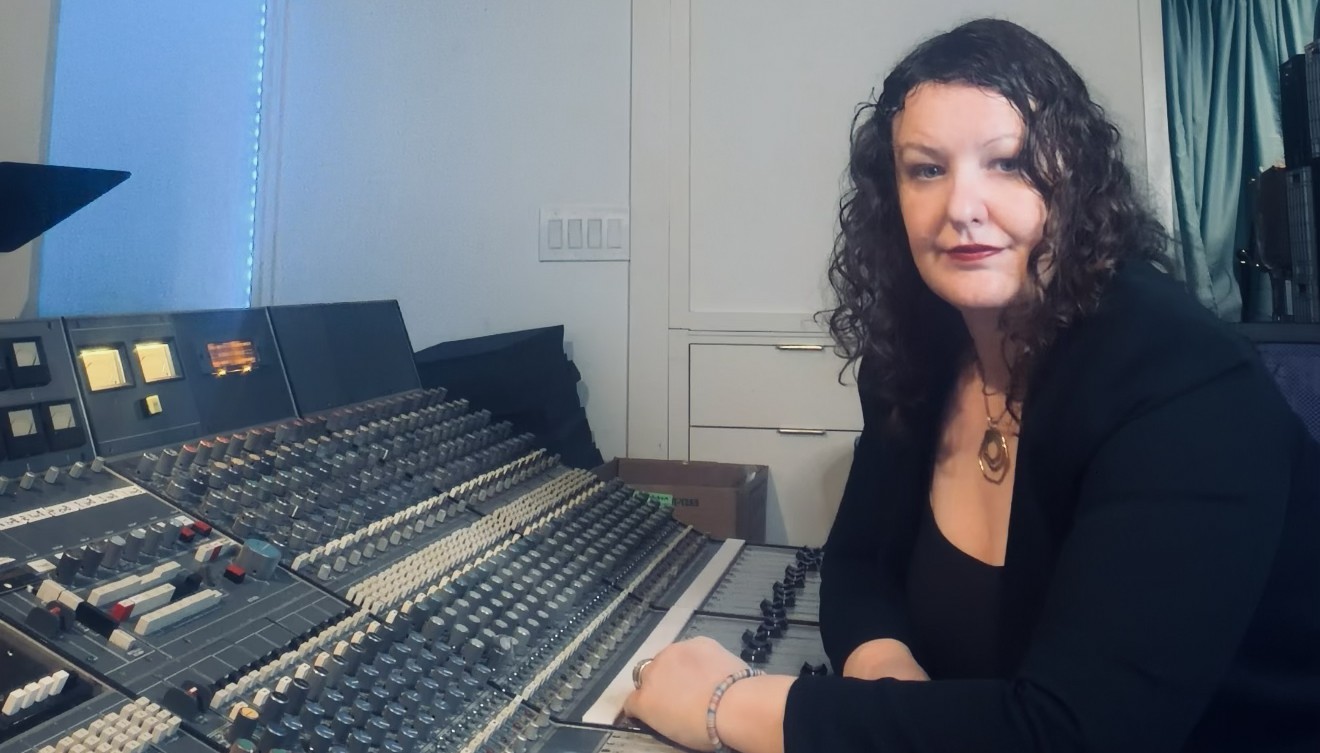
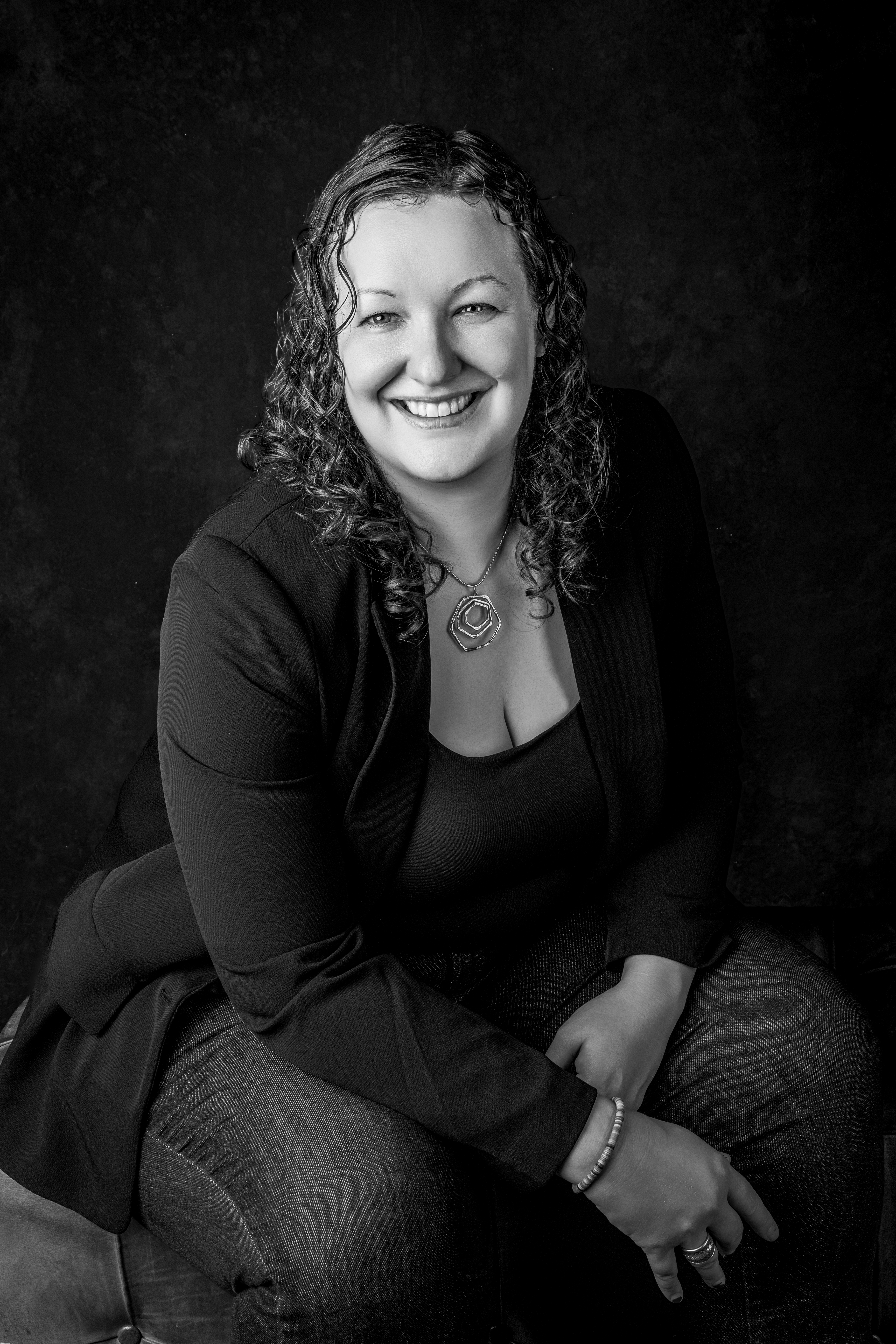
For Helen Caddes, music was never simply a hobby—it was the language of her upbringing. Raised in a creative household by a filmmaker father and a poet and visual artist mother, she was immersed in art, storytelling, and music from the very beginning. By age three, she was recording sounds on a handheld cassette recorder and playing a green upright piano gifted by family friend and renowned musician David Lindley. Long before she considered audio as a career, she was already documenting the world around her through sound.
Although Helen spent her life writing songs, performing, and playing music, it wasn’t until she was 28 and recording her first album in a Nashville studio that she discovered the creative possibilities of audio engineering. Watching the engineers shape the music from the other side of the glass revealed a new artistic path, one where technical decisions could be just as expressive and impactful as songwriting and performance.
Today, Helen serves as Chief Engineer and Studio Manager at Leftway Studios in Austin, Texas, where she combines her passion for music, technology, and artist development. Her journey into professional audio has been anything but conventional. Before entering the studio full-time, she built careers in political organizing, digital strategy, brand development, and advocacy. Those experiences taught her how to think critically, communicate clearly, and remain steady under pressure—skills that now serve her daily in the studio.
A lifelong musician, Helen’s foundation includes vocal performance training, guitar, bass, violin, and songwriting. Her formal education spans communications, film, photography, political science, women’s studies, and music business technology. She recently completed a Technical Certificate in Music Business and Technology, studying under Grammy Award-winning engineer Ken Johnston. Yet some of her most valuable lessons came outside the classroom, building tube amplifiers, learning to solder by hand, and spending countless hours refining her craft through hands-on experience.
Helen’s approach to audio is rooted in curiosity, service, and creative collaboration. She credits a community of mentors and colleagues for helping shape her career, including trailblazing engineer Lenise Bent, mastering engineer Pete Doell, and numerous women and industry professionals whose guidance and friendship continue to inspire her work.
As someone who never saw women working professionally in audio while growing up, Helen understands the importance of visibility and representation. Her own path demonstrates that there is no single route into the industry. Whether through music, advocacy, technology, or engineering, every experience can contribute to a unique perspective behind the console.
Today, Helen brings that perspective into every session, helping artists understand not only how records are made, but why creative decisions matter. Through her work as an engineer, producer, and studio manager, she strives to offer artists the same generosity, clarity, and encouragement that first inspired her to step behind the glass and discover a new way of telling stories through sound.
Your Career Today
What does a typical workday look like for you now?
Leftway Studios was founded six years ago by Lisa McNally, Kate Harrington and Jason Jenkins, whose vision for a serious creative facility in Downtown East Austin is the foundation everything here rests on. I joined them in September 2025 as Chief Engineer and Studio Manager to help execute the vision for the studio’s next chapter, a substantial infrastructure upgrade that will bring the facility’s signal chain, control room, and monitoring environment to a world-class level.
A typical day involves signal chain decisions, equipment planning, acoustic consultation, and artist relationship work. I am also a contributor to Boss Ladies On The Record, Leftway’s flagship video podcast, founded by Kate in 2022, which amplifies the voices of women and leaders across audio, production, and the broader music industry.
How do you stay organized and manage the demands of your work?
I take a lot of notes. I keep checklists for project management and daily tasks. The digital tools available now are robust, but a pen, paper, and a large whiteboard are still my preferred way of thinking through a problem.
What do you enjoy most about what you do?
The moment when a performer hears something back and recognizes that the recording has captured not just what they played, but what they meant.
What aspects of the job are the most challenging or least enjoyable?
Building credibility in a field that does not always know what to do with a woman who arrived from outside the conventional path. Technical challenges arise in any studio, but I have a strong team and a generous network of advisors to work through them with.
What is your favorite way to spend a day off?
Time in nature and creative projects of my own. Right now I am planning a raised-bed garden for my backyard and building my cats Gabe and Charlie a catio. Listening to music. Writing new songs. Playing guitar. Reading literary classics and improving my skills in every way possible.
Favorite or most-used gear
The Neve 5316 console at Leftway, sourced through Dan Alexander Audio. It is the heart of the room.
A piece of gear you can’t live without
The Telefunken C12. There is something it does with the human voice that I have not heard from any other microphone.
Anything Else
From 2003 through 2018, I co-founded and managed the Justice for Kirstin Blaise Lobato Campaign alongside Michelle Ravell — a grassroots wrongful conviction effort I began at the age of nineteen, after reading a sixty-pound box of trial transcripts over the summer. We worked on her justice campaign for fifteen years. In January 2018, I watched the livestream from Los Angeles as Blaise walked out of prison. She was the Innocence Project’s two hundredth exoneree. Kirk Bloodsworth, the first death row exoneree in American history cleared by DNA evidence, was a crucial part of the team who helped us to achieve that result.
I also served as Vice Chair of the Stonewall Democratic Club of Southern Nevada and testified before the Nevada State Senate in support of the resolution that helped legalize marriage equality in our state. I presented “Audio for Social Justice” at the AES European Convention in 2021 because the questions of who gets to make recordings, and whose stories are preserved, are not neutral ones.
My next album is called Enclosures. My father directed and produced the music video for my debut album State of Nature’s first single, “Sustenance and Sleep,” using home movies from the 1980s of our family at Yosemite National Park.
I was nominated to the Board of Governors of the Audio Engineering Society this spring, the same seat my friend and mentor Lenise Bent recently completed her term in.
Leftway Studios is in Downtown East Austin, Texas.