Empowering the Next Generation of Women in Audio

Join Us

Missed this Week’s Top Stories? Read our Quick Round-up!

It’s easy to miss the SoundGirls news and blogs, so we have put together a round-up of the blogs, articles, and news from the past week. You can keep up to date and read more at SoundGirls.org

May Feature Profile

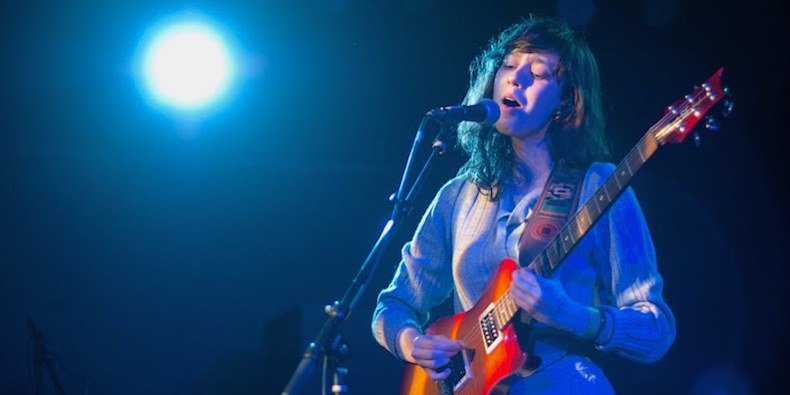
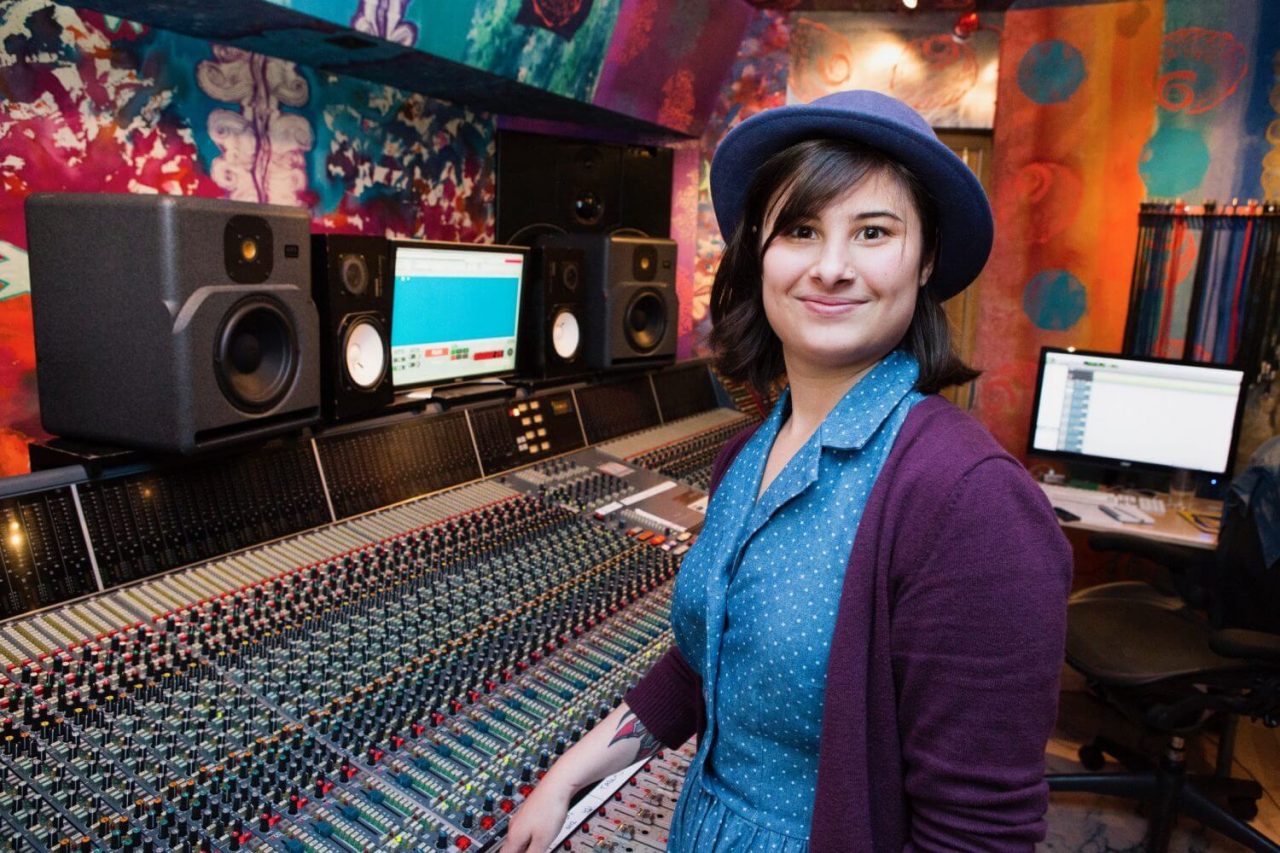
Daniela Seggewiss – Time Flies When You Are Doing What You Love

The Blogs

Systematic Inequality, Part 2: Culture, Culture, Culture

What is in my toolkit?

Consideraciones para realizar un diseño de refuerzo Sonoro.

Considerations for a Sound Reinforcement Design.

District of Screen Composers


SoundGirls News

Letter for Trades and Manufacturers

https://soundgirls.org/scholarships-18/

Line Check! Experience Sound Check a Grammy Nominated R&B/Pop Artist

Accepting Applications for Ladybug Music Festival

Representation on Panels – Music Expo – Boston

Philadelphia SoundGirls Chapter May Meeting – May 19th

SoundGirls Productions Meet & Greet

https://soundgirls.org/event/orlando-soundgirls-chapter-social-2/?instance_id=1273

https://soundgirls.org/event/melbourne-soundgirls-chapter-social-2/?instance_id=1286

Amsterdam SoundGirls Tour & Social

https://soundgirls.org/event/vancouver-soundgirls-chapter-one-year-anniversary/?instance_id=1285

SoundGirls London Chapter Social – June 17

https://soundgirls.org/event/glasgow-soundgirls-meet-greet/?instance_id=1272

Shadowing Opportunities – Berlin

Shadowing Opportunities

Telefunken Tour & Workshop

Round Up From the Internet

Creative licence is key: Sound designer Kirsty Gillmore on producing theatre audio


Primavera Sound Instates Zero Tolerance Policy Against Sexual Aggression and Harassment


Live Nation Launches the Women Nation Fund to Boost Female-Led Biz


SoundGirls Resources

Directory of Women in Professional Audio and Production

This directory provides a listing of women in disciplines industry-wide for networking and hiring. It’s free – add your name, upload your resume, and share with your colleagues across the industry.


Women-Owned Businesses

Member Benefits

Events

Sexual Harassment

https://soundgirls.org/about-us/soundgirls-chapters/

Jobs and Internships

Women in the Professional Audio

Systematic Inequality, Part 2: Culture, Culture, Culture

In my last blog post, I discussed the ways in which culture influences the media that we create, consume, and how we interpret it. Expanding upon that this month, I will explore how culture affects every aspect of our lives. Every single thing that humans do is cultural. We are a product of the culture that we are raised in – but that’s not to discount the existence of free will. This means that everything that we do, from what that we eat, to the way we eat is all culturally defined. And there is more variation than you might initially think. The first time I experienced any amount of “culture shock” was a couple of hours after I landed in Romania. Thinking my Romanian upbringing would have prepared me for anything, I was utterly taken aback when my well-meaning family members ordered Pizza for my sister and I. The pizza had a whole fish on it, and everyone ate the pizza with a fork and knife. After spending over ten hours on a plane, and adding the jet lag, I was actually shocked by this (literally) fishy pizza. My family found my shock amusing. To them, fish pizza is normal; and eating pizza with your hands, well that’s borderline barbaric.

Culture is what tells us what “normal” is. The process of learning this “normal”  is called socialization; which describes a variety of processes that can range from overt to so subtle you probably didn’t even notice it. An overt process would be something like a company handbook with a list of values and typically a page that you sign agreeing to act accordingly while on the clock. More subtle socialization could be in the form of negative repercussions and/or positive reinforcement. For example, I have developed the mouth of a sailor. As a complete coincidence (it wasn’t a coincidence), my cursing increased drastically when I started working as a stagehand. My cursing was positively received and therefore reinforced, while the use of what I like to call “SAT vocab words” was met with mostly confusion and a dash of resentment for being pretentious. That’s how I learned what sort of vernacular (that would be an example of a pretentious “SAT Vocab Word”) was “normal” for stagehands. It happened pretty quickly, and I didn’t really notice until my cursing started to bleed into my personal life.


One of the “normal”s of the live event industry is the predominantly male workforce. When I show up on the show site and am the only woman, that is normal for me and everyone in the room. In a different cultural context, this lack of a female presence would be very noticeable. However, we in the industry have been socialized into this normalcy. Male is the default and female being different, creates a situation in which I arrive on show site and I am the other. I feel this on the daily from comments about “you’re a young and competent tech, and a woman!”  to dress codes and apparel not taking the possibility of women into account.

The inherent masculinity of the industry is yet another roadblock that women face. Recognizing these cultural norms, and then challenging them is an essential step in achieving a more equal workspace. We need to actively socialize current and incoming industry members in a manner that includes more than just white men. Changing the whole culture of an industry will be a long and arduous process, but it will be well worth it. Studies have shown again and again that more diverse and inclusive workplaces are more productive. So if the ethical standpoint that women are human beings that deserve to be treated equally isn’t enough of an argument for you – there is an economic incentive as well.

As always, work hard, do your best, and make yourself proud.


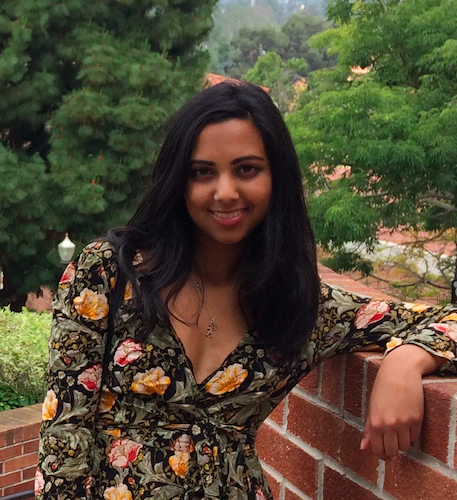
Tia Azimioara interest in live sound engineering began while studying the clarinet at the Orange County High School of the Arts, where she took a class on music technology. She would go on to double major in Anthropology and Classics at Lawrence University while working as a sound tech. She googled and youtubed her way through shows and concerts. She fell in love with the fast-paced, trial by fire world of live production. After graduating she began working any live events that she could. After two years she has completely fallen in love with her varied and fast-paced life; today you can find her doing anything from slinging deck at a concert venue in Doc Martens, to working as in IT specialist for a corporate event in a suit. She is not sure what the future holds, but would like to use her training in anthropology to help make the industry more inclusive for everyone. 


Letter for Trades and Manufacturers

Use this template or edit it to your liking to send to trade magazines, manufactuerers, and companies in the audio industry.

To Whom It May Concern,

I am writing to you to bring attention to your advertising campaigns that continually feature male engineers. It is important to consider the lack of diversity in the music industry and professional audio. It is important to consider your entire customer base.

While women and other marginalized groups may currently make up a small segment of the people working in the industry, it is important to include them and make sure their experiences are reflected. The problem is not merely that women’s voices are absent, but that when they are present, they serve to further reinforce stereotypes and traditional gender roles. We continue to see women represented in this industry with headlines such as “What is it like being a female engineer?” “Women’s Hearing is Better – So Why aren’t there more Women Audio Engineers?” and “Where are all the Women?” We want to move past this and see female, male, and non-binary engineers featured equally.

Ebonie Smith wrote an outstanding article that moves the conversation past this “Why Are Female Music Producers Everywhere, Yet So Invisible? “. Merely questioning the state of gender-based inequality in the audio world fails to acknowledge the women who are accomplishing so much and fails to offer real solutions to achieving balance. As we continue this conversation around women in the audio and music industry, we have to do a better job of spotlighting the community of women who are EVERYWHERE and to do everything we can to grow that community today and in the years ahead.”

You Can’t Be What You Can’t See. Women need role models and need to see themselves reflected in all aspects of the industry in order to succeed. Women do not see themselves featured equally, if at all, in the trade magazines, in panels at conferences or in advertisements. Digico ran a fantastic ad campaign called Excellence Exposed, which featured a diverse group of women engineers both in terms of their ethnic backgrounds and musical genres.

Please consider your role in helping our industry achieve equality by representing your entire readership in your advertising and interviewing them for video, blogs, and features. If you need help finding women and other marginalized groups of people, SoundGirls features a monthly Feature Profile of Women in Audio and The EQL Directory A Directory of Women in Professional Audio and Production.

Sincerely,


SoundGirls – Vancouver Chapter One Year Anniversary Party

We invite you to our Vancouver SoundGirls Chapter One Year Anniversary Party and Annual General Meeting

We will be hosting our first Annual General Meeting. It will be an open floor for any suggestions about the direction of this group. We’ve been operating as a volunteer collective of peers’ supporting peers in pursuits of audio excellence. We’ve organized panels, workshops, job shadowing, mentorships, field trips, and job placements.

Let’s celebrate our progress. Last year, we knew of only four SoundGirls in the area. We’ve now grown to over 60.

Date: Sunday, June 10, 2018

Time:

Location:

Entry: FREE

All Ages – Minors are allowed under parental supervision until 10:30 pm

Our philosophies are based on intersectional feminism. All are welcomed.

SoundGirls Vancouver Chapter was established in 2017 with four co-directors, Swann Barrat, Alexis Douglas, Marian Greksa and Michelle Siu.

SoundGirls was established in 2013 – by Karrie Keyes and Michelle Sabolchick Pettinato To learn more visit SoundGirls.Org

We acknowledge that this event is happening on the occupied, traditional, ancestral, and unceded territories of the Coast Salish peoples – specifically the Sḵwx̱wú7mesh (Squamish), sel̓íl̓witulh (Tsleil-Waututh), and xʷməθkʷəy̓əm (Musqueam) nations.

Contact Us: soundgirls@soundgirls.org

Upload Your Technical Resume Here:


District of Screen Composers

Empowering Women & Youth in Music Film Composing

One of the most important components of a film is the musical score. It sets the pace and emotion of the story, engaging the viewer to identify with each character. Composing the soundtrack requires the director to write and arrange music that pairs perfectly with the film, utilizing flawless performances by instrumental ensembles, choruses, or musicians. Being a woman composer in a field dominated by men adds to the challenge, something that 22-year-old Romanian composer Ioana Selaru knows all too well.

Ioana Selaru was born in Galati, Eastern Romania where she studied music at an early age. She is an accomplished violinist of over 12 years and has grown up surrounded by music, art, and literature. Her love for composing music sparked the idea to create DISC – District of Screen Composers, a cultural and educational enterprise centering on the music field, consisting of talented and ambitious young musicians, with the common purpose of creating, adapting, and mastering a wide variety of audio products.

Her main goal with DISC is to become a household name on the audio-cultural market, all the while making a positive impact on the local youth through workshops, projects and collaborations. At the same time, initiate and take part in various cultural programs aiming to bring added value to the community.

But, as a female entrepreneur, Ioana faces many obstacles running a successful business in a field dominated by men.  She is motivated by her love for film composing and recognizing that the film industry is very poorly developed in Romania. Ioana states there is currently no community to support ideas like hers in her country that encourages young composers, especially women. She wants to be a part of that change, just like Soundgirls is.

We interviewed Ioana Selaru to learn more about this phenomenal woman on how she came into this industry, and what DISC is doing to increase awareness of women in the music film composing industry.

Myki Angeline: Where is DISC located, when was it established, and how can anyone take part in your workshops and projects?

Ioana Selaru:  DISC, District of Screen Composers, is a music studio located in the heart of Bucharest, Romania’s capital city, is a cultural hub called Manasia. The studio was established three years ago, in 2015, but with another vision and under a different name. The studio is open to anyone who is interested in our activities, and any student or young music enthusiast, willing to be part of the music field, can take part in our cultural programs aiming to bring value to the community.

Myki Angeline: What is your background in music and knowledge, and how is this incorporated into DISC?

Ioana Selaru:   Much of my passion for art comes from the environment I grew up in. My father was a musician in his youth, a guitarist in a rock music band, and my siblings studied architecture, painting, and literature. My passion for composing music has emerged in the final years of high school when I started creating my own arrangements for a band. Then I saw the movie “American Beauty” and listened to the soundtrack composed by Thomas Newman. It was the first time film music really drew my attention in a meaningful way because I was simply absorbed by the perfect blend between music and story. Being trained in a classical way from a very young age is a factor that is easily recognizable in my own compositions. From the way, I build my melody, to harmony and orchestration. I like to integrate the sound of violin in almost any creation. Regardless of whether it is a plucked string, making a percussive sound with the bow or with the body of the instrument.

Myki Angeline: Have you encountered any hurdles as a woman in your industry? If so, what have you done to overcome them?

Ioana Selaru:   I was lucky enough not to have experienced blatant sexism directly. I think prejudice is everywhere, all around the world. Many people, I think, are still not used to the idea of seeing a woman in a leading role. Inappropriate comments are just a sign of insecurity. It is quite clear that there are more men than women working in the film industry, but that does not mean that women are not interested in this kind of job. Every time I am faced with a similar situation I try not to show that I am affected and treat it as a normal work problem. Apart from the above, my male colleagues have been very respectful and supportive.

Myki Angeline: Do you have any upcoming films to be released, or upcoming projects for others to become a part of to share with our readers?

Ioana Selaru:  Apart from my composing work and efforts to develop productive professional relationships, I am investing a good amount of time into organising events that combine visual art with music.  On May 19, the works of three young graphic artists will be accompanied by live ambient music created by us. We will also be interacting with guests and presenting the studio and the artists’ activities in a laid-back atmosphere. There are several future projects, so it is best for readers to follow us on Facebook, Soundcloud, and Instagram.

Myki Angeline: What advice do you have for those choosing to pursue a career in film score composing?

Ioana Selaru:   My advice would be simple: to get out of their comfort zone and experiment. As an artist, it’s important to find your own style and draw inspiration from other people, but what leads to being a real artist is experimenting and developing productive relationships.

Follow DISC on Facebook, Soundcloud, Instagram, and Vimeo.

Follow Iona Selaru on Facebook and Soundcloud


What is in my toolkit?

There is one thing every engineer should have, and that is a toolkit. It does not have to be a full box of random tools, but just a little kit with handy tools and necessities for you to carry with you in your bag. I have recently upgraded mine with tools and things that I use the most. For me, it is also important to keep my kit compact and only with things that I really need. Every toolkit should be customised to your own needs!

Tape – Electrical tape, gaffer tape & masking tape – you name it. Should live in your bag always.

Drum keys – I am not a drummer, but I always carry drum keys in case a drummer have forgotten theirs. Tuned drums sound better and makes your mixing a hell of a lot easier!

Hex key (Allen Key) – In all the different sizes, good for drum pedals, DJ speaker stands, etc.

Lighter – I am not a smoker but always have lighters with me in case an Apocalypse is around the corner. Seriously though, I’m sure one day I’ll think that I need one and then I will. Better be safe than sorry!

Flashlight – For tight and dark spaces, though most smartphones nowadays have a built-in flashlight, it is always handy to have one in case you need to use your phone for something else.

Adapters – All kinds of adapters – Jack adapters, XLR adapters, RCA adapters – they are always needed and the more, the merrier (because they do tend to disappear).

Multi-tool – If I could only bring one thing with me to a deserted island (or gig) it is the multi-tool for multi-purposes.

Cable cutter & cable stripper – Whenever you need to repair a cable, a cable cutter & stripper will save you a lot of time rather than using scissors.

Sharpies & Pens – For labeling, buy a multi-pack of sharpies and always have loads with you. As with the adapters, the sharpies tend to grow legs and walk away!

Measuring tape – So handy for the odd jobs. I have had to measure stages, workspaces, desks, pianos, etc.

Batteries – Always good to have extra batteries especially AAs & AAAs.

USB sticks – For backing up session files. Have some tracks on it for testing CDJ’s or good for recording stereo tracks on digital desks!

Earplugs – Invest in a good pair of earplugs, trust me it is worth it. Mine are custom-fit from RealAudio, but there is plenty of companies making custom-made ones in all price ranges. Always have some spare disposable foam earplugs though for an emergency, in case you forget your good ones or if anyone in your surrounding needs a pair.

Headphones – If you can afford to get a good pair of IEM’s that is great, but if you cannot afford it just any pair will do, trust me, a pair of shit headphones are better than none!

Super glue – Seriously good to have when needing to fix and hold together something quickly.

I fit more or less all of these things into a medium makeup bag that I bought from Primark (In the U.S I think the equivalent is Walmart) as I wanted something compact that I could have with me anywhere I go.

Another good thing to have at work or home is a soldering iron to repair cables. We live in such a wasteful society and repairing XLR’s, and Jack cables are so easy to do yourself! If you are unsure of how to solder cables, ask for help!

If you have a Smartphone there is also a few good apps to have downloaded on your phone:

Sound meter – To measure dB, not always the most accurate but if you do not have a real dB measurer, a sound meter app will at least give you some idea of how loud it is.

Laser, Clinometer & Bubble level – 3 in 1 app, good to have if you do not have the real deal. Again, it is perhaps not the most accurate but better than none!

Google translate – If you are working abroad or communicating with someone who may not speak your language fluently Google translate is the one to help you out on the go! There is no reason for things not to be communicated properly when we are so lucky to have such a great tool to help!

I am sure my toolkit will continue to grow, but for now, it has got everything that I need on a daily basis.

It will save you so much time to invest in the tools you need the most. You will not have to ask around for it when you need them, and you will know how to use them correctly.

How is your toolkit looking, is it up to date?


Consideraciones para realizar un diseño de refuerzo Sonoro.

Que es el diseño de refuerzo sonoro? Reproducción del sonido en una determinada área de audiencia mediante medios artificiales, que tienen como finalidad realizar una amplificación del sonido para obtener un nivel de presión sonora homogéneo (se consideran aceptables las diferencias de +-6dB) en todos los puntos del recinto a sonorizar, además de asegurarle la inteligibilidad del mensaje a cada uno de los escuchas.

A continuación, mencionaremos algunas consideraciones a tener en cuenta para el diseño de refuerzo sonoro:

1) Consideraciones acústicas previas. Se deberá realizar un análisis de diferentes parámetros, tales como: Tiempo de Reverberación(RT60), inteligibilidad, Definición (D), Claridad de la voz (C80), RASTI, %ALcons.

PARÁMETRO ACÚSTICO VALOR RECOMENDADO
Tiempo de reverberación medio (500 Hz – 1 kHz), sala llena 0,7 ≤ RTmid ≤ 1,2 s
Claridad de la voz C50(“ speech average), sala llena C50 > 2 dB
Definición D (de 125 Hz a 4 kHz), sala ocupada D > 0,50
Relación primeras reflexiones ERR, sala vacía u ocupada 2 ≤ ERR ≤ 6
STI/RASTI, sala ocupada STI/RASTI ≥ 0,65


TIPO DE RECINTO REVERBERACION (s)
Cine 0.4 s
Salón de Clases 0.6 s
Teatro y Música Auto amplificada 1.0 s
Sinfónica 2.2 s
Iglesias 3.0 s

2) Debemos preguntarnos qué tipo de recinto vamos a sonorizar


3) Solicitud de planos del reciento a diseñar.  En este punto se recomienda tener medidas del lugar por medio de un scouting al recinto; se deberán solicitar planos en AutoCAD, tanto en vistas en 3D, 2D, plantas y cortes del recinto, para poder realizar un análisis exhaustivo. Asimismo, debemos recordar que este diseño se llevará a cabo en la práctica, por lo que no debemos olvidar hacernos diferentes preguntas que nos permitan determinar el alcance adecuado del proyecto: ¿que se espera de este diseño de refuerzo sonoro por parte del solicitante?, ¿existe alguna obstrucción visual posible?, ¿existe limitación en cuanto a peso del equipo?, ¿es un espacio abierto o cerrado? a nivel subjetivo ¿que se busca o que se espera?, ¿qué tipo de sistema se solicita: arreglo lineal o sistema convencional?, todo esto encaminado a determinar el alcance adecuado del proyecto.


4) Análisis de cobertura.  Se aplicarán y comprobarán diferentes técnicas de diseño apoyándonos de un software de predicción, tal como MAPPXT el cual se utiliza para medir y cuantificar parámetros. En este punto debemos ser capaces de resolver problemas de interacción entre altavoces, selección de nivel de presión sonora adecuado, análisis de la respuesta en frecuencia y fase en diferentes puntos del recinto, cobertura vertical, horizontal, ubicación de altavoces, ángulo de inclinación y peso de altavoces, distribución de señales para un adecuado ajuste del sistema buscando así una cobertura homogénea en todos los escuchas por igual. Asimismo, debemos aplicar parámetros de referencia o normas existentes según el tipo de aplicación; por ejemplo: en cines con formato de reproducción ATMOS existen normativas por parte de Dolby que ofrecen especificaciones a cumplir referentes a nivel de presión sonora, altavoces en pantalla, posición de altavoces, niveles de presión sonora en la zona de baja frecuencia, entre otros. En recintos deportivos existen normativas que ofrece la FIFA como guía para realizar un diseño. De igual forma, se deberá realizar el análisis de qué tipo de sistemas serán necesarios con base a las necesidades de cobertura de los altavoces: sistema principal, sistema frontal, sistema bajo balcón, sistema de retraso, sistema lateral, sistema de baja frecuencia, sistema multicanal 5.1, 7.1, por mencionar algunos. Al finalizar dicho análisis se genera una memoria de diseño del mismo.


5) Supervisión de montaje.  Una vez que se terminó la etapa anterior, lo más importante que se debe considerar y no debemos olvidar es que ese diseño se llevará a cabo en la práctica, por lo que debemos asegurarnos que el diseño se lleve a cabo tal como se planteó. En ese momento debemos contar con las herramientas adecuadas para poder supervisar dicho montaje, tal como inclinómetro, láser, cintas métricas y memoria de montaje.


Gabriella Galán Mendicuti estudió audio estudios como ingeniera de telecomunicaciones con especialización en audio y video en la Universidad Politécnica de Madrid. Ella ha estado involucrada en audio profesional durante los últimos 12 años con un énfasis especial en el diseño de refuerzo de sonido. Actualmente trabaja en Meyer Sound México como Especialista en Servicios de Diseño para México y América Latina. Ha participado en varios diseños de refuerzo de sonido de los lugares más importantes en varios países, como teatros, iglesias, espectáculos en vivo, eventos especiales y lugares.


Considerations for a Sound Reinforcement Design.

What is the sound reinforcement design? Reproduction of the sound in a certain audience area by artificial means, which have the purpose of amplifying the sound to obtain a homogeneous sound pressure level (the differences of + -6dB are considered acceptable) in all the points of the room to sound, in addition to ensuring the intelligibility of the message to each of the listeners.

We will outline some considerations to take into account for the sound reinforcement design


ACOUSTIC PARAMETER RECOMMENDED VALUE
Average reverberation time (500 Hz – 1 kHz), full room

Average reverberation time (500 Hz – 1 kHz), full room

0,7 ≤ RTmid ≤ 1,2 s

0,7 ≤ RTmid ≤ 1,2 s

Clarity of the voice C50 (“speech average), full room C50 > 2 dB
Definition D (from 125 Hz to 4 kHz), occupied room D > 0,50

D > 0,50

Relationship first reflections ERR, empty or occupied room 2 ≤ ERR ≤ 6
STI / RASTI, occupied room STI/RASTI ≥ 0,65


ENCLOSURE DESING REVERBERATION   (s)
Cinema 0.4 s

.4 s

Classroom 0.6 s
Theater and Music  autoamplified 1.0 s
Symphonic 2.2 s
Churches 3.0 s


3) Request for drawings of the design to be designed. At this point it is recommended to have measurements of the place by means of a scouting to the enclosure; Plans must be requested in AutoCAD, both in 3D, 2D, plant, and court views, in order to carry out a thorough analysis. Likewise, we must remember that this design will be carried out in practice, so we must not forget to ask ourselves different questions that allow us to determine the adequate scope of the project: what is expected from this sound reinforcement design by the applicant? Is there any possible visual obstruction? Is there a limitation regarding the weight of the equipment? Is it an open or closed space? At a subjective level, what is being sought or what is expected? What kind of system is requested: the linear arrangement or conventional system? All this aimed at determining the adequate scope of the project.

4) Coverage analysis. Different design techniques will be applied and tested, supported by a prediction software, such as MAPPXT, which is used to measure and quantify parameters. At this point we must be able to solve problems of interaction between speakers, selection of adequate sound pressure level, analysis of frequency response and phase at different points of the enclosure, vertical, horizontal coverage, location of speakers, angle of inclination and weight of loudspeakers, distribution of signals for an adequate adjustment of the system looking for a homogenous coverage in all listeners alike. Likewise, we must apply reference parameters or existing standards according to the type of application; for example: in cinemas with ATMOS playback format there are regulations by Dolby that offer specifications to be met regarding sound pressure level, on-screen speakers, speaker position, sound pressure levels in the low-frequency area, among others. In sports venues, there are regulations that FIFA offers as a guide to design. Likewise, the analysis of what kind of systems will be needed based on the speaker coverage needs must be carried out: main system, front system, balcony system, delay system, lateral system, low-frequency system, system multi-channel 5.1, 7.1, to mention a few. At the end of this analysis, a design memory is generated.


5) Assembly supervision. Once the previous stage is finished, the most important thing that should be considered and we must not forget is that this design will be carried out in practice, so we must ensure that the design is carried out as it was proposed. At that time we must have the right tools to monitor such assemblies, such as inclinometer, laser, tape measures and mounting memory.


Gabriella Galán Mendicuti studied audio studies as a telecommunications engineer with a specialization in audio and video at the Polytechnic University of Madrid. She has been involved in professional audio for last 12 years with a special emphasis on sound reinforcement design. She currently works at Meyer Sound Mexico as a Design Services Specialist Tech Support for Mexico and Latin America. She has participated in various sound reinforcement designs of the most important venues in various countries, such as theaters, churches, live shows, special events, and venues.


Missed this Week’s Top Stories? Read our Quick Round-up!

It’s easy to miss the SoundGirls news and blogs, so we have put together a round-up of the blogs, articles, and news from the past week. You can keep up to date and read more at SoundGirls.org

May Feature Profile

Daniela Seggewiss – Time Flies When You Are Doing What You Love

The Blogs

What’s Your Plan B?

Mix With the Masters Experience

The Sound of Cinematic Femininity


SoundGirls News

https://soundgirls.org/scholarships-18/

Line Check! Experience Sound Check a Grammy Nominated R&B/Pop Artist

Accepting Applications for Ladybug Music Festival

Representation on Panels – Music Expo – Boston

Philadelphia SoundGirls Chapter May Meeting – May 19th

SoundGirls Productions Meet & Greet

https://soundgirls.org/event/orlando-soundgirls-chapter-social-2/?instance_id=1273

Amsterdam SoundGirls Tour & Social

SoundGirls London Chapter Social – June 17

https://soundgirls.org/event/glasgow-soundgirls-meet-greet/?instance_id=1272

NYC – Location Sound Mixing Opportuntity

Shadowing Opportunities – Berlin

Shadowing Opportunities

Telefunken Tour & Workshop

Round Up From the Internet

https://www.themarysue.com/support-ladies-get-paid/


SoundGirls Resources

Directory of Women in Professional Audio and Production

This directory provides a listing of women in disciplines industry-wide for networking and hiring. It’s free – add your name, upload your resume, and share with your colleagues across the industry.


Women-Owned Businesses

Member Benefits

Events

Sexual Harassment

https://soundgirls.org/about-us/soundgirls-chapters/

Jobs and Internships

Women in the Professional Audio

X