Empowering the Next Generation of Women in Audio

Join Us

Music and Life-Long Friends

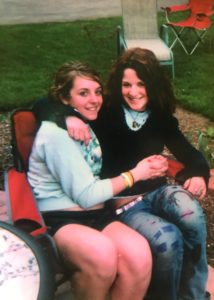
When I was a kid, I used to sing in the tubes on the playground with my friend Melly. We liked the way the plastic tunnel helped us hear our own voices. We’d lay head to head and play with our voices, intervals, vowels, lyrics, improvising harmonies for what seemed like hours.

We both played the guitar, our little 11-year-old hands barely reaching both E strings for our first position G chords. We wrote songs together in Melly’s bedroom, which she shared with her little sister and was covered in Spice Girls stickers. Her dad was a musician, a drummer and songwriter, and we sometimes listened to his recordings for inspiration. Melly had music in her blood.

We stood next to each other in the school choir. We were both in the alto section, but Melly’s range extended well into soprano. Together we learned Mozart’s “Lacrimosa” and Rogers and Hammerstein’s “Edelweiss”. After school, we’d take turns guessing the soprano part, so we could sing together in harmony.

In middle school, we started a band with three of our other friends called Magenta. We were essentially trying to be the new Spice Girls. Our “thing” was that we all wore magenta lipstick (even though none of us had ever actually worn makeup yet). Melly wrote a song for us called “The Stars Are White” which we rehearsed a few times before our schedules conflicted too much for us to keep going…I still sing “The Stars Are White” to myself sometimes.

In college, we took Electronic Music Production together and learned MIDI and audio signal flow. We learned C Sounds and how to create sounds using computer programming language. We learned Melodyne and the power of auto-tuning software. We learned how amazing it was to have a studio software at our fingertips—we could harmonize with our own voices now, and there was no limit to how many we could have at once! We could make beats with our mouths and a microphone. We could play any sound we wanted on a MIDI keyboard. Melly always created with a sense of ease and excitement that was electric to be around.

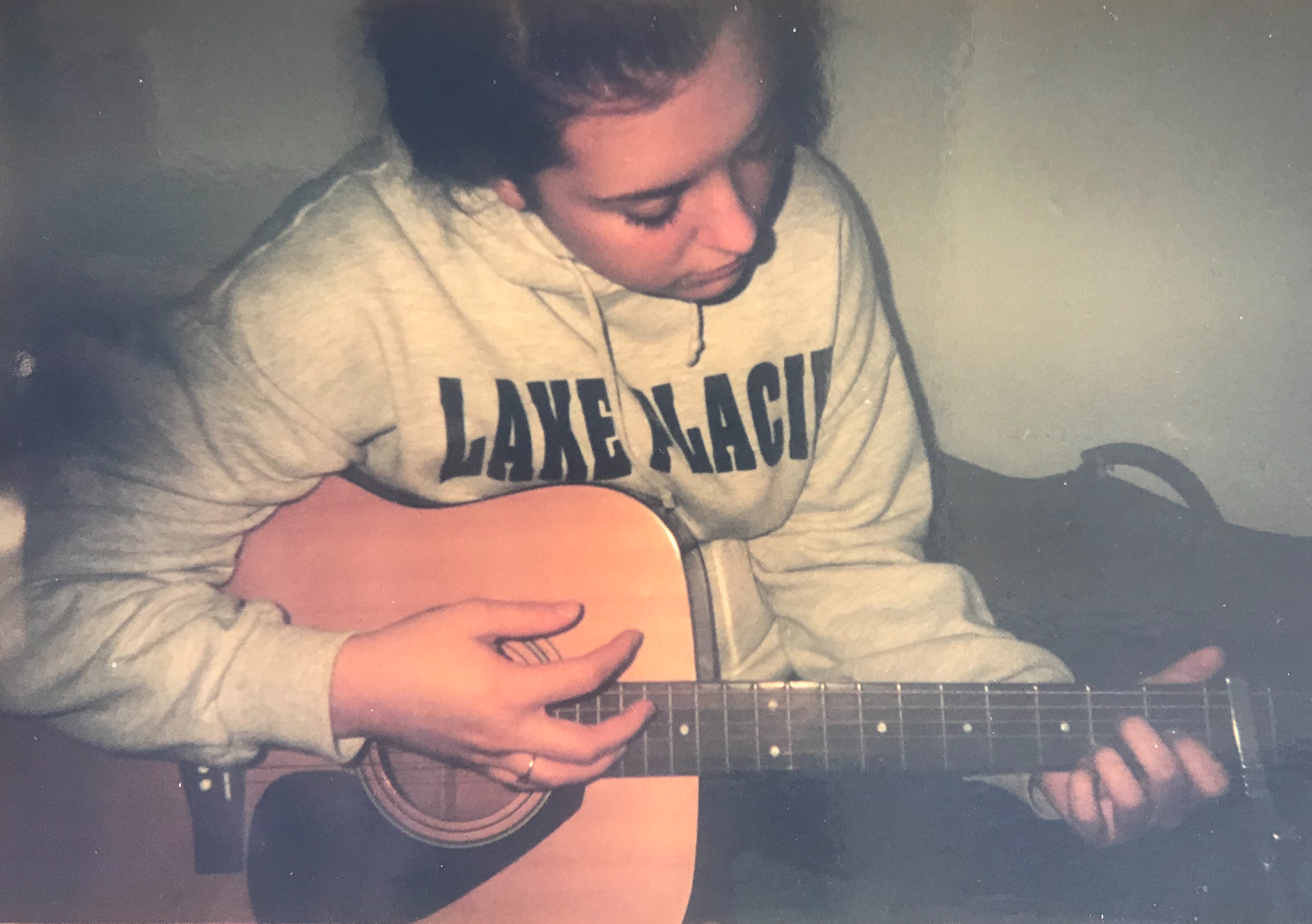
2006 – Melly playing with a capo

Melly transferred schools for the last two years of undergrad. The year we graduated, she got a job in Massachusetts and I found one in New York City. I played gigs on the side and took more music production classes. She got her master’s degree in social work. I moved to Los Angeles. She got engaged. The power went out in a thunderstorm at her August wedding and I sang her (and her whole wedding party) songs by candlelight underneath the gazebo.

She adopted a baby boy and for his first birthday, she and her family came to visit me in Los Angeles.

I picked them up from the airport and sang to the baby in the car. We arrived at my house after trekking through LA traffic, and it was time for his nap. We put his travel crib in my bedroom and closed the blinds. Everyone besides Melly and I was asleep, exhausted from a day of traveling. We crept upstairs to my home studio. “Show me what you’re working on!!” she said. I opened Ableton Live, which Melly had not used before. I explained the basic design of the software to her and we started a beat. Five minutes later she was recording vocals and harmony parts and we were discussing lyrics. Her teenage sister Lillian woke up from her nap and joined us in the studio to watch. She had never seen Melly The Musician before—she knew her as a sister, as a bride, as a mom. “This is incredible,” she said. “I didn’t know you could do this!”

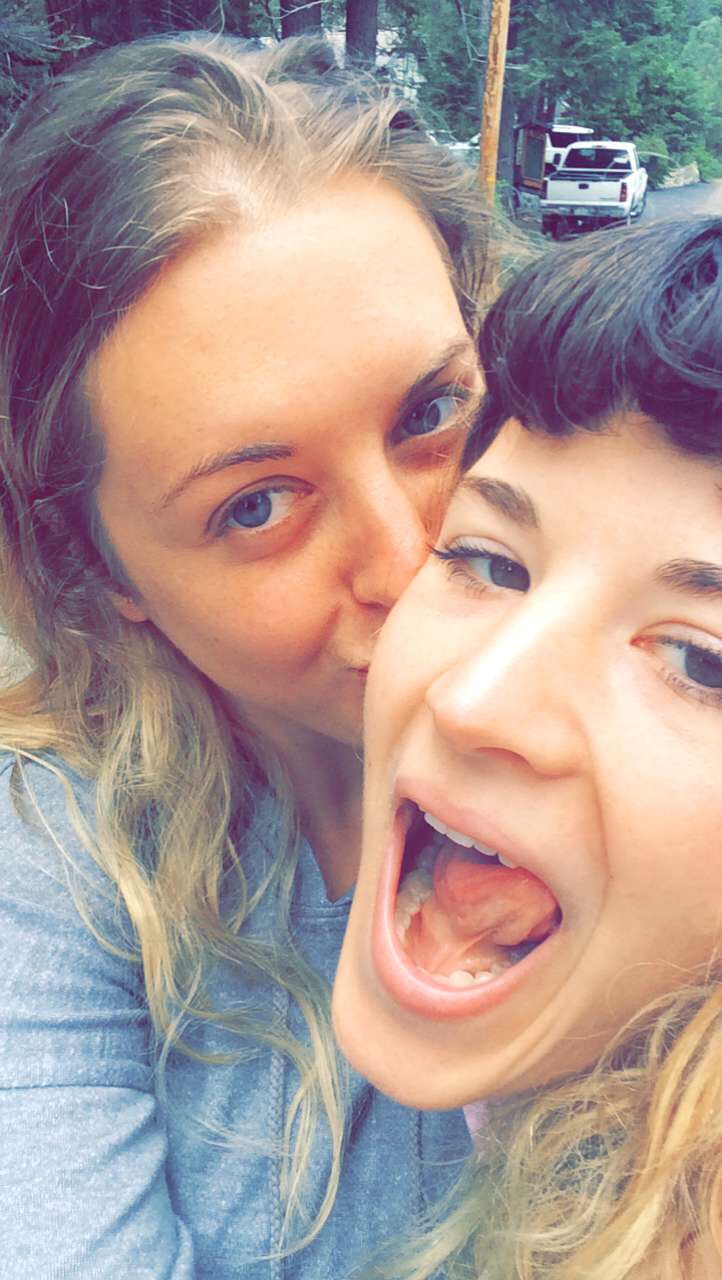
2017 – us together last year

“She’s a beast,” I said.

Melly was totally comfortable using Ableton. She played a bass part on my Push controller and quantized it. “This is SO much better than Digital Performer…” she said, referring to our pseudo-antiquated Electronic Production class in college. “Wow. I love making music.”

We kept playing for what seemed like hours like we had always done. Except this time we were in my studio, and her sister was watching us, and her baby was asleep in the next room. And yet it was just as it had always been. We were on the playground again, in the tube again, head to head, listening to our voices and making music together.


It’s Time to Stop Just Talking About It

In January 2017, I asked the readers of this blog how they were going to take action to support women in sound – what were they going to stand up for that year? I am more than a little ashamed to say that it’s taken me over a year to decide to take an active stand myself. But now that I have, I don’t plan to stop.

I am tired of talking about being a woman in sound. Please understand me: I am not tired of talking about my career in sound (far from it), and I am not tired of talking about other women in sound. I am irritated by only being asked to answer questions about how difficult it is to be a woman in the sound and music industries. I am frustrated by requests for a definitive answer on why there aren’t more women working in pro audio.

I am exhausted by the questions put to me by professional panels, organisations, and publications which are more interested in talking about the issue of the lack of women in sound, than taking action to do anything about it. I am tired of talking about the problem when I could be boosting the profile of women in the industry by talking about my career in sound.

It is no longer enough to acknowledge there is an issue. If I want change if we all want change – we have to take action and encourage the leaders in our industry to do the same.

A few days before International Women’s Day, I saw an opportunity to call out one of the major audio industry publications on the representation of women in their magazine.

Below is a transcript of the full Instagram conversation. The original can be found here

@soundswilde

Happy International Women’s Day, Sound on Sound. Let’s have a chat.

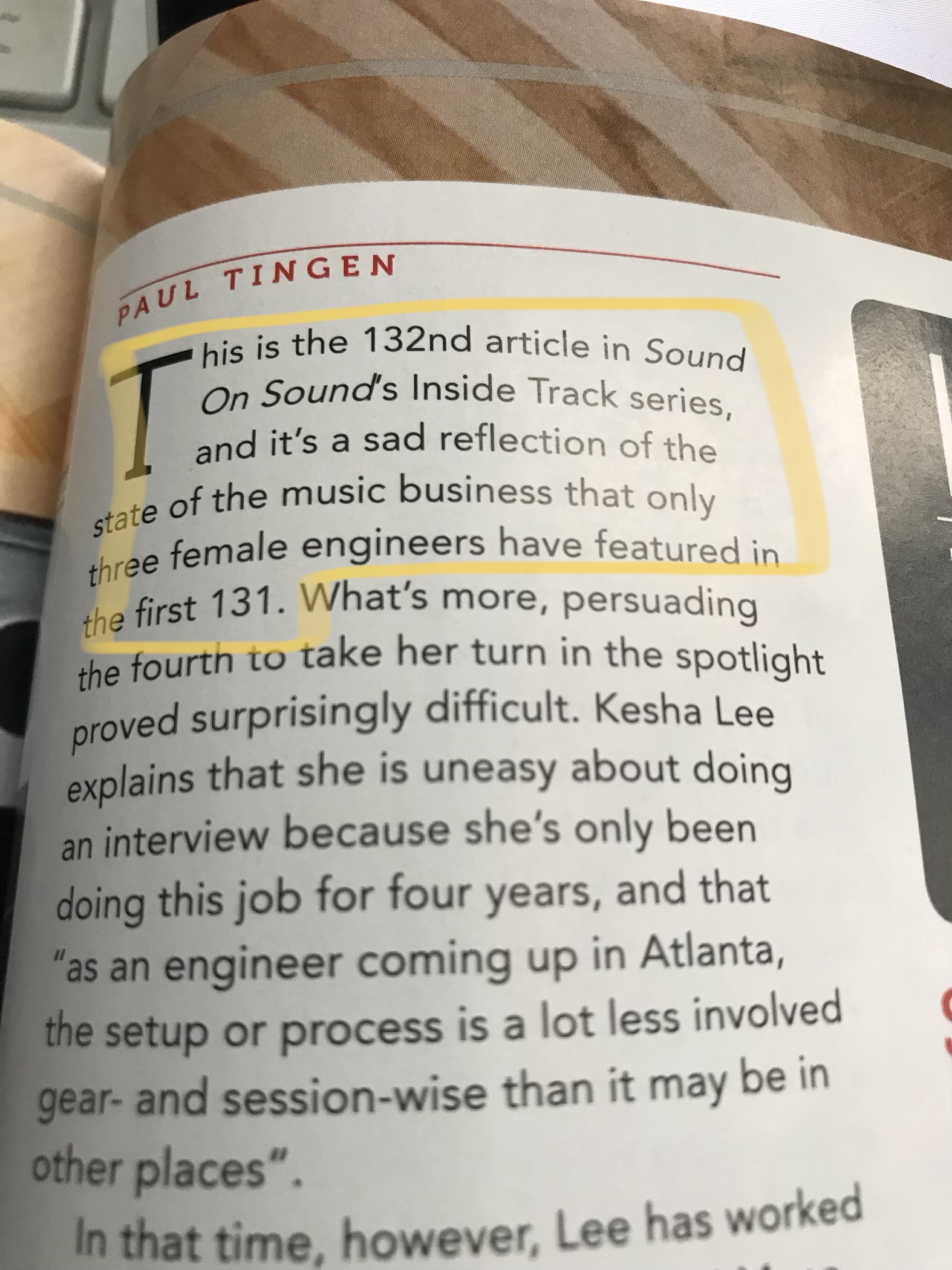
I was given a copy of the December 2017 issue of Sound on Sound at a conference last week and I was drawn to this statement in the Inside Track article about Kesha Lee “This is the 132nd article in Sound on Sound’s Inside Track series, and it’s a sad reflection of the state of the music business that only three female engineers have featured in the first 131”

You’re absolutely right; it is a sad reflection – not just on the state of the music business, but also on the organisations and publications that perpetuate gender imbalance and inequality in the music and audio industries. Which, by your own admission, includes Sound on Sound. You’re part of the problem.

The fact that fewer than 3% of the engineers featured in the Inside Track series have been female is pretty shocking in itself. On top of this is the reinforcement of the message that in order to work in the audio industry, you need to be male. Let’s take the December issue as an example.

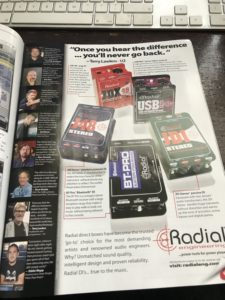
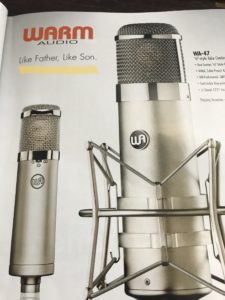
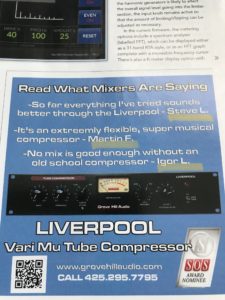
There are no female writers credited that I could see. Of the 18 ads which include pictures of people, only 1 has a woman at a mixing desk – and she’s a student with a male tutor. Of the 11 ads which include quotes, none of the quotes are attributed to a woman. Special shout out to Radial Engineering who included 8 pictures of 8 male engineers with a quote from each of them in their ad, and to Warm Audio for their tagline “like father, like son”. Way to be inclusive, fellas.

As a woman working in pro audio, I am often asked why gender imbalance persists in the audio industry. The short answer is that there is still a cultural and sociological bias that women don’t belong in technology. This manifests in the kind of non-inclusive imagery and marketing that you can see in the December 2017 issue of Sound on Sound. Put simply: you can’t be what you can’t see.

I’ve been training and working in pro audio for 18 years. There have been a lot of positive changes in the audio industry, for which I am grateful. We still have a long way to go if we want the 5% (the current representation of women in audio) to change to 50%. I want to work in a diverse, equal industry. I hope you do too. If you consider Sound on Sound to be an ally of women in the audio industry, then we need you to step up and do better. You’re in a position of power and privilege. You can use it to challenge bias among your advertisers, subscribers, and contributors and pro-actively support a more gender-equal industry. I hope you will.

Kirsty Gillmore – sound designer, sound engineer, European Co-Director of Soundgirls.org.

@soundonsoundmag:

Hi Kirsty, thanks for the thoughtful and thought-provoking points you make.

As regards advertising, SOS is only allowed to reject submitted advertisements for very specific reasons. Unfortunately, these reasons don’t include perpetuating gender imbalances within the industry. This isn’t a question of editorial policy but a matter of law, and one on which we have taken legal advice in the past. It is counterintuitive but is also, sadly, the current situation.

Regarding the authors who write for SOS, we are aware that bylines are overwhelmingly male, and we would really like for this to become less so. This is a reflection of the pitches we receive rather than any bias within the office. If you’d like to help us change this, then we’d love to hear from you or any female engineers interested in writing for us.

Your own writing is great, so do feel free to send some of your own article ideas over. We’re always on the lookout for new reviewers or people with interesting techniques to share. If you’re interested, drop an email to Ellen Glasper, our Production Editor (nell.glasper@soundonsound.com), and we can take the conversation from there.

Concerning the representation of female engineers and producers within SOS, this has always been a difficult thing to get right. Recent feedback has triggered a discussion in the office about how we can improve the representation of women in the magazine and in the industry in general, and we are open to suggestions about how best to do this. A lot of female engineers and producers have broken through in the past few years, which is great to see, and we hope to cover them in the near future if they’re willing. — The SOS Editorial Team

  1. Incidentally, we’ve received several article pitches over the years from people wanting to explain why women are so under-represented in the industry and suggesting what can be done about it. They were all written by men, and they all basically amounted to “women just aren’t naturally interested in this tech stuff.” They were awful, and we never printed them.@soundswilde

Thank you for your considered response, @soundonsoundmag. While I understand you have no legal recourse to change the content of advertising, you could issue a statement supporting diversity in sound, and encourage your advertisers to reflect this in their advertising with SOS. I also fail to see how including more women in the magazine is “difficult to get right”. You’re not even reflecting the current percentage of women in audio at the moment (5%) in most (if not all) issues, so (failing blatant sexism) it’s difficult to see how you could get it more wrong. Feature more women engineers. Feature more women producers. Feature more women studio owners. Particularly feature more WOC. It’s great that you’re discussing this, but discussion alone will not change gender inequality in the industry. 5 of the MPG awards this year went to women – there are 5 interviews with top industry achievers waiting right there.

Thank you for the offer to contribute. I am heartened that you welcome applications from female writers. I would be further heartened if you took action to go and find female writers, instead of passively leaving it up to them to find you. Have you approached any female tech writers directly? Have you reached out to the many women and feminist music and sound tech collectives, co-ops, and non-profits worldwide to ask if any of their members might be interested? There’s a comprehensive list of women and feminist sound & music tech collectives, co-ops, and non-profits. Have you actively encouraged women writers to apply with contribution ideas?

Regarding articles written by men claiming women “just don’t like tech,” I’m not that interested in your decision not to run articles that perpetuate gender bias – I would hope that you do this as a matter of course. I’m interested in the actions that you decide to take now and pledge to take in the future that will change gender inequality in our industry. You describe SOS as “the most respected music/audio magazine publishers globally.” Do you respect the female and non-male members of your readership and the global audio/music community enough to actively challenge bias in the industry, rather than simply noting that it exists?

Here’s a couple of suggestions: include the recent AES #HeForShe event in the news section of  SOS, if you haven’t decided to already. I believe you were in attendance. Take notes on what Ableton is doing on their website at the moment to increase the visibility of female artists and producers. (Note from the author: Ableton showcased exclusively female artists on their website for a limited period for IWD 2018)

I think (I hope) we’re in agreement that the gender bias in the audio/music industry needs to change. I repeat: you have a position of power and privilege in our industry.  Please use it to pro-actively support gender equality.

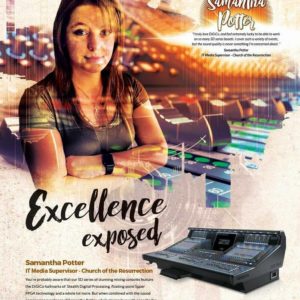
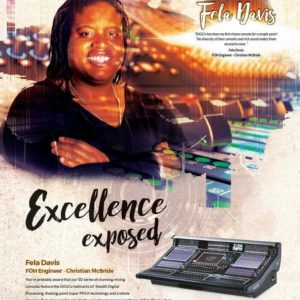
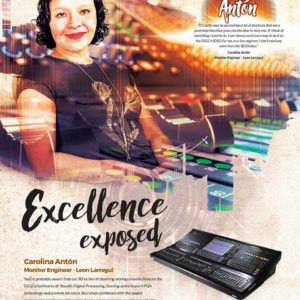
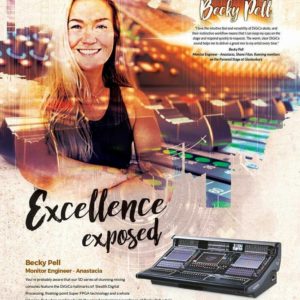
SoundGirls Note – Here is a fantastic ad campaign that DiGiCo ran last year.

Missed this Week’s Top Stories? Read our Quick Round-up!

It’s easy to miss the SoundGirls news and blogs, so we have put together a round-up of the blogs, articles, and news from the past week. You can keep up to date and read more at SoundGirls.org

March Feature Profile

Natalia Ramirez – Tuning her way into the music industry

The Blogs

Managing your Work Load

Inspiring the Next Generation of Audio Engineers


SoundGirls News

https://soundgirls.org/event/los-angeles-soundgirls-social/?instance_id=1256

The Studio Side with “JP ‘The Specialist’ Negrete”

Colorado SoundGirls – KCSU and Bohemian Foundation Venues

Los Angeles – DIY Artist Workshop

Slate Digital Workshop at Emerson College

Round Up From the Internet

150 Female Producers You Need to Know

Women In Sound: Rising Above Sexism


SoundGirls Resources

Directory of Women in Professional Audio and Production

Member Benefits

Events

Sexual Harassment

Managing your Work Load

Have you ever felt overwhelmed with how many things you need to do and there is just not enough hours in a day? Looking at next week hoping it will be an eight-day week rather than seven? Hands up, I am one of these people!

Learning how to say no to things have been a bloody hard journey for me. I think learning how to say no and prioritise yourself is something that applies to both full-timers and freelancers.

Personally, I love doing different things. Djing, producing music, scoring for short films, etc. It is incredibly hard for me to manage all the things I want to do at the same time as I am working full time. Do not get me wrong, I love my job, and I would not have anything different (Except for maybe an eight-day in the week), but sometimes I just do not have the time for it all!

Not only do I want to do these other music-related things, but I also want to see friends, have fun, and exercise as well! Being able to cook food at home, have a day off, and just do absolutely nothing. The list goes on.

The truth is, all of these things will not happen. At least not at once. And we need to learn to accept this. I have accepted that there are different things at different times and stages of life! Some weeks I will have time to exercise and time to cook proper food that will nourish me. Other weeks I will eat fast food for a week, and the thought of exercising is just not happening. And that is OK!

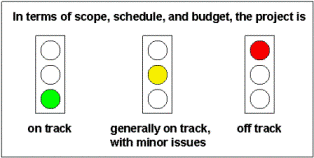
The only way to manage workload is to try and plan ahead. Try and stay on top of things, prioritise what is important, what can wait, and so on. At university, I was taught the traffic light model. Some of you might be familiar with it, some of you might not be.

With the traffic light model, you put things into categories:

Red is off track and urgent.

Yellow is not incredibly urgent and is relatively on track.

Green is on track and projects can wait.

When I was taught this in university, everything felt urgent & off track in my life.

I just could not let go of the idea that I needed to do everything and everything at once. But now a couple of years later I truly understand the importance of this and the importance of saying no or “this can wait” to not burn myself out.

There are things in life we need to deal with urgently, whether it is your personal life or work-related.  And we should deal with these things immediately! We might have gotten sidetracked, found the task boring or it just felt stressful to deal with it. But the longer we wait, the harder and more stressful it will be to deal with it. Ask for help if you need to.

I would say, look at your life as a DJ mixer. Just try to avoid going into the reds. There is nothing good happening there. Try and stay in the greens & yellows. Evaluate your life, where are you right now? Incorporate an admin hour or two in your day/week, so you can properly sit down and have a look at where things are at. When you take control of things in your life, you are less likely to feel overwhelmed, and you will make time for the essential things in your life. And the most important thing in your life should always be yourself and your well-being.


Inspiring the Next Generation of Audio Engineers

March is Music In Our Schools Month. This definitely has all of us here at SoundGirls reflecting on the musical foundations that brought us to a career in audio and music production. More specifically, the theme of Music in Our Schools Month 2018 is “Music Connects Us.” What better way to celebrate our mission to connect girls and women in our field to opportunities through shared resources and knowledge than to celebrate MIOSM!

One of the easiest ways to get involved in MIOSM is to share your own story. What inspired you to pursue a career in the music industry? What lessons have you learned along the way? Highlight your successes (and your failures) so that aspiring young women can learn from your experiences.

We interviewed Karrie Keyes, our Executive Director and Co-Founder, about her career trajectory. Hopefully the questions we asked will inspire you to share your own story!

What first got you interested in music?

I can’t remember a time when I wasn’t interested in music. I have always gravitated towards it. I was in orchestras and bands throughout school and knew that I wanted to make sure music was always a part of my life.

Why did you choose a career in music? Was your path straight or jagged?

I think all our paths are jagged or should be – That is where you learn, gain experience, and can truly find your passion. My path was jagged. I wanted to work in music, but was not sure how. So when opportunities were presented I jumped on them, not always sure where it they would lead.

I was never afraid to get my hands dirty. Starting at the bottom of the totem pole at Rat Sound, I signed up to load and unload our equipment trucks for every show I could! The hands-on time I got with the equipment was invaluable. It taught me all about the gear, how it works, and how to troubleshoot issues. You can’t become an expert in the field without putting in your time.

Is there someone you’ve been inspired by throughout your career?

I’m really inspired by artists that are also social justice advocates. I respect artists like Patti Smith, Jackson Browne, and Pearl Jam. It’s important to me that those who have a platform or a large audience use it to inspire change.

If you could choose the most important lesson you’ve learned as a woman in the music industry, what would it be?

Well, these are genderless lessons: Always listen and try to understand what my artists are really saying. This is a service industry, and the artists are my clients. I need to be in tune with what they want and anticipate what they need.

With regards to being a woman… Ignore the chatter!

but remember that

Women, espcially women of color, people of color, non-binary people. LGBTQ and other marginalized groups face unconscious bias (from both men and women) and are not given the same opportunities as men and white men. When given opportunities, they are not given the same opportunity to fail as men are, so we need to work twice as hard and be twice as good.

Inspired to share your own story, or interested in other ways you can get involved this month? Check out #MIOSM and #MusicConnectsUs on Twitter and Instagram to see how others are celebrating, or use our list below for some more ideas!

Hold an instrument & equipment drive for a local school. School music programs are often underfunded and providing extra instruments may mean that more students have the opportunity to participate!

Organize an open mic night in your neighborhood coffee shop and encourage student musicians to perform. Use a simple online event registration platform to promote your event and sell tickets.

Encourage an aspiring female audio engineer to register for a membership to SoundGirls. They’ll get full access to all of the resources on our site, will be able to participate in local meet-ups and tours organized or sponsored by SoundGirls and will receive exclusive discounts and perks from our friends in the industry. Our community of women in audio and sound are here to support and inspire each other. And best of all, it’s free!

Host a sound and music production career panel event at a local school. Tap your coworkers and industry connections and ask them to join you. Students will get the opportunity to learn from your experiences, ask questions, and start to make connections with people who work the jobs they aspire to hold one day!

We hope that Music In Our Schools Month will encourage you to share your stories and successes to empower future music professionals. Please comment below to let us know how you’re celebrating MIOSM, and share your stories on social using the hashtags #breakingtheglassfader and #MIOSM!

Los Angeles – DIY Artist Workshop


SoundGirls and A DIAMOND HEART PRODUCTION & FUEL HEART PRODUCTIONS PRESENTS DIY Artist Workshop. Sponsored by Independent Shakespeare Company


Vanessa Silberman is a national touring artist, producer, engineer and indie A&R and Carissa Johnson is a rock artist and graphic designer. They will share their knowledge in:

Vanessa and Carissa will cover the following in this extensive one day workshop


Writing / Pre Production

Recording / Releasing Music

Live Show

Marketing/Social Media (online & off)

Creating Content

Promotion

Booking/Touring

Imaging/Art/Branding

Press/Radio/industry Outreach


Missed this Week’s Top Stories? Read our Quick Round-up!

It’s easy to miss the SoundGirls news and blogs, so we have put together a round-up of the blogs, articles, and news from the past week. You can keep up to date and read more at SoundGirls.org

March Feature Profile

Natalia Ramirez – Tuning her way into the music industry

The Blogs


Festival Guide Part 1: Guest Engineer

Powering Through

Review of Daphne Oram’s An Individual Note


SoundGirls News

SoundGirls Members can receive a complimentary pass for Music Expo Miami – email us for code with your SoundGirls member ID
Music Expo Miami 2018
SAE Institute, 16051 W Dixie Hwy, Ste 200, North Miami Beach, Florida 33160
Saturday, March 24 10:30AM-5PM
What: Over 20 sessions covering songwriting, recording, mixing and mastering, business discussions covering artist branding, revenues, music showcase, beat battle and product demos.
musicexpo.co
Tickets: website: musicexpo.co/tickets
Facebook page: Fb.me/musicexposf
Facebook Event: https://www.facebook.com/events/1760156890981845/
Twitter: twitter.com/musicexposf
Instagram: instagram.com/musicexposf

SoundGirls Winter Newsletter

https://soundgirls.org/event/los-angeles-soundgirls-dinner-2/?instance_id=1255

iZotope Workshop at Emerson College

https://soundgirls.org/event/los-angeles-soundgirls-social/?instance_id=1256

The Studio Side with “JP ‘The Specialist’ Negrete”

Columbus Live Sound Workshop

Colorado SoundGirls – KCSU and Bohemian Foundation Venues

Slate Digital Workshop at Emerson College

https://soundgirls.org/event/tour-harmon-with-aes/?instance_id=1254

Round Up From the Internet

SoundGirls Resources

Member Benefits

Events

Sexual Harassment

Powering Through

For my March blog post, I’m going to answer two questions I was recently asked.

How do you manage performance while stressed/upset? Like today I played a show and I was really stressed all day, and I could really feel it when I was on stage. I was really still and didn’t move a lot and, I could feel it in my voice too. What do you do to kind of control that?

I’m really close with my parents but they’re a little bit unsupportive of my choice to go for music. My mom more than dad. So far I’ve gotten into all the colleges I applied for, and I also might be able to get a full ride to another school that used to be my top until I realized I didn’t like the programs there. My backup is either graphic design or entertainment management, both of which are at the college I want to go to. If I go to the school I want to go to, my friend and I are gonna get an apartment together and really work hard on building our band and putting ourselves out there.

I know at the end of the day it’s my decision but it’s difficult to discuss this with my family. All in all, I guess I know they just care and want the best for me and are coming from a good place. But it’s so difficult to face that, and it affects me a lot (especially performing). Did you have to deal with something like this?

I’m going to answer these questions together, as they are both about maintaining composure and performing well even under stress and sadness.

Yes. The late teens and early twenties are inherently chaotic times for most of us. The arts are scary to a lot of people for a lot of reasons, including issues of self-love, capitalism, and creative blockage. Often it seems easier for children of musicians to find their way into music, and I speculate as to whether this is a result of fewer barriers such as these.

As you say (and you are completely right), it’s your decision at the end of the day. If you can go to college for free and do not have another opportunity conflicting with college (e.g., an all-expenses-paid impending tour for your band), it is probably a smart choice to go to college. It’s hard to go to college for free in the US, and if you find yourself at a crossroads, you can always switch your area of study or leave altogether. At the end of the day, finding your path takes time and you will make mistakes. Period.

It sounds like the emotions or thoughts of people around you affect you strongly, and I think a lot of creative people have this trait. I definitely struggled (and still do) with navigating the feelings and thoughts of people around me, especially my loved ones. When I was in my preteens and teens, my biggest challenge as a performer was learning to stop worrying about what my audience thought of me and my songs. At this point, my audience was mostly my friends and family. I wrote a lot of songs about my parents, growing up in a small town, moving a lot (divorced family), and that sort of thing. People would cry, and give my parents the stink eye. I would be nervous to sing new songs that talked about this stuff, but I faced the fear and would do it anyway. I’m glad I did it, but it was not glamorous! It was terrifying and embarrassing, but also totally necessary.

Oddly, my parents never really confronted me about anything I said in my songs. In this sense, they were very respectful of my creative inclination. However, they were not able to provide me stability through high school, college, and after college. For me, these years were a hodgepodge of putting pieces together, and aside from my grandparents buying me a microphone for my birthday and my aunt paying for my college textbooks, every dime I spent was my own money. Any bit of space I’d previously been able to occupy in their homes all but dissolved as their own romantic relationships started to dissolve. I was stuck in the middle trying to figure out how to make my life happen. Both my parents felt awful and their home lives were coming apart at the seams. I felt terrible for them and wanted to help them, but also I just wanted someone to help me drive my stuff to my new apartment and walk it up the stairs, and maybe to help me put up curtains. Maybe eat dinner with me in my new apartment. I was barely 20 after all. With no one to do these things with, I did them by myself. It was sad, and exhausting, especially after it went on for years. Other family members would say things like “Well if you’re not feeling great, maybe try something else.” What they didn’t realize is that making music DID feel great; it was one of the ONLY things that felt great! But I was only able to do it after a 40 hour work week, after getting off the phone with a crying parent, after cooking and cleaning and paying all my bills, after dragging a desk up the stairs to my apartment by myself.

Really the thing that felt bad was getting through all of the chaos to put my life together in a way that allowed me to make music more often than not. I had to trust that this much was true.

It actually can get harder as you get a little older. Many, many well-meaning people will see your “musician lifestyle” as a lack of commitment to your own self-worth and life. Many will ask why you would do something that doesn’t pay very well, especially during the beginning years. I have lost count the number of times a well-meaning family member or friend has told me to “be ready to get a real job when the time comes.” The sting never lessens, but you indeed become less and less concerned with getting stung at all. So much of the life of an artist consists of stings. It’s part of the job. A lot of times, the discouraging family member is actually just worried about you. They don’t want you to go through all that pain and sadness.

At first glance, all this chaos may seem like something you should avoid. But, listen to other artists and musicians. Their stories always have chaos! They always have tough decisions. They always have shows where something is affecting their emotional state and they need to power through anyway. Channel all the bad stuff into your performance. Treat every performance as an opportunity to be your best performance ever. It’s a skill you must practice to get better at. Play lots and lots of shows and get feedback and keep challenging yourself. Work.

I have a joke I tell myself which is that “the life of an artist is a life of constant embarrassment.” No matter how successful you become, you will always need to take risks to make meaningful work. Taking a risk means there is a possibility you could fail. Furthermore, there will always be people who find a way to undermine you. There is always failure, there is always rejection, and there are always haters. There is always the fear that you may be misunderstood. Check out this interview with Janelle Monae where she talks about how she is afraid of rejection right now.

Every single person has their own struggle. It may not come early on—it may come later in a career. Regardless of when and what it is, it is meant to provide strength and wisdom.


Colorado SoundGirls – KCSU and Bohemian Foundation Venues

Join our Colorado SoundGirls Chapter for a tour of KCSU radio station at Colorado State University. SoundGirl Hannah Copeland (KCSU General Manager) will give us a tour of their operation there and tell us about station and audio facilities at CSU. Then we’ll pop over to the newly-renovated Washington’s – a 900-capacity venue with a brand new state-of-the-art lighting and sound system – and get a tour from Production Manager, Kevin Gregory.

This is a free event – but please register here

Fort Collins is about an hour north on I-25 from Denver. We’re hoping to get a crew to carpool from the Denver-Boulder area. Contact Anna Frick if you are interested in carpooling anna@airshowmastering.com


X