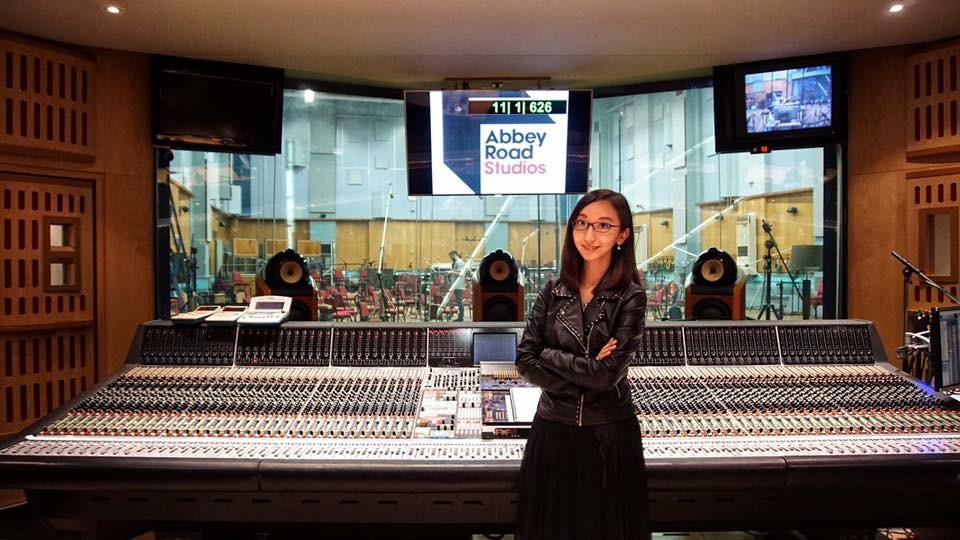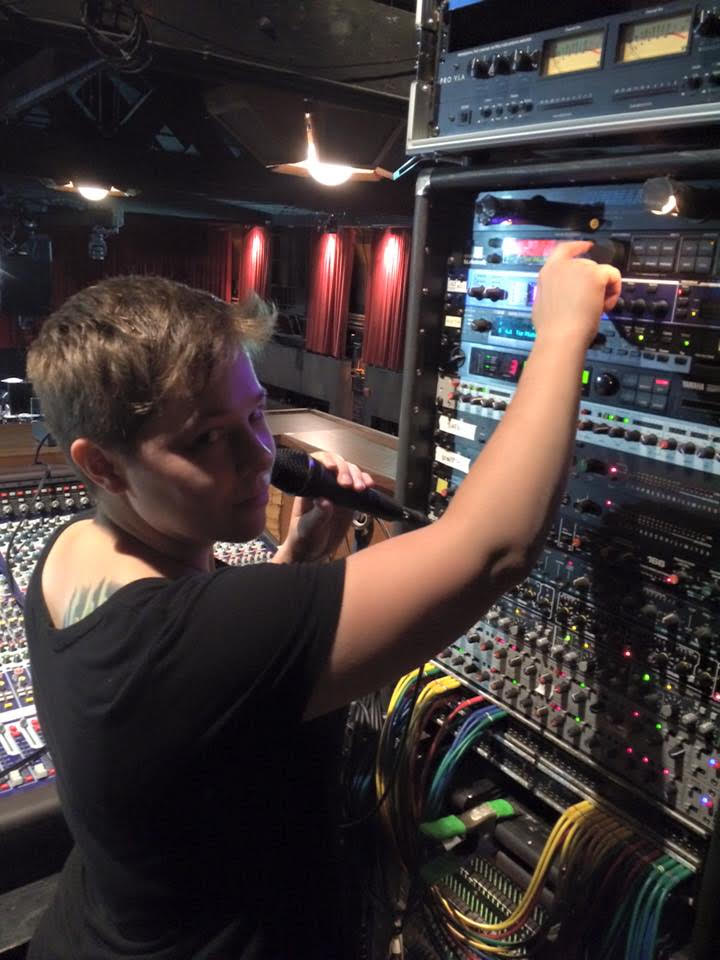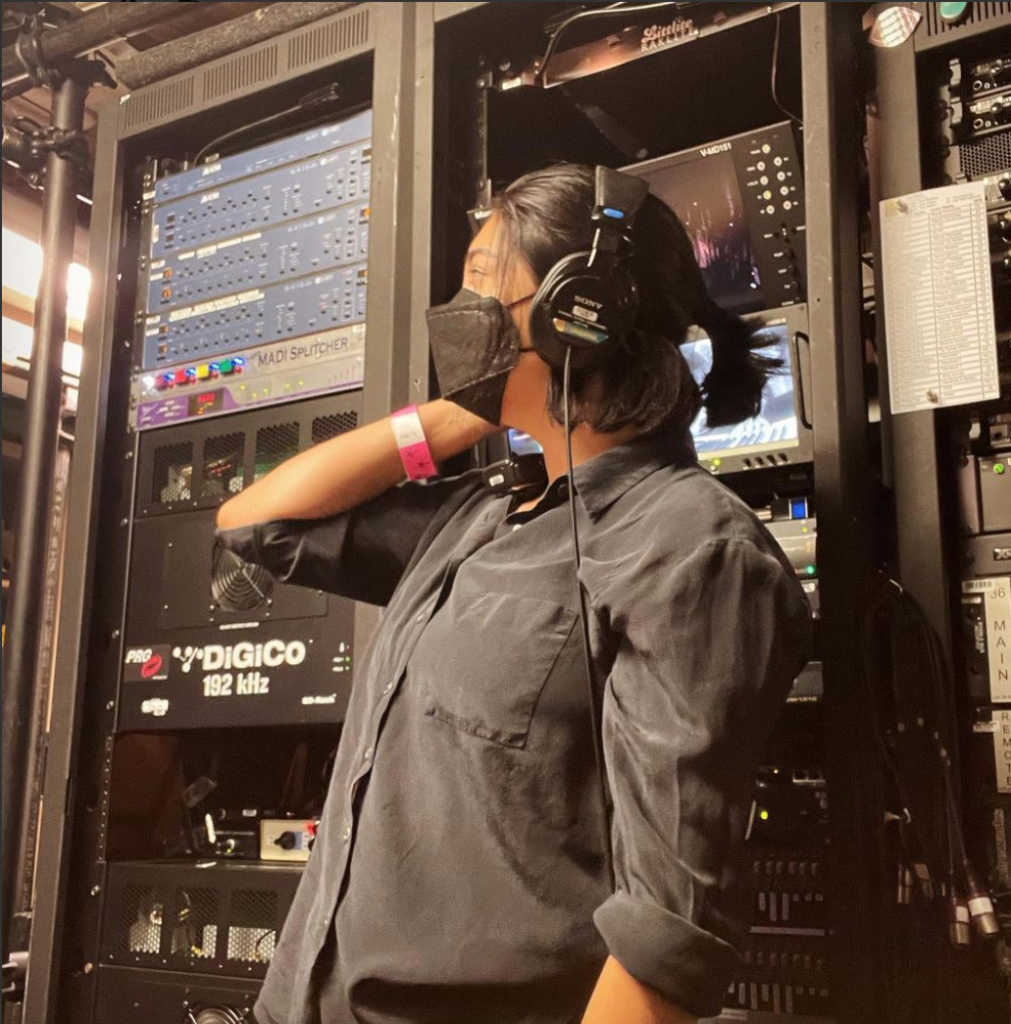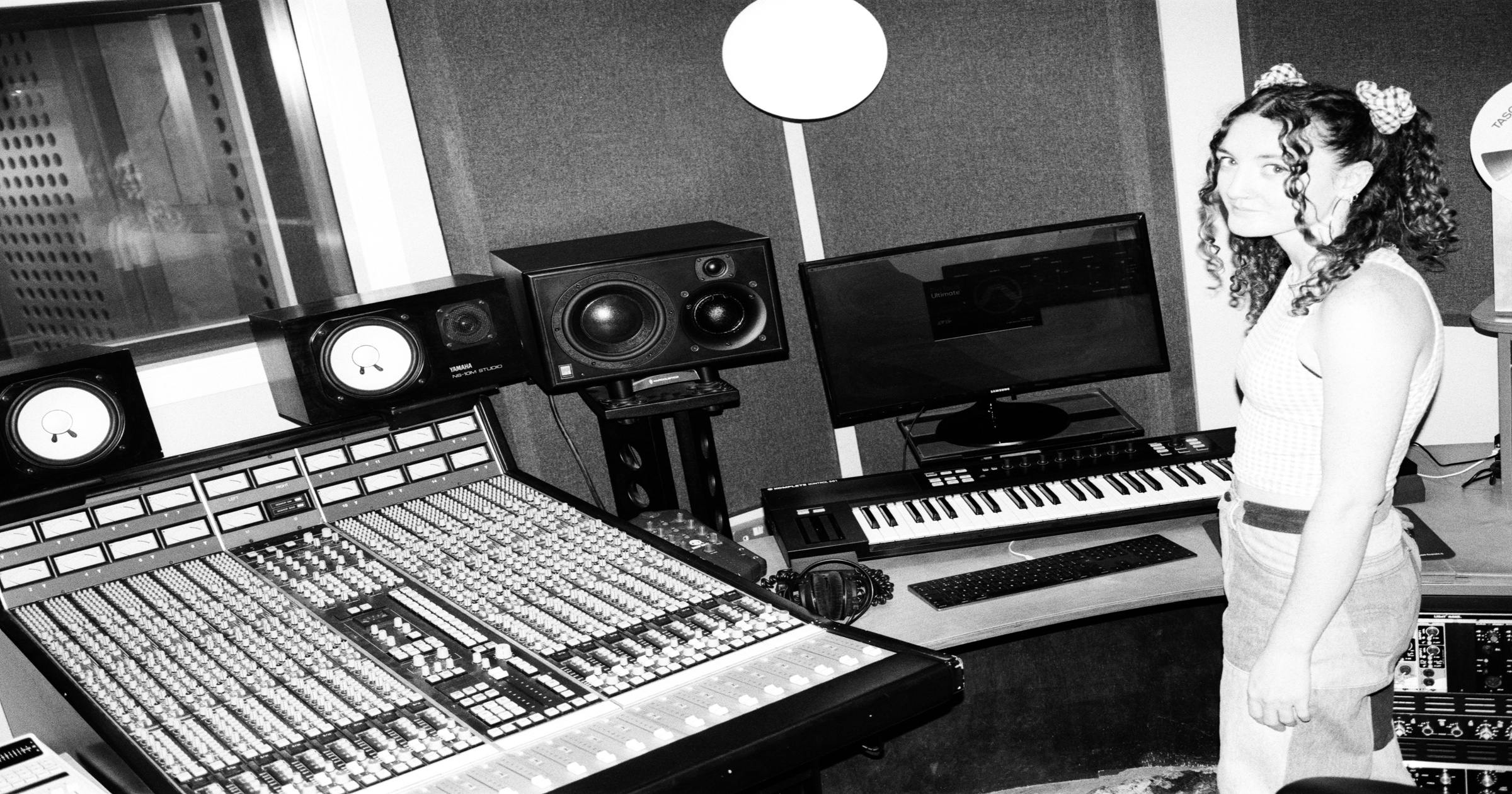
Evie Clark-Yospa is a London-based recording, mixing, and production engineer with over a decade of experience in audio. Currently working as an Engineer at Baltic Studios, where she has been part of the team for the past three years, Evie balances her studio work with independent projects, bringing a versatile and intuitive approach to every session.
Evie’s path into audio began at just 13 years old at a festival where her parents were part of the workshop crew. Friends running the sound tent invited her to help during band soundchecks, and she immediately knew she had found something special. The experience of watching live sound come together sparked what would become a lifelong passion.
Music was woven deeply into Evie’s upbringing within the traveller community. Her mum busked professionally and played in ceilidh bands, often bringing Evie along to performances. Her sister played Celtic harp, her father produced techno, and both grandmothers were multi-instrumentalists. Though she didn’t grow up with formal music lessons, she was surrounded by creativity and encouraged to experiment freely — an influence that still shapes her production style today.
Home-educated and largely raised off-grid, Evie initially entered the industry without fully recognizing the barriers that often exist. It wasn’t until she began working in professional studios that she became more aware of representation gaps within audio. However, strong mentors and supportive educators played a key role in reinforcing her sense of belonging and capability.
At 15, Evie traveled six hours a day to attend a music technology course at Coleg Sir Gâr in Wales — a formative experience that solidified her desire to pursue audio professionally. She later earned a BA (Hons) in Music Production from BIMM, where she developed her technical foundation. An internship at Premises Studios proved especially transformative, giving her hands-on experience and a clear vision of her future in the industry.
Today, Evie brings both technical expertise and a deep-rooted musical intuition to her work. Shaped by community, independence, and a lifelong immersion in sound, she approaches each project with curiosity, care, and a commitment to helping artists fully realize their vision.
Career Beginnings
How did you get your start in audio? –
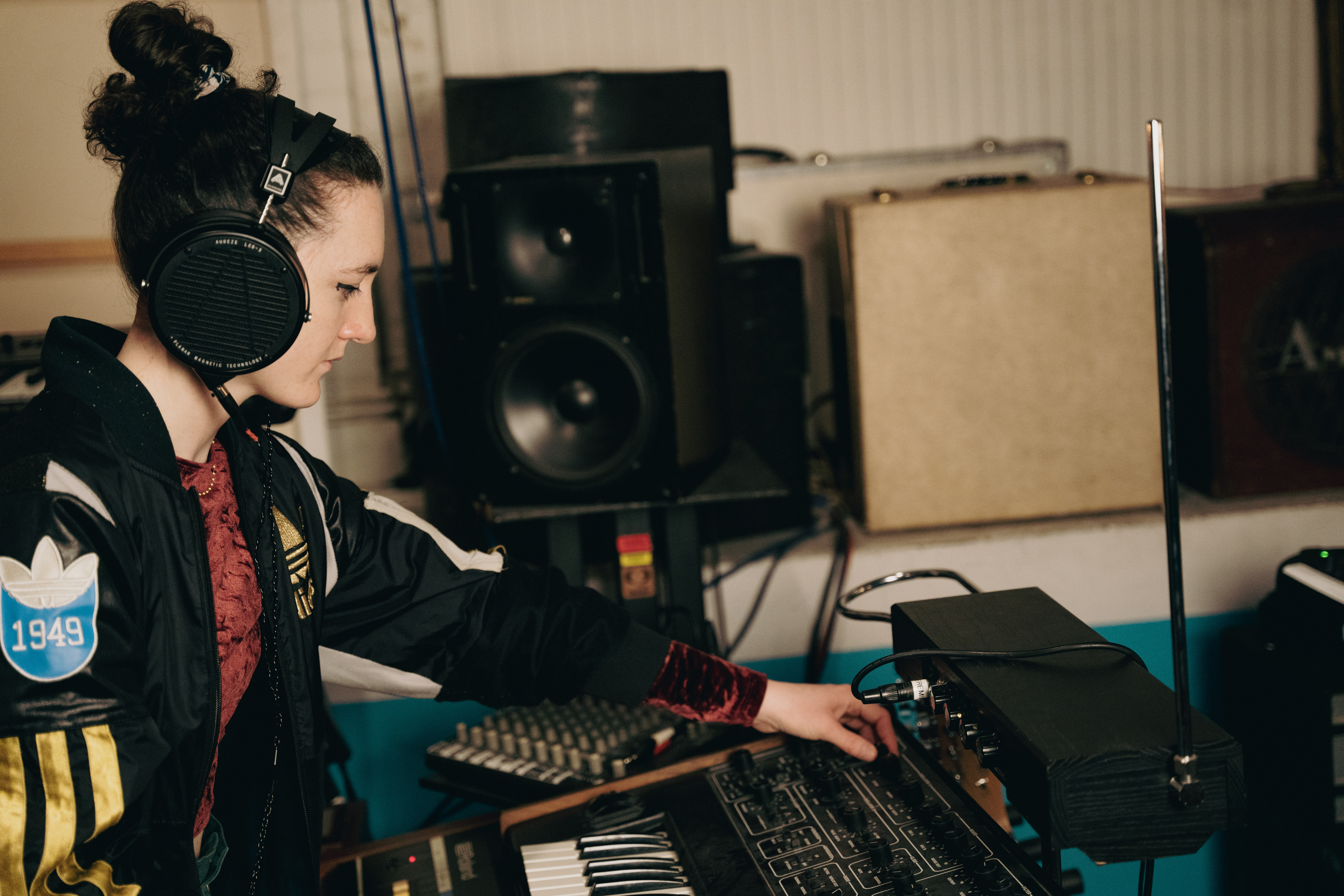
I started my career by interning at Premises Studios, and it all happened by complete chance. I met someone at a festival who knew one of the studio managers, and she offered to put me in touch. We met up, I shadowed for a day, and a year later they offered me a job working on reception at the studio.
What were your first jobs, gigs, or internships like?
I had a steep learning curve going into my internship because I had never been in a commercial studio before. However, I feel incredibly lucky to have interned at Premises. They were so encouraging, they trusted me, and they genuinely cared about my wellbeing during sessions. I know not all studios or internships would have treated me this way, and I have a great deal of respect for the entire team at Premises for giving me that opportunity.
What skills or lessons did you learn early on that still serve you today?
I learned so much during my time at Premises. All the technical knowledge I gained there was invaluable. I learned about patch bays, how to mic up drum kits, how to track vocals, Pro Tools shortcuts, everything. But I think the most important skills I developed during my internship were behavioural. I learned when to give artists space and how to support different personalities in ways that helped them perform at their best.
What barriers did you encounter early in your career, if any?
I didn’t have a mentor per se but I feel like Premises took me under their wing fully, the engineers, studio managers, the owner, everyone encouraged me. I think the barriers I faced were mostly rooted in people’s assumptions about me. I often felt overlooked when interviewing for studio roles, and even when I did secure a position, clients would frequently assume I was the singer rather than the engineer. I remember one particular interview for a studio job. As part of the process, I was given an audio tech test, but I wasn’t given the space to properly demonstrate what I could do. Instead, they assumed I didn’t know what I was doing and stepped in to complete parts of the task for me. I was later told I hadn’t been successful because I “lacked technical knowledge.”
Your Career Today
What does a typical workday look like for you now?
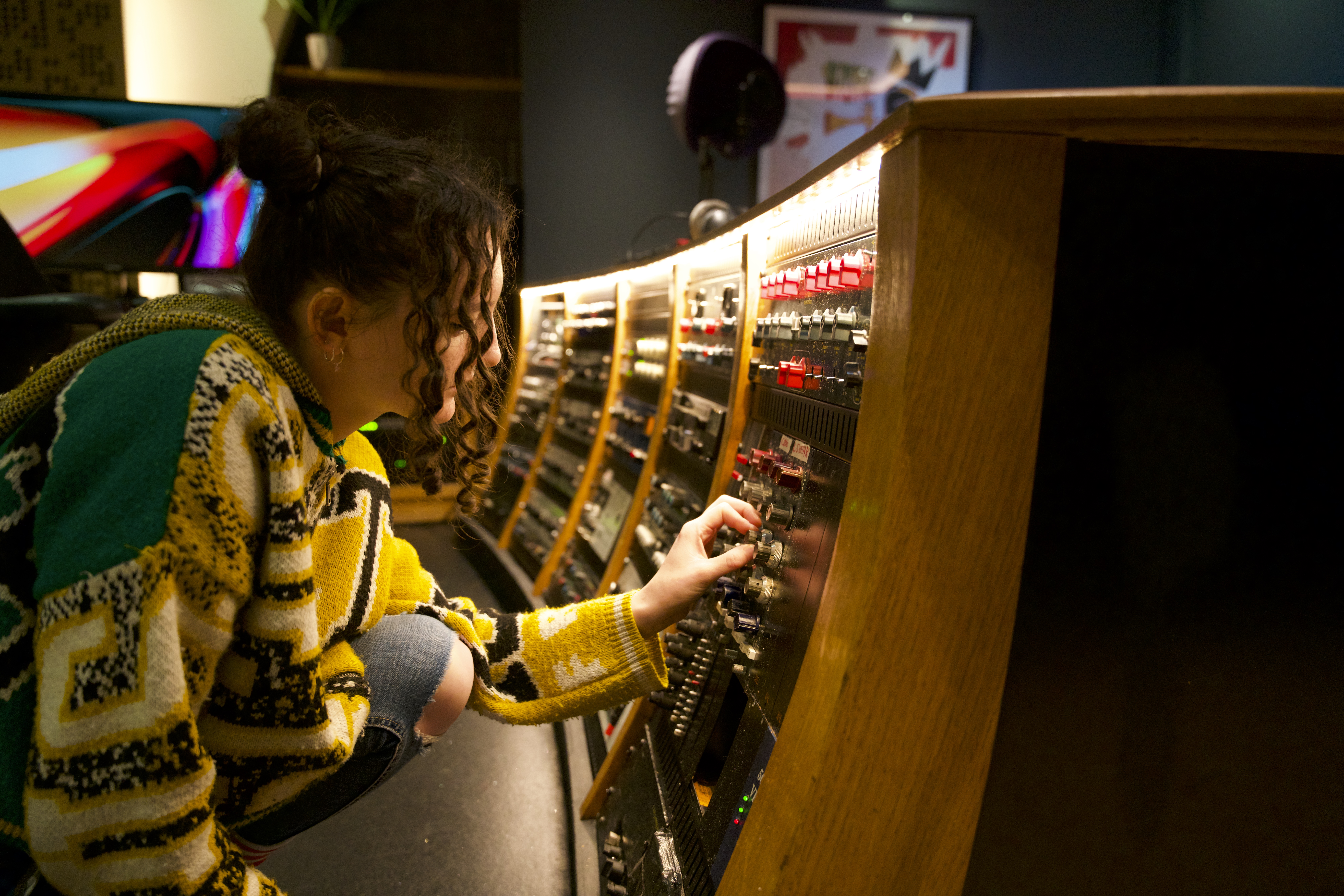
My days can vary a lot, but I mostly work as a tracking engineer at Baltic Studios. I record a wide range of projects, from bands to film scores. Alongside that, I freelance as a mixer and producer, so some days are spent working more independently on smaller projects, mixing and producing.
How do you stay organized and manage the demands of your work?
I stay organised by being mindful not to schedule too much too close together. When I’m working on a project, I try to fully commit to it so I can stay in the right headspace and give it my full attention.
What do you enjoy most about what you do?
What I enjoy most is the people. I thrive in a busy studio environment, constantly meeting new artists and collaborators and building connections through music. I also really enjoy the problem solving side of the work. There is always a challenge to tackle in the studio, and I love troubleshooting.
What aspects of the job are the most challenging or least enjoyable?
Although I enjoy most aspects of my work, I think the hardest part of engineering is the schedule. It can be incredibly busy, and it’s important to set boundaries and avoid overworking so you don’t burn out.
What is your favorite way to spend a day off or time away from work?
I love travelling, my favourite thing to do away from work is exploring different cultures and having new experiences.
Challenges, Growth & Perspective
What obstacles or systemic barriers have you faced in the industry?
One of the main barriers I’ve faced is frequently being the only woman in many studio sessions. In those environments, I have often felt overlooked, patronised, or underestimated. It has meant having to repeatedly prove myself in spaces where others are automatically assumed to be Competent.
How have you navigated or pushed through those challenges?
The only way I’ve been able to navigate the challenges of being overlooked and underestimated has been by working twice as hard as I should really have to, over preparing for everything, and consciously trying to maintain confidence in myself.
Have you seen the industry change during your career? If so, how?
I have seen the industry change for the better. I see far more women and people of marginalised genders in studios now, which is really encouraging. That said, I still think there is a lot more work to be done.
What still needs to change to better support women and marginalized genders in audio?
I believe we need to move beyond just talking about change and start holding people accountable for their behaviour within the industry. Instead, we need to create clearer, safer systems for reporting unacceptable behaviour.
Advice & Looking Forward
What advice would you give to women or young people interested in entering audio?
The advice I would give is always be willing to learn from others, consistently look for work and try to never doubt yourself.
What skills—technical or otherwise—do you think are essential for success?
I think the technical skills required for audio roles are a given, but the most important qualities for anyone in this industry are kindness, patience, understanding, and a willingness to troubleshoot at any moment.
What long-term goals or aspirations do you have?
In the long term, I would love to give back to the wider industry by helping studios develop forward thinking initiatives that support and progress the next generation of engineers. Creating more accessible pathways into studio work feels really important to me. I also want to continue developing my work as a producer and mixer, taking on more projects in those roles and growing that side of my career.
Is there something you wish you had known earlier in your career?
I wish I had understood more about the less glamorous side of the industry. I love working in this career, but it is often romanticised, especially when you are studying. I would have really valued a more realistic view of what the day to day actually looks like, including the long hours, the unpredictability, and the resilience it takes to build something sustainable.
Favorite or most-used gear (and why):
My favourite bit of studio kit at the moment is the Roland RE-201 Space Echo. I’ve found you can get loads of crazy effects using different tapes within the unit and it’s become a really creative tool for me.
A piece of gear you can’t live without:
The Sony C800!
A moment in your career that made you feel proud or affirmed:
I’ve had so many wonderful moments in my career, but a few recent highlights really stand out. Working on The Charlatans’ new album, We Are Love, was a special one for me. I contributed to a bunch of tracks on that record, and seeing the project come to life and be released into the world was great!
Another highlight has been Baltic Studios’ ATM Programme. Each year, we support eight emerging artists facing financial barriers with access to studios, mixing, mastering, and career mentorship. Working with these artists to pass on what I’ve learned, and building thei confidence in a professional studio environment has been incredibly rewarding.
I also played a part in building Baltic’s new studio spaces, Studio 2 and Studio 3. It was a truly collaborative effort from the whole team, and it has been exciting to see those rooms thriving in sessions, especially knowing how much care and hard work we all put into creating them.