Empowering the Next Generation of Women in Audio

Join Us

It’s about the Music- Michelle Sabolchick Pettinato
michprofileWith a career in live sound that spans nearly 30 years, Michelle Sabolchick Pettinato has been the sound engineer for some of the most recognizable names in music.
Since her first tour with the band ‘Spin Doctors’ in 1992, Michelle has been touring the world as an independent Engineer, mixing a variety of Rock and Pop artists including
Indigo Girls, Jewel, Gwen Stefani, Ke$ha, Mr. Big, Melissa Etheridge, Goo Goo Dolls, Styx and many more.

In 2015 Michelle was inducted into Full Sail University’s Hall of Fame. She is an active mentor and coach to those seeking a career in Live Sound and Music Production and has been a frequent speaker on industry and university panels and conferences.

Being in the right place at the right time

Michelle did her first tour as FOH Engineer in 1992. It came about as a result of years of hard work, making sure everyone she met knew that her goal was to get on the road, and a little bit of fate.

“I had been working in live sound for a few years, moving back and forth between Pennsylvania (where I was from) and Florida trying to find enough work to survive. When a job I was promised at a sound company in PA fell through, I had booked a ticket on Amtrak to move back to Florida where I had plenty of work. As fate would have it, on the day I was supposed to leave for Florida, Amtrak went on strike, putting my plans on hold. That very afternoon my friend, John Heidenriech, called to see if I would be interested in taking over his mixing gig with a band doing a national club tour. He needed to leave the tour and was looking for a replacement. They would be coming through my area in a few days and knowing how hard I worked and how badly I wanted to be on tour, he decided to offer me the gig. I was to meet the band a few days later at which point I would begin a two-week trial period. I had never heard of the band and didn’t care. I just wanted to get on tour. My trial by fire was a success, and I got the gig.”
The band was the Spin Doctors, and less than a month later their album broke through Billboard’s top 100 and shot up the charts. That was the start of Michelle’s 20+ year touring career as a FOH engineer.
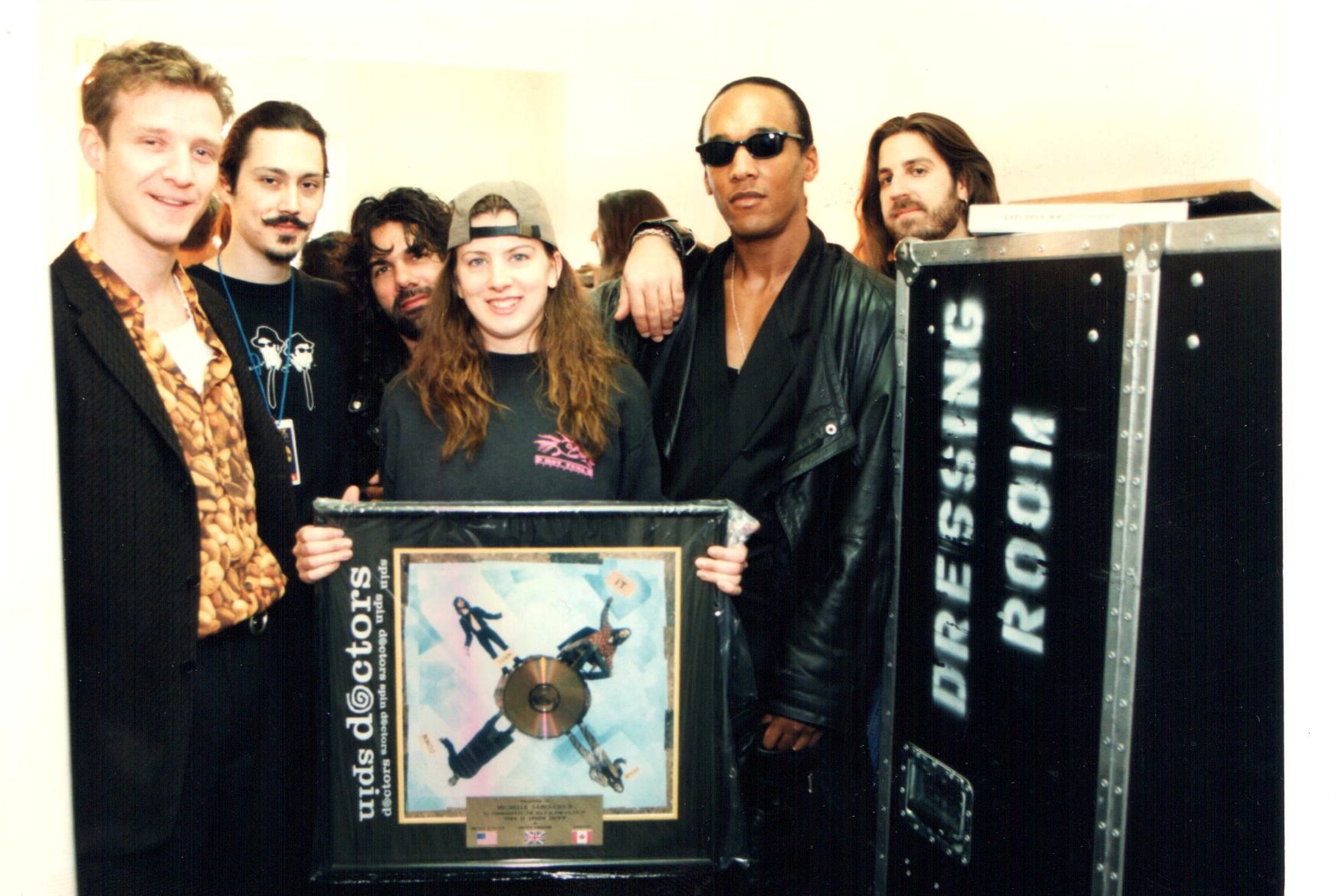
Michelle being presented a gold record from Spin Doctors circa 1994

Michelle being presented a gold record from Spin Doctors circa 1994

But the real work had started much earlier……Is it something that you always knew you wanted to do and if so, how did you first become aware of a career in sound engineering?

“Music was always a huge part of my life. I began playing piano at a very young age and in high school would accompany friends for talent shows and vocal competitions. I played for the school chorus, church choir, etc… But in all of that, I hated being on stage. I hated being the center of attention, so I always knew that a career in the spotlight wasn’t for me. But behind the spotlight or soundboard as in my case, now that was a whole different story. As a kid, I was always fascinated with how things work, taking apart my dad’s broken reel to reel tape recorder and fixing it, dismantling my record players and other electronics. So when I was in Junior High, and it came time to answer the question ‘what do you want to do with your life,’ the answer just came naturally. I wanted to be a recording engineer. That way I could be creatively involved in making music but not have to be a performer. I didn’t even know if it was a career- as a matter of fact, my guidance counselor assured me it wasn’t and I would have to pick something else.”

Knowing of her interest in the music business, a good friend introduced Michelle to a local promoter who let her shadow him at his shows in order to get a taste of the business. “I remember we once had a fairly prominent regional band play at our high school auditorium and they were looking for people to volunteer as stage hands. My best friend and I were the only two people who showed up. The band, of course, were a bit stunned to find out that we were seriously interested in working and learning about the equipment and not just there to meet them and hang out. I think they got a kick out of watching us work, and the whole time they were in disbelief that these ‘chicks’ cared more about learning the soundboard than hanging out with them backstage.”

Michelle also had a strong desire to travel from a very young age. “Growing up in a tiny, tiny town- I wanted desperately to get out and see the world. In looking back, I think my entire childhood led up to this career and I can’t honestly see how I could have ended up doing anything else.”
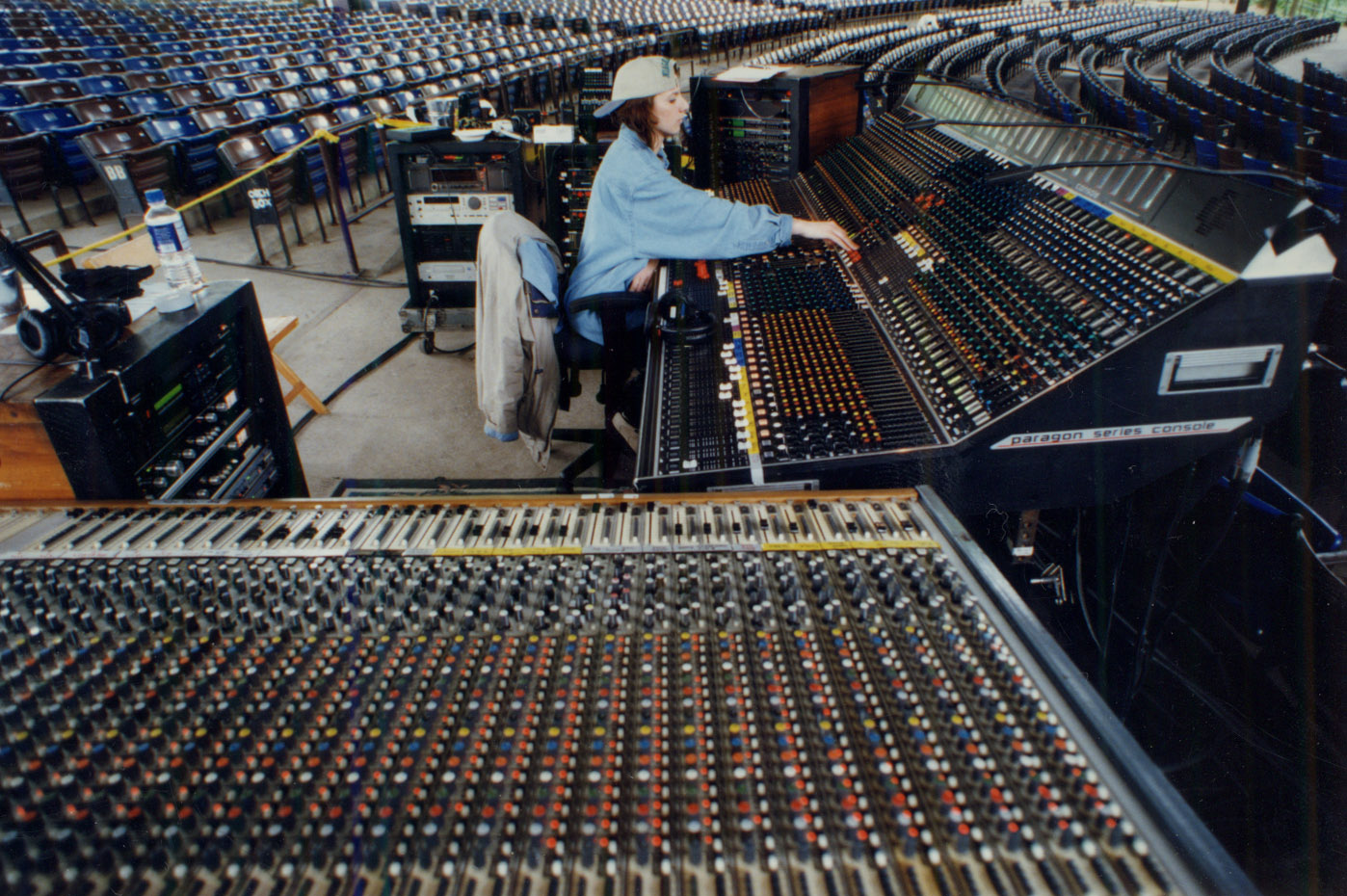
Mixing FOH for Indigo Girls in 1998

Mixing FOH for Indigo Girls in 1998

How did you get your start? Did you receive any formal training or education in music and/or audio?

“Once I made the decision to pursue audio engineering, I really had no other choice but to get some training or education. There was no music scene where I lived, no studios to speak of where I could learn, and I had no idea how or where to even begin. After one year of college, majoring in music, I found out about the Recording Workshop in Chillicothe, OH. I took their 5-week course in Basic Recording Engineering and Studio Maintenance. After completing the course, I got a job at a brand new local radio station. I wanted to record commercials, but they told me I had to sell them first. I spent several months working there but quickly realized it wasn’t going to get me where I wanted to be. Next, I took a bus to Nashville to try and get a job in a recording studio. I spent three weeks walking around music row handing out my resume, (which consisted of entirely two lines- The Recording Workshop and WMGH) to every studio I could find. It didn’t take me long to realize I still had a lot to learn and this wasn’t going to happen easily. Young and naive was an understatement. But I had balls. After weeks of being graciously told ‘we’re just not hiring anyone right now,’ I came to realize that despite my five-week education, I still didn’t know enough about making records, and I needed to do something about that if I intended to ever work in this business. I moved back home and soon saw an ad for Full Sail, another technical school with a much more comprehensive 9-month program in music production. I enrolled, and it was while I was attending Full Sail that I fell in love with live sound.”

Paying her dues

Michelle began working immediately after graduating from Full Sail, starting with interning at a local sound company outside of Phili, where she worked ‘basically for free until I couldn’t afford it any longer.’ Her job entailed spending hours in the shop helping to build road cases, cleaning consoles, prepping gear for shows, cleaning up and putting away gear from shows, loading, and unloading trucks, building mic cables, repairing snakes, etc.… “On weekends after a full day in the shop, I would load a van full of gear, drive it to a gig, load in, set up, do the gig, load out, drive back to the shop and unload it, catch a few hours of sleep and do it all over again the next day.”
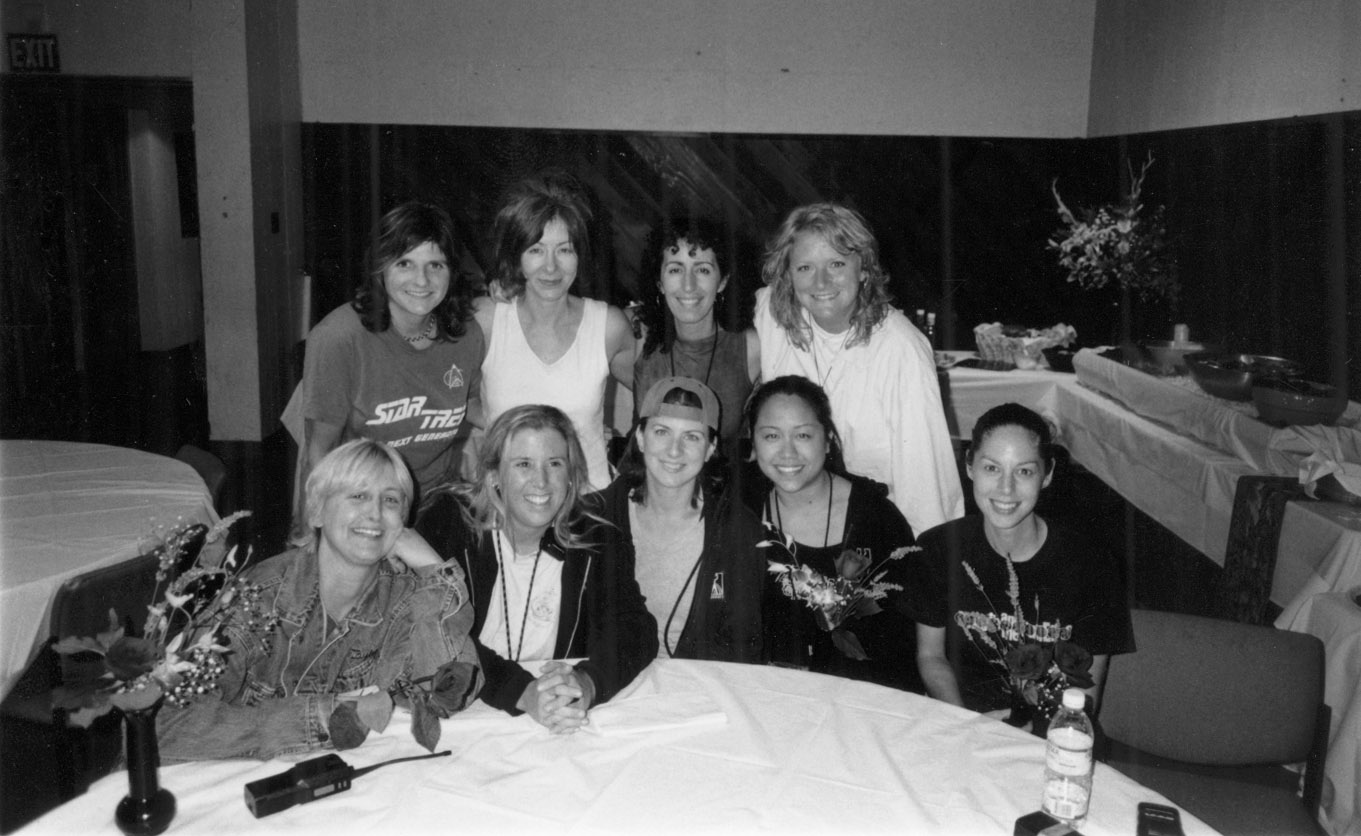
Michelle and the women of Indigo Girls band and crew circa 2002

Michelle and the women of Indigo Girls band and crew circa 2002

From there, she went on to do some studio work. “I got hired as an assistant which meant I made the coffee, cleaned up after sessions, ordered the takeout, got to play tape op once in a while (this was long before pro tools or the digital age of recording). On the upside, the owner was kind enough to let me practice mixing during the off hours when no sessions were booked.”

Unable to find enough work to make a living in PA, Michelle moved back to Florida, where she knew there was more opportunity. “I spent most of the next year there, working at the 50s and 60s nightclub- running lights and mixing, whenever the A1 and A2 were unavailable. I also took a job in the A/V department of a local entertainment complex, which gave me an opportunity to hone my troubleshooting skills, in between mixing various bands from oldies rock and roll to Dixieland jazz.” Michelle spent days working in the tech department, soldering, building, and repairing various pieces of equipment, setting up sound systems for talking heads and corporate functions, all the typical jobs you would find in an A/V department. “When I wasn’t working at either job I did stagehand work and also part-time work with another local sound company. I worked as much as I could, as hard as I could, and learned everything I could from everyone around me. In the meantime, I was sending resumes to all the national touring sound companies I had heard of.”

What obstacles have you faced?

“I came from a very small town with very traditional values and old-fashioned ideas; mainly that girls grew up, graduated, got married and started a family. If you wanted a job, you were pretty much relegated to one of the local factories or shops at the mall. There wasn’t much there for a strong, independent, unconventional girl like myself, who wanted to get out and see the world. When I made the decision to pursue a career in the music industry I was met with resistance everywhere I turned. My mother freaked out. My music teacher suggested a degree in music therapy, so I would have a career to fall back on. When I decided to go away to school to learn recording engineering, my friends thought I was crazy and couldn’t understand why I would move so far away all by myself. I was a pretty shy, quiet kid. I was fearless but at the same time scared of everything. So for me to pack up, leave home, my friends, and head off to school all alone was huge, but I was on a mission. I knew exactly what I wanted to do with my life and this was the first step.”

The music industry is a male-dominated field, which is especially evident in live sound. But that’s never stopped Michelle, and she feels it’s never really been a problem for her. “I was extremely driven from the start, and I’ve always taken the job seriously and focused on doing the best job I could. Sexism either didn’t happen or I just didn’t see it because I didn’t care. I was doing my job and doing what I loved, and I didn’t care what anyone else thought about it. When I was first starting out, I constantly heard, ‘You’re the first female engineer I’ve seen,’ and I would get a lot of sideways glances and strange looks but it’s never hindered me from doing my job. The bottom line is when you work hard and are good at your job, people notice and they respect you for that. Sure, I’ve run into the occasional sexist remark or guy who just couldn’t get his head around women being equal to men, but they’ve been by far the exception and not the norm. And there have been times I’ve felt that I had to work harder, smarter, faster than all of the guys around me to prove myself, but that just made me better at my job.”

“I’ve also had a lot of support from men in the industry. Mark Johnson of Fidelity Sound Reinforcement provided the PA for the very first tour that I did with full production. During that tour, he told me if I ever needed work to call him. I took him up on that offer and for several years early in my touring career, whenever I was home for more than a few weeks, I would head to VA Beach and work for Mark. He treated me like an equal right from the start, even though he had years of experience on me. ML Procise and Clair Bros. have also always been incredibly supportive from early in my career as well as my husband of 16 years, Production Manager Jim Pettinato.”
michelle-jakarta
What are some of the lessons you have learned throughout your career?
“On my very first tour with Spin Doctors, I did one club gig with the band before we went on to join the Horde tour festival, on which we never had a soundcheck. Talk about trial by fire. I mixed my ass off learning how to pull together a mix from nothing more than a line check over headphones, and as fast as possible since our set length was only 30 minutes. This was eons before digital consoles, so I was starting from scratch every day on a console that all the bands shared, there was no- plugging in your thumb drive and loading your file from the last gig… We went on from there to headline clubs and colleges and then bigger venues. In 1994 we spent a few months opening for the Rolling Stones on their Voodoo Lounge tour. I was mixing in NFL Stadiums and NHL Hockey Arenas all over the country as well as soccer stadiums in South America where I mixed my biggest gig ever, in front of 100,000 people. Again, we never had a soundcheck, and the pressure was on to pull it together quick for our 30-minute set.”

Michelle credits the early days of having to mix on ‘whatever crap PA of the day’ in making her a better engineer. “You really hone your skills by having to pull off miracles.” It also helped improve her troubleshooting skills. “9 times out of 10 there would be something wrong with the house system, and oddly enough, the house guy rarely seemed interested in fixing it. So I would spend half my day tracking down bad lines, mismatched crossovers, bad amp channels, you name it. Back in those days, the quality of the equipment left a lot to be desired. You could have a top of the line system one day and a pile of proprietary garbage the next. Sometimes it was completely different speaker cabinets on the left and right! Everyone and their brother was building a PA in their garage, and most of them had no idea what they were doing. Luckily things have progressed tremendously; it’s rare to find a really bad system these days.”

Gwen 1

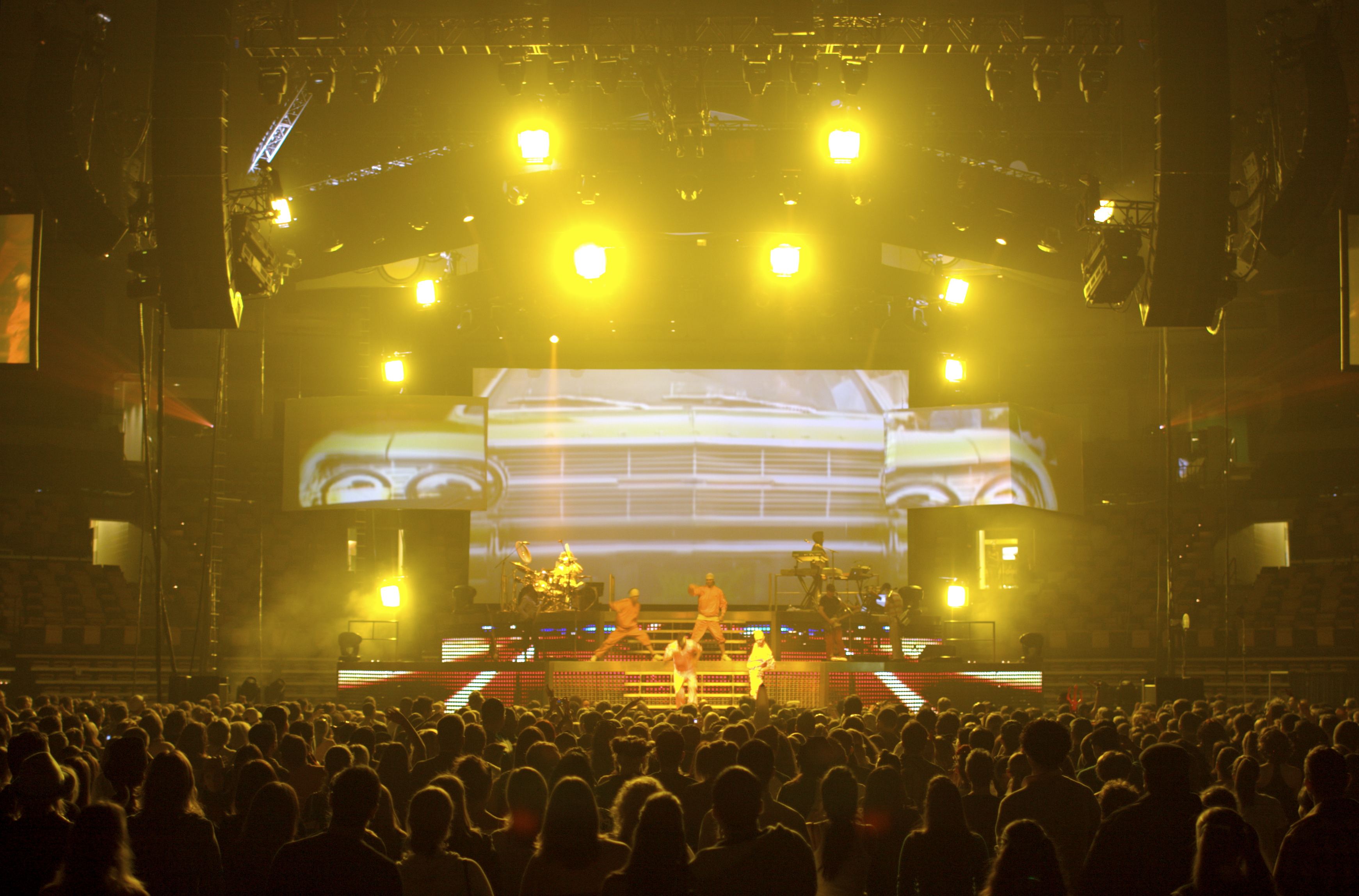
Mixing Gwen Stefani’s -Harajuku Lovers tour 2005
Gwen 2

Mixing Gwen Stefani’s -Harajuku Lovers tour 2005

What do you like best about touring?
“The relationships you build with people. Your fellow band and crew become your family. You can form some really close bonds with the people you work with. I met my husband on tour and some of the bands and crew I’ve worked with over the years are my closest and dearest friends. The nature of the job is that we are our own little rolling community and we’re all in it together working for the same result- to make the show happen no matter what.”

“I also love and hate the travel. I love getting to see the world and touring Europe/ Japan/ Australia, but I hate the excruciatingly long flights to get there. It’s time for someone to invent the transporter!”

“It’s always been about the music. It’s never been about doing the biggest tours or mixing the most high profile artists. It’s been about mixing good music, and I am lucky to have witnessed some great musical moments and have had the opportunity to work with so many inspiring and incredibly talented musicians. Best of all, when the lights go down in the arena and the crowd goes crazy, and the air is buzzing with energy and excitement as the band hits the stage, the feeling of knowing that you played a part in making all of that happen, is pretty great.”

Advice you have for other women and young women who wish to enter the field?
Be Persistent and don’t wait for someone to offer you your dream gig, you have to go out and make it happen.
Learn everything you can from every job you have and never stop learning.
Learn signal flow, proper gain structure, and basic troubleshooting. If you have these skills, you can mix on any console.
Train, trust, protect, and use your ears- They are the most valuable tool you have, and best of all they are free!
Don’t be afraid to ask questions.
Don’t be afraid to network and let everyone you meet know what your goals are.
Work hard, work smart, and know your craft.
Have confidence in yourself and your abilities and don’t be afraid to admit what you don’t know, no one expects you to know everything.
Be ready for opportunities and have the courage to take them.
Most importantly- USE YOUR EARS! Your ears are the most valuable tool you have when mixing. Train them, learn how to mix with your ears and not your eyes.

Must have skills?
Along with working well with others, being a self-starter, and having a thick skin, you’ve got to be able to hang with the guys and be comfortable around men, because you will be working and living with them. It’s a male-dominated field and if you don’t like working and living with a bunch of dudes- this isn’t the right place for you. Just as someone who can’t deal with the sight of blood shouldn’t be a doctor. Guys are guys, and while there are always exceptions, more often than not they are respectful of their fellow crew women. I’ve actually been told on more than one occasion by the TM and/or PM, that they like having at least one woman on the crew, it tends to bring the whole testosterone thing down a notch.

Final thoughts
Don’t ever let anyone tell you that you can’t do something. When I decided this was my path, everyone told me I couldn’t do it, and I just said ‘watch me.’ It doesn’t matter where you come from, what your background or resources are if you work really hard at following your dreams, set goals, and tell everyone you know what your goals are, you’ll be amazed at how the right people will come into your life. If you stay true to your dreams and goals, things will happen for you. But it takes work; it doesn’t mean saying I want to be an “insert occupation here” and sitting around on facebook all day whining and wishing for it to happen. It means setting goals and knocking on doors and going after your dreams. Be dedicated, be motivated, and show initiative, when people see that, doors will open for you.

We caught up with Michelle for a 2019 update:

Michelle recently created and launched Mixing Music Live, an online video course for live sound and mixing. She continues to be a full time touring sound engineer and can be currently found on tour mixing Elvis Costello.

More on Michelle:

The SoundGirls Podcast – OG Soundgirl Michelle Sabolchick Pettinato on touring & live sound

Signal To Noise, Episode 65

Roadie Free Radio

Michelle Sabolchick Pettinato | Hall of Fame – Full Sail University

Pro To Pro: Catching Up With FOH Engineer Michelle Sabolchick Pettinato
 

Find More Profiles on The Five Percent

Profiles of Women in Audio

The Women are Taking Over!

The start of a new tour is always interesting, seeing friends you have not seen for a while, being with your road family, and always meeting new characters. I try to figure out who is who and what is what pretty fast. So it is on the first day, after traveling twenty hours or so and finally arriving in Amsterdam, that I meet the first character. (more…)

Doornroosje Gets a New Home and Sound System

Guest Blog – Petra Randewijk

Doornroosje started in 1970 in the city of Nijmegen in the east of the Netherlands. The building where the club is currently held is an old building which was not designed for live
music. Over time it has been less able to meet the demands of touring productions and has outgrown its 450 seat capacity. With almost 45 years of sweat from musicians and their audiences dripping into the foundation of the venue, the memories of legendary shows and the ever growing layers of graffiti on the outside, the old place is not an easy one to replace. It holds music history. (more…)

Intro to – Sound Design for Theatre

By: Gil Eva Craig

In light of the recent news that the Tony’s are planning on doing away with the sound design section of the awards, I thought I’d write a series of articles on sound design for theatre. This first installment is a general overview of what’s involved in designing sound for theatre, and a look at the differences between sound design for theatre and sound design for film and television. (more…)

Touring Life and Motherhood or How You Can’t Have it All

Note – I do know a few men in the industry who have sole custody of their children and face many of the same issues.

After the birth of my daughters, I took some time off and did not work at all. As reality sunk in, I came to realize that touring was going to be difficult if not impossible. I thought about going back to school and getting a teaching degree – still one of the professions that allows for a schedule to be with your kids. I eventually returned to Los Angeles and took on a general manager role at Rat Sound – which really was doing a bit of everything, similar to what I did before but kept me off the road.

It was pretty great for awhile – I was able to achieve a balance between work and raising my daughters. Then the Chili Peppers launched a 17 month world tour, which I turned down. It took a while for this sink in, as I embraced my new life – I came to really miss being on the road and I wrestled with this for a while – but there did not seem to be any option. I started to work local shows again, but this I found pretty difficult to balance – the long hours, the child care bill, trying to function as a zombie the next day.

Then I was offered REM and I was determined to do it – I did not know how I was going to make it work – but I knew I wanted that gig. After many discussions with the girls dad, we came up with a game plan to make it work. In the end, the gig ended up falling thru as they wanted a FOH and Monitor team, engineers that had worked together for several years. My team was Brett Eliason (PJ FOH Engineer) and he could not do the tour.

It ended up being for the best – as parents we had worked out what we were comfortable with, what I needed to be happy, and what we felt was best for the girls.

It basically broke down to:

And that is what we did for years – still do – but now they are self sufficient and I think look forward to us being on the road. The girls had an extended family that they felt safe with and were loved. It also made them independent. Plus they got to travel with us several times and got to see some cool places.

Of course, this would not have been possible without a father that was willing to be a full time dad. I think this made him a better father – and the girls were bonded to both parents. We both made sacrifices to do this – There were tours turned down on both sides, mixing challenges and experiences that were missed. Yet, when I was home it was 24/7 and for every championship softball game I missed – I was there for most of the season.

I guess what I am trying to share is that you can be a mom and have a career in audio. It is not going to be easy, but life is not easy. You might choose to work a constant theater gig over touring, or work part time doing local shows for a sound company. You might switch to an AV gig. Even with the sacrifices made – I always felt it was better than working a 9-5 job with the kids in daycare. And I still got the rush of working a live concert. Would I have followed the path I did without kids – I will never know.

I would love to hear how others have balanced this or are attempting to.


The Sound Girls of Brazil!

By: Karrie Keyes


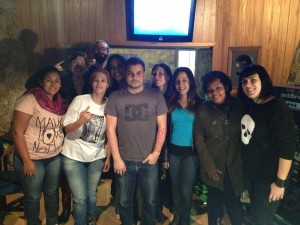
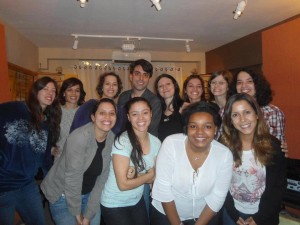
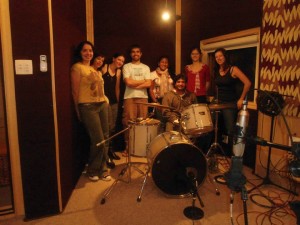
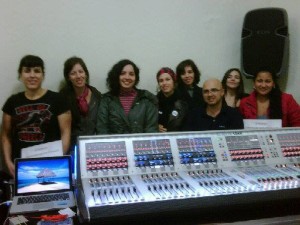
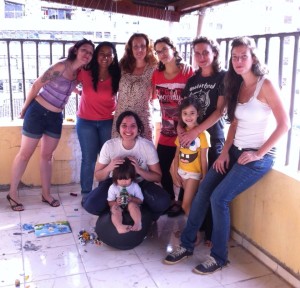
03-eng-audio-april-2013-300x225I recently had the chance to meet with some of the women of Mulheres do Audio while on tour in Brazil. Mulheres do Audio are a group of women audio engineers in Brazil, with membership around 126. They meet once a week to study, learn, and share their experiences. The women I met all have a passion for audio that drives them to succeed in not only a male dominated industry but country.

Mulheres do Audio – (Women’s Audio)

According to the United Nations Gender Inequality Index (GII), Brazil ranks at 62 amongst 187 countries. The United States comes in at number 23. Iceland has the narrowest gender gap, coming in at number one with Finland. Followed by Norway, Sweden, the Philippines, Ireland, New Zealand, Denmark, Switzerland, and Nicaragua. The report analyzes four key areas; health, access to education, economic participation, and political engagement. While North America comes in top for economic opportunity, education, and health, Asia and the Pacific lead the way in political empowerment.

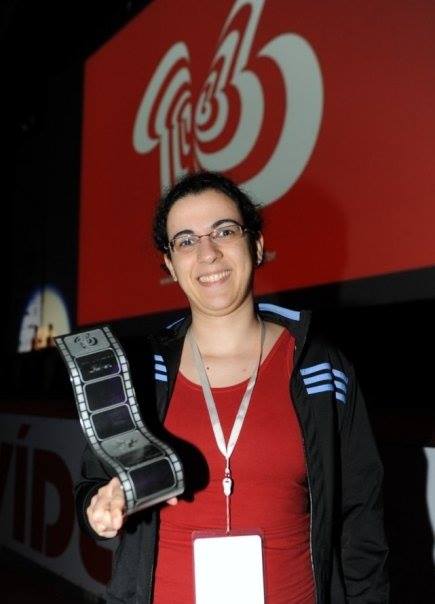
10338877_10201355548845671_5785599704025000756_nAna Luiza Pereira a member of Mulheres do Audio shares with us some of the issues facing women in Brazil.

The majority of the population does not have access to good quality essential services such as education, health and transportation. For women, who traditionally have the role of taking care of the home and children, there are not good quality public childcare centers, so for those dealing with young children there’s no alternative other than housekeeping, occasionally doing day jobs like domestic work. Women that do work outside the home are not valued or respected.

The wage difference between men and women is up to 30% according to recent researches. Brazilian law condemns wage discrimination between men and women, yet contracts are made in a concealed way, considering different job positions for the same functions or anything else to justify a different wage.

There’s also the racial and ethnic discrimination. Although there is a lot of miscegenation, racism is a sad reality with black and poor women suffering more prejudice at work and school. Affirmative politics have been applied in public higher education schools in an effort to give more opportunities to the African descendants, but the population in general is still not conscious about the history and prejudice is very present even at the universities.

Unfortunately, sexist violence has been reaching extreme conditions at all social levels, but again, the poor suffer the most. Only recently we’ve been having campaigns against sexual harassment, but it’s an old practice which is rarely reported due to the embarrassment women suffer. There’s still a long way to go… Even though we have a woman president for the first time, the government has not been showing real results in politics for equality due to its commitment to bankers, international investors, corporations and all other capitalism agents to whom gender equality is not a primacy. Social movements have been making a great effort to denounce all those kinds of injuries. It is crucial to demand the government take immediate actions to acquire women’s rights and respect.

All of the women I met were willing to stand up for their rights and were vocal in demanding to be treated equally. Unfortunately, they face many of the same obstacles we face in the States and the rest of the world. Often silenced to keep a gig, not wanting to make waves, and just trying to prove yourself under heightened scrutiny because you are a woman. Many of the women were told over and over again that they could not be hired because they were not strong enough to load equipment and trucks.

06-casa-da-lua-may-2013-300x225In Brazil it is even harder to stand out or shine with a certain expertise or field. There are very few men or women working in audio that can consider themselves a FOH engineer or Mastering Engineer. I was told by the women that they must be well versed in all aspects of audio. There simply is not enough work. One day they will be working in the studio, the next a live show, then working on a broadcast. In live sound they are expected to be able to do everything, often times being responsible for the set-up of equipment while mixing FOH and Monitors. Although, not unusual in the States, especially when starting out, you will hopefully be given to the opportunity to hone your skills to a specialty.

12-soundcraft-si-series-september-2013-300x225It is also important in Brazil to obtain a degree of some sort in show production, although programs at the Universities are limited. It is often the first question employers ask. Many of the women have pursued film school and working in film production. Others have pursued courses in recording and music production; one is a course in Tecnologia de Gravação e Produção Fonográfica (Recording Technology and Phonographic Production) at the Universidade Estácio de Sá, Rio de Janeiro;  and Produção Musical (Music Production), at Universidade Anhembi Morumbi, São Paulo. There is also a graduate course offered in the Cinema and Audiovisual called Imagem e Som (Image and Sound) offered at Universidade Federal de Sao Carlos a free university.There are other private universities that offer graduation courses in Radio & TV and Audio Visiual. Most employers want completion of programs at IATEC in Rio de Janerio and IAV in Sao Paulo

Ana Luiza works primarily on film sound post production, and as a sound editor and designer. She currently teaches at  Universidade Federal de Sao Carlos as a sound design professor.  Ana Luiza decided to teach to provide women with a role model and contribute her expertise so that students would have a specialized learning experience.

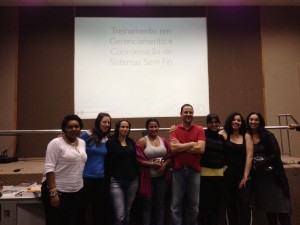
07-rf-trainning-june-2013-300x225All of the women take advantage of learning on their own, pursuing online tutorials and courses. They have maintain two facebook pages Female Pro Audio, which is a closed group and was created after AES in 2012 and Mulheres do Audio, which highlights how many women work in the field of sound in Brazil and around the world. Female Pro Audio was created to answer the questions all of us Sound Girls hear over and over again- ‘Wow, a woman in audio, you are the first one I have met. Are there other women? How many women? What got you interested in audio?’ Then they invited all the women they knew to join.

14-flapc4-rosa-class-feb-2014-300x224Eventually Female Pro Audio started to organize weekly meetings in Sao Paulo, and I was fortunate enough to be able to attend one of their meetings. They developed a study plan, outlined subjects to talk and learn more about, and found a recording studio to meet at. The meetings are held at FlapC4 and the women have been meeting since the fall of 2012 to share their experiences, impressions, and what actions they can take to reduce the sexism they face in professional audio. They are able to network and find jobs, it is also a safe place for them to blow of steam. Mulheres do Audio on Facebook is the SoundGirls.Org of Brazil. It puts a face to the women working in professional audio throughout the world and a place where they can meet each other.

13-fraternization-december-2013-300x288The Women’s Audio Mission and SoundGirls.Org have been sources on inspiration. Mulheres do Audio has also been a source of inspiration to SoundGirls.Org. It was truly a wonderful experience sharing the afternoon with these women and glimpsing a part of their lives. Several of the women came to see the monitor world on the Eddie Vedder solo tour and were able to watch the crew line check, again we shared tips and stories it was truly inspiring experience I will not soon forget.

SoundGirls.Org will be highlighting their stories and experiences in the future and I encourage anyone traveling to Brazil to get in touch with them.

Breaking Down Doors in Brazil

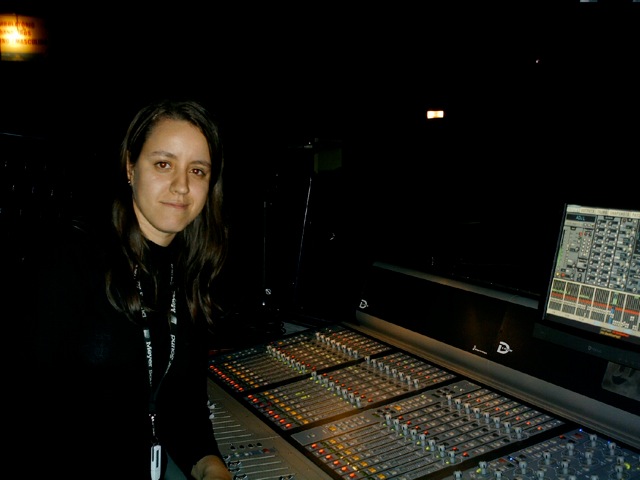
Thirteen years ago Fernanda Lemos was a musician in a rock band; today she is the only woman working as a sound engineer for Loudness, the second largest sound company in Brazil. Loudness was founded in 1976 and has become the premier production company in Brazil, providing sound for international touring artists such as Rush and Bon Jovi, Broadway productions and events. How does one go from being a musician to being the only female sound engineer for the one of the largest sound providers in Brazil?

The Audio Team of Loudness

The Audio Team of Loudness

It all started back when she was a keyboard player in a band without anyone to run sound. So Fernanda started mixing their sound checks, and at the same time, she was learning how to record. She read a lot about acoustics, audio, and started following the Brazilian band Paralama do Sucesso. She went to every show she could and tried to get into the sound checks. Paralam do Sucesso had the best audio technology, and she got to be there, watching, listening, and asking about everything. At some point, she decided to leave the stage for backstage.

Fernanda enrolled in an audio course with Brazilian sound engineer Carlos Roberto Pedruzzi. A year later she enrolled at the Estacio de Sa University, in Rio de Janeiro. The university offered a bachelor’s degree in a program called Music Production and Recording, directed by Brazilian music producer Mayrton Bahia. As luck would have it, one of the instructors owned a small sound company and gave Fernanda her first job.

Fernanda started as an assistant sound tech at a small theatre. There she started mixing monitors and FOH. The pay was low, but what Fernanda gained in experience and confidence made up for it. She eventually started working outside shows with Sigmatec and then was referred by her first audio instructor, Mr. Pedruzzi to be a trainee at Loudness.

At Loudness she does a bit of everything depending on the gig, although she works mainly as a monitor engineer or monitor tech. She has been the monitor engineer for Brazilian artist Rita Ribeiro for the last five years. Fernanda is also able to work alongside her husband, a sound engineer at Loudness, he usually takes care of FOH, while Fernanda takes care of the stage. She says they are known as the Audio Couple. She has been able to take part in additional training and certification seminars with Meyer Sound, Digico, Pro Tools, K1 and V-Dosc, and Smaart. She is fluent in English which is an asset when working with international artists.

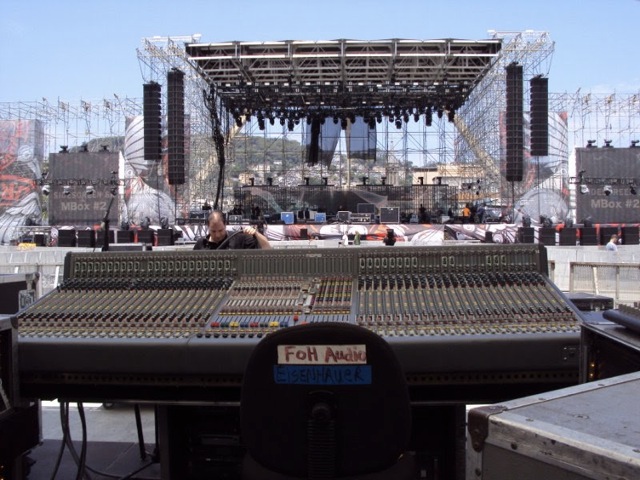
Rush

Rush

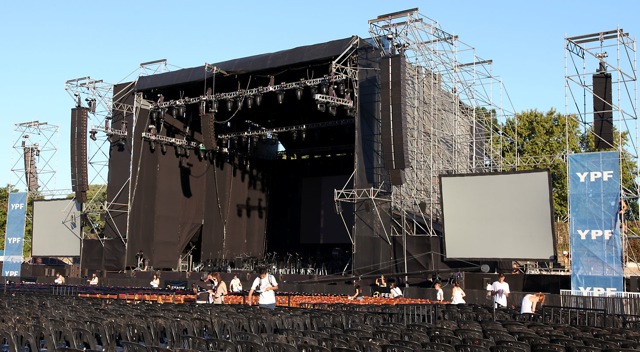
Fernanda recalls one of the most significant and important shows she has done as a lead tech. The shows were Andrea Bocelli at Belo Horizonte, and São Paulo. Andrea Bocelli concerts are quite challenging as their sound crew is very meticulous. The shows are usually staged in expansive areas, with a significant amount of equipment. The Belo Horizonte concert was especially difficult as they only had one night to set up. It was staged on a busy avenue that had to be closed down. “We had to set up the delay towers in the middle of the traffic! The Bocelli crew are great people and superb professionals, so we were able to pull it off. Every time I work with the Bocelli crew I learn something”.

Andrea Bocelli K1 setup at Buenos Aires, Argentina.

Andrea Bocelli K1 setup at Buenos Aires, Argentina.

Loudness provides live recording services for many of the most prominent artists in Brazil. Fernanda often takes care of the recording unit, setup and operates Pro-Tools when it’s needed. “We have two main live recording sets, one fully digital with Avid D-Show/Profile as preamps, other with Amek Recall by Rupert Neve consoles, which sounds amazing! All were recorded with 2 Pro-Tools 10 (HD 3)”. When she was in school, she worked at the university’s recording studio, and this was the beginning of digital audio in Brazil, with Yamaha’s digital consoles like 02-R. The studio had one, and a Pro-Tools 24 mix plus. Because it wasn’t very reliable at this time, they were still using ADAT recorders. This gave her the opportunity to start and continue using recording systems.

Fernanda has faced obstacles, and some of them are cultural, as her job in Brazil is viewed as man’s work. Some of the artists automatically won’t work with her as they do not believe a woman is capable of doing the job. In the beginning, she thought this would change by showing she was capable of doing the job. She has come to realize it is going to take much more time and societal norms must change. She is proud that she is a part of making the change happen.

Fernanda offers this advice to young women entering the field –

Don’t be afraid and don’t be mad if everybody is watching you and testing you all the time. Do your job the best you can and don’t be scared to make mistakes and ask questions. Do the best you can and do not give up!

Must have Skills:

I believe a musical talent helps a lot when dealing with musicians, I’ve been in their position before, and I know how it feels. It makes it a lot easier to communicate with the artists. Listen to all kinds of music.

Being able to remain calm when dealing with problems is crucial.

Being organized.

Favorite Gear

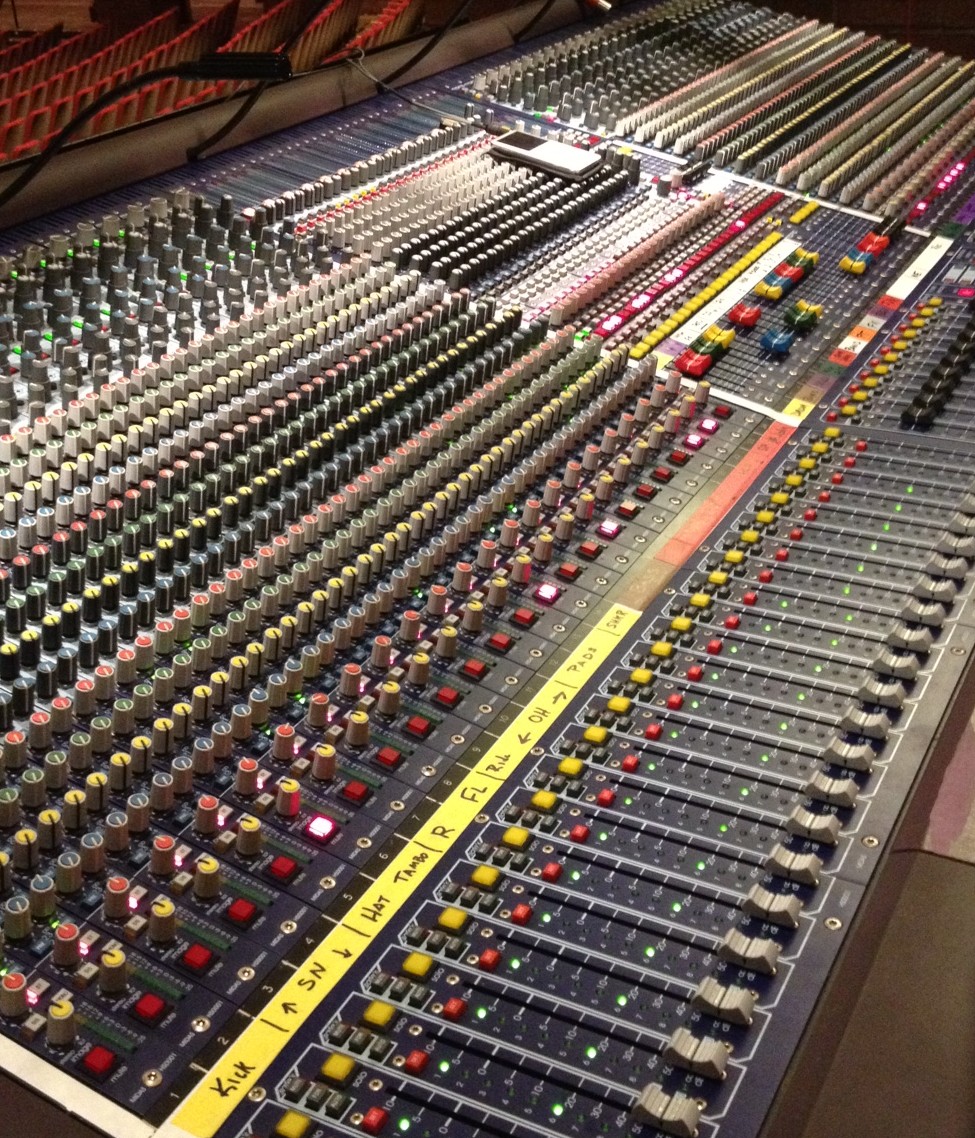
I love huge PA systems that sound smooth and great, even at long distances. I love big concerts!!! The first big PA I worked with was a Meyer Sound M3D, and I remember very well how delighted I was. I know it’s heavy and not the easiest to set up, but I still like the way it sounds. The L’Acoustics V-Dosc is kind of a dream sound, you just set up and it’s ready! K1 has made our lives so much easier, it sounds incredible in all situations, from heavy metal to Andrea Bocelli. I love analogue desks; I’m quite sad that I entered the audio world at the “end” of these great-sounding technologies. My preferred one is surely the Midas XL4! I have done a lot of jobs only setting it up for other people ” I did not get to really “put hands on it,” but my first time mixing with one was delicious! I’m not an anti-digital person, nowadays I like a lot to use Digico desks like the SD8, and I think they sound really great! But if I had a choice for touring… big heavy Midas, no doubt”!

Favorite things about touring

I always loved to travel, and I hate routines that never change. Mix it all together, and I found the perfect job. I never get tired because we are always moving and have new challenges. I love to meet people from all over the world. I like planes and airports, and I love hotels too! I get bored when I am at home too long.

Least Favorite

In fact, being a lady in this area has some problems… for me, WC is the major problem! Very often the sites and venues have only WC for men, and they tend to be dirty. When my husband and I are on different gigs, and we keep missing each other.

Favorite Day Off Activity

I sleep and then I like to discover new places -like beaches, excellent restaurants, taste local beers and regional food…

Long-Term Goals:

I’m pleased to be where I am now. I really want to keep learning. My dream is to do at least one big world tour. My husband and I are thinking about moving to the USA for a couple of years to study and work.

Of course, I would love to work with other women. In Brazil, we only have a few women working with sound, especially live sound. We have a group on Facebook, the “Female Pro Audio,” in which we share with other women our experiences, job opportunities, and talk about sound! I hope it will inspire more and more women and girls to join our “sound world,” and help them overcome the barriers all newbies have. Being a woman makes it doubly difficult. We can always help each other.

The best part of my job is at showtime looking at all the people who are so happy and to think I am a part of this. It’s just amazing.

jazzOP


Women in Audio

Behind the Scenes at NPR West

Jackie Green – VP of R&D/Engineering at Audio Technica

Where Are All the Women Producers? Here Are Five Famous Ones

Why are Female Record Producers So Rare

The Sound Girls of Brazil

Renaissance Gal: Lisa Brownlee – Superstar Tour Manager

Where are All the Women Record Producers

The Five Percent: Profiles on Women in Audio

Catherine Marks: Happy Accidents

Be Unstoppable: The Attitude and Skills Required to Find Success as a Touring Sound Engineer

Behind The Glass: An Interview with Producer/Engineer Trina Shoemaker

Meet Jane Tattersal: Sound Supervisor for Penny Dreadful

Meet Paula Fairfield Sound Designer on Game of Thrones

Sounds Like Success: Sudhish Kamath

Front and Center: Women’s Audio Mission Founder, Terri Winston

Reflections on Production Sound, in the Company of Jan McLaughlin

Beethoven’s Ninth in 5.1 Leslie Ann Jones, Wolfgang Fraissinet, Mike Pappas and a Lot of Digital Mics

Lucy Johnstone – Sound Editor for Top Gear

The Woman Behind The Oscar-Nominated Sound Of ‘Unbroken’

Why Are There so Few Women in AV?


Career Development

soundgirls

Career Development – Resources for Writing Cover Letters, Resumes, and Creating Professional Social Media

Student Loans – Student Debt

Cover Letter Mistakes

Tips on Writing your Resume

A top recruiter on what anyone can see after 30 seconds with your resume

How to set yourself apart from the competition and get the gig

Career Quitter: I’ve Quit More Jobs Than I Care to Remember

Company Man or Freelance Gypsy?

Why You Should Sometimes Work for Free

A Plan vs. an Attitude: How Dr. Webber Changed My Approach to My Career

On Women’s Issues

Power Struggles: Work and Physicality

Proving Yourself

Stevie Nicks Talks About Being A Woman in the Industry

How Women Sabotage Themselves

It’s a Man World? Darryn De La Soul on Being a Sound Engineer

About Women in Audio, AES Style, and Losing (or finding) Your Voice

The Blame Game: Why We Need to Stop Blaming Women for Gender Equality

Our World Needs Empowered Women

Debunking the Women’s Studies Myth

This is what Tech’s Ugly Gender Problem Looks Like

Booth Babes: How Casual Sexism Hurts the AV Industry

The Celluloid Ceiling: Behind the Scenes Employment of Women on the Top 250 Films of 2014

More Women Worked Behind the Scenes on Movies in 1998 Than Do Today

Lights, Camera, Taking Action: On Many Fronts, Women Are Fighting for Better Opportunity in Hollywood

The Ping-Pong Theory of Tech Sexism: A true (illustrated) story

Bjork Talks Feminism

5 Speaking Habits That Weaken Women’s Leadership

On Sexual Harassment


X