Empowering the Next Generation of Women in Audio

Join Us

NAMM Mentoring Session

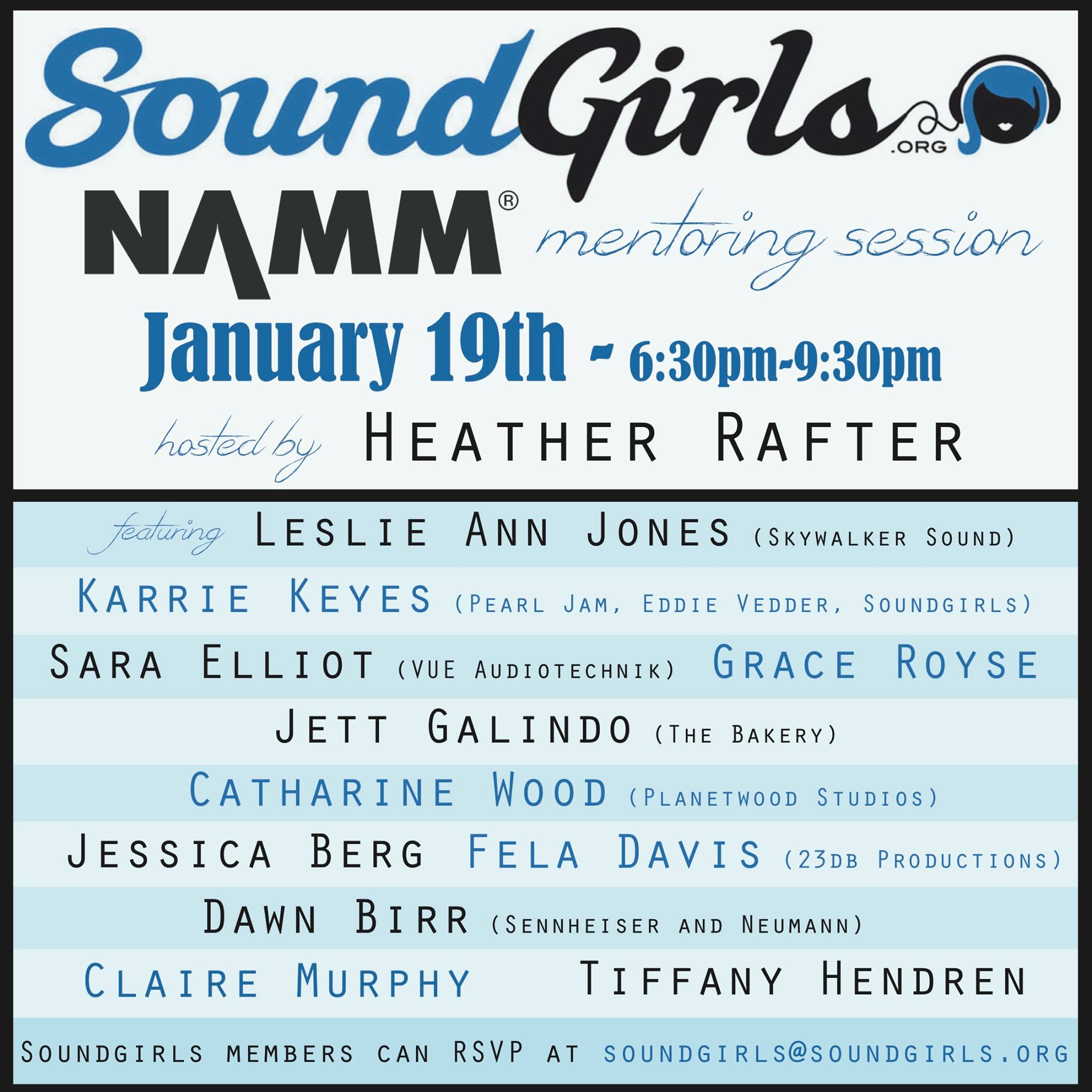
SoundGirls.Org Presents NAMM Mentoring Session – Hosted by Heather Rafter

Join us for a Mentoring Session with Women Leaders in Professional Audio

You must be a member of SoundGirls.Org. You Must RSVP for this Event as Space is Extremely Limited. You will receive venue address with your confirmation. RSVP to soundgirls@soundgirls.org

This event will be a casual mentoring session – where you can get advice and answers to your questions. Groups will rotate between leaders specializing in Live Sound, Recording and Mastering, Broadcast Engineering and Professional Audio Sales.


Industry Leaders Include

working-tara2LESLIE ANN JONES

Leslie Ann Jones has been a recording and mixing engineer for over 30 years. Starting her career at ABC Recording Studios in Los Angeles in 1975, she moved to San Francisco in 1978 to accept a staff position at the legendary Automatt Recording Studios. From 1987 to 1997 she was a staff engineer at Capitol Studios located in the historic Capitol Records Tower in Hollywood. In February of 1997 she returned to Northern California to accept a position as Director of Music Recording and Scoring with Skywalker Sound, where she continues her engineering career mixing music for records, films, video games, television, and commercials.

She is a past Chair of The Recording Academy’s Board of Trustees and is the recipient of 4 Grammy Awards, including 2 for Best Engineered Album-Classical. She serves on the Advisory Boards of Institute for Musical Arts, Ex’pression College for Digital Arts, and is an Artistic Advisor to the new Technology and Applied Composition degree program at the San Francisco Conservatory of Music.
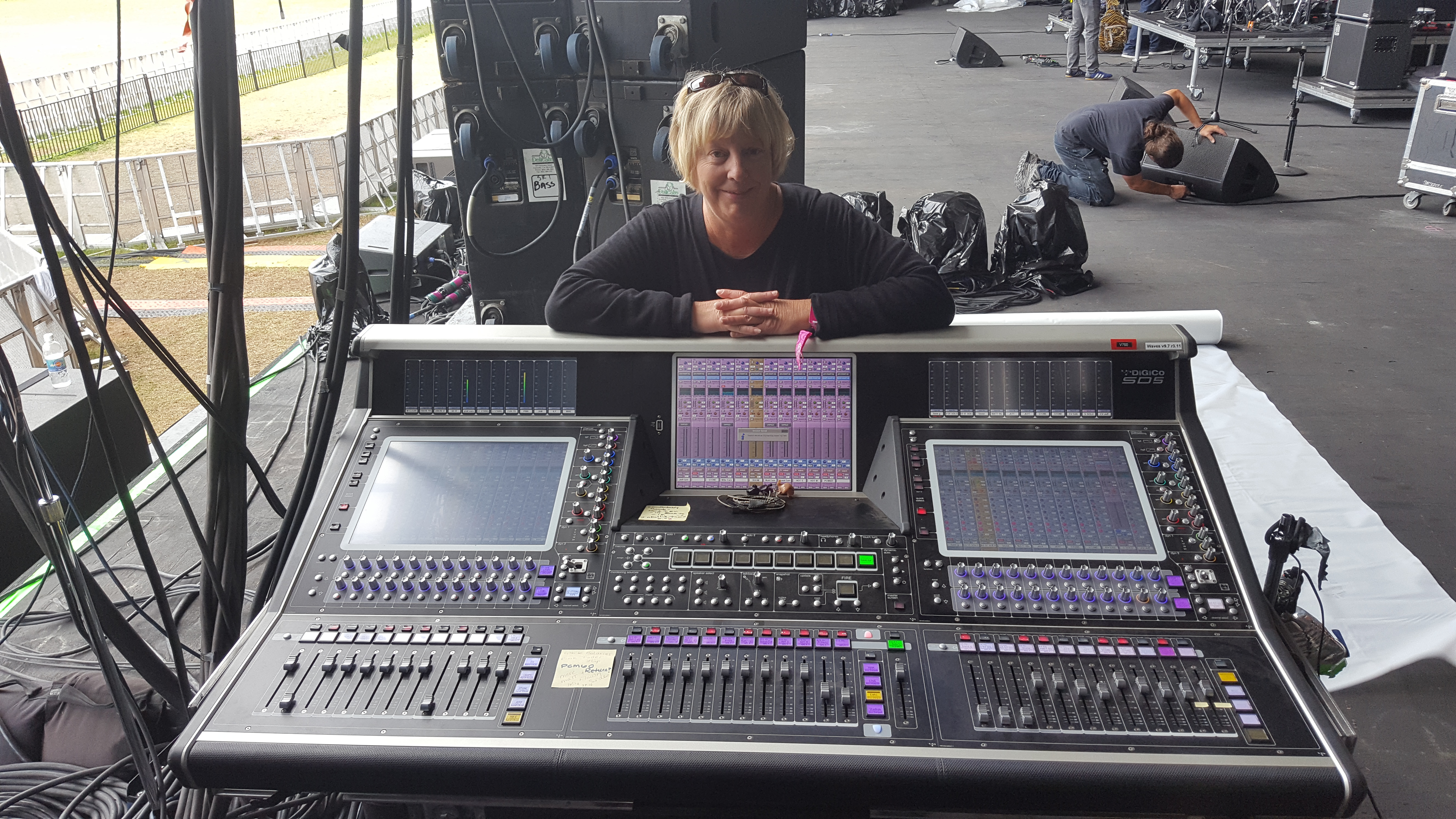
20160717_113247-1Karrie Keyes – Monitor Engineer for Pearl Jam and Eddie Vedder – Executive Director and Co-Founder of SoundGirls.Org

Karrie has spent the last 25 plus years as the monitor engineer for Pearl Jam. Karrie started out doing sound for punk bands in Los Angeles in 1986 under the tutelage of Dave Rat of Rat Sound, where she spent twenty years helping to establish the company. She was able to gain an immense amount of hands-on experience and technical knowledge at Rat, which eventually led to her becoming the monitor engineer for The Red Hot Chili Peppers from 1990-2000. She first met and started working with Pearl Jam who opened for RHCP on their 1991-1992 Blood Sugar Sex Magic Tour. She has worked with Sonic Youth, Fugazi, and Neil Young.
10329981_10202734866705629_3189953941176639467_oErika Earl – Director of Hardware Engineering for Slate Digital and Slate Media Technology

From pulling out the soldering iron to setting up microphones around a drum kit, Erika Earl brings experience from all sides of the professional audio business. Her understanding of audio electronics was earned through more than a decade of experience repairing, servicing, and performing quality control for a wide range of top manufacturers, including Tube-Tech, Drawmer, Focusrite, Daking, Bock Audio, Avid, Little Labs, and many others.

She has also engineered for studios and run FOH throughout Arizona and California. Erika served as Head of Technology and Chief Technician for LA’s landmark studio The Village. When she’s not thinking through a schematic or evaluating the subtleties of a tube compressor, you’re likely to find her sifting through her collection of vintage records and rare books.
imageLeslie Gaston-Bird Vice President for the Audio Engineering Society’s Western Region  & Associate Professor of Recording Arts at the University of Colorado Denver

Lesie has over 25 years of experience in audio for film and video, music recording, and radio. She graduated from the Audio Technology program at Indiana University in 1989. She also holds a BA in telecommunications and an MS in recording arts. She has worked for National Public Radio in Washington, D.C., Colorado Public Radio in Denver, as recording engineer for the Colorado Symphony and as a sound editor for Post Modern Company in Denver. She has performed soundtrack restoration on films from the Sony/Columbia Pictures archives and is one of the pioneers of a music video production style she calls “Music Video Vérité”. She runs her own freelance audio post production company, Mix Messiah Productions, LLC. She is also a Fulbright Scholar.
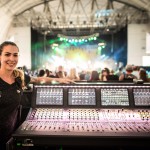
fullsizerender-1Grace Royse – Live Sound Engineer and Production Manager

Grace Royse is a Live Sound Engineer and Production Manager with 11 years of experience in world touring.Clients include Sublime with Rome, Fitz and the Tantrums,  Maintaining a background in studio productions, business management and artist development, she has mentored several young men and women over the years, all successfully working within the industry today.”
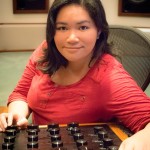
 

jett-lab

Jett Galindo Audio and Vinyl Mastering Engineer at The Bakery

Jett Galindo is an audio & vinyl mastering engineer from The Bakery, located on the Sony Pictures Lot in Culver City. With credits spanning different genres and legendary artists (Bette Midler, Nile Rodgers, Colbie Caillat, to name a few), Jett carries on the legacy left behind by her late mentor, mastering legend Doug Sax of The Mastering Lab.

A GRAMMY Voting Member (P&E Wing) & Latin GRAMMY nominee, Jett is also an accomplished soprano who specializes in choral ensemble music. Jett also ​devotes part of her time writing for Soundgirls and volunteering for Berklee College of Music as an Alumni Ambassador.
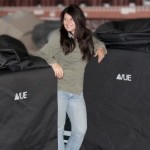
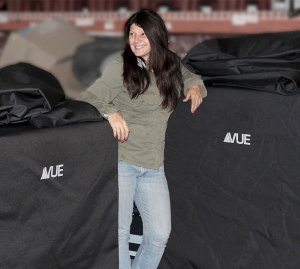
sara-coversdolliesimg_1024Sara Elliot VP of Operations and CoFounder of VUE Audiotechnik

With more than 20 years of experience in professional audio, Sara has held strategic marketing and operational positions with numerous sound production companies including Burns Audio, A-1 Audio, and PRG. Sara also served as Director of Marketing and Sales for Live Sound International Magazine and ProSoundweb.com, two of the industry’s most respected news and technical information sources. Sara brings to VUE Audiotechnik a wealth of industry relationships and a deep understanding of business operations.

dawn-birrDawn Birr – Global Commercial Manager Sennheiser and Neumann

Dawn Birr is the Global Commercial Manager, Audio Recording with Sennheiser & Neumann.  Dawn started out as temporary receptionist and with strong mentors and a nurturing culture has been able to work her way to the top.  During the 16 years she has been with Sennheiser she has held these positions, Neumann Product Manager, RF Product Manager the Sennheiser 3/5K series, Channel Manager for Installed Sound, Vice President of Sales & Marketing for Installed Sound in the U.S.
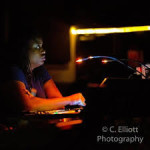
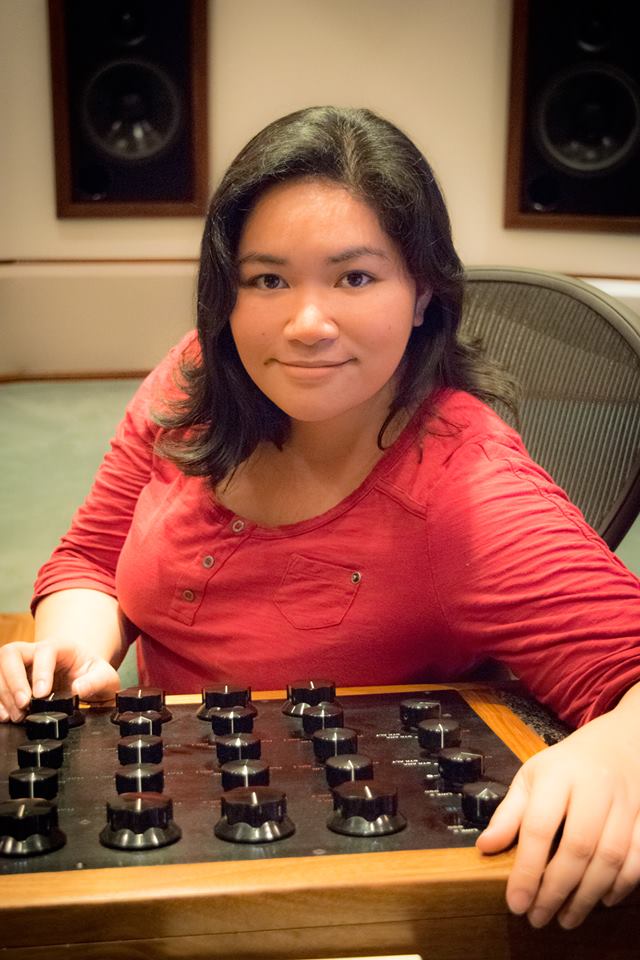
download-40Fela Davis Sound Engineer and Owner of 23db Productions

Fela Davis is a co owner at 23db Productions based out of New York City. She’s a graduate of Full Sail University and has over a decade of experience in audio engineering. Her past experiences includes working for industry power houses Clair Broadcast and House of Blues. When she’s not mixing or mastering songs for 23db Productions, she’s mixing front of house engineer for the 5-time Grammy award winning jazz artist Christian McBride and Grammy nominated Ottmar Liebert.
img_5006Claire Murphy Guitar and Backline Tech

Claire holds a Bachelors degree in Music Technology from Hertfordshire University in the UK. She has 7 years of professional touring experience as both guitar/backline tech and as Tour Manager. She recently moved from London to California (Los Angeles). She has a business in the UK providing storage for bands in London, and previously provided rental sprinter vans but sold these when she moved.

1_catharinewood

Catharine Wood Recording – Mix Engineer – Owner Planetwood Studios

Catharine Wood is a Los Angeles-based composer/producer with a recording studio in Eagle Rock. With a background in audio post-production for commercials, Catharine engineered on the first iPhone commercial among hundreds of national and international campaigns – including the Geico Caveman and Priceline Negotiator spots. As a mix and mastering engineer, she has engineered on over 200 commercially released songs – including her own custom compositions which have aired on NBC, ABC, BBC, ESPN and more – both nationally and abroad. She is a GRAMMY® Voting Member and Producers & Engineers Wing member.

Catharine currently holds a position on the LA Recording School’s Recording Arts Program Advisory Committee and is the former Director of Southern California for the West Coast Songwriters organization. She is a proud Professional Member of the Society of Composers & Lyricists and in 2016, Catharine was elected to the California Copyright Conference board of directors. Her company, Planetwood Productions, specializes in producing singer-songwriters and providing engineering and composition services to the TV and Film industries.
unnamed-6

Tiffany Hendren Live Sound FOH and Monitor Engineer

Tiffany Hendren is a monitor engineer at The Pageant in St. Louis and the House Engineer for the Del Mar.  She tours as the FOH Engineer for “A Silent Film”. She has been involved in sound professionally for around seven years, full-time about five. Tiffany is the Co-Director of SoundGirls.Org.
 

loanneLoanne Wullaert Venue Manager and Owner of the Phoenix a Stagehand Labor Staffing Company

Loanne is not a sound engineer. She does not know the difference between a NL4 and a Noitrix.  She cannot spell that either. However, she is a venue manager, and performer and runs The Phoenix a successful stagehand labor company. She has worked in the industry since 1986 and knows what good sound is. She also knows flattening the EQ and turning it up to 11 does not solve anything.

About Loanne:  In her spare time she sings and plays piano, works on restoring her 1850’s house and has helped to save hundreds of dogs in the last year from being euthanized at Los Angeles shelters.

love-my-job-sasquatch-2016

Jessica Berg – Tour Manager and Live Sound Engineer

Jessica is a freelance TM/FOH/MON engineer and is currently touring as the TM for Phoebe Ryan. Jessica is SoundGirls.Org’s Director of Development. She is honored and excited to be volunteering with a growing organization and community that is achieving its mission – to help empower the next generation of women in audio, expanding opportunities for girls and women in the audio and music production fields, and sharing resources and knowledge through cooperation, collaboration, and diversity.
dan_profilepicDaniella Peters – Head of Sales and Management Team at Rat Sound Systems

Daniella has been with Rat Sound for over 15 years building their sales dept from a concept to a multi million dollar part of their business. She started off her career working for an international cosmetics company doing their live event production. She then transitioned to HHB Audio and Ashdown Music, Emap Performance (Kerrang and Q magazines) in London and now with Rat Sound.

She is passionate about women’s issues and spends a good portion of her spare time using her production skills to produce and host music and fashion fundraising events for various women’s non-profits.
m-holmes-photo

Meegan Holmes – Global Sales Manager Eighth Day Sound Los Angeles

Meegan graduated from California Institute of The Arts from their Technical Theater program in 1993; she entered the live production industry before graduation as a local stage hand with LA Stagecall in Los Angeles. In 1997, she began her 18-year audio career with Delicate Productions where she worked as a touring technician and engineer. Meegan wore many hats simultaneously during her time with Delicate Productions including Labor Coordinator, Project Manager and Account Manager.

This past March she joined the international touring audio company Eighth Day Sound to open and manage their new Los Angeles operation. Throughout her 24 years in the industry, she has worked hard to elevate others through hiring and mentoring. Her new position as a Global Sales Manager with Eighth Day Sound is no exception, hiring a full-time staff and expanding the company’s west coast-based freelancer pool as well as building the company’s touring and west coast based clientele.

Broadcast Engineer Jeri Palumbo, Production Manager and StageHand Hire Loanne  Wullaert, Touring Production for Rat Sound Systems Kim Sawaya Levine. Stay tuned for more announcements.


Baby Microphones and Self Production

Staying motivated and inspired as a female in a male-dominated industry can become incredibly daunting. Usually “I want to work with you” gets misconstrued as a dinner date or even worse, “I like you” might get taken as “I want to work with you.” Welcome to my world, where “little girl” usually precedes “what are you doing behind the console” and where my body of work is usually thought to be written and produced for me. I am a producer/engineer, that happens to be a woman.

Since I was very young, I always had an ear for sound, harmonies and things that made sense in my head as an arrangement. Not only one melody, but many contrasting melodies painted vivid colors and gave me different feelings. I started playing multiple instruments by applying the theory of piano to guitar, and that to violin, viola, etc. Before I knew it I was able to compose my own symphonic works and like a mini anvil falling from the sky… I realized I was a producer. When I started making music, I had one of those little tape recorders with the face and the microphone. I would tape over cassettes and hold the mic to my keyboard and put a split sound and a beat to it, essentially a live recording (JK, but in theory, I guess). I think that was my first take as an audio engineer — making the recording not clip and adjusting everything accordingly so that I could hear both sides through one incredibly unfortunate baby microphone. I think most of the time now, I keep that same sweat ethic with different gear. It took me so long to develop my crafts but I never lost an ounce of enthusiasm, that’s what keeps me mostly motivated. I live for production and writing.

13606623_10206842016993288_1134111027423738312_nI write daily, sometimes 4-5 songs in one day- depending on my level of inspiration/caffeine. There are certain beats or songs that have fermented in my head throughout the day or over a period of time that by the time I’m ready to give them life, they’re more or less done. Sometimes it’s a lyric, or a piano lick, or a melody in my head, or a feeling that feels like a color that feels like a certain emotion that will sound a certain way in my head and I paint that sonically, and develop from there. I think most music has an organic way of flowing from one point to the next. I don’t really stress about making music unless I’m producing for someone else and I’m on a crazy deadline and have other ideas in my head. (I get incredibly cranky and strange when I don’t make music o.0 ) Sometimes I have to throw the ideas for my own stuff on the side and concentrate on other things, or tying up loose ends and finishing touches on beats/lyrics that are for another person. Either way, there is no lack of inspiration or hard work on my end. I think since I love what I do, I’m able to do it 24 hours a day and it doesn’t feel like work or a chore. It’s just like breathing for me, it’s natural, and that’s what really helps my workflow, as does being my own producer.

Don’t get me wrong, I do have so many producers I love and would love to work with but self-production can sometimes be the best approach to a record if you can take yourself objectively out of your own head and not get married to certain sounds that may not complement that work or arrangement (easier said than done, I know that). There’s no better way to get your vision across than by producing yourself, it feels more real to me that way and I can connect with the music more and have a better vocal and musical performance and overall experience with a song or record. I have so many ideas and many times people want to play things safe, and I just don’t have time for that. I’m a risk-taker; life’s too short to play it safe. By producing and mixing things myself, I’m able to get every idea out of my head and not have to describe it or go through trial and error until it sounds how I thought it would sound. It’s a lot more work while composing a record, but I think it’s more rewarding and fulfilling. I’ll throw in a lot of hidden things sonically or musically that enhance my art, which had I not been so involved with my own material, I probably wouldn’t be able to do. I think most of all it’s empowering. I started off as a musician and writer to a producer from my natural curiosity, and studied audio out of a love for sonic art, then realized the ultimate perk; it was the best way to avoid the ever creepy “What are you going to do for me?” engineer. (I can feel the silent nods) I will leave it at that; be your own boss, be your own idol, be your own producer/engineer/writer and most importantly be yourself.


1380290_10202060927029027_2965347870082939655_nEve Minor is an up-and-coming artist based in New York, with origins in Southern California. While she formerly spent time as part of Universal Music Group’s songwriting team, the talented singer, songwriter, producer, and multi-instrumentalist is ready to break out on her own in 2016.

Minor has faced a multitude of trials and tribulations throughout her life, including a difficult childhood in foster care, toxic relationships, and a battle with cancer, all while never letting go of her ambitions within the music world. With all that she’s learned in her young life, she aims to inspire other artists with her writing and uses her personal struggles to inspire young women everywhere.

Her latest music endeavors feature the flavor of New York’s hip-hop scene with splashes of her own California roots. The production, largely developed by herself through her use of Reason, Logic, and Pro-tools, is inspired by late-night adventures and new friends, while also telling the story of making the most out of being dealt a tough hand in life. Minor cites that she was influenced by Miguel, Nina Simone, Amy Winehouse, as well as Alice In Chains, Phantogram, and Citizen Cope as major inspirations for her sound, and credits Mobb Deeps’ “Quiet Storm” as the song which made her enamored with hip hop. With various influences that range from pop to soul to hip hop, Minor has crafted an unique style and sound that is all of her own.


Bella Blasko – Creating a Safe & Supportive Environment in the Recording Studio

photo4Bella Blasko has only been working in professional audio for six years, yet she is making her mark working with artists such as The National and Natalie Merchant, and working at Dreamland Studios and The Clubhouse in New York. She works as an independent sound engineer and depending on the session demands, works as an assistant engineer, engineer, producer, and musician. Being flexible in the roles she takes on has given her valuable experience. Her passion is to work with female artists to help them make their art, get their voices heard, and offer an alternative to the male-dominated studio culture.

photo3Bella graduated from Bennington College with a degree in music, with a focus on Classical Piano Performance. While at Bennington she explored music production, signing up for recording classes with sound engineer Julie Last, who was a huge inspiration to Bella. Bella says, “Having an amazing female engineer as one of my first teachers and role models made it seem like a viable option to go into music production, and she helped me to get my first internship. She has such a careful and delicate way in the studio, it gave me an example from the beginning of what a feminine approach to audio could look like. I’ve adapted my own way of working in the studio since then, and I definitely find myself in a predominantly male environment most of the time, but having had Julie as an early role model helped me to feel comfortable and confident that I could become an engineer and exist in the studio world.” Julie was instrumental in Bella’s decision to pursue a career as a sound engineer.

While at Bennington College, Bella started an internship at Clubhouse Studio which eventually led to her working as an assistant engineer and gaining more contacts in the Hudson Valley. She was also experimenting with writing and recording her own songs and found it extremely fulfilling. Bella loves the whole recording process and enjoys helping other artists to produce and record their music. She says “at first I was intimidated by all of the gear, but now I’m so comfortable in the studio, and I want to help the musicians I work with to feel at ease in that environment as well.”

photo1Bella recently started the female-run independent record label Spirit House Records. She explains their mission is to “elevate female voices in a male-dominated industry and to empower each other to make and distribute art on our own terms”. Spirit House Records is based in Portland, OR, and is run collectively by Bella, Johanna Warren, and Monica Metzler. Bella and Johanna began collaborating in 2013 and Bella has engineered, mixed, and co-produced three albums for Johanna. Bella says they had many conversations about the role of women in the music industry, “how female artists are often overshadowed by the male producers, engineers, and musicians around them, and how completely different it can feel to work on an all-female team. We talked about how almost all music that we hear has at some point passed through a male lens, and how we know so many talented female musicians who don’t seem to be getting the recognition we think they deserve. We had thrown around different ideas about how we could contribute to empowering independent and upcoming female voices in the industry, and when Johanna came to me with the fully formed concept of Spirit House, I was immediately on board. We decided to start a label that would focus on releasing the work of female and non-binary artists. Our goal is to empower artists that we believe in and whose music we love by creating a safe and supportive network and dismantling self-doubt”. Spirit House is also a full resource for independent artists, providing expertise with music releases from start to finish; including recording, mixing, production, PR, album art, video editing, radio campaigns, booking a tour, etc.

Spirit House currently has four female artists on its roster who have written and produced their own albums. They have plans to expand to include at least four new artists in 2017. You can hear the Spirit House Sampler with a track from each of their current artists.

What if any obstacles or barriers have you faced?

One of the first obstacles that I quickly realized was needing to be strong enough to move a lot of heavy gear around in the studio! I started working out more and trying to build up my strength so that if someone asked me to move a heavy guitar amp, I could do it. I’m not saying I don’t need to ask for help sometimes, I definitely do. The other main obstacle I’ve faced is the combination of being a woman and looking young. I’ve often had bands or producers come into the studio and start talking to a male intern as if he were the assistant or engineer. I’m still working on this one, but I’ve found that introducing and identifying myself right away helps. The proof is once we start working or setting up a session, then people can see that I really know what I’m doing.

Advice you have for other women and young women who wish to enter the field?

Be determined – it’s not always easy, but if you’re passionate, stick with it. It takes a lot of hard work. Be open to learning something new from every session or situation you find yourself in. Every engineer/producer/musician/band can have subtly (or drastically) different ways of making a record. I think it’s important to be able to adapt and to realize what you can learn from each one. Be yourself. Some situations seem to require a more neutral presence, but don’t lose sight of your own voice.

Be prepared to work long hours.

Must have skills?

The ability to work fast and anticipate people’s needs or what’s coming next. For me, I find that has to do with being sensitive and intuitive (which are often thought of as feminine traits), and knowing the process. Also, patience. Genuine patience.

Favorite gear?

LA3A, on so many things. Especially female vocals.

What do you like best about working in the studio?

I like being able to get sounds, to sculpt them and work with them. My favorite part is being there when a band does an incredible take of a song or someone lays down an amazing overdub. It can be a magical moment, and I feel lucky to be in the room to witness those moments that will be documented in the recording forever. What I also love about working in the studio is that no two sessions are ever the same. It changes so much depending on the music and all of the people involved. It keeps it interesting and constantly changing. Each session is a unique experience, and I think the vibe of that comes through in the music.

What do you like least?

Sometimes working long hours for days or weeks on end can be kind of brutal. It can be hard to keep up with normal life stuff like doing your laundry or going grocery shopping. But it’s worth it.

What is your favorite day off activity?

Going for a hike or just getting outside. After being in a control room all the time, I’m always craving some fresh air.

Spirit House goals for 2017:

We are working to promote independent and upcoming female artists to get their music out and their voices heard. We have had 4 releases so far this fall – Johanna Warren’s LP Gemini I, Lola Kirke’s debut EP, Forest Veil’s LP Zoolights, and Indira Valey’s LP Recordar. My own debut album (under the moniker Vellum) is the next release scheduled to come out on Spirit House, so I’m currently working on gearing up for that release in February. I wrote all the songs, played and sang all the parts, recorded and mixed the whole album on my own in the studio after hours, or when it wasn’t booked, so creating it was a very internal and isolated process, and I’m really looking forward to releasing it with Spirit House to share the music that came out of that experience.

I’m glad to have the support of Spirit House in this release, and it gives me a glimpse into the experience of being a new artist on the label. In a way, I can get to experience the label from both sides, which can help me to figure out what to work on in terms of the kind of support artists want from the label, what support we can provide, and just generally how to tailor the experience for each artist. It makes me think of a similar experience that I’ve had existing on both sides of the glass in the studio – from recording my own music or being hired as a vocalist, to being the engineer on a session. Both can be totally different experiences but they completely inform one another. My work as a musician has greatly helped my engineering skills – being able to communicate with musicians, knowing where to punch in, what kind of edits they want or how to do the edits so they sound natural and musical, being able to follow along on a score or a chart – have all really helped me.

photo2We are already working on exciting new plans for Spirit House Records in 2017. As I mentioned before, my debut album Vellum Not So Far will be released on Spirit House in February. We are also in negotiations and expecting to add 4 new artists to our roster with upcoming releases in 2017. The artists we’ve been talking to are all incredible female musicians and songwriters who we really believe in and are looking forward to working with. I’m particularly looking forward to these new additions to the Spirit House team because several of the artists are in the phase of getting ready to record their new albums, which I’ve been talking with them about engineering and starting to plan when and where we will record these new bodies of work. I think it will be great to be able to work with an artist all the way from recording to mixing to promoting and releasing an album. At Spirit House, we aim to be a full-service label for independent artists, able to facilitate every step of the process in creating and releasing an album.

Musings on the Role of Femininity in the Music Industry

Historically speaking, women, and those that are female-identifying, have largely been unwelcome in the music business. Unless you were an overstated, hyper-exaggerated version of a sexual, feminine ideal in a front person role, you had no place, no business being near a stage, studio, or mixing board.

The concept of the feminine identity in relation to the music industry is one that perplexes and fascinates me. Now I don’t necessarily mean simply dressing in a “girly” way – most, if not all, of us, are unable to wear a skirt when working (it’s not practical in the slightest, not to mention a possible safety hazard in live situations. I prefer my trusty blue jeans.) – but more the attitude, the feeling of being “feminine,” whatever that means, and how it translates to our work.

I interviewed a few of my colleagues regarding their thoughts on this topic, asking the question, “have you ever felt like you’d have to reject your femininity in order to be successful in the industry?” Most that I asked this question to initially responded with a hard, “no.” Jill Meniketti, band manager for Y & T stated,

“That’s not something I’ve ever focused on.  I focus on my work, which I take seriously.  When you excel at your job, that garners respect, regardless of gender.”

Delving in a little deeper into the feminine mentality/attitude aspect garners a slightly different response. When I first got started in the studio, my college professor insisted that being a woman in the studio was a massive advantage, because they are better at keeping the peace and stepping into the role of the band’s creative therapist. My friend Eva Reistad, a studio engineer based in Los Angeles, echoes this thought. When I asked if there was a time when being feminine proved advantageous, she stated, “yes there was: band members sometimes are more open to the fact that you’re a woman, in which case they’ll sort of open up and tell you more things, which will cause the session to go better. I don’t think it’s really anything so much as femininity so much as being female.” Somehow, just being a woman allows people to feel more secure and comfortable in that situation.

Through all my discussions on this topic, the main conclusion I come to encompasses more than just femininity. It’s about being comfortable with who you are. As Eva puts it, in the end, what I think is how you present your aura, your energy, that will determine how you are treated. You cannot control how other people react. Be comfortable with yourself entirely.”

There is power in being a woman in the music industry. Being confident and secure in who you are provides a sturdy foundation for the rest of your work, whether you are a tech or an artist.

Jill’s Website:

Eva’s Website:


Where have all the Credits gone?

By: Catharine Wood

Advisory notice: This collection of words is 100% based on my opinion and observation as a professional engineer, producer, composer and music maker in Los Angeles, California, USA. I reference consumers and listeners with love and utmost respect…it is not your fault that the current, primary consumption mode of listeners now is streaming — which largely does not pay the creators of the music. My thesis here is directed at the streaming services: Where have all the Credits gone?

Back in the day (post-Wrecking Crew era), producers, engineers, studios, players, and songwriters (the list goes on and on) … became known for their work via Liner Notes (among other avenues – like word-of-mouth, playing live, etc.). As their reputation built, so did their workload, pay rate, and visibility. Sustainable careers were made. Now, in 2016, with CD sales dwindling and digital streaming “the new radio”, a large percentage of artists are DIY and their budgets have become micro with the “downsizing” of commercial music revenue sources. With the “trickle-down” effect of diminished performance royalties as listeners shift from terrestrial radio to internet streaming, compounded by the massive shift from physical CD album sales to iTunes 99¢ downloads…and now free streaming (from which songwriters earn fractions of pennies in performance royalties for their work),…recording budgets are smaller than ever. I share the following information for those interested music consumers, creators, and music industry professionals alike who would appreciate knowing who created the music.

To the point – I recently attended an industry roundtable; an intimate gathering of working music professionals and top audio talent. Grammy® winning producers and engineers – collected for an open discussion on the “current state of the industry”. The topic of Credits came up (and the fact that they have, literally, disappeared since streaming took the driver’s seat) – and a heated conversation about HOW can we make music valuable again ensued.

Now that music has shifted from a tangible commodity to digital “thin air”…consumers want music to be free and convenient. And with that, the streaming services, iTunes, and any digital retailer where music can be purchased (except, to my knowledge, CD Baby…who does allow a Credits section for the artist to supply the info for…as well as YouTube)…do not have place on the sale, stream or download page to list Credits. No link to see who wrote the songs, where the music was recorded, who produced, engineered or played what instruments on the album. Unfortunately, not showing who worked on an album, single, EP – or listing where the music was recorded – further perpetuates the current myth that music should be free. It also gives consumers the false impression that the music has magically come to be without hundreds of hours of work, careful consideration, execution and … a budget – consisting of actual money.

“In my father’s record store, why would I say, ‘Okay, I’ll tell you what. I’m gonna close my eyes and I’ll count to 30 and you take anything you want and when I open my eyes just don’t be in the store.’” -Philip Glass

Labels and DIY artists pay good money to hire a producer to hire the right people and studios to help make their music come to life. The music does not come to life on its own – out of thin air … yet consumers have grown accustomed to listening for little to nothing … with ease of use, accessibility and maximum selection as the priority. The ART of CARING about the ART of MUSIC and its CREATORS seems to have disappeared. Culturally. This was the topic of discussion at this industry round table … and it was unanimously observed that for music makers in the room especially – their business had been directly, and negatively, affected by two things: 1) the failure of streaming services to properly provide a space, field, link – PLACE – to credit players, studios, producers, engineers, songwriters, publishers, etc. and 2) the lack of consumers, culturally, not caring about the details of the art they are enjoying as a PASSIVE listener. Very few care to purchase the actual CD anymore — if the artist or label even has the budget to actually manufacture physical copies. It is my observation that music consumers are no longer ACTIVE listeners. Music may be the soundtrack to everybody’s lives — but in 2016, it’s coming at an immense cost to creators.

One solution presented by NARAS (The Recording Academy, aka The GRAMMYs) in their “Give Fans The Credit” initiative is to lead by example. Somebody, please, either update their streaming service to include a place to credit the creators … or create a new service that makes creators the focus with deserved recognition. Build a streaming service that focuses on the whole listening experience … as in the days of yore. Opening up the album, checking out the lyrics, seeing who’s singing or playing guitar…who wrote the songs…etc. The ART of LISTENING to music has devolved culturally to a nameless, earbud, playlist experience. I would argue that this has only happened since iTunes downloads and Streaming took over and turned music as a tangible commodity into a VIRTUAL commodity. With that said, I believe it wouldn’t take much to re-engage listeners again…with the right tools.

Photo Credit - Catharine Wood

Photo Credit – Catharine Wood

It may sound like too simple of a solution — but if people are listening and SEEING how many people work on an album to make it come alive … perhaps they might VALUE what they’re listening to a bit more … and understand “what a deal” their 99 cent download is or Free streaming. It’s a reality that “streaming’s here to stay” – but it doesn’t have to be the end of the line for music creators (many of whom have either had to resort to making music as a HOBBY or are leaving the profession altogether). Right now, with the Consent Decree issues going on in Washington, woefully outdated performance royalty rates, and the Copyright NOI loophole (if you don’t know anything about this, Google “DOJ ASCAP BMI 100% licensing”, “Songwriter Equity Act” and “Google And Amazon Leverage Copyright Loophole”), songwriting as a profession is on the verge of extinction. This sounds nuts to anybody who isn’t in the industry or doesn’t know what’s going on – but it’s the crazy truth of the current situation…because, in part, our culture, at present time, is more interested in commerce than it is in supporting art. IF credits were allowed for with the streaming services (like watching a movie with end credits…where you get to see who actually WORKED on the movie), you’d get to put a “name to a face”, so to speak, with guitar players, drummers, producers, songwriters, publishers — you name it: The great “de-mystifying” of modern commercial music.

The streaming services have essentially created an environment of music with nameless faces — so people can listen without caring. I truly believe that IF Credits were allowed again — as in the days of BUYING CDs and Vinyl after hearing a song on the radio that you can’t get enough of — and cracking open the record case or sleeve and having the opportunity to LEARN about and ENGAGE IN the music…the current, passive CULTURE of consumers would change – and caring (ENGAGING) would return. So would gainful employment for players, engineers, songwriters and producers on albums. Why? Because artists would see who did what and want to work with them. It’s very simple.

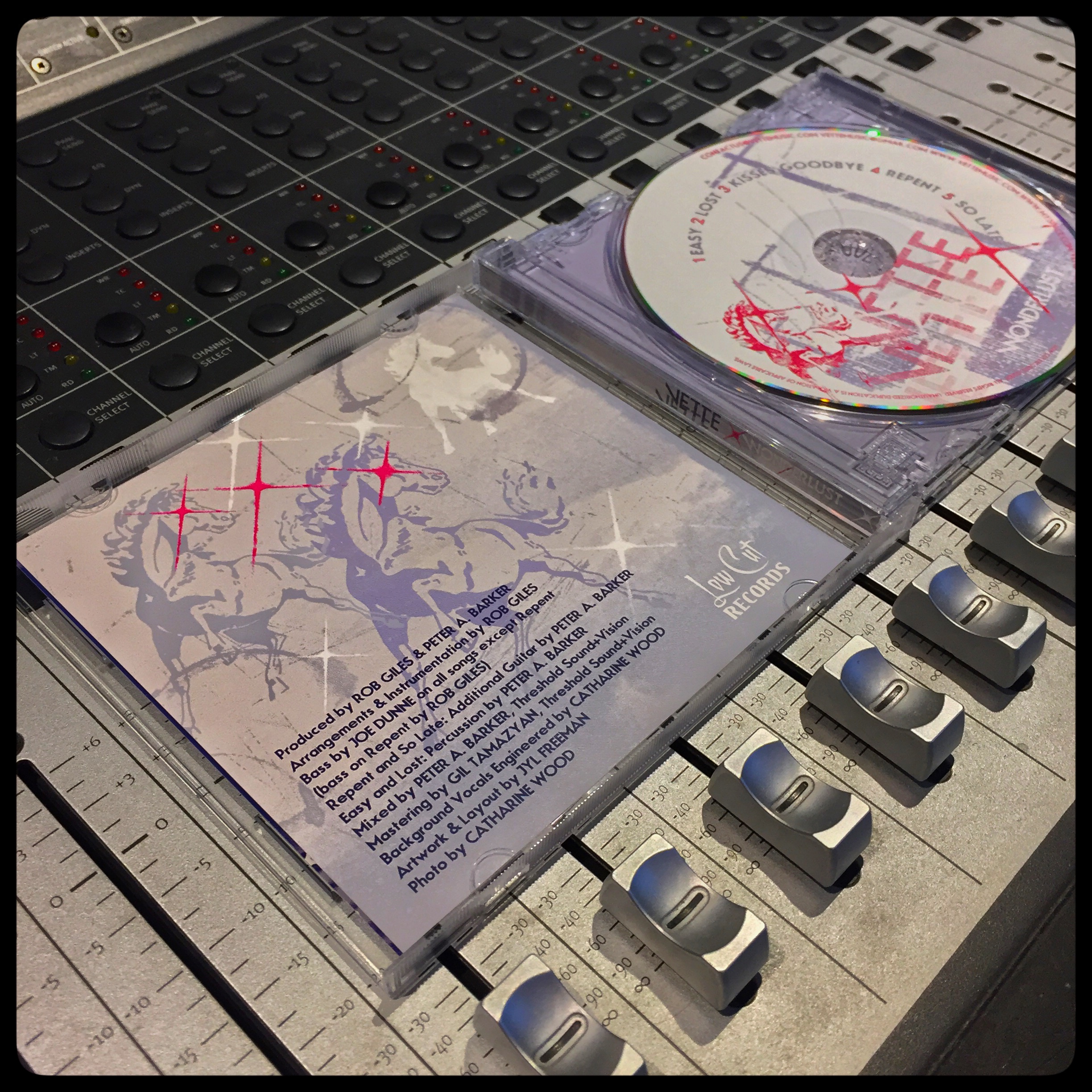
wonderlust_picbycatharinewood

Photo Credit Catharine Wood

It has become the “Wild West” in the music industry “behind the scenes”. We do everything we can to maintain our livelihoods as music professionals — and it does not need to be an insurmountable task. Though I am gratefully managing to continue paying my bills through sheer grit and passion for my craft and profession, my father aptly calls what I do “miraculously rowing up hill”.

Music is a beautiful part of life. For those of us who create it – it IS OUR LIFE – as artists & creators. Commercial music is a commodity. It is not free to make and it should not be free to consume. Can you imagine showing up at your favorite restaurant and sitting down – ordering – eating your dinner & then leaving without paying the bill? We call that dine-and-ditch…and it’s stealing. Streaming services: Please give creators the credit we deserve…so that consumers can know what their listening to – and appreciate it enough to actually value it enough to pay for it…and become engaged again.

#IRespectMusic #SupportMusic #StandWithSongwriters

1_catharinewood-300x300Catharine Wood is a professional mix, mastering, and audio post-production engineer. She produces singer-songwriters, composes music for film and television and owns and operates her own Los Angeles-based studio, Planetwood Productions.


Looking to move from music into post-production? Here’s some things to consider.

Post-production (working in film, television, or web/new media) can be a good option for someone looking to expand work opportunities. However, it can take just as much time/investment as music and may not be the right move for everyone considering it. It’s interesting how the music community recognizes the differences between a studio engineer and a front-of-house engineer – credits in one don’t guarantee a job (or even an interview) in the other. The skills of a re-recording mixer are equally different from a studio-based music mixer yet there are misconceptions like:

“If you have music experience, you can cross into post.”

“It’s easier to break into post than music.”

“It’s easier to find jobs in post-production than music.”

The reality of working in post-production today:

A less-experienced applicant who has some post-production experience may land a gig over a more experienced music professional. For example, when hiring for an ADR engineering job, a machine room operator or assistant may be promoted and trained versus hiring a Grammy-winning engineer little picture experience and no relationship with the studio. Someone in an entry-level job will gain experience through watching material for quality control or observing sessions. While sound quality is important, it’s equally crucial for an ADR or Foley engineer to quickly identify problems and make on-the-fly decisions about performance and sync. We’re talking about .03 second time differences working with picture – it’s a skill that takes time to hear and see that level of detail.

Some tips for getting into post-production:

Most importantly, if you’re looking to work in post as a way of supplementing income, ask yourself if you’re really interested (and driven) to learn post and put in the effort. You’re in the running against people with skills, credits, and passion for the job. Hiring managers (and those hiring for indie projects) can tell the difference between applicants who are truly passionate about post and looking for a long-term relationship/career versus someone in it for money or who just needs a gig.

Post-production can be a great fit and career move for someone with music skills and experience. While the skills are similar, there can be an expression of creativity and collaboration that is different from any experience in music. The hours are generally more favorable than music studio life and there’s a lot of opportunities to try new things (like ADR, Foley, dialog editing, sound design, mixing). Technology is always improving and creating more opportunities to learn (such as the current trend: immersive sound). After getting into post, you can earn a really good salary if you’re willing to put in the time/work. There can be a lot of variety and opportunities whether it’s working in film, episodic television, documentary or reality, promo/advertising, new media content (web videos) and for some, it can lead to opportunities in video games and other visual media

Brace Yourself

Starting out in the audio industry, whether in live or studio, is a wee bit tough. Even when I was in school during finals week, when I had three papers due, juries and ensemble shows to perform, and recordings to finish while also working a day job, I don’t think I was this stressed and worn out.

I wake up in the mornings with my teeth sore from clenching, my brain slipping though my ears from what feels like overuse. I pay my bills with a day job that is far removed from what I want to be doing, and on the few days and evenings I have off, I’m at the job that I do want to be doing.

It’s physically grueling. Many of you youngins may also be feeling the same way. But it’s all worth it, because the pride I feel when a session is going well, or when I successfully help rotate one live band’s setup to the next band’s setup in less than fifteen minutes is immeasurable.

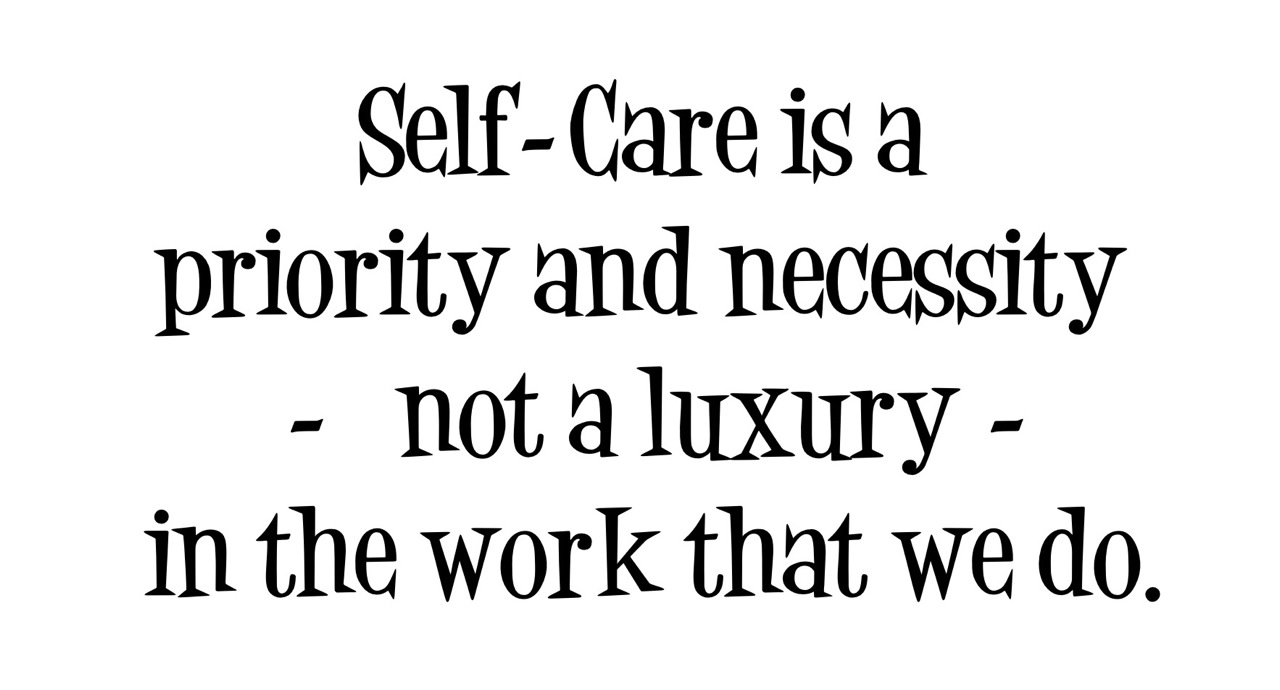
Throughout all this stress, it’s important to remember to carve out even just a few little minutes a day for yourself. It can be anything; reading a favorite book in the break room, taking a few centering breaths before bed, stepping outside to stretch… Anything. Beyond that, make sure you’re surrounding yourself with a strong support network of people who “get it,” those that understand that you’re working towards something great.
Steeling yourself away is a tough thing to do, especially if you’re on a gig that’s lasted over nine hours, and you haven’t showered in two days. But it’s as necessary as a decent night’s sleep, and it’s what will keep you moving forward. After all, you can’t give from an empty basket.


SoundGirls.Org  Note – Keeping yourself sane and avoiding burnout is important. Some of our contributors have written about avoiding burnout and stress.  Here are a few

Finding Balance

The Grind

Hi! My Name is Samantha and I am Addicted to Work

Part Time Mixer —– and Part Time What?

A Perspective on Success

Taking Care of You on a Gig

Happy New Year! Goals Anyone

Soundgirls Europe Chapter Tour of The Church Studios

Back in August this year, members of our Europe Chapter were offered a unique opportunity to get an inside look at one of London’s most iconic recording studios, The Church Studios.

As the name suggests, the studios are located in half of a historic 19th-century church building in Crouch End, north London. The other half of the building is still a place of worship, as it has been for over one hundred years.

In the early 1980s, half of the building was purchased and converted into a film studio by animators Bob Bura and John Hardwick, best known as the creators of classic British children’s programmes Camberwick Green and Captain Pugwash. After a couple of years, the duo rented the huge upstairs room, which formed half of the original main church space, to another soon-to-be-famous duo: Dave Stewart and Annie Lennox of Eurythmics.kirsty-gillmore-oct2016-pic1 Eurythmics recorded their debut album Sweet Dreams in the studios in 1984, with the title track apparently recorded in an office room. Following the success of the album, Stewart and Lennox bought the entire studio facility and spent the next twenty years recording material, as well as opening the studio for artists such as Bob Dylan, Radiohead, and Depeche Mode.

In 2004 the studio was sold to David Gray, who owned it until 2013 when it was bought by Paul Epworth. The award-winning producer of Adele and Florence and the Machine, among many others, rescued the studio from the threat of becoming luxury flats.

2013 saw the start of a major refurbishment for the studios, a move that would take it from an iconic studio to a world-class recording and production facility. As well as transforming the beautiful main church space into a unique tracking studio (Studio 1), the refurbishment included a total redesign of the SSL studio (Studio 2) into a state-of-the-art space and the creation of a separate writing room.

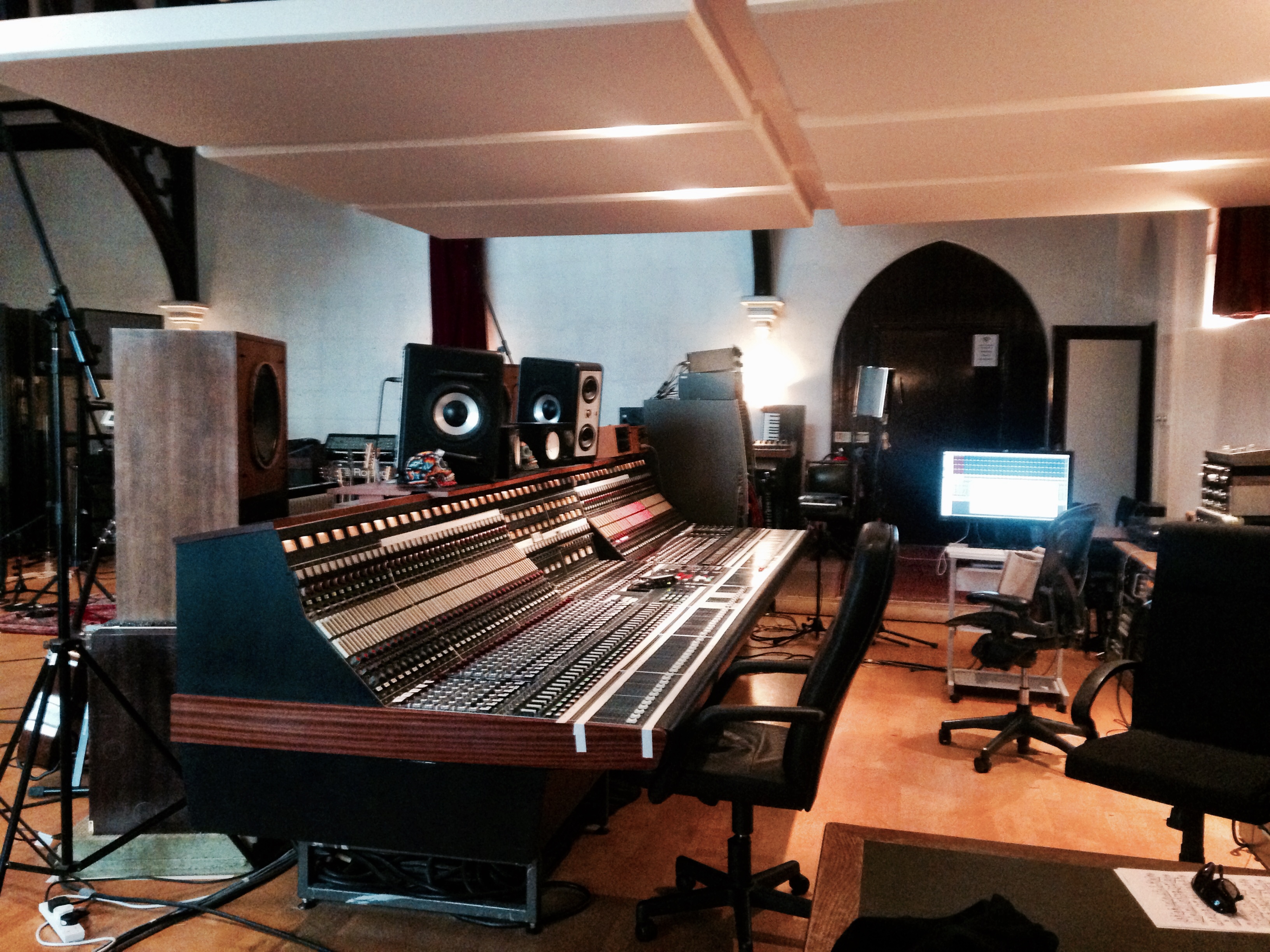
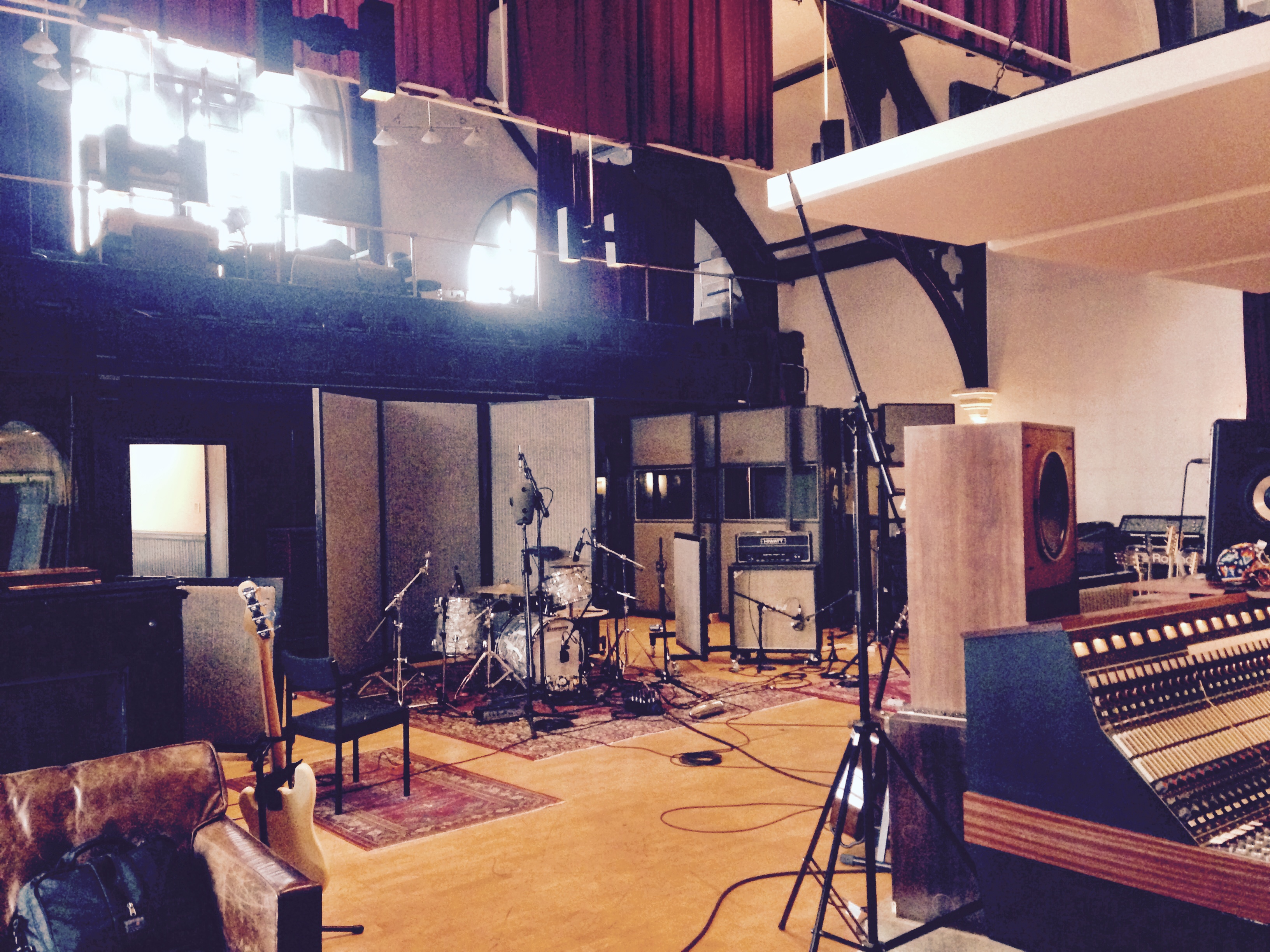
kirsty-gillmore-oct2016-pic2Walking into Studio 1, I was first struck by the space. Even knowing the building was a former church, the sheer size, and height of the room was still a surprise. The acoustic treatment is effective but not intrusive:  an acoustic ceiling suspended about the Neve desk and a few curtains, carpets, and baffles. House engineer Riley MacIntyre was kind enough to let us experiment with a binaural microphone so we could explore recording in the space.

The second thing I noticed was the gear. So much amazing, vintage gear. From analogue synths to outboards, it’s pretty clear that Paul Epworth is something of a collector. For a dose of serious gear-envy, there’s a full list of the gear available here. I was struck by a few notable examples.kirsty-gillmore-oct2016-pic4

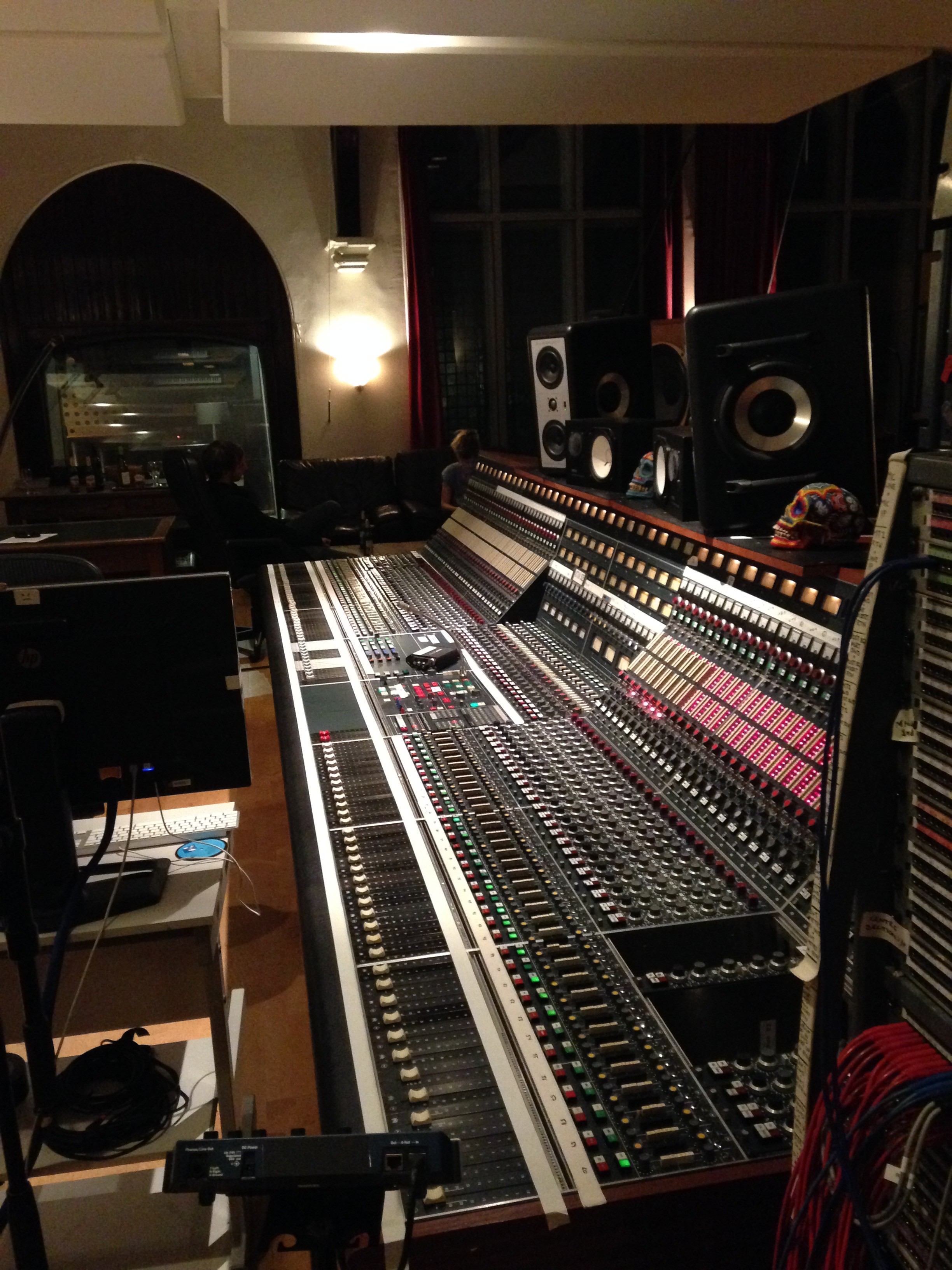
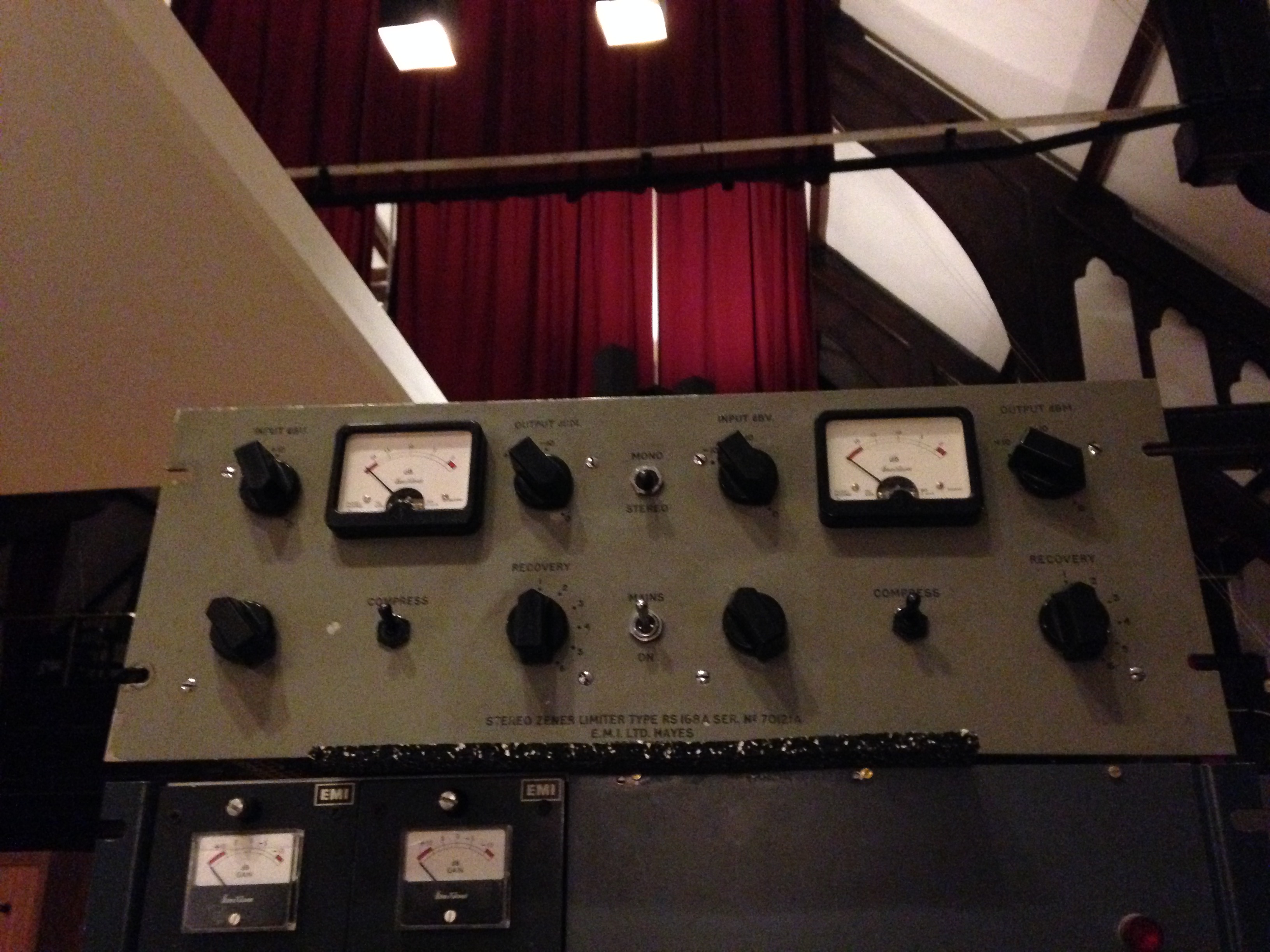
The 72-channel vintage EMI Neve console is pretty unique. The only one in London, it is, in fact, two desks put together – one-half originated from Abbey Road and the other half from the Pathe Marconi studio in Paris. And it’s huge – you need a studio the size of The Church just to house, plus an extensive patch-bay.

Riley told me his personal favourite piece of kit was the1960s EMI RS168 dual limiter. I’ll have to take his word that it makes everything sound amazing, this processor is so rare I think the closest I’ll get to another one will be a virtual model.kirsty-gillmore-oct2016-pic5

We ended the tour with a quick look in the machine room to admire the Studer A80 and Otari MTR 12 1/4” tape machines and the EMT 140 Plate Reverb and to take in the unique décor (baroque-styled wallpaper and iron curlicues) leftover from Dave Stewart’s tenancy.

The infamous tartan carpet is long gone, but The Church continues to welcome famous faces – U2, Kanye, and Thurston Moore were all mentioned as being recent clients during our tour. Long live the regeneration.

With thanks to Riley MacIntyre and The Church Studios for being so welcoming.


Erin Barra – Educator, Songwriter, Producer, Music Technology Consultant

erinErin Barra has a wide-ranging skill set educator, songwriter, producer, multi-instrumentalist, and music technology consultant. Erin specializes in music technology integration; she works with artists/bands looking to integrate laptops and digital technologies into their writing, production and stage setups. She has developed, taught and executed several music technology curriculums at the open source Coursera, and ROLI, K-12 Beats By Girlz, and collegiate levels Berklee College of Music, Berklee Online.

Erin is an Associate Professor in the Songwriting Department at Boston’s Berklee College of Music and is one of the leading product specialists for Berlin-based music software company, Ableton.  She has worked with an array of artists, from Grammy-winning artists engineers and producers; John Oates, George Massenburg, Kathy Mattea, Elliot Scheiner to those at the front lines of the independent movement Res, Miles Robertson, Ari Raskin.

SoundGirls caught up with Erin for an interview.

What is your specialty in music production?

I specialize in helping people reach their goals, whether it’s through collaboration, education or consultation. I communicate with people really well and have the creative and technical skill set to make most things in the music and technology realms happen.

Are you independent or do you work for a company?

Berklee College of Music is my home base, but I have my own consulting company MAMMA BARRA LLC that I freelance under, and work for private clients and for different brands such as Ableton, ROLI and Beats By Girlz

How long have you worked there?

This is the beginning of my 3rd year at Berklee, and I’ve been working for myself for about ten years

What is your current position?

Associate Professor

Give us a little background on what led you to work in music production?

I was pursuing a career as a singer/songwriter and felt completely out of control of my own content so one day I decided I was going to figure out how to produce myself.

How long have you been working in music production?

I’ve been producing for about ten years

How did you get your start?

In my bedroom studio haha.  No, but seriously, it was the work that I did at home on my own time that led to most of the opportunities I’ve had. I don’t think there’s any one thing that was a beginning for me; it’s just been this one very long and nonlinear journey.

How did you get interested in music production?

My father is an audiophile and places speakers for a living, so I was always interested in how things sounded.

What is your educational or training background?

I was classically trained as a pianist from ages 4-18, got a piano performance and songwriting degree from Berklee right out of high school and then learned all the music tech stuff the hard-knock way by teaching myself and asking a lot of questions.

What are your long-term goals?

Hold on to my sanity – I used to worry more about my career, but now that things in that arena seem to be less of a concern, it’s really more about maintaining my happiness in the midst of all the work. My other main goal is to have children, which affects both my work and happiness. It should be a huge adventure.

What are your current projects?

I always have about five irons in the fire at any given time, but right now I’m focusing the majority of my efforts on developing new curriculum for Berklee and building the Beats By Girlz initiative.

What is the Beats By Girlz Initiative?

Beats By Girlz is a curriculum and initiative designed to empower females to engage with music technology and build communities. We provide young women with the guidance, access, tools, and role-support to develop their interest (and ultimately their ability to pursue career opportunities) in music production, composition, engineering, etc. We are working towards gender equity in a field where women are highly underrepresented and strive help other groups mobilize and create similar change in their own communitie

What if any obstacles or barriers have you faced?

I try to view obstacles as opportunities, so I’ve had many many opportunities. Working in the music industry is full of barriers, but I think the biggest one for me was coming up with my definition of ‘success.’

How have you dealt with them?

Work harder than everyone else – keep learning – be open to change

Advice you have for other women and young women who wish to enter the field?

Find a good support system and communities to be a part of. It has so much to do with who you surround yourself with.

Must have skills?

Communication skills

Favorite gear?

I’m a laptop musician, so I’m more of a software gal – I’d have to say Ableton

You learn more about Erin thru her website – 

unspecified

X