Empowering the Next Generation of Women in Audio

Join Us

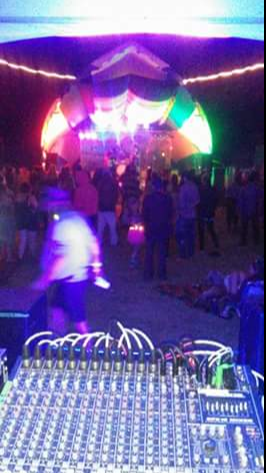
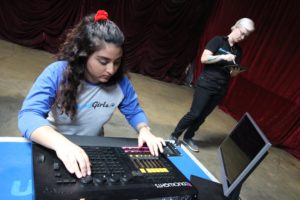
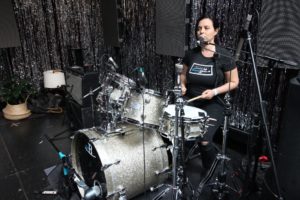
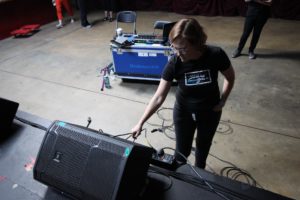
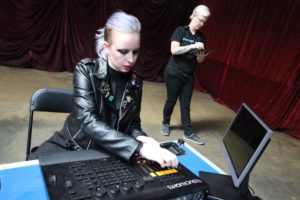
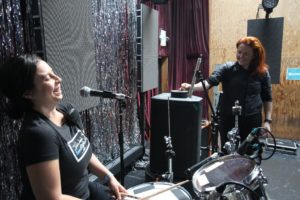
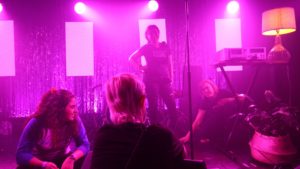
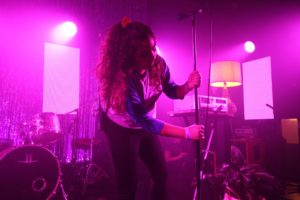
She Shreds – Seeks Women Audio Engineers and Interns

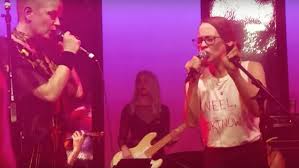
She Shreds is looking for Women/Non-Binary Sound Engineers and Interns for their show at SXSW.  If you would like to be involved, please send resume and cover letter to soundgirls@soundgirls.org.

All positions are volunteer! Although, there is a small salary available for the Sound Engineer Positions.

Positions Needed –

FOH/ME to mix the show – Will need to supervise interns. – Two spots available

Intern Positions– will be working as stagehands assisting in loading and setting up band gear, set changes and working under the supervision of engineers.

Production Manager/Stage Manager

She Shreds Magazine is the world’s only print publication dedicated to women guitarists and bassists. We strive to change the way women guitarists and bassists are depicted and presented in the music industry and popular culture by creating a platform where people can listen, see and experience what it means to be a woman who shreds. Our goal is to transcend boundaries like gender and genre—supporting radicalism, respect, and revolution.

Harnessing your Inner Leader

One of the things about volunteering to work festivals that really got me hooked was they unlocked hidden stores of confidence within me. This came at a time in my life where I was picking up the pieces from a brutal trauma and so, embracing fearlessness was the name of the game. It was all about new rules and a whole new me. The way I booked festivals in my first year of volunteering was on the fly, the weekend prior. I would attend a festival and over the weekend I would hear about which fests people were going the following weekend. I’d weigh the options, rally the troops and approach the organizer of the event I’d decided on.

I’d rarely had courage like that in my life. I would say, “Hi, I’m Janna. I’ve worked so-n-so fests and taken on such-n-such roles. I am capable, I get sh** done, I bring in people and I have been an asset at these (*cue name drop) festivals. I would like to come to your festival and offer you my team to put out the fires as they arise. Would you like this?”. They would agree and were so pleased with what I could offer. I knew I could handle any job. Not because I knew how to do every job, but because I knew people. I knew who had what skill, who could do what job or who could teach me how to do it myself. Plus I brought volunteers, which actually wasn’t that hard. My friends and I had all been travelling the country since we were young teens, sleeping in parks, busking street corners, general vagrancy, etc. Now we had trucks, more passion for nature and music, and these fests would feed us! It also offered us a way to connect with driven musicians, collaborate on new projects and offered some of us a chance to get on stage.

When Labor Day rolled around and I approached my 9th festival of 2016, Quadrapalooza on Quadra Island. They needed volunteers and invited me to come and stay with them the week before to help out if I’d wanted. The day the fest was to begin I discovered my role would be stage manager. I’d worked every role at events but had never delved into the world of stage/sound. There was so much I didn’t know, but I’d become a master of winging it! My approach to researching the role was indicative of the type of tech I’d eventually become. Even though I’d never worked on a stage I could logically deduce some duties as stage manager. The term manager alone refers to multitasking. I could assume that keeping things on schedule was a big factor and I knew there was often a clipboard involved.

I began to research what I couldn’t assume by speaking to my new musician friends. I asked them, “What makes a good stage manager from your perspective?”. The answer that stuck with me was from Zonnis who agreed that it was the ones who brought them water. To this day this rings in my ear when wading deep in stage hi-jinx. It may sound trivial but it’s genius and it’s not even about the water at all! It’s about taking a moment to connect with the artist, seeing them as a human about to bare a part of themselves on stage and offering them a gift. Many don’t want the water, even better! But let me tell you every single one of them appreciates the offer, and they will remember you for it. Buzz quickly around the artists but enter their personal space with grace and care. When I’m busy and rushing around an artist as they’re setting up to perform, if I get within a foot and a half of them, I stop, exhale, channel calm, smile genuinely and ask how they are and if they need anything. The most fulfilling feeling is running a 24 channel re-patch direct to the board by yourself in a 15 min switchover and still bringing each of the eight band members a cup of water. I win, they win, everyone’s happy!

So at Quadrapalooza I jumped in over my head and quickly learned when sound issues began to arise, that I needed to learn as much about the role of the sound person as possible if I was going to do my job effectively. Within a couple hours I had reorganized how we designated channels and devised what would become my signature style of drawing stage plots. I loved being busy and having such an important role in keeping the party going. Attending events was forever changed, I now need a job to have fun!

Don’t get me wrong, it was stressful and scary too. It’s how you handle it that matters. We all make mistakes and it’s how we learn from them that counts. As the headlining band of Saturday night was wrapping up I was approached by a dear friend of mine, Doug Koyama (Doug the Hug). He told me, “Janna, this is chaos.” I sank, sighed and apologized. He corrected, “No, this is chaos. You are organizing chaos. You are awesome.” I don’t even remember if I cried or not, but I’m tearing up remembering that feeling of being recognized by someone who really knows what they’re talking about.

It’s true. It was chaos. I organized chaos and no one had to teach me how! Feelings of value and self-worth flushed through my veins, reminding me what life could be and again telling me that I was indeed still on the right path. The only parts of the weekend I wasn’t pleased with were the things I could’ve remedied had I known more about amps, cords, mics, speakers, frequencies and feedback. Hell, who am I kidding, I never used the word frequency back then, but this realization sent me on a personal mission to start! The next week I embarked on a two month education intensive that had me hitch-hiking again, but this time with a whole new purpose and direction….


Janna Dickinson aka JDog broke into the industry last year, when she accidentally worked nine festivals! At the Last-ival, having worked every volunteer role through to stage-managing, she watched the techs and realized that she had finally found a job where her varied skill sets could finally all work in unison. She spent nearly two months couch hopping while hitching to every tech across BC that she had met at festivals who were willing to teach her anything. Her first gig was waiting for her when she returned! With a childhood free from live music, she had never played in a band or plugged in an electric guitar. She was learning it all from scratch! So, learning WHAT an XLR cable is called, let alone what it’s for! She returned to the same festivals this year with a new role and received honorable mentions at each one. Follow her on her journey of navigating such a complex industry as a complete novice, working solely on instinct, an ear and the drive to work at her passion no matter the odds. Unafraid to ask embarrassing questions on her quest for excellence, she carries with her goals of touring, teching/tuning, tv and teaching. Her freelance company is Penny Lane Audio & Production.

Read Janna’s Blog 

The Studio Side with “JP ‘The Specialist’ Negrete”

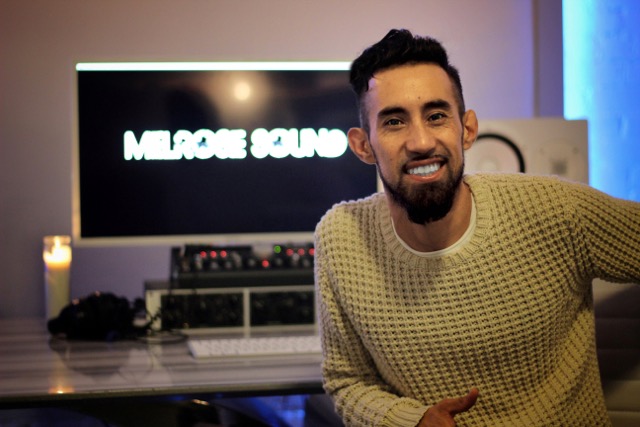
Join us for a moderated discussion and Q&A with “JP ‘The Specialist’ Negrete”. Juan Pablo Negrete alias J.P. is the founder of Melrose Sound Studios in LA. He previously worked as head engineer at Atlantic Records and Warner Music Group. Persistence and dedication led to two Grammy nominations for his vocal production work for Flo Rida. J.P. Negrete has also worked with artists including Skrillex, Nelly, Jason Derulo, Cody Simpson, Pitbull, B.o.BKelly Rowland, David Guetta, Tyrese, and many more. J.P. will be breaking down his production process with a surprise mix.


  • Location: Emerson College
    5960 Sunset Blvd, Los Angeles, CA 90028
  • Parking: Garage on the corner of Gordon St.
  • March 31, 2018
    7pm – 10pm
    Cost $25
    Register and Pay Here
  • Space is limited and is open to members of SoundGirls and Students of Emerson College.


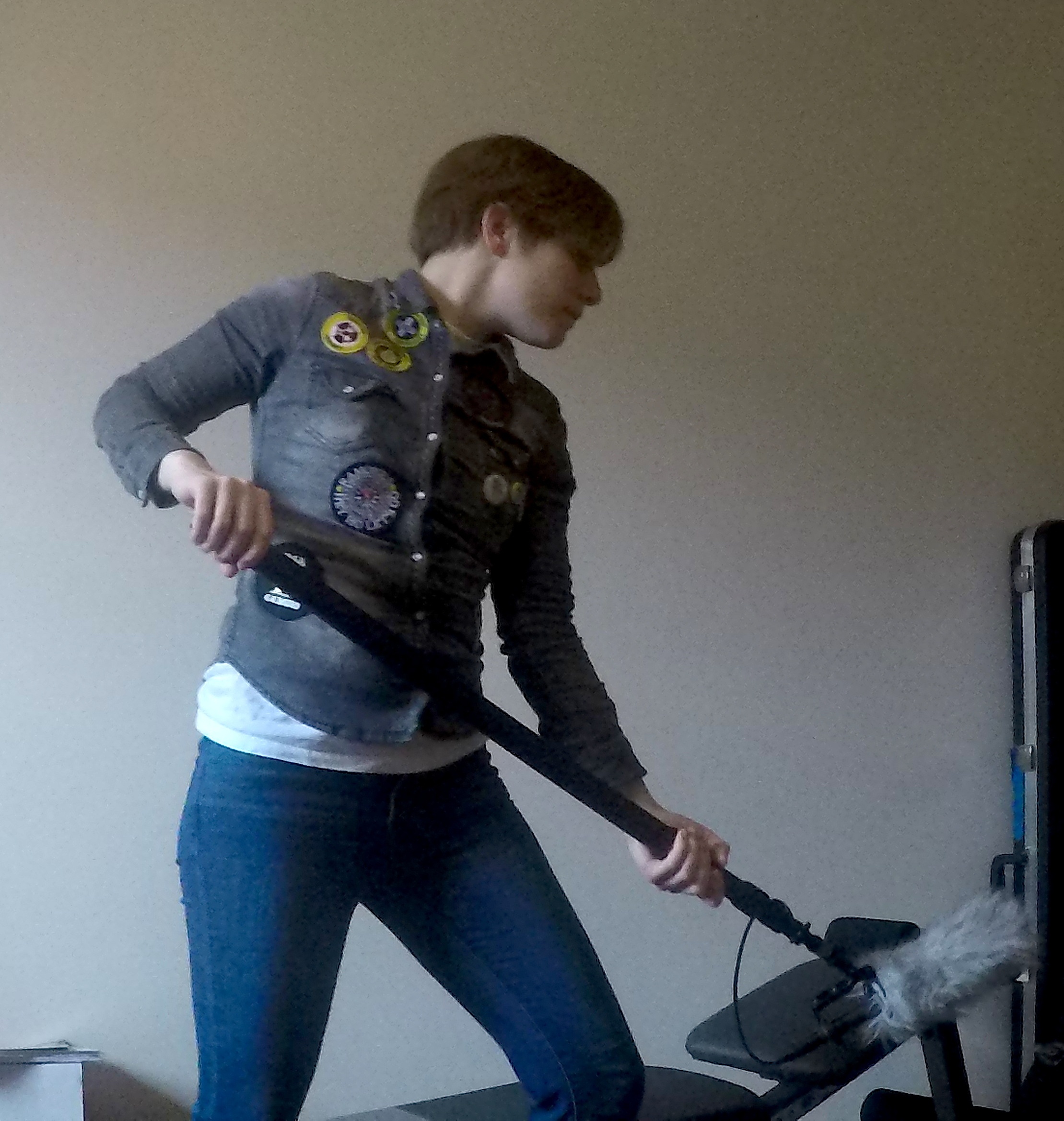
Boom Op: Head to Toe

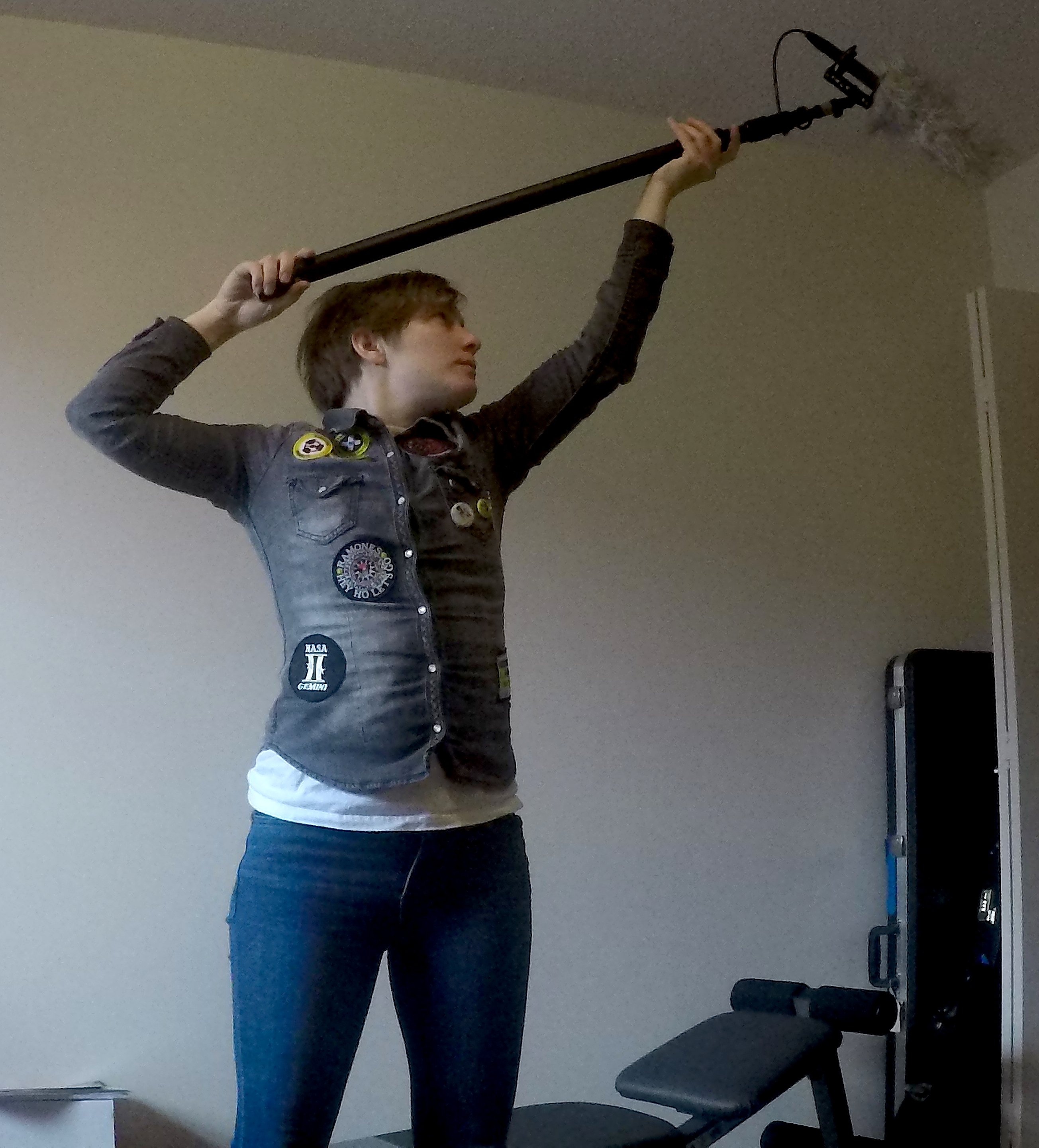
There are many articles that cover technical gear of location sound, but I want to focus on the skills and personal touches that will make a Boom Operator more efficient on set.  While the majority of these guidelines come from my own experiences, I also draw from Richard Patton’s Sound Man:  An Introduction to the Art, Science, and Business of Location Sound.  Richard Patton is a film Sound Mixer with 40 years of experience and over 70 credits.  Patton describes the job of a Boom Operator as the “placing of all microphones.” including the boom mic, lapel mics, and other miscellaneous mics planted for the scene.  It is important to note that sometimes there is only one location sound person on set, and therefore they become the Mixer, Recordist and Boom Operator.

Set etiquette

A hierarchy on set exists that determines who is in command of whom.  The two main groups are divided into “Above the Line” and “Below the Line.”  This refers to how the budget is arranged but is a smart way to think about interactions with others on set. The Sound Department’s domain is audio, and so even if the crew consists of two other people, a Boom Operator’s job is never to direct the actor. Therefore do not interfere with eye-lines.  Direct interaction occurs only when wiring an actor, or when someone Above-the-Line initiates conversation.  Getting a repeat contract depends on respecting these rules.  Speaking of wiring talent, be professional.  Respect boundaries and let the actor be in charge of how much help they need.  When wiring younger actors, have their guardians present and walk them through the process.

Head

Not every set is a temperature-controlled warehouse.  There will be sun, cold, and extreme heat from halogen lights.  I keep a hat, sunglasses, sunscreen, and a bandana with my kit no matter the season.  Other creature comforts include headphone covers (they make a huge difference), and a towel.  I have depended on towels for drying hands, puddles, tears, and cables.  They are the true answer to life, the universe, and everything.

During a take, a Boom Operator must capture the dialog.  They have to know who is talking and direct the mic to them.  Even during a monolog, the boom operator is thinking of more than just the script. Is the actor on or off axis?  Loud noises like airplanes or dogs barking will require more takes, but sometimes now is not the time to cut the current take.  Patton gives an anecdote in his book about caramel keeping loud pups occupied.  There is also the housekeeping of collecting room tone and making track notes.

Eyes

While sound is the medium of the Boom Operator, the camera is king on set.  It is crucial to watch the camera’s movements and to get a feel for different lenses and focal points.  The last thing any director wants is the perfect take ruined by the boom.  Often the Boom Operator dances a duet with the camera crew.  This can be complicated by a wire tether (recording audio to camera) or an intricate long take.  If the choreography was not complicated enough, the mic must be just out of shot and not visible via shadows or reflections.  Whenever possible rehearse the scene.  And while each crew is different, learn to communicate with the camera team; a good relationship can facilitate recording.

Arms

A tense body is one that fatigues faster.  Keep hands and arms relaxed. The hand closest to the mic should act as a shelf to hold the boom, while the other is a counterweight that controls mic direction.  The boom is steadier when hands are further apart.  There are several arm positions that rely on the skeleton rather than muscles to support the weight. Therefore these are the most natural positions to hold.  The first is the arms straight up.  This is the stereotypical boom position. The second is elbows at the sides with the hands straight out and facing upwards.  Often one hand is staggered higher to get the boom above the camera.  The third is arms completely down.  This one is used for when the boom is below the actors.  Other positions can be used but at the expense of the Boom Operator’s energy.

Body

Actors are meant to be seen; the crew are meant to be invisible.  This means wearing black clothing with quiet fabrics.  Long sleeves are better than short sleeves, but it is not a hard rule.  Make sure to dress for the weather.  Merino wool is an excellent place to start, and Army Surplus stores always have good deals.  Fingerless gloves are useful for keeping hands warm while maintaining dexterity.  Make sure they do not have tacky (and therefore noisy) grip enhancers.

The secret to surviving long set days is core strength.  Good posture includes keeping the stomach sucked to the spine, relaxing shoulders, and having a wide leg stance.  Wide stances are more stable, especially when standing on a step stool.  To not fall, one’s center of gravity should be kept between one’s feet.  It is better to lunge than lean. Locked knees is a recipe for disaster as it restricts blood flow and can lead to fainting.  Cue half of all America’s Funniest Home Videos.

Feet

Twelve-hour days last an eternity if one does not have proper footwear.  Boots are often required or requested for safety, but that does not mean fit has to be compromised.  I know that several respected brands have models that are custom built for women instead of “smaller men’s” boots.  It is essential to break in boots before working in them for a full day, and there is no shame in swapping for a more comfortable insole.  During the colder months make sure that boots accommodate thicker socks.  Boots that are either too tight or too loose cause blisters.  And keep in mind that although athletic socks are okay, merino wool is better.  I suggest keeping an extra pair in with the gear.
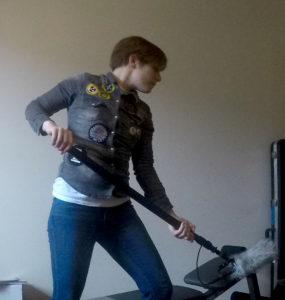
Sometimes a scene is relatively stationary, but not to the point of requiring a stand.  A rubber mat works well as a foot silencer, but also to make concrete floors more forgiving. And if a boom operator is short, like me, then an apple crate can be used as a step stool. Apple crates deserve more than a few sentences but note that film apple crates can hold weight, the local grocery store’s probably won’t.

As I mentioned before:  boom operators dance with the cinematographers. Therefore one should traverse like a dancer. Someone who is light on their feet will fall less often.  When walking backward the weight should be on the balls of the feet, and the body should lean ever so slightly forward.  Falling forwards means a bloody nose, but falling backward means a concussion.

Film crews can be like family, and by using these tips, I hope that future boom operators are seen as assets rather than glorified Production Assistants.

 

The Benefits of Sign Language

I’ve been slowly learning British Sign Language for a while now (BSL – it’s different to American Sign Language, or even Irish Sign Language. You might think it would be more logical for everyone to use one universal language, but how would you feel if someone forced you to speak only in Esperanto, giving up all the nuances and beauty of your own language and the ties to your culture that go with it?). I’ve been asked a few times if it’s because I know someone who is deaf. While more than a few people I know are hard of hearing (we can all think of at least one engineer who doesn’t even flinch when there’s a 10k squeal on stage), I’m not studying BSL because I know a deaf person. Firstly, I’m doing it because it’s fascinating. It isn’t just taking each spoken word in order and translating it to a sign; it’s an entirely different approach to communicating. I highly recommend everyone at least reads about it, but you should consider learning it too.

Sign language can be genuinely useful for us sound engineers. How many times have you needed to talk to a colleague, but it’s too noisy to even catch their attention? How about trying to get an urgent message to the other side of the stage but you don’t have comms? If more people had some basic sign language skills, we’d be able to communicate more quickly and efficiently. It isn’t an option for private discussions about other people though: most sign languages are very graphic and literal, so if you’re rude to someone in front of them they’ll know about it!

On a more selfish level, I’m preparing for later life. The comedian Francesca Martinez has pointed out that it isn’t a matter of disabled vs. able-bodied: we are all either disabled or not-yet-disabled. It’s a dark message, but it’s true. An unfortunate side effect of our job is that no matter how careful you are, and how conscientiously you wear earplugs, your hearing will deteriorate over time (but don’t give up on the earplugs!). The older you are, the harder it is to learn a language too, so I don’t want to wait until I need it before learning it. I hope I will never become deaf, but studying BSL is fun, and I’ll have that knowledge if it does happen.

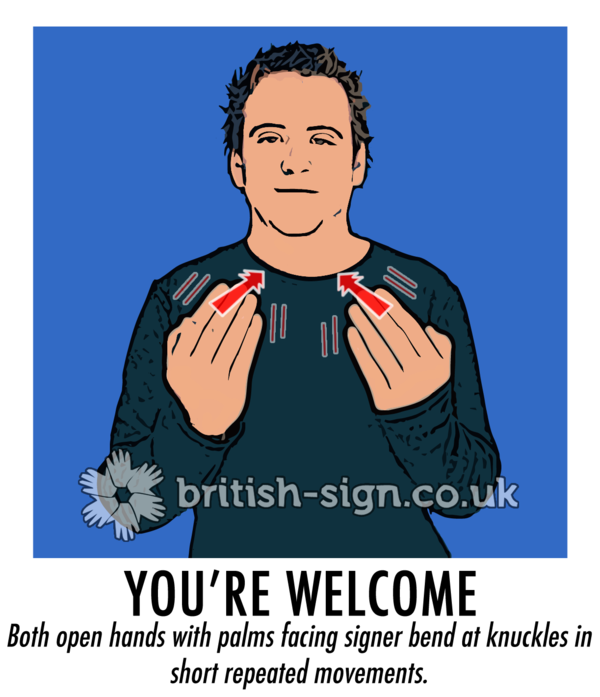
With BSL, I have a way of welcoming deaf clients, even if my grasp is very basic right now. You might think it’s odd for sound engineers to interact with deaf people, but it does happen. There are deaf musicians, choreographers, event organisers and guest speakers. There are also shows that have live interpreters, for example, a lot of comedians will have specific performances with live signing, or some bands and festivals provide signed sets. Just because someone is deaf doesn’t mean they don’t enjoy comedy or music (they can still feel the beats, or they may not be entirely deaf so can hear the melody but not the lyrics), so why should they miss out?

The same can be said for any condition. Having epilepsy doesn’t stop you liking dance music, having autism doesn’t stop you having a wicked sense of humour, having dwarfism doesn’t mean you don’t like to go out for drinks, being in a wheelchair doesn’t mean you don’t enjoy live theatre. One of my best friends has a long-term condition that affected her mobility for years, and now she’s in a wheelchair. Just getting around and doing simple things can get quite complicated and tiring, and you know what? It’s boring! She can’t just give up and stop having her condition when she feels like it, she’s got to go through it every day. Having some time to relax and going to see a show where the aisles are wide enough, and she doesn’t get dumped on the end of a row and feels like she’s in the way, or the toilets are actually set up so she can use them without help (have you ever tried to open a door towards you while in a wheelchair and then roll yourself through it one-handed? It’s pretty challenging), can make her feel normal for a while, and make her week.

So the next time you’re working or organising an event, think about how you can make it more accessible to a broader range of people. You don’t have to wrap everyone up in cotton wool and not do anything risque for fear of offending someone, just put yourself in their shoes. Maybe contact local groups and charities to ask their advice on how you can help to make your venue more wheelchair friendly beyond the basic building regulations. You can also suggest daytime acoustic performances, some shows without flashing lights, better lighting at the box office and bar to aid lip reading or look into having a section of your bar lowered so people of all heights can order a drink. Why limit your audience (and your income stream!) when you can make all sorts of people feel not just included, but genuinely welcome?


Houston – Allen & Heath dLive Training

March 2, 2018
12:00 to 3:00 pm
Media Tech
3324 Walnut Bend Ln
Houston, TX 77042

Register Here

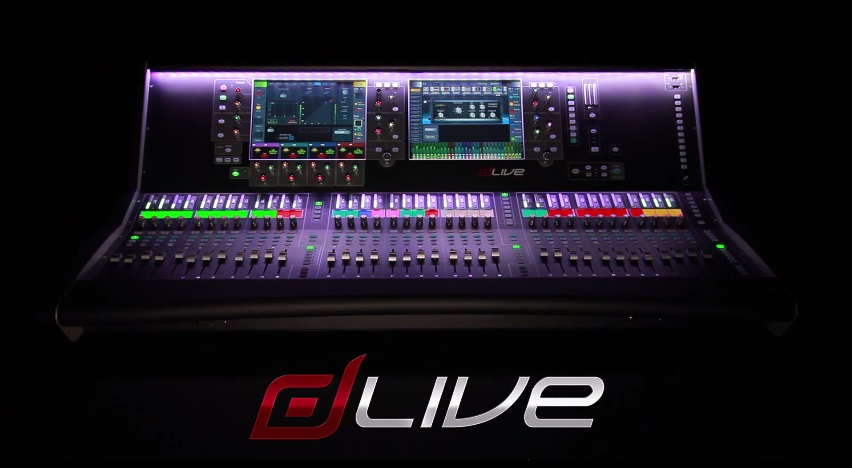
Houston, TX – SoundGirls – Allen & Heath – Media Tech Presents dLive Training

We invite you to attend our training event on the dLive digital mixing system from Allen & Heath. The design goal for dLive was to create the ultimate mixing system, with plenty of processing and flexibility to handle the most demanding live scenarios.

The training is built around an immersive combination of presentation and hands-on training designed to showcase the dLive’s power and flexibility across multiple applications.


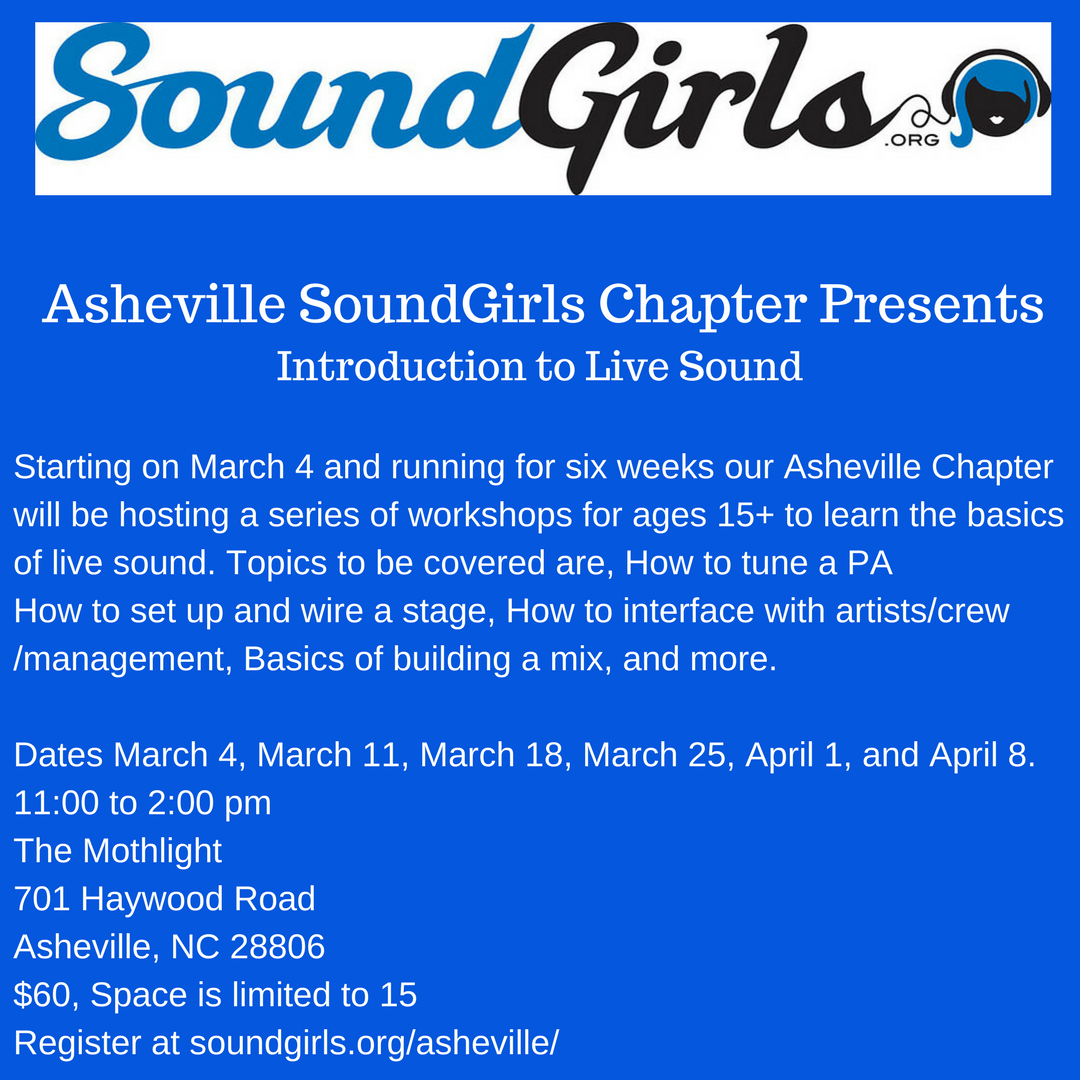
Asheville Live Sound Workshop

SoundGirls and The Mothlight are proud to present the launch of the Asheville

Starting on March 4 and running for six weeks our Asheville Chapter will be hosting a series of workshops for ages 15+ to learn the basics of live sound.

Topics to be covered are

Dates March 4, March 11, March 18, March 25, April 1, and April 8.

Register here

Mission Statement

To inspire and empower the next generation of women in audio.

Our mission is to create a supportive community for women in audio and music production,

providing the tools, knowledge, and support to further their careers.

Vision

SoundGirls supports women working in professional audio and music production by highlighting their success and providing a place for them to connect, network, and share advice and experiences.

SoundGirls provides support, career development, and tools to help those working in the field advance in their career.

SoundGirls works to inspire and empower young women and girls to enter the world of professional audio and music production.

SoundGirls seeks to expand opportunities for girls and women in these fields and to share resources and knowledge through cooperation, collaboration, and diversity.


Asheville SoundGirls Chapter Launch

SoundGirls and The Mothlight are proud to present the launch of the Asheville

Chapter of SoundGirls! If you are interested in meeting other women in audio or interested in learning about audio this is for you. SoundGirls is an international organization dedicated to empowering the next generation of women in audio. SoundGirls is not exclusive and is open to all genders and non-binary people.

We look forward to meeting you.

Starting on March 4 and running for six weeks our Asheville Chapter will be hosting a series of workshops for ages 15+ to learn the basics of live sound.

Topics to be covered are

Dates March 4, March 11, March 18, March 25, April 1, and April 8.

Register here

Mission Statement

To inspire and empower the next generation of women in audio.

Our mission is to create a supportive community for women in audio and music production,

providing the tools, knowledge, and support to further their careers.

Vision

SoundGirls supports women working in professional audio and music production by highlighting their success and providing a place for them to connect, network, and share advice and experiences.

SoundGirls provides support, career development, and tools to help those working in the field advance in their career.

SoundGirls works to inspire and empower young women and girls to enter the world of professional audio and music production.

SoundGirls seeks to expand opportunities for girls and women in these fields and to share resources and knowledge through cooperation, collaboration, and diversity.


Missed this Week’s Top Stories? Read our Quick Round-up!

It’s easy to miss the SoundGirls news and blogs, so we have put together a round-up of the blogs, articles, and news from the past week. You can keep up to date and read more at SoundGirls.org

January Feature Profile

Anna Frick – Being Fed by the Universe

The Blogs

Post-production basics: Studio jobs (and how to get one)

Never Too Late or Too Great to Shadow

Round-Up from the Internet

SoundGirls was honored to support GIRLSCHOOL Such an awesome weekend. Thanks to all the SoundGirls who donated their services


SoundGirls News

Apply to work for SoundGirls Productions

SoundGirls Launches SoundGirls Productions

Bay Area – Working w/ RF – Lisa Woodward

https://soundgirls.org/event/melbourne-soundgirls-social/?instance_id=1091

Detroit SoundGirls Spring Meet & Greet!

iZotope Workshop at Emerson College

Letter to Pro Audio Community

SoundGirls Resources

Member Benefits

Lending Library

Events

X