Empowering the Next Generation of Women in Audio

Join Us

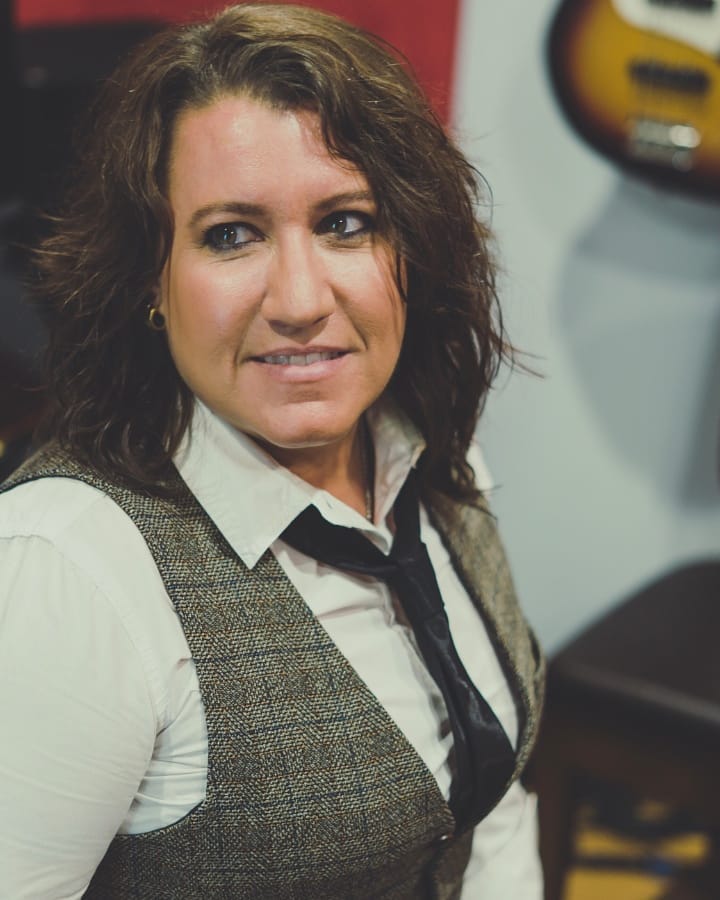
Catharine Wood Builds the Next Chapter at Planetwood Studios
 

Screenshot

After spending more than two decades building a successful career in Los Angeles as an engineer, producer, composer, and mastering engineer, Catharine Wood has embarked on a new adventure—one that combines cutting-edge technology, intentional design, and the creative freedom to focus on her own artistic vision.

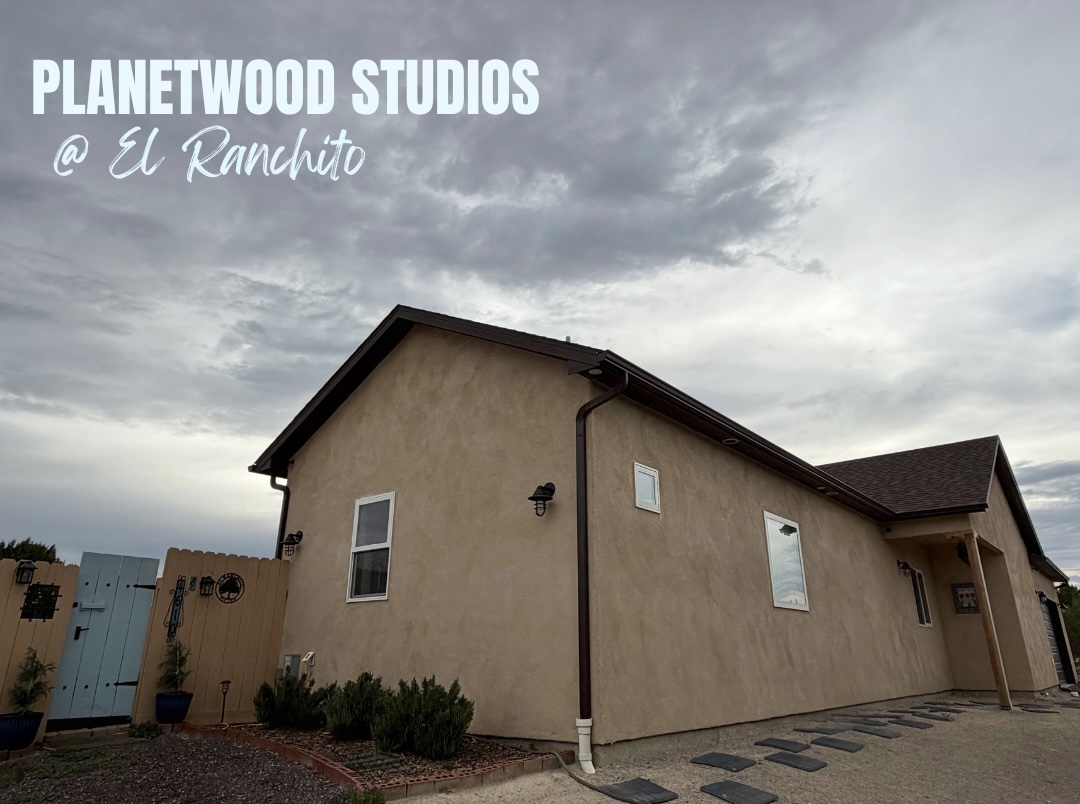
Nestled on 35 acres in Southern Colorado, the newly completed Planetwood Studios is far more than a relocation. It represents a carefully planned evolution of Catharine’s work, designed from the ground up to support immersive audio, remote collaboration, and the next phase of her career.

For Catharine, the move was both personal and professional.

“As my parents are in their late 70s and early 80s, it was always the plan to come back to Colorado at some point,” she explains. “I’m sixth-generation Colorado, so coming home was always part of the plan.”

After taking advantage of a strong Los Angeles real estate market, Catharine sold her Eagle Rock property and reinvested in creating a custom-built studio inspired in part by the legendary Caribou Ranch Studios in Colorado. Having already spent twenty years developing her career in Los Angeles, she was ready to create a space specifically designed around the way she works today.

One of the most significant additions to the new facility is a dedicated Dolby Atmos mixing environment. While her Los Angeles studio served her well for many years, it simply wasn’t large enough to accommodate a full immersive audio setup.

“The new studio is about four times the size of my old studio,” she says. “A dedicated Atmos station is the biggest addition in the new space.”
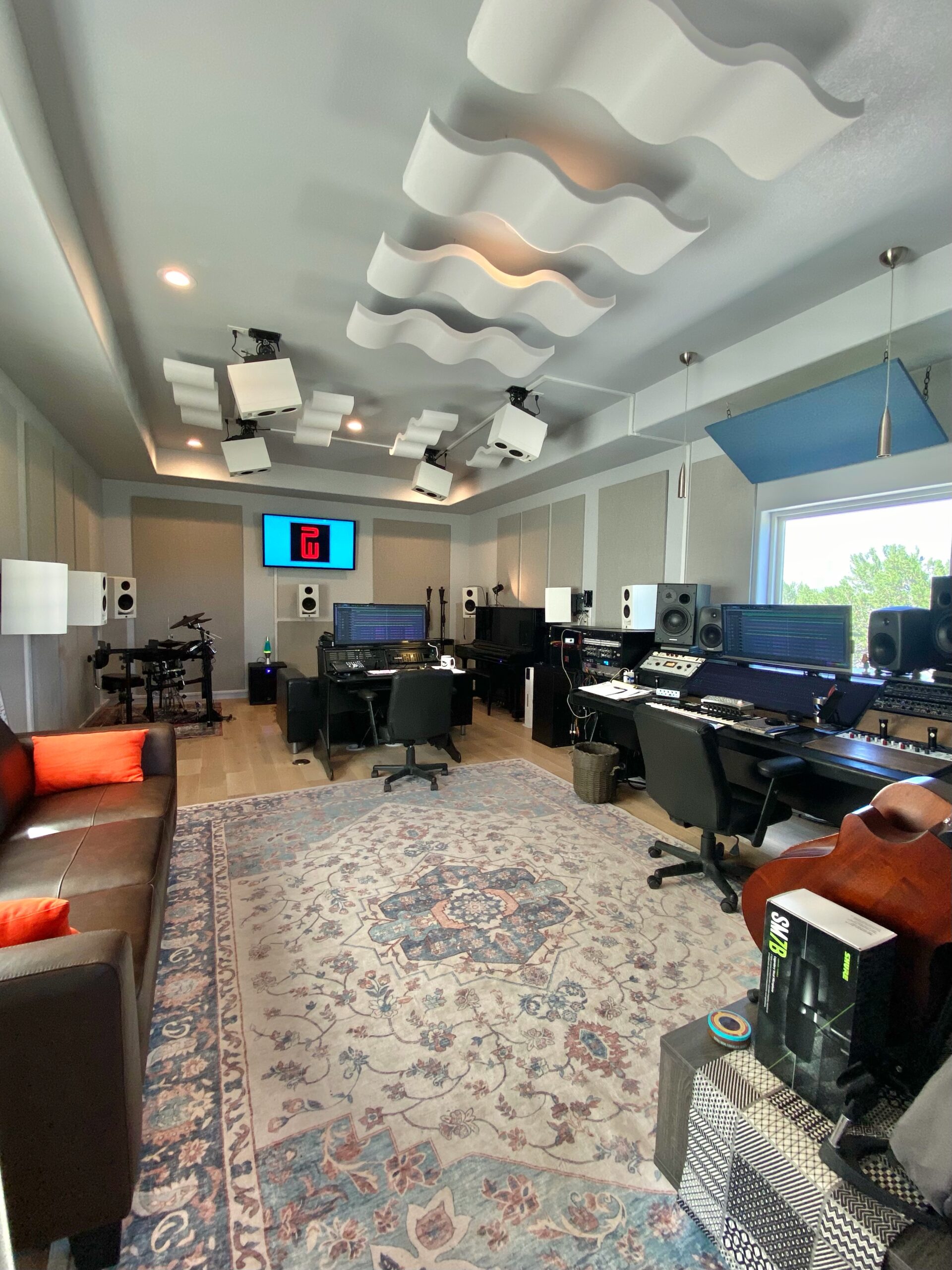
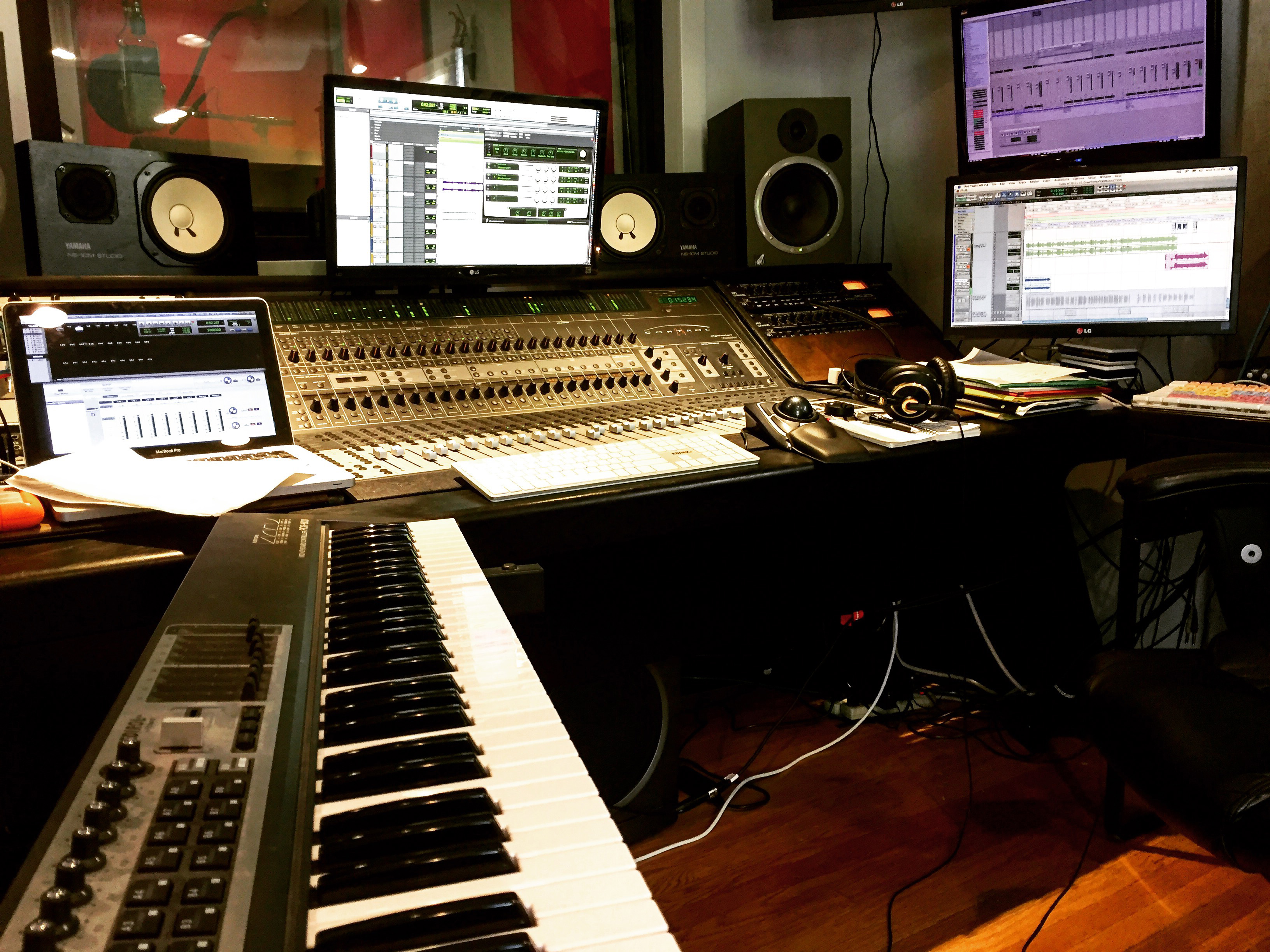
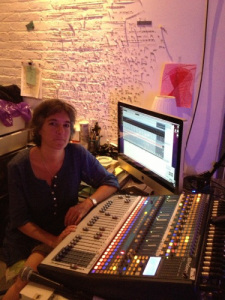
Control room

Designing for Creativity

Unlike many studio owners who hire architects and consultants, Catharine personally designed both the house and studio, drawing on years of experience building and operating professional recording spaces.

This time around, she wanted a room that encouraged creativity directly inside the control room itself. Her Yamaha U3 piano now sits in the control room rather than a separate isolation booth, making it immediately accessible during writing and production sessions.

The studio features a bright, open aesthetic, intentionally avoiding the dark, cave-like atmosphere often associated with recording studios. Remote-controlled blinds allow natural light to flood the room when desired, while carefully designed acoustic treatments maintain a highly controlled listening environment.

Every aspect of the workflow was considered—from custom machine rooms and climate control systems to extensive underground cable pathways that keep the space visually clean and organized.

“Cables stress me out,” Catharine laughs. “So they’re all underground here.”
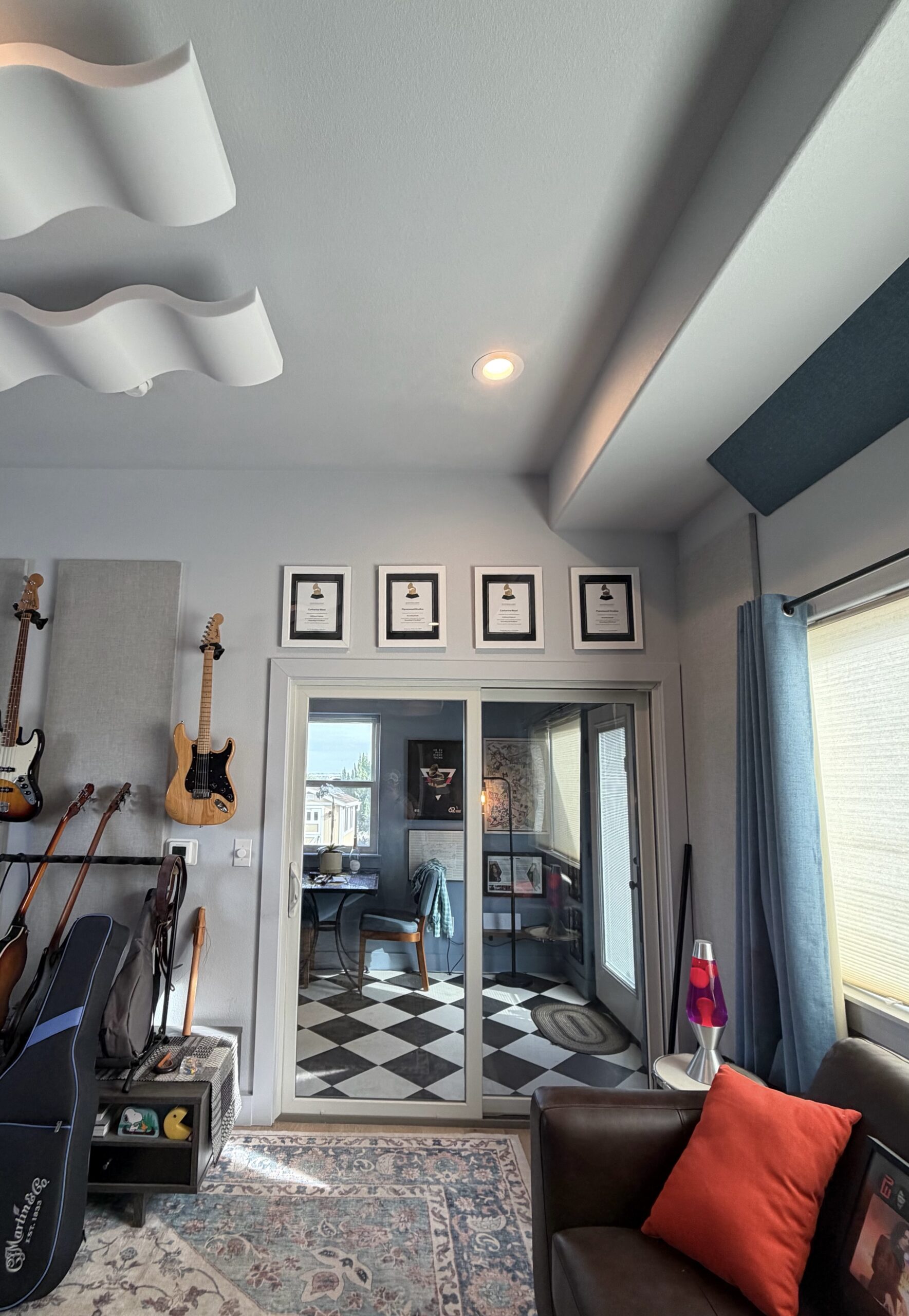
Control Room

Building an Atmos Future

Although immersive audio was unfamiliar territory when planning began, Catharine approached the challenge the same way she approaches her engineering work: by learning from experts and doing the research.

She collaborated with industry veterans including Charles Sprinkle of Kali Audio and Eben Grace of Grace Design to develop an Atmos system tailored to both her room and budget.

The result is a unique 7.2.4 Atmos environment paired with a dedicated stereo mastering station, both powered by a single Mac Studio M2 Ultra system.

Among her favorite additions is the Grace Design M908 monitor controller.

“It sounds unbelievable,” she says. “It’s completely bulletproof and gorgeous.”

The controller’s visual feedback system has become an invaluable tool when evaluating Atmos mixes and analyzing how other engineers are utilizing immersive formats.
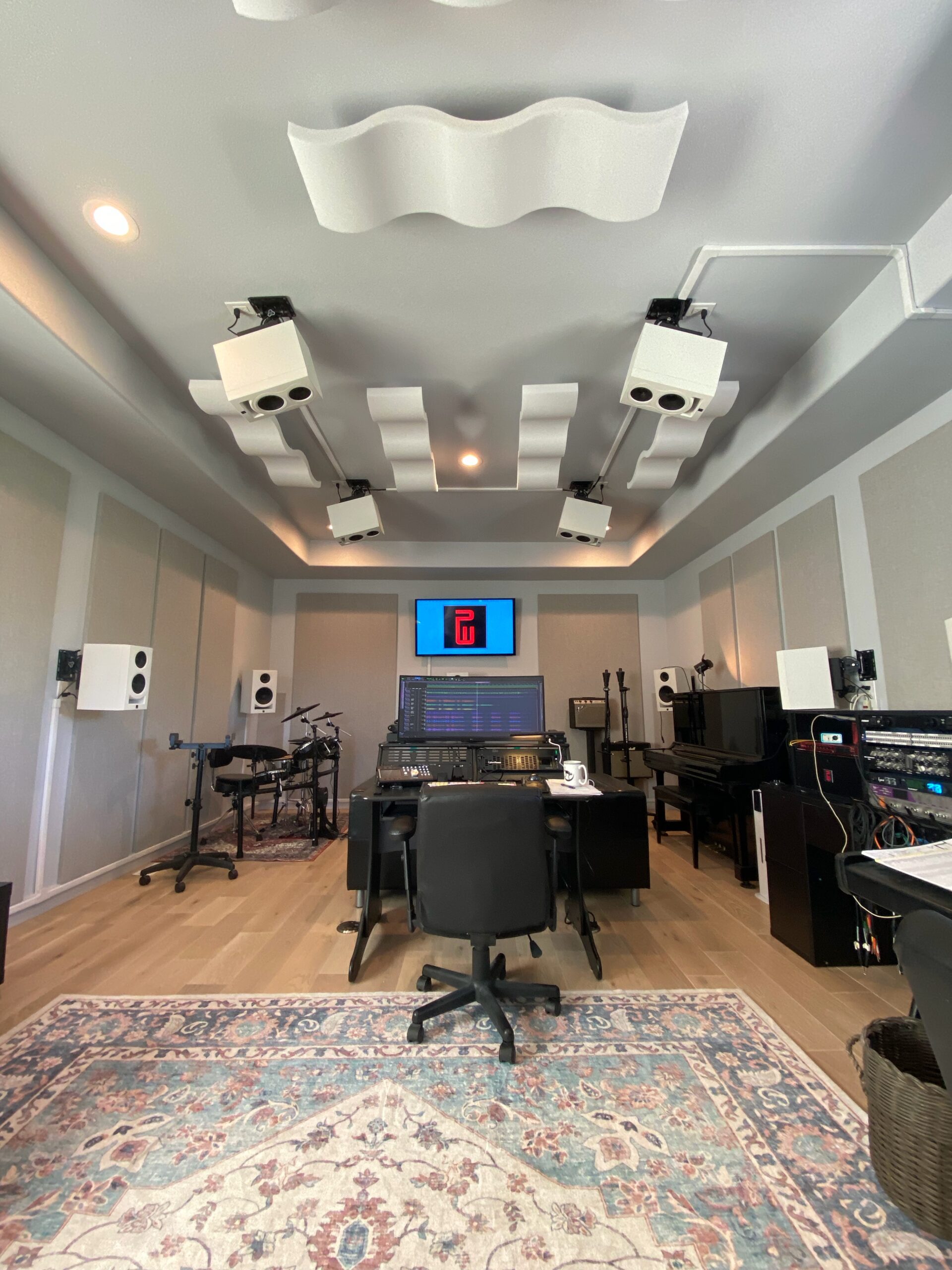
Atmos Station

A Different Kind of Studio

Unlike her Los Angeles facility, which often functioned as a commercial recording space for outside clients, Planetwood Studios is first and foremost designed for Catharine’s own work.

Today, much of her business is conducted remotely, with clients spread across Los Angeles, New York, Australia, and beyond.

The move has allowed her to create stronger boundaries between work and personal life while providing a peaceful environment that supports intense creative focus.

“The sheer size improvement makes the work experience really relaxed and no-pressure,” she says.

That focus has become increasingly important as her career continues to evolve.

Recently signing with Exploration Group for publishing representation, alongside partnerships with BMG and Universal, Catharine is concentrating heavily on building her own catalog of music for television and sync licensing while continuing her mastering and vocal production work.
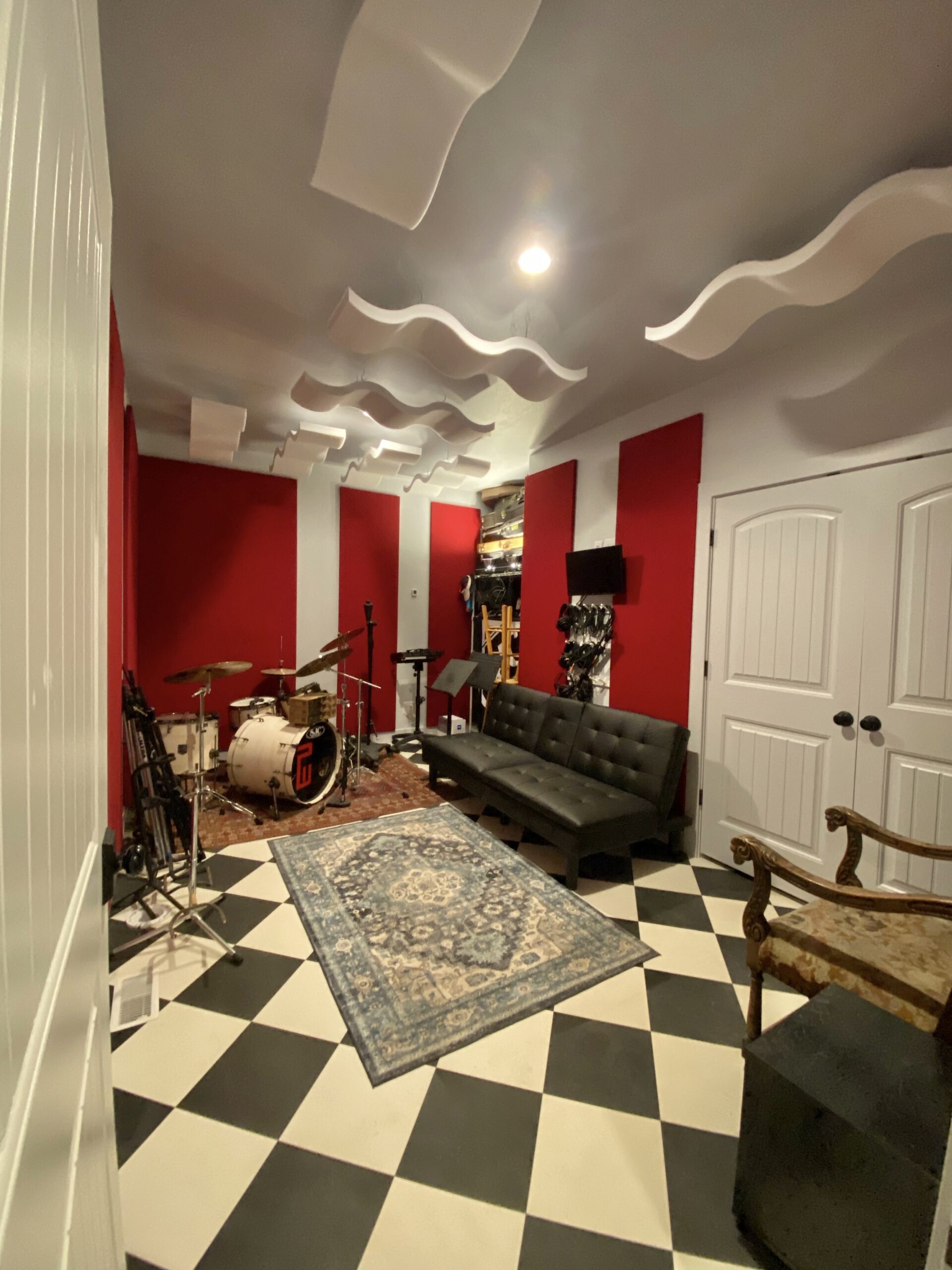
Iso Room

Lessons From Building a Studio

Building a world-class studio from scratch comes with challenges, and Catharine is candid about the realities of construction.

As both designer and project manager, she encountered many of the common frustrations studio owners face, including contractor issues and the need to redo critical work.

Still, the experience reinforced the value of understanding the technical side of studio design.

Her advice for anyone considering building a professional studio today?

“Make sure you have a separate sub-panel for electrical and a separate thermostat for climate control.”

Those lessons were learned firsthand through years of operating studios and solving problems in real-world environments.
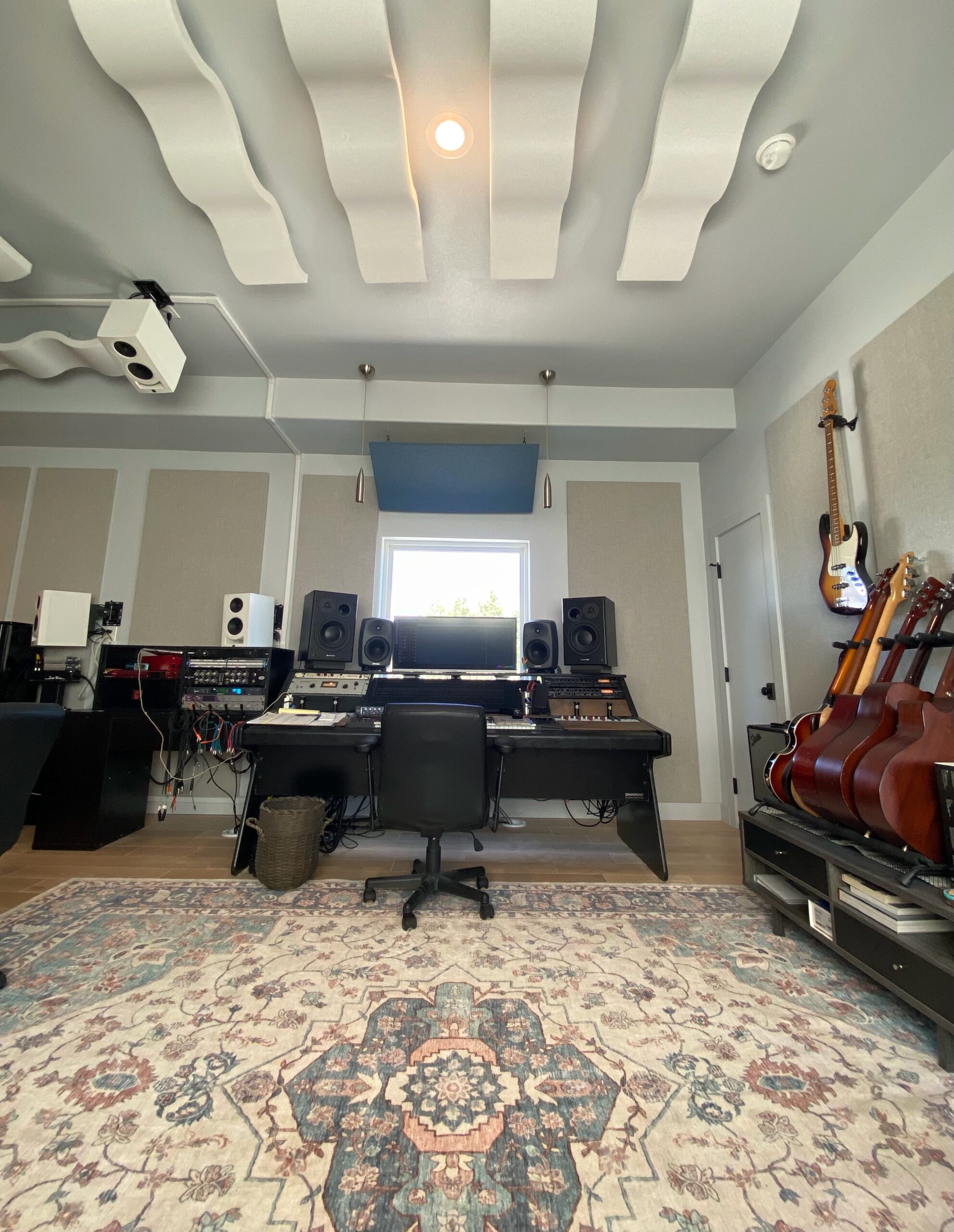
Stereo Station

Looking Ahead

While Planetwood Studios already serves as an exceptional creative workspace, Catharine views it as a launching point for the future.

She plans to continue expanding her work in Dolby Atmos, mastering, vocal production, and sync composition while further establishing herself as a leader in immersive audio.

“I look forward to establishing the new Atmos work and my place as a leading engineer in Atmos,” she says.

Perhaps most importantly, the new studio gives her the space and freedom to focus on what matters most: creating music.

“The space is the best creative space I’ve ever worked in,” Catharine says. “Professionally, it’s a shiny new chapter.”

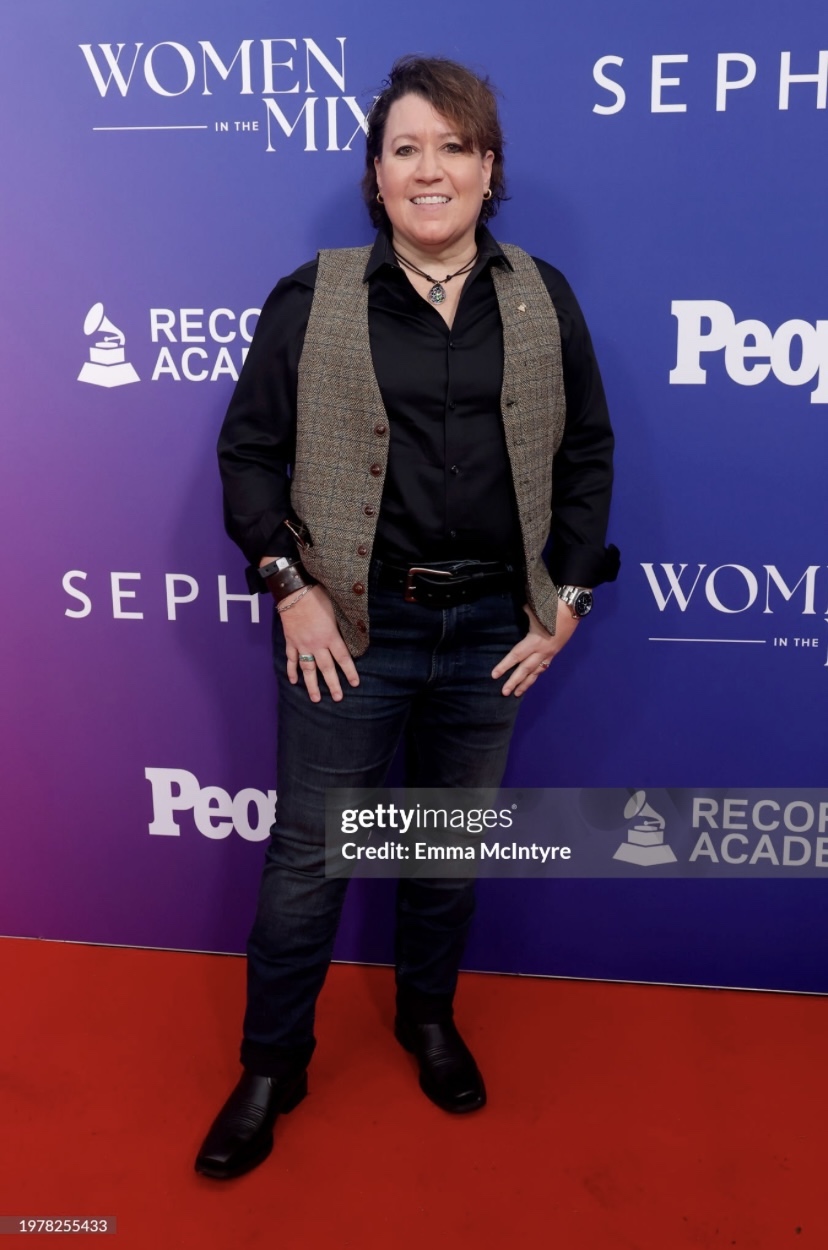
For an engineer whose credits span thousands of commercials, major television productions, Grammy-nominated projects, and decades of music production, Planetwood Studios isn’t simply a new facility—it’s the realization of a vision years in the making.


 

Visit Planetwood Studios

Career Paths in Recording Arts

Panel Discussion on Career Paths in Recording Arts.

Join us for a panel discussion and Q&A featuring some talented women working and succeeding in the world of recording arts. The evening will end with a casual mentoring and networking session.

Register Here

Moderator: Erika Earl has been working in the professional audio industry for over 15 years. She has worked as the Director of Hardware Engineering at Slate Digital and has held key positions in the audio industry: Chief Tech at The Village Studios, working in live sound, and quality control and repair for leading audio manufacturers including Drawmer, Focusrite, Tube-Tech, and Daking.

Panelists

Lenise Bent – Producer/Engineer

Producer/engineer LENISE BENT is one of the first women recording engineers and has worked on many iconic records including “Aja” by Steely Dan, “Breakfast in America” by Supertramp and “Tusk” by Fleetwood Mac. She was also the first woman to receive a platinum album for engineering on Blondie’s AutoAmerican.

Jett Galindo – Mastering Engineer at The Bakery

Jett Galindo began her engineering career in the world-renowned Avatar Studios in New York as the recording engineer for producer Jerry Barnes. As Barnes’ engineer, Jett engineered for veteran artists such as legendary singer-songwriter Roberta Flack, Nile Rodgers and Latin Grammy-winning Brazilian rock band Jota Quest.

In 2013, Jett joined The Mastering Lab family as the sole right-hand man to pioneer mastering engineer and Grammy Technical Achievement awardee Doug Sax. Under the steady mentorship of the late Sax, Jett burgeoned to become the newest mastering engineer in The Mastering Lab roster. In 2014, Jett’s work with Brazilian rock band Jota Quest garnered the group a Latin GRAMMY nomination for Best Brazilian Contemporary Pop Album.

With engineering credits spanning different genres and legendary artists (Bette Midler, Randy Travis, Nile Rodgers, Roberta Flack, and Gustavo Santaolalla, to name a few), Jett Galindo carries on the legacy left behind by her late mentor, mastering legend Doug Sax (The Mastering Lab). She now works as a mastering engineer alongside Eric Boulanger at The Bakery, located at the Sony Pictures Lot in Culver City, Los Angeles.

Catharine Wood – Producer, Engineer and Owner of Planetwood Productions

Catharine Wood is an established Los Angeles-based composer/producer & studio owner. She launched her versatile career engineering on high profile commercials – including the first Apple iPhone spot. As a mix/mastering engineer, she has delivered over 500 (both original & client) commercially released songs airing on many major networks. Catharine is a Grammy®️ Voting Member, P&E Wing Member and holds positions on the LA Recording School’s Professional Advisory Committee and the California Copyright Conference Board of Directors. Her facility, Planetwood Studios, LLC specializes in production & composition services for the Film & TV Industries.

Ali McGuire – Recording/Mixing Engineer, Producer, Owner Amaculent Ent.

Ali ” A MAC” McGuire is a Los Angeles based Mixing/ Recording Engineer and Music Producer with a background in live sound. Ali moved to LA in March 2017 and has been working with artists and studios around the LA area since. Ali has worked with artists such as Kelly Rowland, Fetty Wap, Post Malone, Kira Kosarin, Skinnyfromthe9, Joji, PNB Rock, Shining Rae, Lizzo, Daxz, Matt Paris, A.M.O., Whitney Peyton, Big Daddy Kane, Schoolly D, Hed PE, The Misfits, etc. As well as record labels, Atlantic, G.O.O.D. Music, HitCo, 88 Rising and more.


Where have all the Credits gone?

By: Catharine Wood

Advisory notice: This collection of words is 100% based on my opinion and observation as a professional engineer, producer, composer and music maker in Los Angeles, California, USA. I reference consumers and listeners with love and utmost respect…it is not your fault that the current, primary consumption mode of listeners now is streaming — which largely does not pay the creators of the music. My thesis here is directed at the streaming services: Where have all the Credits gone?

Back in the day (post-Wrecking Crew era), producers, engineers, studios, players, and songwriters (the list goes on and on) … became known for their work via Liner Notes (among other avenues – like word-of-mouth, playing live, etc.). As their reputation built, so did their workload, pay rate, and visibility. Sustainable careers were made. Now, in 2016, with CD sales dwindling and digital streaming “the new radio”, a large percentage of artists are DIY and their budgets have become micro with the “downsizing” of commercial music revenue sources. With the “trickle-down” effect of diminished performance royalties as listeners shift from terrestrial radio to internet streaming, compounded by the massive shift from physical CD album sales to iTunes 99¢ downloads…and now free streaming (from which songwriters earn fractions of pennies in performance royalties for their work),…recording budgets are smaller than ever. I share the following information for those interested music consumers, creators, and music industry professionals alike who would appreciate knowing who created the music.

To the point – I recently attended an industry roundtable; an intimate gathering of working music professionals and top audio talent. Grammy® winning producers and engineers – collected for an open discussion on the “current state of the industry”. The topic of Credits came up (and the fact that they have, literally, disappeared since streaming took the driver’s seat) – and a heated conversation about HOW can we make music valuable again ensued.

Now that music has shifted from a tangible commodity to digital “thin air”…consumers want music to be free and convenient. And with that, the streaming services, iTunes, and any digital retailer where music can be purchased (except, to my knowledge, CD Baby…who does allow a Credits section for the artist to supply the info for…as well as YouTube)…do not have place on the sale, stream or download page to list Credits. No link to see who wrote the songs, where the music was recorded, who produced, engineered or played what instruments on the album. Unfortunately, not showing who worked on an album, single, EP – or listing where the music was recorded – further perpetuates the current myth that music should be free. It also gives consumers the false impression that the music has magically come to be without hundreds of hours of work, careful consideration, execution and … a budget – consisting of actual money.

“In my father’s record store, why would I say, ‘Okay, I’ll tell you what. I’m gonna close my eyes and I’ll count to 30 and you take anything you want and when I open my eyes just don’t be in the store.’” -Philip Glass

Labels and DIY artists pay good money to hire a producer to hire the right people and studios to help make their music come to life. The music does not come to life on its own – out of thin air … yet consumers have grown accustomed to listening for little to nothing … with ease of use, accessibility and maximum selection as the priority. The ART of CARING about the ART of MUSIC and its CREATORS seems to have disappeared. Culturally. This was the topic of discussion at this industry round table … and it was unanimously observed that for music makers in the room especially – their business had been directly, and negatively, affected by two things: 1) the failure of streaming services to properly provide a space, field, link – PLACE – to credit players, studios, producers, engineers, songwriters, publishers, etc. and 2) the lack of consumers, culturally, not caring about the details of the art they are enjoying as a PASSIVE listener. Very few care to purchase the actual CD anymore — if the artist or label even has the budget to actually manufacture physical copies. It is my observation that music consumers are no longer ACTIVE listeners. Music may be the soundtrack to everybody’s lives — but in 2016, it’s coming at an immense cost to creators.

One solution presented by NARAS (The Recording Academy, aka The GRAMMYs) in their “Give Fans The Credit” initiative is to lead by example. Somebody, please, either update their streaming service to include a place to credit the creators … or create a new service that makes creators the focus with deserved recognition. Build a streaming service that focuses on the whole listening experience … as in the days of yore. Opening up the album, checking out the lyrics, seeing who’s singing or playing guitar…who wrote the songs…etc. The ART of LISTENING to music has devolved culturally to a nameless, earbud, playlist experience. I would argue that this has only happened since iTunes downloads and Streaming took over and turned music as a tangible commodity into a VIRTUAL commodity. With that said, I believe it wouldn’t take much to re-engage listeners again…with the right tools.

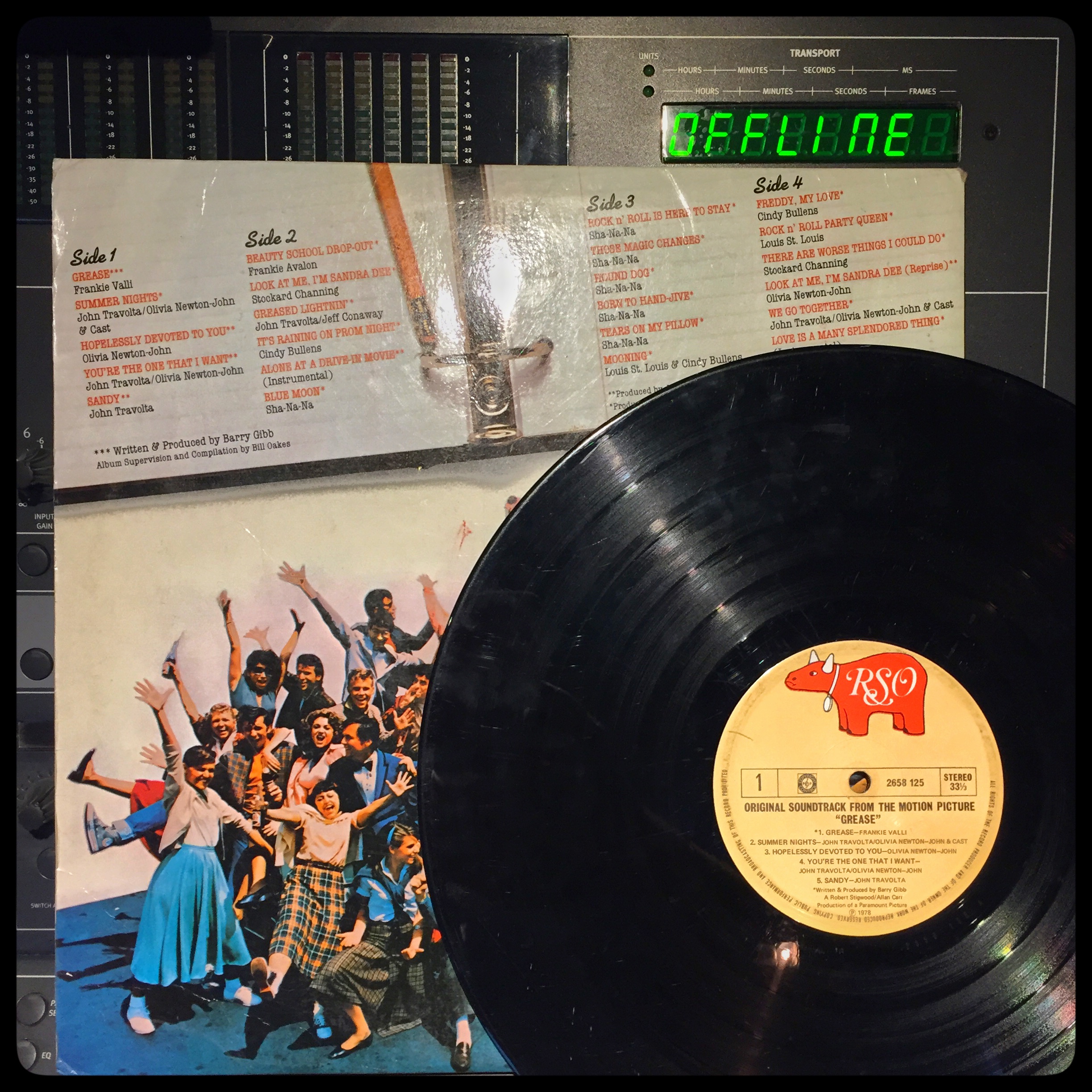
Photo Credit - Catharine Wood

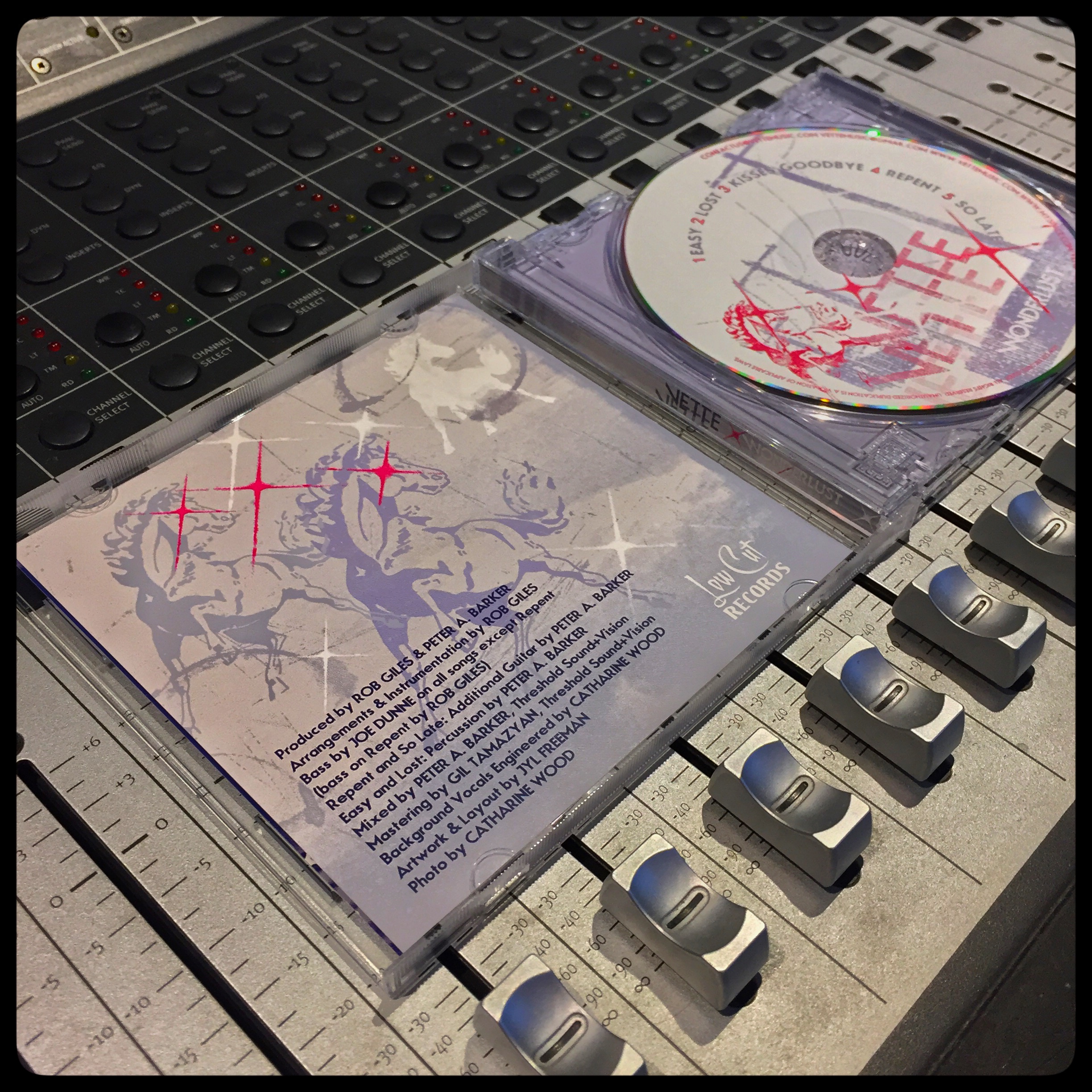
Photo Credit – Catharine Wood

It may sound like too simple of a solution — but if people are listening and SEEING how many people work on an album to make it come alive … perhaps they might VALUE what they’re listening to a bit more … and understand “what a deal” their 99 cent download is or Free streaming. It’s a reality that “streaming’s here to stay” – but it doesn’t have to be the end of the line for music creators (many of whom have either had to resort to making music as a HOBBY or are leaving the profession altogether). Right now, with the Consent Decree issues going on in Washington, woefully outdated performance royalty rates, and the Copyright NOI loophole (if you don’t know anything about this, Google “DOJ ASCAP BMI 100% licensing”, “Songwriter Equity Act” and “Google And Amazon Leverage Copyright Loophole”), songwriting as a profession is on the verge of extinction. This sounds nuts to anybody who isn’t in the industry or doesn’t know what’s going on – but it’s the crazy truth of the current situation…because, in part, our culture, at present time, is more interested in commerce than it is in supporting art. IF credits were allowed for with the streaming services (like watching a movie with end credits…where you get to see who actually WORKED on the movie), you’d get to put a “name to a face”, so to speak, with guitar players, drummers, producers, songwriters, publishers — you name it: The great “de-mystifying” of modern commercial music.

The streaming services have essentially created an environment of music with nameless faces — so people can listen without caring. I truly believe that IF Credits were allowed again — as in the days of BUYING CDs and Vinyl after hearing a song on the radio that you can’t get enough of — and cracking open the record case or sleeve and having the opportunity to LEARN about and ENGAGE IN the music…the current, passive CULTURE of consumers would change – and caring (ENGAGING) would return. So would gainful employment for players, engineers, songwriters and producers on albums. Why? Because artists would see who did what and want to work with them. It’s very simple.

wonderlust_picbycatharinewood

Photo Credit Catharine Wood

It has become the “Wild West” in the music industry “behind the scenes”. We do everything we can to maintain our livelihoods as music professionals — and it does not need to be an insurmountable task. Though I am gratefully managing to continue paying my bills through sheer grit and passion for my craft and profession, my father aptly calls what I do “miraculously rowing up hill”.

Music is a beautiful part of life. For those of us who create it – it IS OUR LIFE – as artists & creators. Commercial music is a commodity. It is not free to make and it should not be free to consume. Can you imagine showing up at your favorite restaurant and sitting down – ordering – eating your dinner & then leaving without paying the bill? We call that dine-and-ditch…and it’s stealing. Streaming services: Please give creators the credit we deserve…so that consumers can know what their listening to – and appreciate it enough to actually value it enough to pay for it…and become engaged again.

#IRespectMusic #SupportMusic #StandWithSongwriters

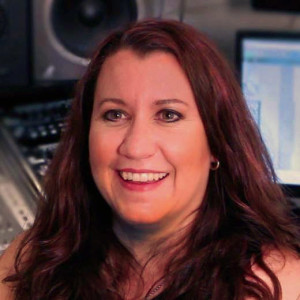
1_catharinewood-300x300Catharine Wood is a professional mix, mastering, and audio post-production engineer. She produces singer-songwriters, composes music for film and television and owns and operates her own Los Angeles-based studio, Planetwood Productions.


Catharine Wood – Producer, Engineer and Owner of Planetwood Productions

CATHARINE WOOD is a Los Angeles-based composer/producer with a recording studio in Eagle Rock. With a background in audio post-production for commercials, Catharine engineered on the first iPhone commercial among hundreds of national and international campaigns. As a mix and mastering engineer, she has engineered on over 500 commercially released songs – including her own custom compositions which have aired on NBC, ABC, BBC, ESPN and more – both nationally and abroad. She is a GRAMMY® Voting Member and Producers & Engineers Wing member. Catharine currently holds a position on the LA Recording Schools Recording Arts Program Advisory Committee, is a Board Member of the California Copyright Conference and is the former Director of Southern California for the West Coast Songwriters organization. Her company, Planetwood Studios, LLC, specializes in producing singer-songwriters and providing engineering, production and composition services to the TV and Film industries. (more…)

New York – Tour Managing and FOH/ME Seminar

970158_533413986723306_327024156_n ShapeShifter Lab to Host New York FOH/TM Workshop

When starting out as a FOH or Monitor Engineer, many of the tours you will apply for require you to wear two hats. The Tour Manager and FOH or ME or Production Manager FOH/ME, are the most common dual roles you will find. Being able to handle both roles effectively will make you more valuable, increase your skill set, and allow you to gain the experience you need to tour solely as a Sound Engineer or Tour Manager.

What do you need to know to tour manage, how to juggle soundcheck and getting your artists to soundcheck. Come find out The Good, The Bad, and The Ugly of wearing two hats.

claudia_engelhart (1)Claudia Englehart – Has been a tour manager and FOH engineer for Bill Frisell since 1989. She has worked with many renowned artists including  Ryuichi Sakamoto, Wayne Shorter, Herbie Hancock, Michael Brecker, David Byrne, Laurie Anderson, David Sylvian, John Patitucci, Dave Holland, Grover Washington Jr., John Scofield, Medeski Martin & Wood, John Zorn, The Kronos Quartet, Don Cherry, Cecil Taylor, Fred Frith, Eddie Palmieri, Willie Colon, Airto Moreira and Flora Purim,
There will be plenty of time for Q&A. Feel free to send in questions you want answered – send to soundgirls@soundgirls.org.

Space is limited – Reserve Your Space and Register

Please note that financial assistance is available – please contact soundgirls@soundgirls.org for financial assistance.

Los Angeles – Tour Managing and FOH/ME Seminar

970158_533413986723306_327024156_nPlanetwood Productions To Host

When starting out as a FOH or Monitor Engineer, many of the tours you will apply for require you to wear two hats. The Tour Manager and FOH or ME or Production Manager FOH/ME, are the most common dual roles you will find. Being able to handle both roles effectively will make you more valuable, increase your skill set, and allow you to gain the experience you need to tour solely as a Sound Engineer or Tour Manager.

What do you need to know to tour manage, how to juggle soundcheck and getting your artists to soundcheck. Come find out The Good, The Bad, and The Ugly of wearing two hats.

Rachel Ryan is the FOH and Tour Manager for PHOX and Monitor Engineer for The Strokes.

Chez Stock is the FOH and Tour Manager for several independent artists, including Yuna, Dorothy, and Empress Of.

There will be plenty of time for Q&A. Feel free to send in questions you want answered – send to soundgirls@soundgirls.org.

Light Refreshments will be provided.

Catharine Wood owner of Planetwood Productions a production and writing studio has graciously offered to host the seminar. Planetwood Productions handles everything from commissioned pieces for ESPN to producing singles and albums for singer-songwriters. With full drums, production, composition and engineering capabilities — Planetwood Productions is a one-stop-shop for broadcast-ready music that can’t be beat!  Thank You Catharine!

Space is limited – Reserve Your Space and Register

Please note that financial assistance is available – please contact soundgirls@soundgirls.org for financial assistance.

X