Empowering the Next Generation of Women in Audio

Join Us

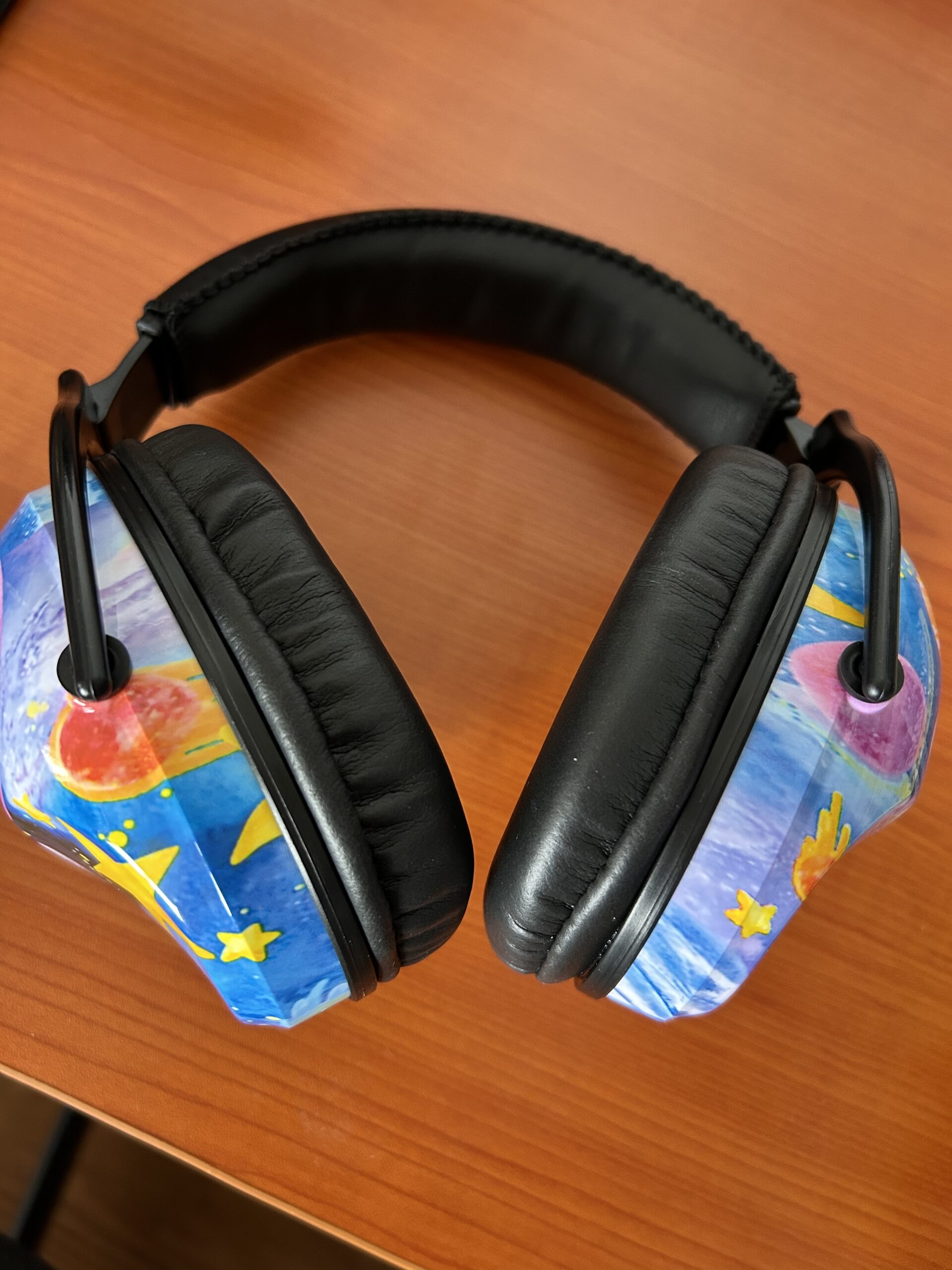
Navigating Noise Sensitivity in Audio

As an autistic person, I experience various sensory differences. I can’t cope with bright, flashing lights. I’m highly sensitive to temperature changes. Certain fabrics and clothing seams/tags make my skin itch. But the biggest one is my sound sensitivity, and yet… I work with sound.

This might seem like a contradiction. Indeed, it’s something I’ve been asked about a lot. Even my own dad asked me recently how I’m able to go to concerts if I find sound that difficult to deal with. But what a lot of people don’t understand is that I’m not averse to all sounds; just unwanted sounds. To me, there is a big difference between enjoying my favourite music and having to hear the roar of a motorbike as it passes me in the street (I use this example because it is probably the sound I hate most in the world). It’s not always about the volume. Sometimes it is, but more often it’s about things like frequency, whether there are multiple sounds overlapping, or whether the sound is sudden and unexpected. My brain also has difficulty filtering out particular sounds and focusing on others. If I’m in a busy café, for instance, and the coffee machine is making noise, the radio is on and there are two or three different conversations happening in close proximity while someone is trying to talk to me, there is no way I’m going to be able to focus on what they are saying. It’s all happening at equal intensity, which can be very overwhelming.

Of course, not all autistic people experience sound in the same way. Some may be under-sensitive to it, or not particularly sensitive at all. This is just how I personally experience it.

Having this particular sensory profile isn’t a wholly negative thing, though. I fully believe it makes me a better audio engineer. As with most things, there are pros and cons.

Pros

Cons

When I first started studying sound, we were taught not to rely too heavily on the visual representations within the DAW we were using, i.e. looking at the sound wave for imperfections rather than really listening. This obviously makes sense, as you have to develop a good ear to be able to do this kind of work. However, I also have to admit to being a visual kind of editor. I will of course use my ears first and foremost, and have gotten into the habit over the years of closing my eyes when listening through something repeatedly. But I do love using the spectral frequency display in Audition, and have learnt what to look out for when I want to remove something. I do think my autistic brain is partly responsible for this, as I’m definitely drawn to patterns, especially visual ones. But I have to admit to feeling guilty about working this way, until I read an autistic person’s account of learning to use audio editing software to work on wildlife recordings they’d gathered, and realised that this seems to be a common way of doing things when you’re neurodivergent. They said they had learnt to recognise what bird calls ‘looked like’ in comparison to unwanted sounds like car horns and sirens. I realised then that we tend to get too hung up on the ‘right’ and ‘wrong’ way to do these things. If we get good results in ways that work for our individual brains, that’s what’s important.

For anyone out there who has a fascination with sound, but may be wondering if their sensory profile will allow them to work with it, the answer is: absolutely. It might take a few adjustments to work in a way that’s comfortable for you and allows you to prevent overload, but it can be done, and you can be really, really good at it.
We Need To Talk About Tech

Let’s talk about one of the most important weeks in a theatre worker’s schedule

Tech Week

This period of time has also been nicknamed Hell Week, which is one of the first things I discovered on my arrival into the drama school world. Doesn’t sound promising, does it? In fact, a quick look at the Wikipedia entry for ‘Technical week’ reveals this information, and there’s also a ‘Controversy’ section which tells you the following:

“…the common daily schedule during this week is the ‘10 out of 12’ schedule, in which the members of the production will be actively working for ten hours out of the twelve hour shifts.”

The sources cited here are referring to theatre in the United States, but it’s also a problem in the UK. As has been pointed out elsewhere, these are long enough days for actors, but designers and technicians are almost always expected to stay even later into the night. And, as I have learnt over the past year, this isn’t just the case in professional theatre. Students are also putting in extremely long shifts.

There have been times where I’ve arrived home 18 hours after leaving, had just enough time for a quick shower before going straight to bed, then up again after five or six hours of sleep to do it all over again. I’ve seen people wolf down snacks while operating a desk rather than take an hour-long lunch break because things were deemed to be running behind. I’ve been in situations where stomachs are rumbling and energy levels are low, only for “let’s power through” to be the message. I’ve also found that, during tech, it becomes almost impossible to cook proper meals due to lack of time and resources. If it can’t be reheated in a microwave, it’s not an option, and you might even find yourself living on takeaways for a week or two (which isn’t ideal health-wise).

This kind of relentless schedule obviously isn’t good for anyone. I’ve recently seen some articles pop up in theatre publications about the impact on parents and carers, which is clearly a really important issue, but these discussions seem to be centred on performers, directors and producers rather than including technicians. And I’ve seen almost nothing about disabled or neurodivergent backstage workers. There seems to be a general reluctance to acknowledge the presence of techs with disabilities, while at the same time talking about the importance of a diverse workforce. But if we really want to make sure everyone feels welcome in theatre, we have to start practicing what we preach, and taking care of the issues surrounding tech would be an excellent place to start.

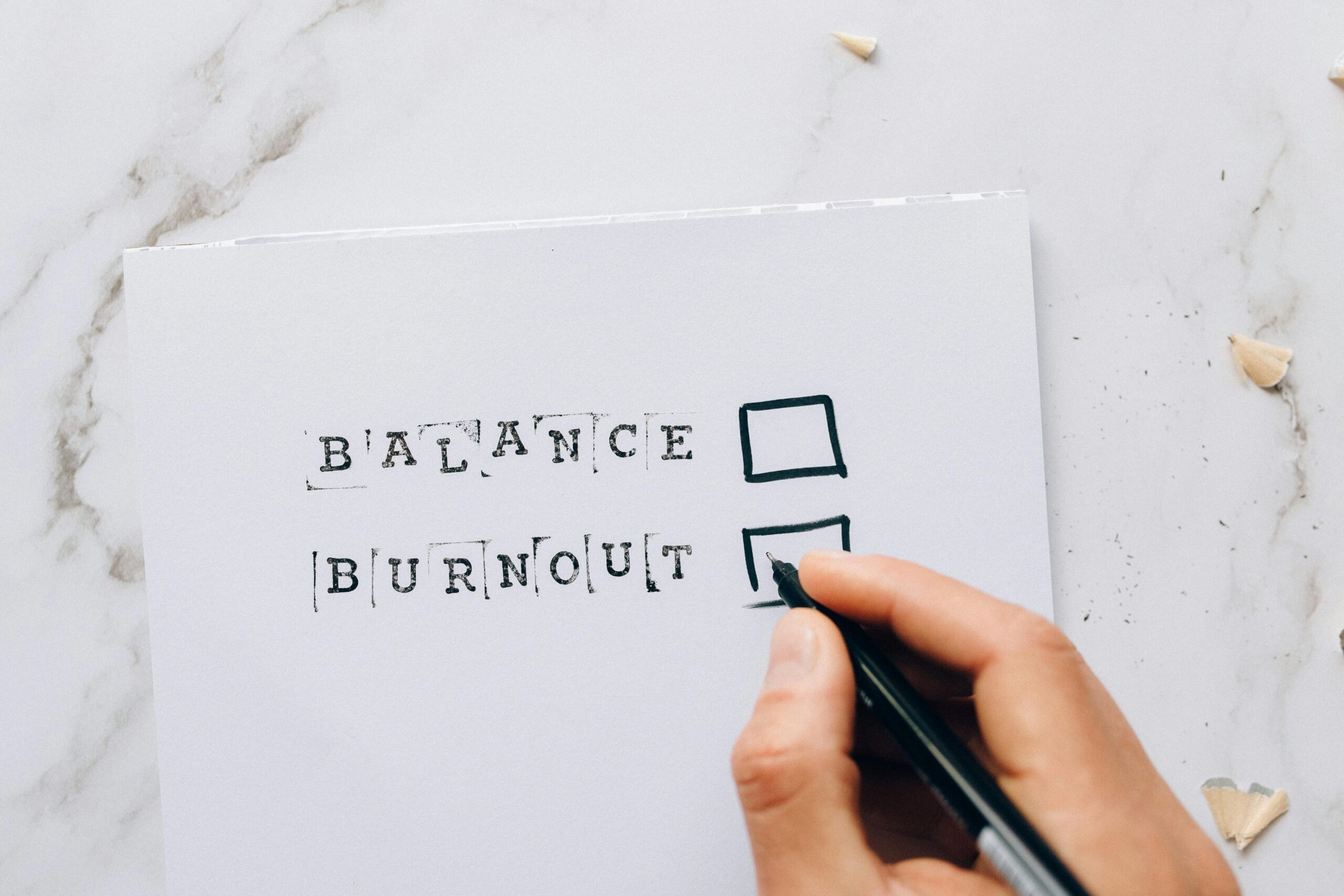
I will be completely honest. As an autistic sound technician, I have felt isolated, frustrated and let down on quite a few occasions. I have felt like my needs are not accommodated, and worse, that they don’t matter. People might say, “That’s just what tech is like: deal with it.” And people have said that. They might think changing their minds at the last minute about what time we can all leave the building isn’t a big deal. But to someone like me, who has carefully structured their entire daily routine and meal choices around the information they’ve been given, it is a very big deal and can lead to dysregulation. When such things are happening over a sustained period of time, they can even lead to burnout (and did for me, after one particular show).

Boundaries are a big issue for a lot of us, and it can be incredibly challenging to speak up and say you don’t feel comfortable with something, especially when you’re new in the industry or feel like there’s no one who will back you up. In an industry where freelancing is the norm, it’s unfortunately all too common for people to be afraid of “rocking the boat” because they may lose out on work. The attitude is: “Well, if you won’t do it, then we’ll find someone who will.” But we will only be able to move away from such attitudes if more and more people speak out against them.

If there’s one phrase I’ve become tired of hearing, it’s: “That’s just the way things are done.” And more often than not, it’s been said about tech (often accompanied with a smile when bandying around terms like ‘Hell Week’). But it really doesn’t have to be that way. Hard work and productivity doesn’t — and shouldn’t — have to come at a cost to our physical and mental health.

My End of Year Show – Sweeney Todd

Earlier this year I wrote about my first experience of theatre sound design and mixing. Hard as it is to believe, my time as a student has come to an end and I’ve just finished my final show, Sweeney Todd.

We were divided into two groups and assigned roles on either Sweeney Todd or The Witches of Eastwick. This was dependent on the proposals we submitted, stating our case for wanting to work on a particular show. I chose Sweeney Todd partly because of my interest in the story and the period in which it’s set, but I also wanted to challenge myself as much as possible. Sondheim is known for his complex musical arrangements and the songs in Sweeney Todd are notoriously difficult to perform. While this made the prospect of mixing the show pretty daunting, it was a great opportunity to put everything I learned this year into practice.

In the rehearsal room, I began the process of mentally figuring out how to balance the vocals. There are a lot of overlapping parts, and in fact one of the most taxing moments of the show also ended up being my favourite: ‘Kiss Me (Part II)’, sung by Anthony, Johanna, Judge Turpin and the Beadle. There is so much going on at a fast pace, and you really have to concentrate hard to follow the script. With so many different words being sung at the same time, it’s also really important to make sure each individual character can be heard clearly and that no one is drowned out. In addition, our production had only one male cast member, which meant finding the right balance between three female voices and one male voice (when originally this song would have been sung by three male voices and one female). All of this meant that, when it went right, it was immensely satisfying.

One of the other things that really appealed to me about Sweeney Todd was the news that our musical director would be using an amazing piece of orchestral software called Sinfonia. This allowed him to essentially be a one-man band while conducting the cast, and it was incredible to watch and to mix. It was certainly a challenge I embraced, as I had worked with tracks in QLab on my previous two shows, so it was good to have a different experience.

Another element I really enjoyed was using reverb. I’d done some research on past productions and was fascinated by how Broadway sound designer Nevin Steinberg used reverb creatively. While we obviously didn’t copy this approach, it did give us a few ideas. Our director encouraged us to have fun with reverb for the screams in the more violent scenes, and that’s exactly what we did. One particular scene involving a character being thrown into an oven was really exciting because everything came together so well: the reverb, the lighting and silhouette, the tension in the musical underscore.

That’s ultimately what I’ve loved most about mixing shows this year: the teamwork involved in bringing everything together and creating something that audiences walk out of saying, “That was brilliant.” Of course there were the usual technical difficulties and stresses, but the final show couldn’t have gone better. It was a sell-out audience, my family were there (the first time they’d ever seen one of my shows, which was really special) and everything sounded great and ran unbelievably smoothly (rare but wonderful!). It was an experience I’ll remember for a long time to come.

The Ongoing Battle With Impostor Syndrome

Impostor syndrome is a concept I’d be willing to bet the vast majority of women in audio are familiar with. That’s not to say men don’t experience it too, but in a world where women (in any line of work) are more likely to refrain from applying for jobs where they don’t meet every single one of the criteria, you can see how it’s become such an issue.

I can’t remember when I first heard the term, but I do remember a conversation about it several years ago with a highly successful radio producer. She described how, having gone through several stages of a commissioning round and having her project proposal approved, she woke up one morning with the sudden panicked realisation that now she’d have to actually make it happen. Of course she was hugely experienced and had been through this whole process many times before. But still there was a nagging voice in the back of her mind which made her doubt whether she could do it.

The moral of the story was that it doesn’t matter how experienced you are: impostor syndrome never fully goes away. That may not seem particularly comforting, but there’s a lot to be said for knowing that you’re far from alone in feeling this way.

It’s certainly been an ongoing battle for me. For example, referring to myself as an audio engineer or a sound designer still makes me feel uncomfortable, even though these are both titles I’ve held in my work and in education. When I was working in the radio production field, I struggled with calling myself a radio producer, yet that’s exactly what I was. Sounds silly, right? So why does it happen?

I think in my case, perfectionism has a lot to do with it. When I was making documentaries, or sound designing/engineering projects for clients as a freelancer, I convinced myself that unless I was working for the biggest companies in the business, I wasn’t worthy of calling myself what I actually was. Which is ridiculous, of course. And deep down I knew that. But maybe it also had something to do with comparing myself to people who had been doing it for decades, with hundreds or even thousands of credits to their name.

And now it’s the same in theatre. Yes, I’m still learning, and all of the shows I’ve worked on so far have been college productions. But the point is, what I’m doing is the same stuff I’d be doing in a professional environment.

So I’ve started asking myself: ‘How can you expect to get hired if you won’t even allow yourself to use that title?’ I figure that, even if impostor syndrome never completely disappears, I can at least try to make a few changes to my relationship with it. That way, it might be less like the school bully who makes you feel inadequate, and more like that annoying relative you have to see a couple of times a year whose advice you don’t really listen to. It’s also worth remembering that if you continue to play down your skills and accomplishments, there will usually be someone else who has no problem stepping into the void despite having no experience whatsoever.

If you ever find yourself thinking: ‘I have no real right to call myself that’, take a look back at everything you’ve achieved up to now. Chances are you’ll have forgotten how far you’ve come compared to when you started. Our brains are very good at filtering out the positive things we’ve done and focusing too much on mistakes or setbacks. It can be worth remembering this whenever impostor syndrome strikes.

Being An Autistic Woman In Audio

It’s been almost a year since I interviewed for what, at the time, I considered to be my “dream job” in audio. A few days beforehand, I received an email informing me that there would be a short technical exercise in the studio prior to the interview itself, designed to give them an idea of how comfortable I was using a mixing console.

Unfortunately things did not go to plan, in any way. The “short technical exercise” turned out to be a series of complicated tasks lasting nearly an hour, on a system I’d never used before (and which was only available within this particular company). It was followed by a string of questions about how I’d go about solving various hypothetical problems (and this was before we’d even got to the actual interview). Every time I thought I had a satisfactory answer, they’d come up with another reason why it would fail. I’d have to find yet another solution, and so on, until I inevitably ran out of options. All the while, the interviewers on the panel kept looking at me—and then each other—with expressions I struggled to decipher, while making notes about my answers.

Needless to say I didn’t get the job. Afterwards I felt completely exhausted by the whole ordeal and spent the next two days recovering at home. So much importance is placed on appearing confident and calm in interviews. Admitting you really struggle with them is frowned upon in case it reflects badly on you as a professional; no one wants to give the impression they can’t handle it. I was ashamed and embarrassed about the fact that I always seemed to fail miserably at interviews, despite knowing that I had so much to offer. No matter how much I tried to prepare for what I might be asked, it never worked out. It was always the same story.

That interview wasn’t the only challenge in my life at the time. Something I didn’t realise until later was that I was also in severe burnout. Everything seemed to be falling apart bit by bit. I thought there was something horribly wrong with me and couldn’t figure out what it was. In the end I discovered there wasn’t anything wrong with me, but something different.

I am autistic

My journey into the world of theatre sound (having abandoned my previous idea of what my “dream job” looked like) coincided with my journey towards self-acceptance, learning who I actually am, and how my brain works. Getting my autism diagnosis has come with a roller coaster of emotions. There’s the relief of finally being able to make sense of past experiences and struggles and the differences I always sensed about myself, but couldn’t quite pinpoint. There’s also the frustration of things not being noticed as early as they could have been, and of going through adolescence without the support I and the adults around me didn’t know I needed. I’m now also learning how all of this fits in with my current career trajectory.

Like many autistic people, I have various sensory processing challenges, one of which relates to sound. Competing noises really bother me: people talking over each other, making it impossible for me to follow a conversation, and certain harsher sounds drive me crazy. I’m also one of those people who can hear the high-pitched whine of a phone charger plugged in on the other side of the room. When it comes to my work, however, my sensitivity can be a big advantage. It allows me to pick up on unwanted frequencies quickly and hopefully make good judgement calls as a result.

I can also lean on other strengths that typically make autistic people excellent employees across multiple industries, like attention to detail and hyper-focus. These things all make me better at what I do. So does my honesty, my direct communication and my absolute commitment to a task.

However, while neurodivergent people have so much to offer in the workplace and that should be celebrated, it’s also important to acknowledge that there will likely be challenges we need support with. This is because too many workplaces are simply not designed to accommodate differently wired brains. The idea of providing reasonable adjustments seems to be off-putting to some employers (in all types of industries), but in most cases people are not asking for things that are complicated to implement. What an autistic person needs from their employer will depend on the type of job they are working in, as well as the fact that autism presents differently in each individual person. But generally speaking, having the ability to take regular breaks, making sure work spaces are as sensory-friendly as possible, and being given enough time to process information are things that can make a huge difference to an autistic person’s well being at work.

But unfortunately this doesn’t always happen, and I have found that theatre is no exception. In the UK, there are organisations and initiatives which aim to increase representation and promote inclusion on stage and among audiences. But in my experience to date, the needs of neurodivergent/disabled theatre technicians are not as widely discussed.

Until I experienced the stress and intensity of tech week, I had no idea what I was letting myself in for. The hours are long and there is so much going on sensory-wise that autistic burnout is a big risk. I personally found it absolutely vital to step away as often as possible and take a breather (preferably in a quiet space with low lighting). I won’t pretend this is a straightforward thing to do when people are asking you for multiple things at once and this task, that you only found out about five minutes ago, needs to be done right now, in as fast a time as possible (not fun when delayed processing comes into play). But as an industry I really believe we need to take a look at our whole approach to tech, and bear in mind that there may well be neurodivergent people within your department who need understanding and compassion (of course, prioritising well-being is something we should be doing for everyone, because no one should have to make themselves ill with stress in order to do their best work).

This likely won’t be the last thing I write here about neurodiversity. But to conclude things for now, I want to return to the topic I began with: interviews. A year on from that incredibly difficult experience, I had an interview with a company that made reasonable adjustments when I disclosed my autism during the application process. They sent me a list of questions beforehand: a simple act that made a massive difference by allowing me to focus completely on the best things to say about myself, rather than worry about my tone of voice/body language/level of eye contact and how this would be perceived. Yes, there may still be interviewers who are not prepared to see past this stuff, but that’s their problem, not mine. Because I’m finally learning that I should never have to hide or suppress those parts of myself that are different. Not weird, or wrong. Just different.

And that is okay.

Designing and Mixing My First Shows

Since becoming a theatre sound student last September, I’ve had the opportunity to work on two productions in two different spaces. The first was our Christmas pantomime, Rapunzel, and the second was one of the all-time great musicals, A Chorus Line.

First, Rapunzel. I was warned that I’d be thrown in the deep end on this one, and that was certainly true. It was one of the biggest shows of the year, running for two weeks in our 250-seat theatre. We had two shows a day for most of that time: schools performances in the morning and general public in the evening. As sound designer my work started in October, attending production meetings with the director, lighting designer and DSM and going to as many rehearsals as possible. In keeping with pantomime tradition, there were a lot of comical and bombastic sound effects required. One of the most fun to create was a bubbling, hissing cauldron in the witch’s lair. It involved blowing bubbles through a straw in a bowl of water, capturing the sound made by water coming into contact with a stovetop, mixing the two together and adding a lot of reverb! I was quite proud of how it turned out.

I’ll be honest: tech week was incredibly stressful, unlike anything I’ve ever experienced. I had to program a lot of pretty complex sequences in QLab which, considering I’d never done it before, was definitely one of my proudest achievements. There were various technical challenges to overcome and a few tensions along the way, which is to be expected during any tech run. I think it’s fair to say every department struggled with the first dress rehearsal. However, everything suddenly seemed to click into place afterwards and by the time we opened, everyone had found their flow.

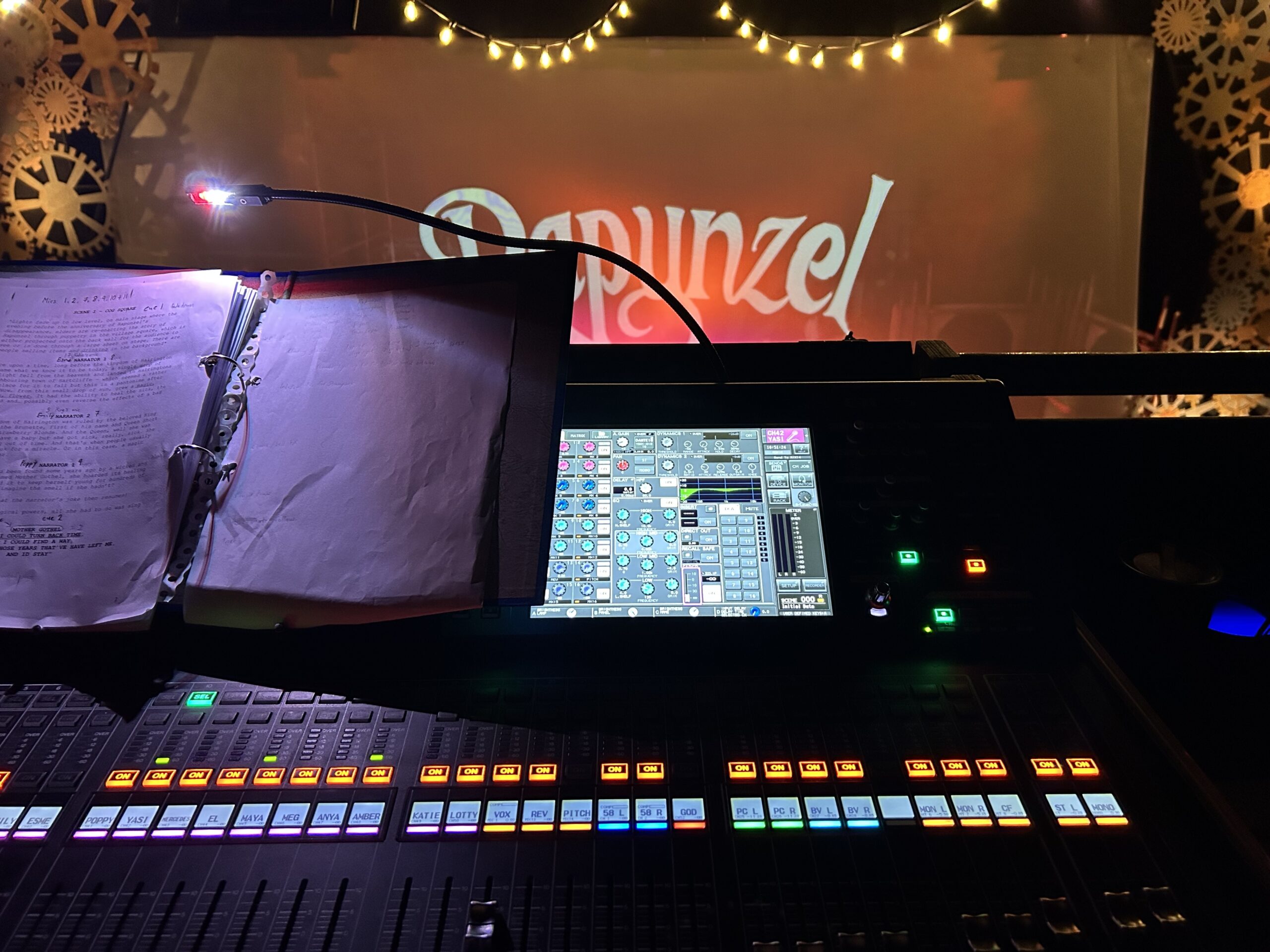
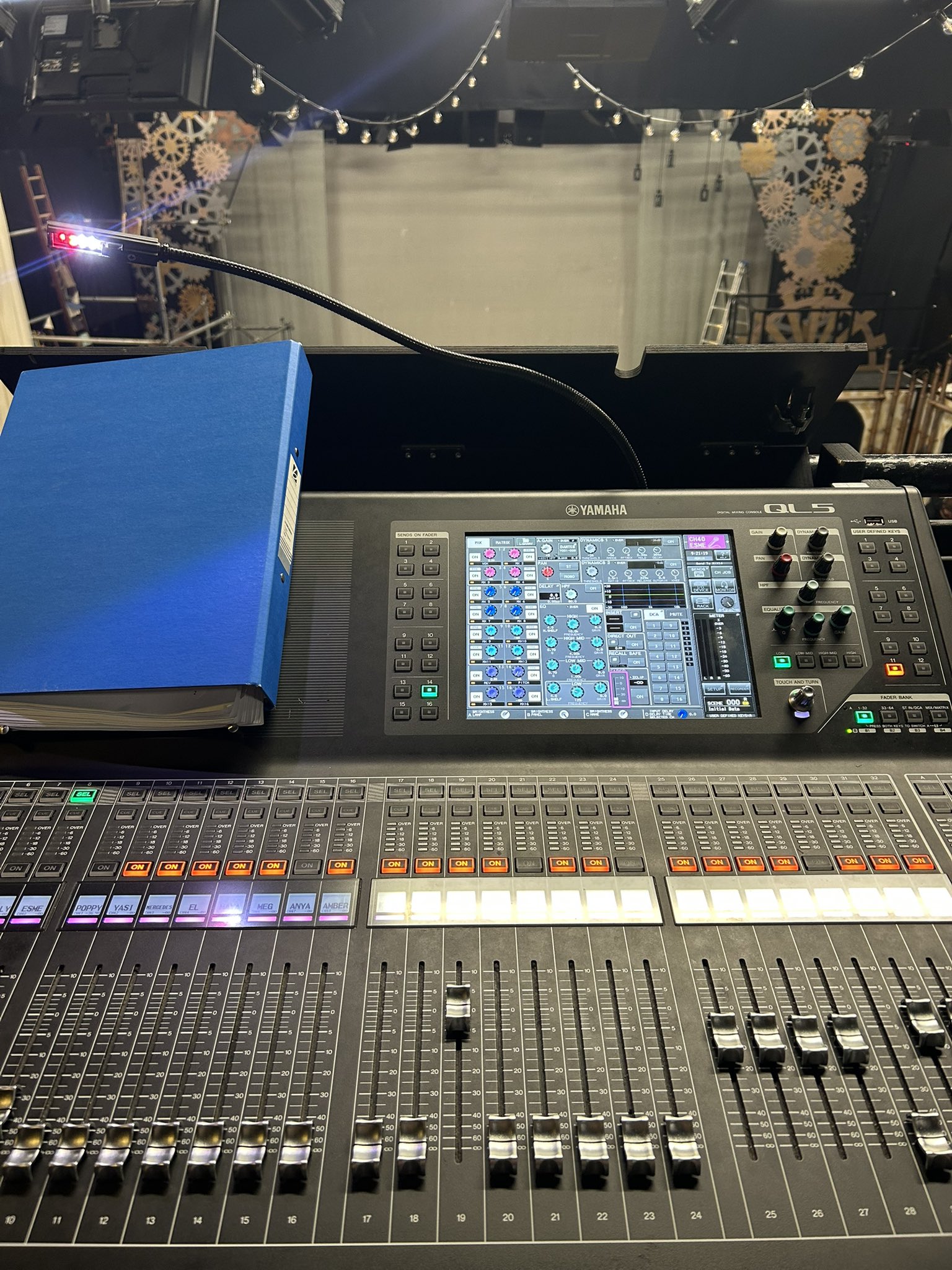
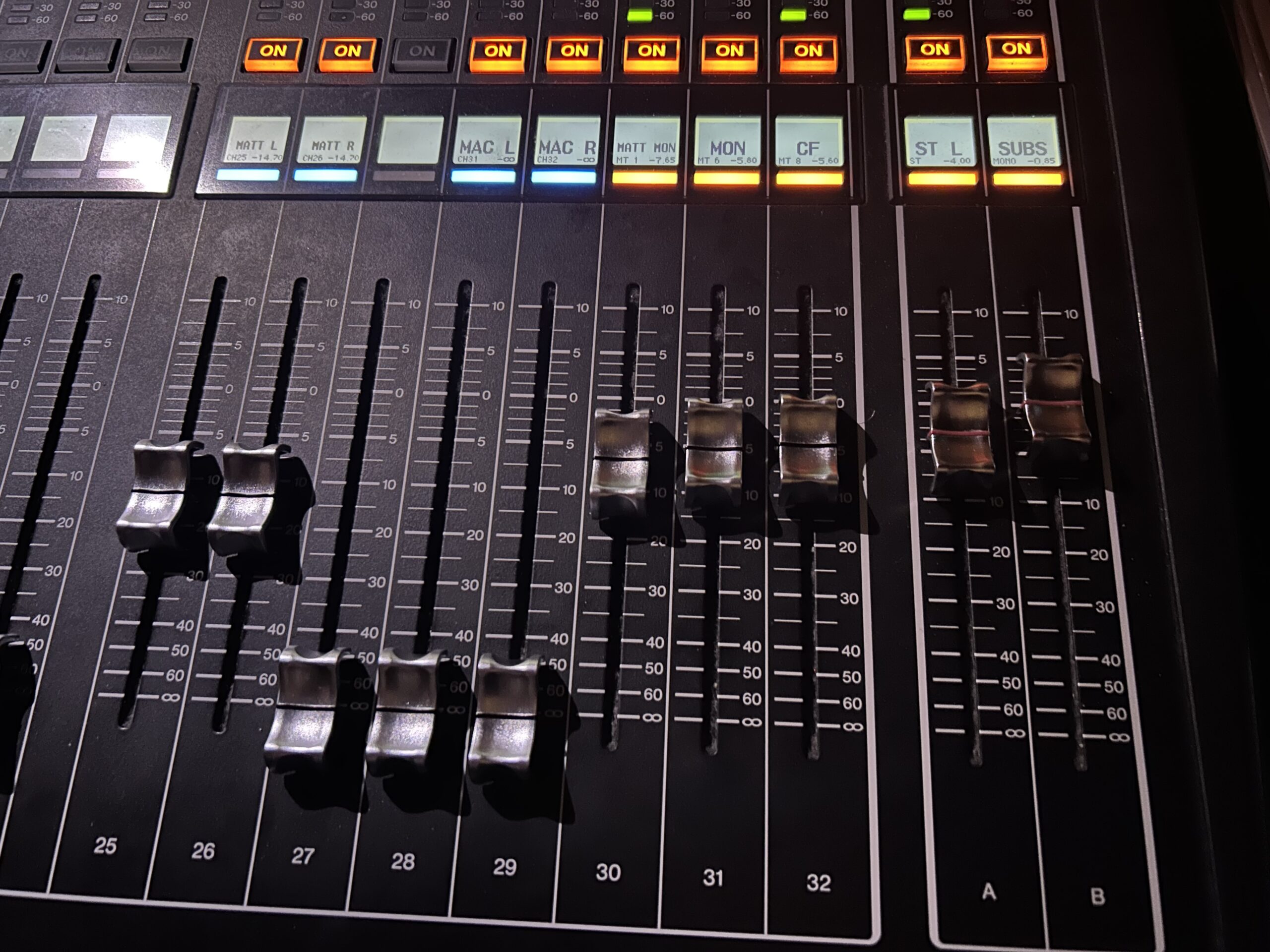
As well as designing, I was also required to mix the show: something I know would not have been the case in a professional environment, but in this case we didn’t have the luxury of a larger sound department. My desk was a Yamaha QL5 and we had a cast of 19 actors and six dancers, with 14 radio mics at our disposal (swaps and breakages were involved). The moment of terror described by many theatre sound engineers just prior to their first ever show is now 100% relatable to me! Dress had gone well, soundcheck had gone well, but part of me was still thinking, “Is it too late to run away?” That nervous energy remained before each subsequent show, but I soon found I was able to channel it into pure focus as soon as the curtain went up. And when we got to bows, applause and cheers, that feeling of exhilaration would hit and I’d think: That’s why I wanted to do this!

The feedback I got from my tutors, the director, cast and my fellow crew, as well as the response from audiences, gave me confidence and assured me that all of the hard moments had been worth it. I certainly understand now why people say pantomime is one of the toughest things you can work on, but when it goes well, it’s so rewarding.

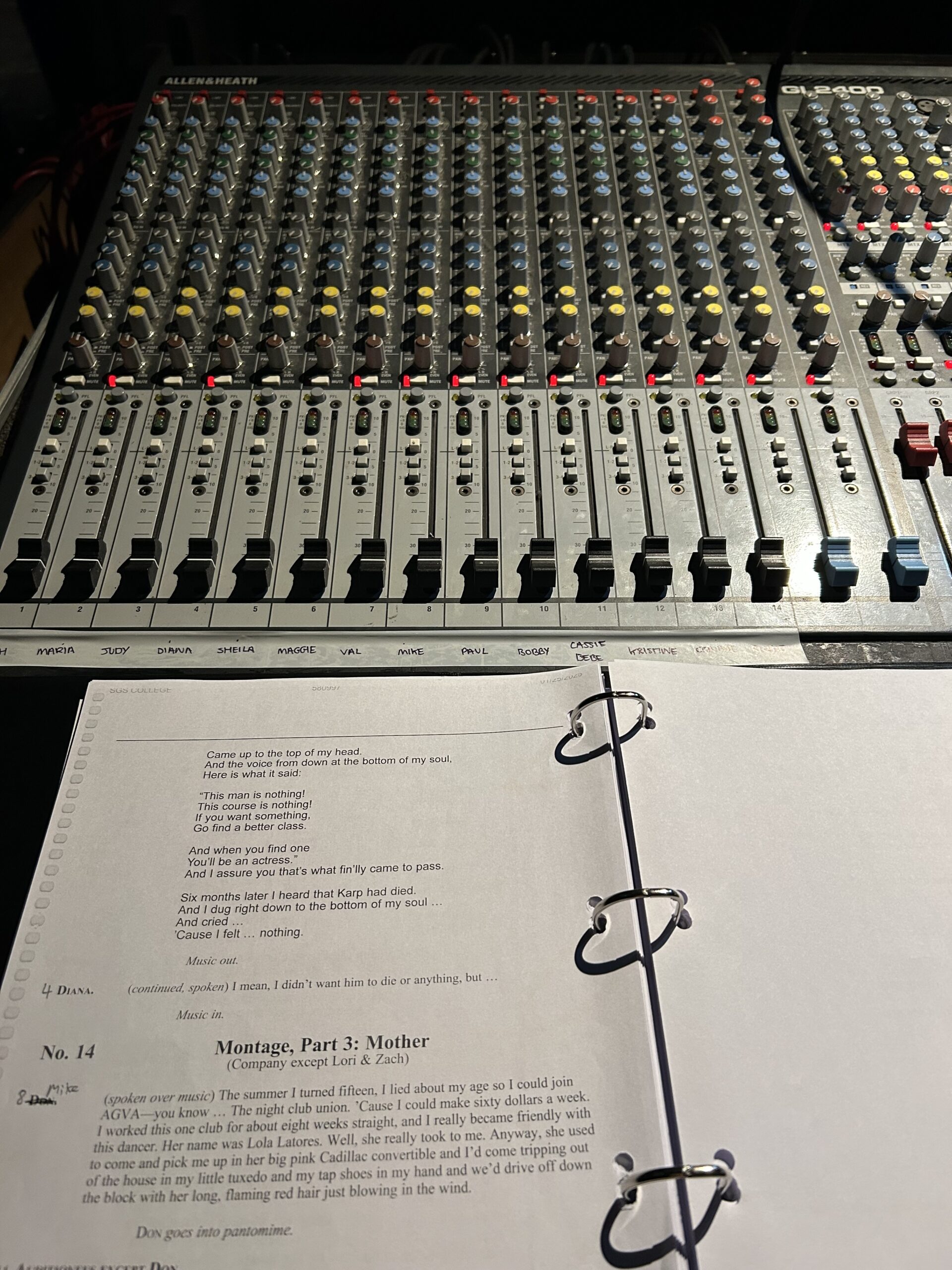
After Christmas it was straight into rehearsals for A Chorus Line. This show took place in our smaller studio theatre and was more straightforward in that there were no sound effects required, just tracks (and in this case QLab was operated by our DSM). I used an Allen & Heath analogue desk this time, so it was really good to get experience of a different setup. We had a cast of 15 and needed 14 radio mics and one handheld for the director character. Inevitably there were some breakages, which made mic swaps a bit of a challenge as the majority of the characters were on stage most of the time, with no interval. It was a bit easier later on in the show, as we had solos from Diana, Cassie and Paul which provided more opportunity for swaps.

My biggest takeaways from these two experiences have been:

New Beginnings – Changing Audio Disciplines

Audio is a beautiful medium. There are so many things you can do within it, so many different paths your career can take. Sometimes, even if your passion for audio is as strong as it always has been, you can become disillusioned with your chosen discipline. This is what happened to me over the last couple of years.

If you’ve read any of my previous blogs for SoundGirls, you’ll have noticed that my discipline has been radio and podcast production. To recap, I spent several years working in broadcasting after obtaining my Master’s degree in Radio Production, and after going freelance during the pandemic, I started producing and editing podcasts. I also made a couple of radio documentaries which were both shortlisted in their respective categories at the New York Festivals Radio Awards (in 2021 and 2024).

“Sounds glamorous!” I can’t tell you how often people have said that to me on learning what it is I do (or have done). Everything I’ve made and every project I’ve worked on has been the result of hard work and dedication. But there’s a whole other side that most people haven’t seen, like the financial struggles and uncertainty that come with freelancing, the constant competing for jobs and fighting for acceptable rates of pay, and the long list of rejected funding applications and project proposals. Nobody ever said this industry would be easy, and plenty of people manage to stick it out despite wondering: “Why did I ever want to do this?” But others can’t, and I was one of them.

Don’t get me wrong, I loved a lot of it. I’ve always seen myself as a storyteller and I don’t for a moment regret any of the ideas I had that came to fruition. But the time came when I started to think there had to be more out there for me to do. For example, I really missed that live sound environment. Even though it still took place in a studio, one of my favourite things to do had always been to get my hands on the faders of a mixing console. That’s where I originally saw my career in radio going, but it didn’t quite end up that way (though not for lack of trying).

At some point I started to think more about branching out into theatre and live events. It’s ironic that this happened during a time when the entire industry was shut down due to a global pandemic, with little idea of when (or if) things would be the same again. But I made a promise to myself to explore the idea further when the picture was clearer.

Sure enough, Guildhall School of Music & Drama in London advertised an intensive three-day short course in theatre sound engineering in summer 2023, intended as an introduction to the different roles within a theatre sound department and a chance to learn some of the basics. I went, and loved it. I learned about mic fitting and a little bit of Dante networking and got to practise using a Yamaha console. I was also so excited by the drama school environment and decided to look into it some more.

That’s when I realised how expensive most drama schools can be, especially if you’ve already gained higher education qualifications as I had. It was also tough to find courses that focused completely on sound (rather than technical theatre generally) and wouldn’t mean investing another three years of my life in education. I put the idea on the back-burner for a while. In January 2024, I was lucky to get the chance to shadow the sound department on The Rocky Horror Show when it came to Dublin on tour. I had an amazing few days, and afterwards I asked several members of the team for advice on getting a foot in the door. They all recommended trying to find depping work. I contacted every theatre and venue I could think of, with no luck at all. Unfortunately the industry in Ireland is incredibly small so I knew I’d have to find a way to move back to the UK if I wanted to stand a real chance.

That’s when I stumbled upon a brand new, year-long professional diploma starting in September at the Bristol Institute of Performing Arts. While not a sound course per se, it was one of three pathways available along with lighting design and stage management. All you had to do was select your preferred pathway during the application process. It was also much more affordable than the other educational options I’d come across, and could give me the hands-on experience I needed in one year rather than three. I applied, interviewed and was accepted.

And now here I am, living in the beautiful historic city of Bath in south-west England, commuting the short distance to Bristol by train and immersing myself in an area of sound that is new to me, yet allows me to draw on the fundamentals I’m already well acquainted with (signal flow, for example, or — when it comes to sound design — working with DAWs). I’ve already designed and mixed one show and am about to start on another; all of which I’ll be blogging about my experiences of as the year goes on.

Some people have questioned why I felt the need to undertake a course like this when I “already know everything about sound”. First things first, nobody knows everything about sound. There are just too many different disciplines within it and no one can master all of them (even one is enough for most). And it’s not just about sound; I’m learning about how theatre works as a whole, how different departments work together, how technicians and performers communicate with each other and what it takes to bring a show to life. Beyond that, I’m making contacts I would not have had the chance to otherwise. I’m also learning more about myself in the process; discovering strengths I didn’t know I had and encountering new challenges.

Would I call it a career change? Yes and no. I’m still a SoundGirl either way, but crossing over into another discipline will hopefully expand the opportunities that are available to me.

Tips For Recording Podcasts Remotely

The COVID-19 pandemic resulted in many people taking up podcasting for the first time while existing podcasters found themselves having to rethink their methods of recording in the absence of face-to-face interaction.

Remote recording has always been a great way of interviewing people who might not live anywhere near you, even before the pandemic (not to mention the fact that you may be working from a home studio on a tight budget), but it has arguably become a much more widespread practice over the past two years. It undoubtedly has its challenges, but recording remotely doesn’t mean you have to sacrifice audio quality. Assuming you already have the ideal setup on your end (if not, there are some great tips to be found in other SoundGirls contributors’ blogs), here are some ways you can get the most out of your guests, no matter where they may be in the world.

Equipment checklist

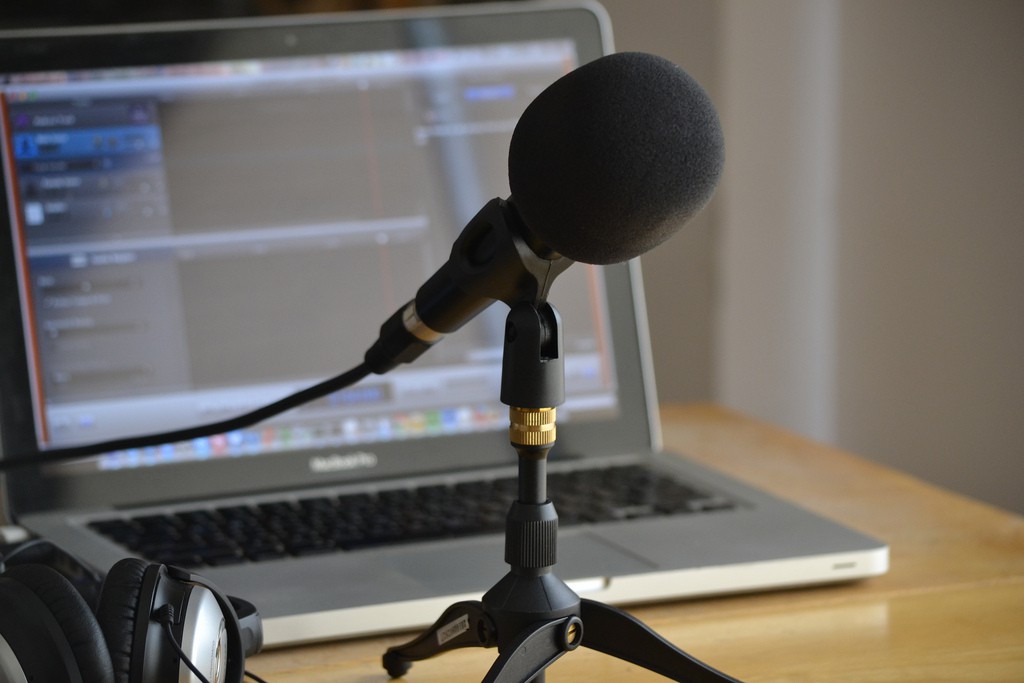
Ideally, your guest should have a good-quality microphone. There are plenty of affordable USB mics on the market which will do the job, but if they’ve never been on a podcast before, you may be limited to their built-in computer mic (as an editor, I’ve found that some of these can be surprisingly good). Headsets, on the other hand, can be quite hit-and-miss. Some sound great while others sound no better than a phone line, and I’ve had many an editing nightmare as far as plosives are concerned. Always check things out with the guest beforehand; you don’t want to hit ‘record’ only to find that the quality is terrible and you don’t have any other options. You should also make sure they’re using headphones or earbuds at all times.

Eliminate background noise

Just as important as the equipment your guest uses is the environment they record in. Unless you’re fortunate and they have a studio of their own, you’re probably not going to get flawless acoustics. But you can (and should) make sure they’re in a quiet room with no distractions as far as possible. Home life can be chaotic, of course; this can sometimes spill over into a recording despite our best efforts. The dog barks for attention, the kids forget that you asked them to be quiet, and your neighbor decides to start mowing their lawn outside. Fortunately, these can all be edited out if they don’t last very long and parts can be re-recorded. But try to make sure other avoidable noises are taken care of in advance: ask your guest to switch off any fans or air conditioning, have their phone on silent, and close any tabs on their computer that are likely to play notification sounds. If they’re not used to the recording process, encourage them to stay ‘on the mic’ and avoid moving around too much, shifting in their chair, or brushing against the mic and any cables.

Choose the right recording software

In the past, it was common to use Skype to record podcasts. Now a lot of people are using Zoom, which arguably gives better quality and allows you to create separate audio files for each participant. However, you still have to rely on both you and your guest having a stable internet connection. For this reason, you should consider opting for a platform like Zencastr or Riverside.fm, which allows you to set up online studios and record each track locally. So even if the internet connection drops, everything will still be recorded in high quality to your, and your guest’s, computer. Even better, all you have to do is send them a link and they can access the recording window in their browser. It’s worth noting that both platforms also have video recording capabilities.

There’s probably no perfect substitute for sitting face-to-face in a studio, but with a little preparation, you can get your remote recordings sounding top-notch.

Does It Matter Which DAW You Use?

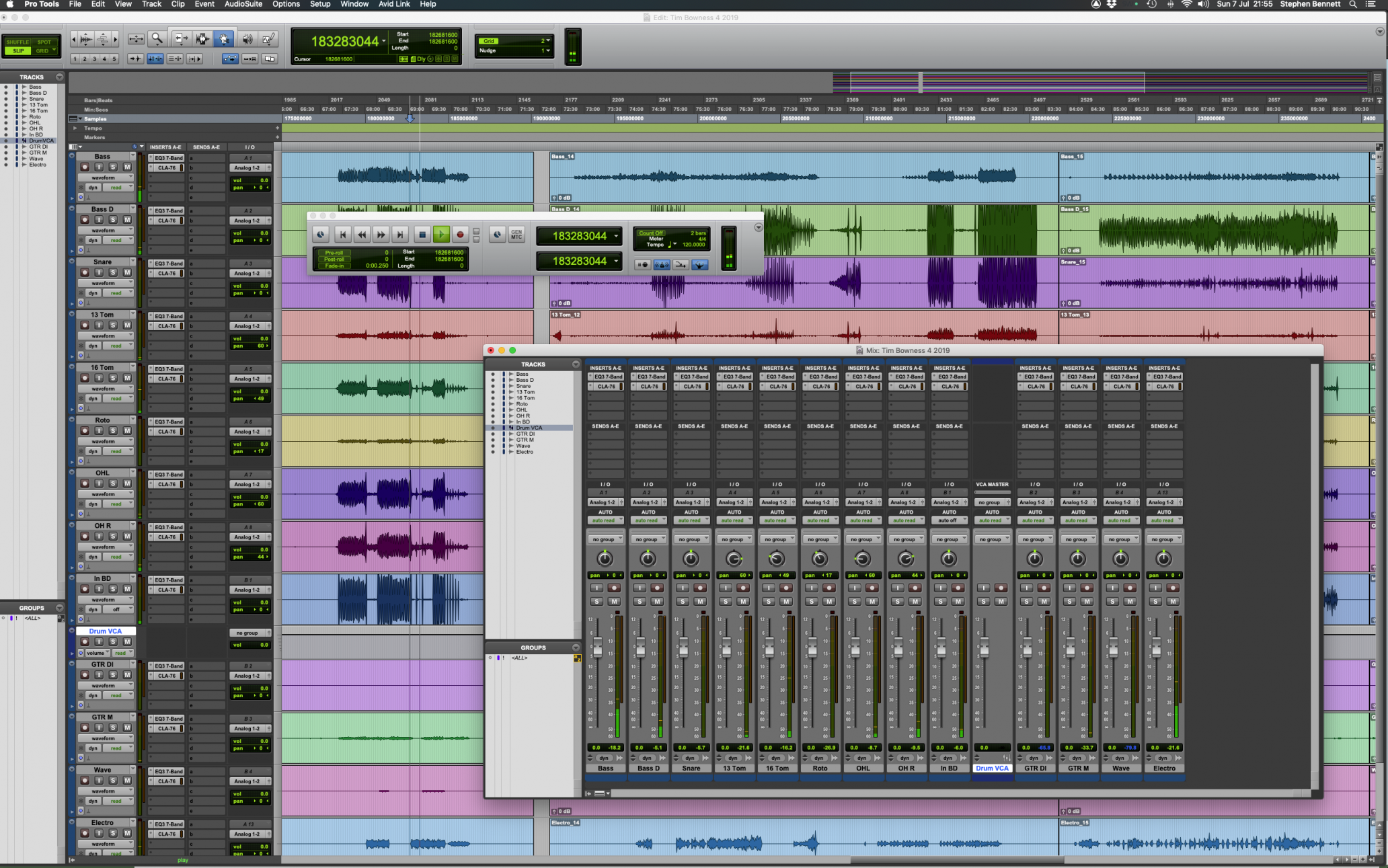
A few years ago, when I was fresh out of college and looking for jobs, I remember reading an article that explained why Pro Tools is the industry standard and why every audio professional needs to make it their DAW of choice, whether they work in music, film/TV, game audio or podcast production.

In addition to this, I found that a lot of radio and podcast job adverts were very specific about the software they required people to know how to use (usually Pro Tools, Logic, or Reaper, but mainly Pro Tools).

It got me thinking about how many of us use a particular DAW simply because we’ve been told it’s the best one, rather than choosing one that suits our individual needs. Obviously, it makes sense to have an understanding of different ones (if nothing else, you’ll learn what you like/don’t like working with), but is it fair to reject a job candidate on the basis that they have a preference for one DAW over another? I don’t think it is.

I’m a big fan of Adobe Audition. It’s what I use in my day-to-day freelance work, what I used in my last full-time job, and what I used during my studies. Before that, I learned how to use Pro Tools and have also experimented with other DAWs in the past. But I don’t mind admitting that Audition is the one I feel most comfortable with. It wouldn’t be the best choice for music production, for example, but for radio and podcasting, it’s perfect. It’s widely used for this purpose, yet most production companies still require those they hire to have Pro Tools expertise.

This is not in any way a criticism of Pro Tools. It’s a fantastic and versatile DAW that undoubtedly works for a lot of people. I also understand that companies will have a particular setup and employees obviously need to know how everything works. But if someone is experienced in their field — enough to actually be hired — should it really matter if they’ve used a different DAW up to now? I’m not saying it’s easy to just jump into a piece of software that you’ve never used before, but it is entirely possible to learn (quickly) on the job. I’ve had colleagues in the past who had only used Pro Tools and had to learn Adobe Audition on the fly. But they still got hired in the first place because they were good at their jobs, not because of the DAW they used. I feel the same thing should happen with those who may not have much (or any) experience with Pro Tools.

If you’re a freelancer who chooses their own clients and projects, the DAW you use should be even less relevant to the people you’re working with. I haven’t yet had a client question my setup (unless there’s a situation that requires us to collaborate on an edit or share sessions, but those have been few and far between) but if they did, I would want to know if there was a good reason for needing to use a different DAW. I’ve never been in a situation where Audition didn’t meet my needs or allow me to deliver a project successfully.

To sum up, I think we can easily get bogged down by the term ‘industry standard’. What matters most is a person’s own skills and qualities and what they can bring to the table. The software they use is secondary.


X