Empowering the Next Generation of Women in Audio

Join Us

Getting To Know A New Audio Device
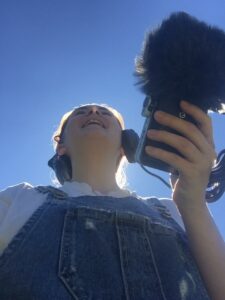
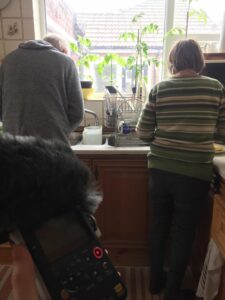
Through the BBC New Creatives scheme, I was kindly sent some audio equipment to create my audio piece. As a recent graduate of student radio, my only technical knowledge was an old Alice Board, Adobe Audition for editing, Myriad software for song selection, and the microphones that have been in the studio for many years. I used to record out of studio interviews on my phone using a random voice record app.

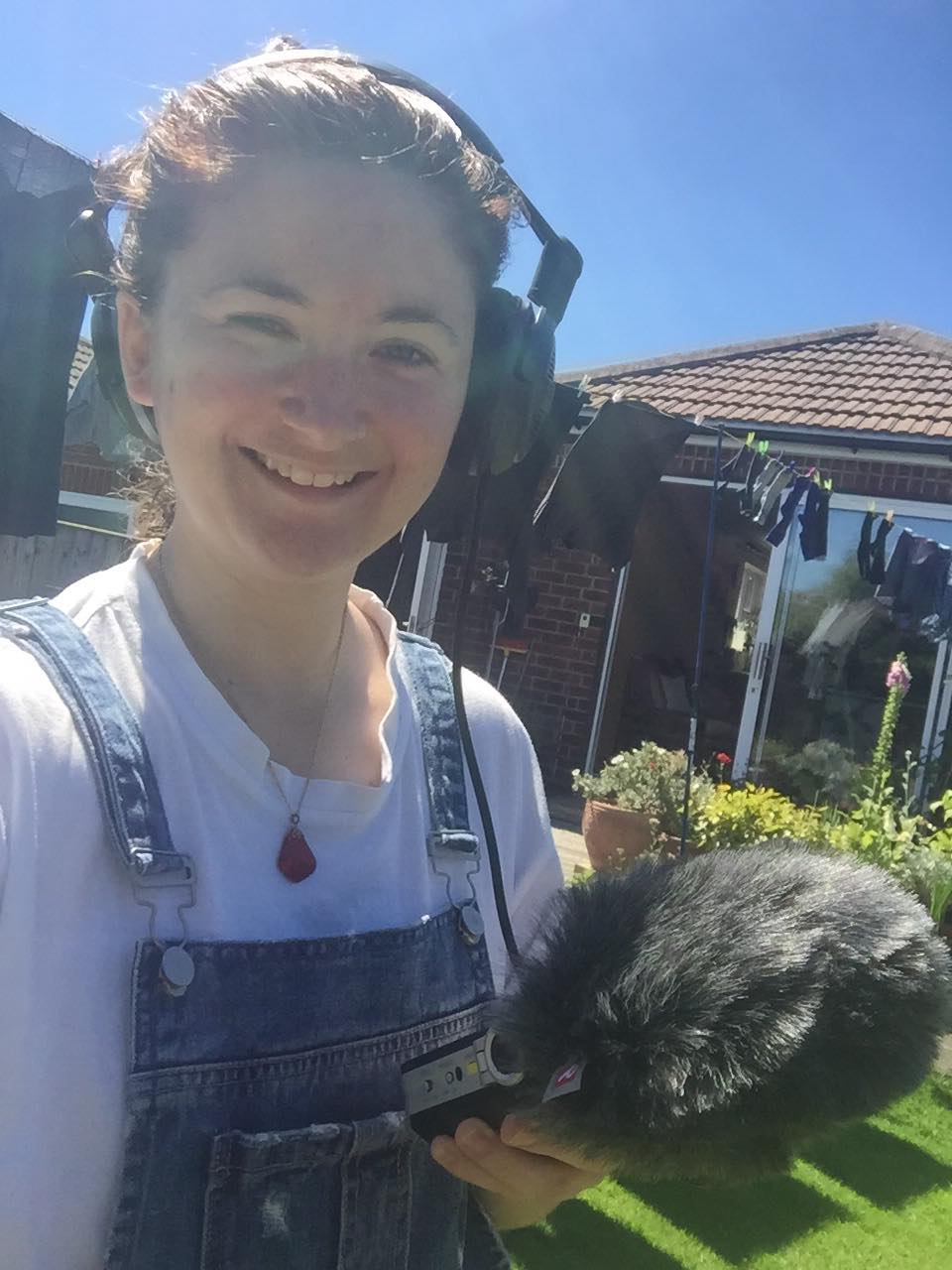
Now I have a PCM-D100 device to record with and some DTx – 910 Stereo-Headphones. Plus, an accessory kit with a handle and a windjammer. I feel quite the part! I have the basics down. Getting to know how to use the equipment was a lot of trial and error. The most challenging thing is not picking up the noise of me holding the audio device, whether that was holding the handle or the device itself. I think I prefer using the handle. The device is also quite tricky to transport; it is bigger than the other on-the-go equipment I have used before.
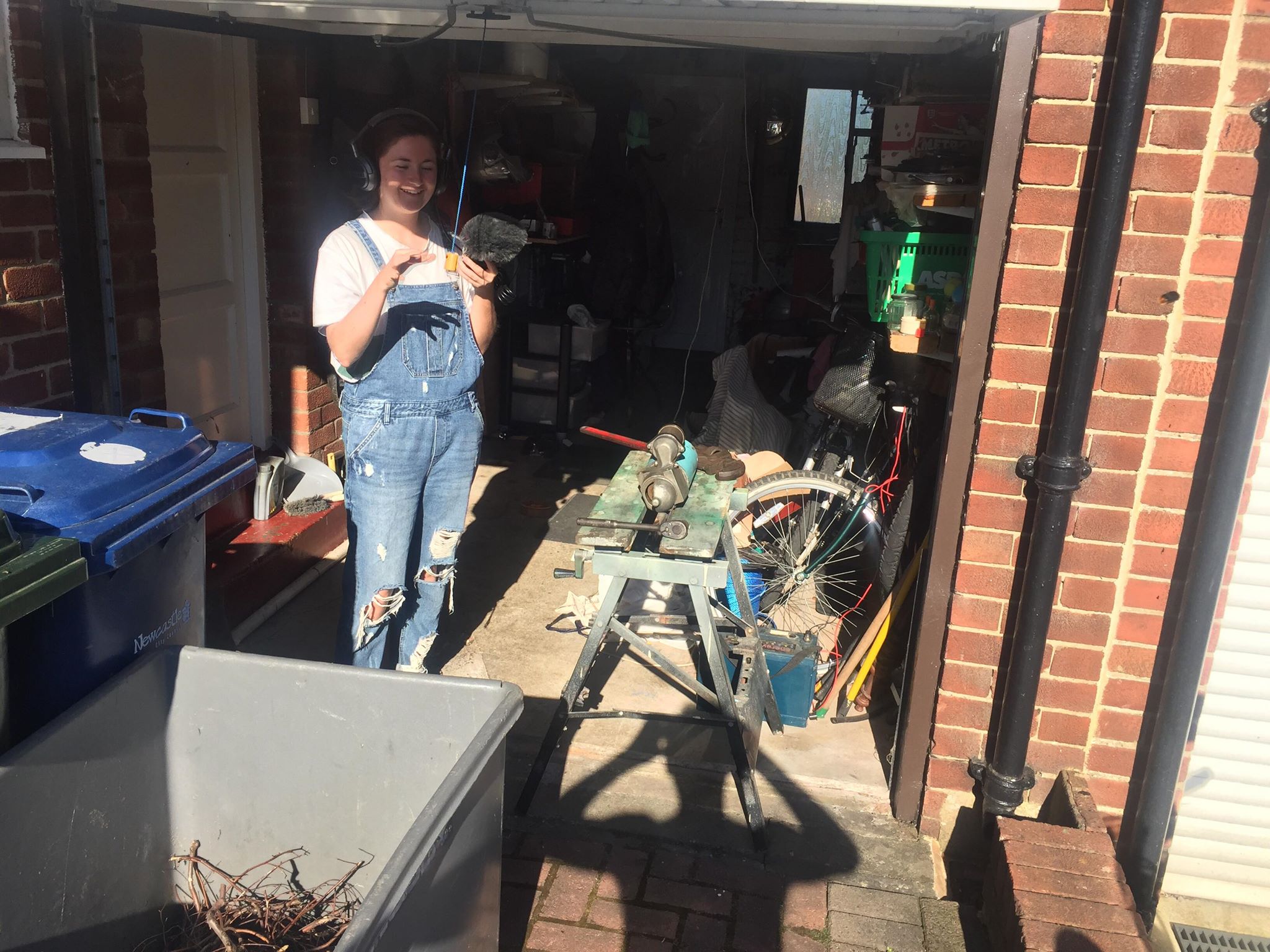
I have used it around the house a lot; in the garden, kitchen, and garage picking up sound bites including family conversations as well as sounds of nature such as birds in the garden, natural suburban sounds such as lawnmower noises, cars passing, and planes overhead. I have also been recording household sounds, including dripping taps, doors opening, and closing and footsteps.

These experimental sound recordings have helped me best learn how to use the device; what settings to have it on, how far away or close to hold it to certain people and objects. I have then transferred the audio track into Reaper – another new aspect to my sound learning. I was very set in my ways with Adobe Audition and struggled to find my way around Reaper at first. I am getting better each time I edit and quicker, which I guess is natural with this trial and error method of sound recording.


I am yet to conduct any formal interviews or go into public with the device, mainly because I know it was quite expensive! But also, because I know, it would draw attention and I’m not quite sure what my long-term aims with the device are. In the short term, I am making a short audio piece for BBC New Creatives, which could lead to being developed further, but at the moment is very much in the experimental pitching, trial, and error, change and development stages.

I would love to know if anyone else has this device? Do you like using it? Are there any tips and tricks I should know about? There are probably so many features on it I haven’t even discovered yet. My preferred recording and editing style at the moment is very natural, authentic, and organic with no music added over, just people’s voices and natural background noises. I like podcasts that are only voices and not lots of editing with music overlaid, and many sound effects are thrown in. I find I listen longer, relate more, and feel more engaged and engrossed in the content when it is voice only.
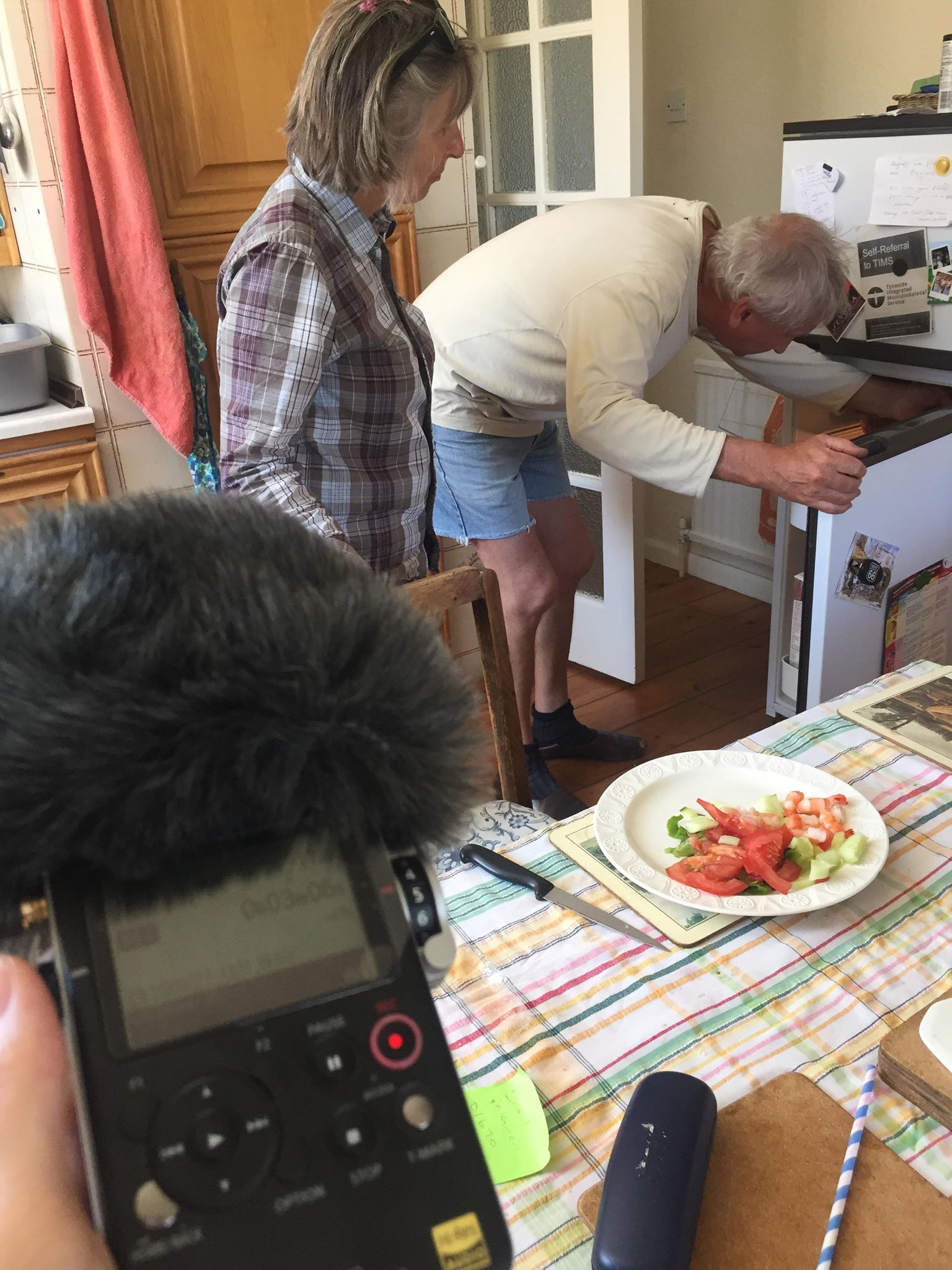
I am spending the rest of today recording with friends and housemates, so for the first time may have more of an interview set-up, but again I want it to be very relaxed and casual so that the conversation remains natural and unforced. Overall, this device has been a significant step in the right direction for becoming a more proficient audio producer, I think. It is very different from my knowledge of student radio technology and more complicated than an iPhone, but it is easy enough to grasp that I don’t feel overwhelmed or confused by it. I hope to use it for many more years in the future to produce whatever content I choose to explore and experiment with!


WHERE ELSE TO FIND ME:
Tri-lingual radio show (Sobremesa)

Sobremesa Facebook

YouTube and Geography blog

LinkedIn

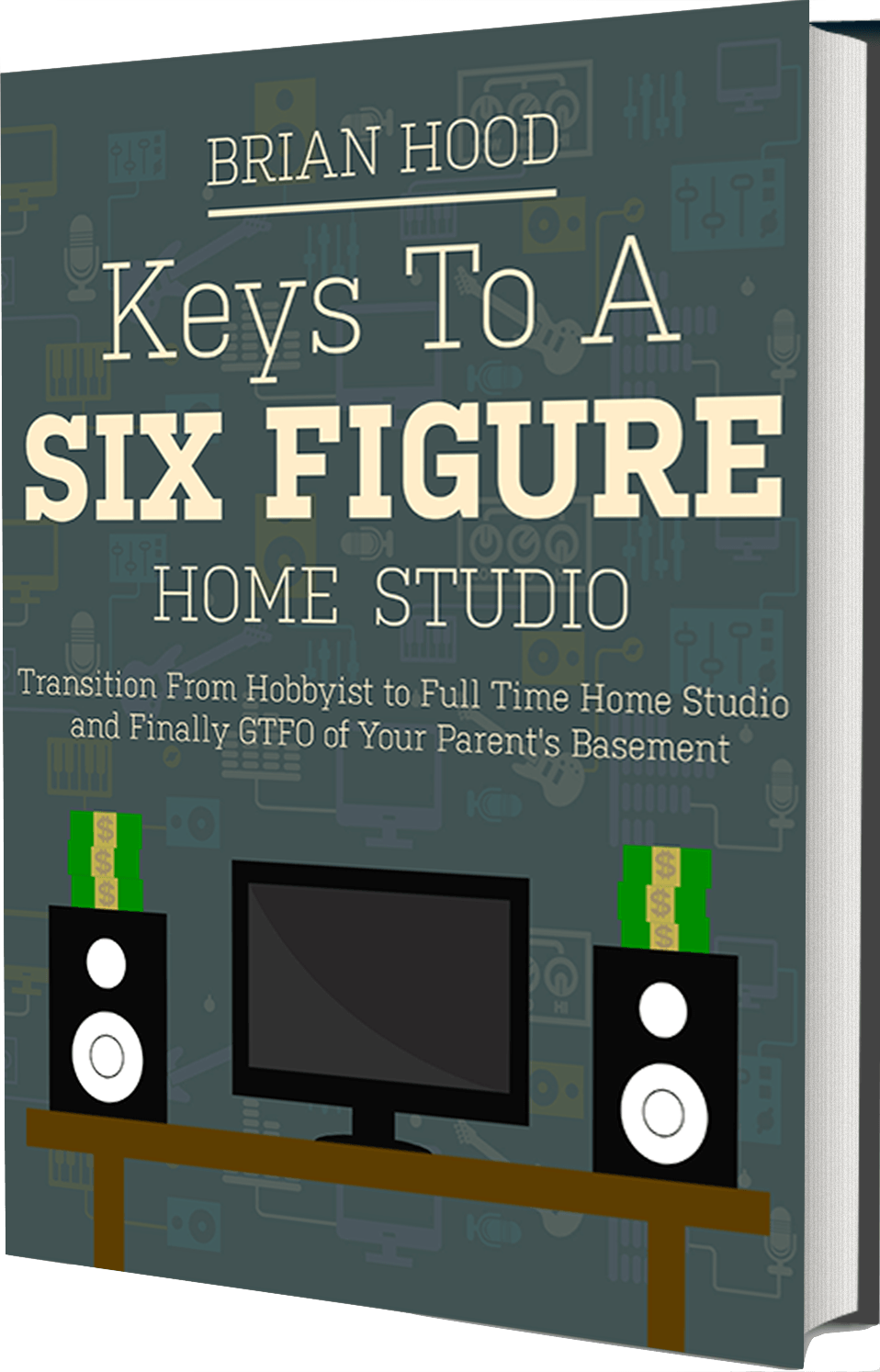
The Six Figure Home Studio: A Review

When I first heard about The Six Figure Home Studio, I was skeptical. Who was this guy and was he really making six figures? Could a 31-year-old engineer/mixer really have enough experience to give solid advice to the thousands of people coming to his site?

I was surprised to find what Brian Hood has to say has a lot of value. In six years, he grew $5,000 and a studio in his parent’s basement to a 6-figure income (gross/pre-expenses) business in Nashville. He recognizes common business struggles for home studios (and freelancers) and has come up with easy and practical tools to help. I reviewed the website, podcast, video series (free portion), mailings, and Facebook group. A few elements stood out as the best:

 I Publicly Shared ALL Of My Studio’s Income, Expenses, and Tax Numbers

Brian posted his business earnings from 2014 (month by month) and yes, it was over six figures (around $120,000). The catch: After expenses and taxes his net income was around $50,000. This is an excellent case study of the reality of owning a home studio.

Website Download: Rate Sheet

(link at the bottom of the page)

This is a free download if you give an email address (which does sign you up for the mailing list). The rate sheet is geared towards music production but has a lot of great advice and the rate ranges provided seem reasonable and realistic.

Facebook group: The Six Figure Home Studio Community

The first two rules for this group are “No gear talk unless it’s related to business/budgeting/growing your bottom line” and “No mixing talk. There are more than enough groups for this.” It feels like a community – the conversations are interesting, and everyone is treated with respect (including the women in the group). It’s a great resource for business questions.

Video course: The Simple Business Roadmap

This free “course” is a collection of videos that can be watched in about an hour. In the videos, Brian gives simple suggestions how to start a business and create a plan. It’s worth it to sign up for the video about sales where he talks about how to target potential customers (including online strategies).

Article: Why Most Home Studios Fail To “Make It” (Spoiler: It Has Nothing To Do With Marketing)

Brian has created “The Home Studio Hierarchy of Needs” which shows “the fundamentals necessary to create a successful, profitable, flourishing home studio business.” When it comes to finding business, studio owners (and freelancers) tend to work in a lot of different directions without much focus. Brian breaks this down into a process that is easy to understand and implement.

Home Studio Assessment

This is an assessment based on his above “Home Studio Hierarchy of Needs.” It only takes a few minutes (answering questions on a scale from low to high). The questions range from your social skills to beliefs about business or marketing. The results help zero-in on problem areas such as “skills & knowledge,” “relationships and ethics,” or “profit and maximization.”

Room for improvement

I love the overall concept (a business resource specifically for home studios), but sometimes it comes across as just a personal blog that’s Nashville-centric. I was hoping to see perspectives from a variety of professionals, but the only views other than Brian’s were on the private Facebook page and the podcast’s second host.

While I see value in the site’s paid content, I fundamentally disagree with targeting colleagues (versus clients) for profit. Most professionals in our industry will offer information for free to support colleagues in times of need. We’re all running businesses and everyone doing this has tricks and “secret sauce” that could probably help a lot of people. This site sells it openly; there’s a $695 program that essentially is a mentorship. That’s a lot for a struggling business or someone getting off the ground. It’s like a neighbor asking for sugar; you could ask for money but is that what’s best for the relationship in the long run? In this field, sustaining is about the long game – not the race to the top.

Lastly, in the videos Brian says many times, “I know guys who do this” or talking about “getting connected to the right guys.” I was surprised to hear it given that female engineers and mixers do exist, many of us own home studios, and inevitably one (or many of them) would find the site. It’s disconcerting for a site that’s promoting itself as “The #1 Resource For Recording Studio Businesses” and over 9,000 Facebook followers to be speaking as though women in the industry don’t exist. If nothing else, I hope this is remedied in the future of the site.

Overall

Business education is lacking from audio education curriculum, and it’s often low on the priority list for a lot of freelancers and home studio owners. Owning a studio is about so much more than what gear to buy or learning how to mix better. The Six Figure Studio fills some of the business gaps and offers some interesting and valuable content on the topic. But, it’s also a site somewhat early in its own growth and expertise. There’s a lot to take from it (with a discerning eye).

Occupying Both Sides of the Glass

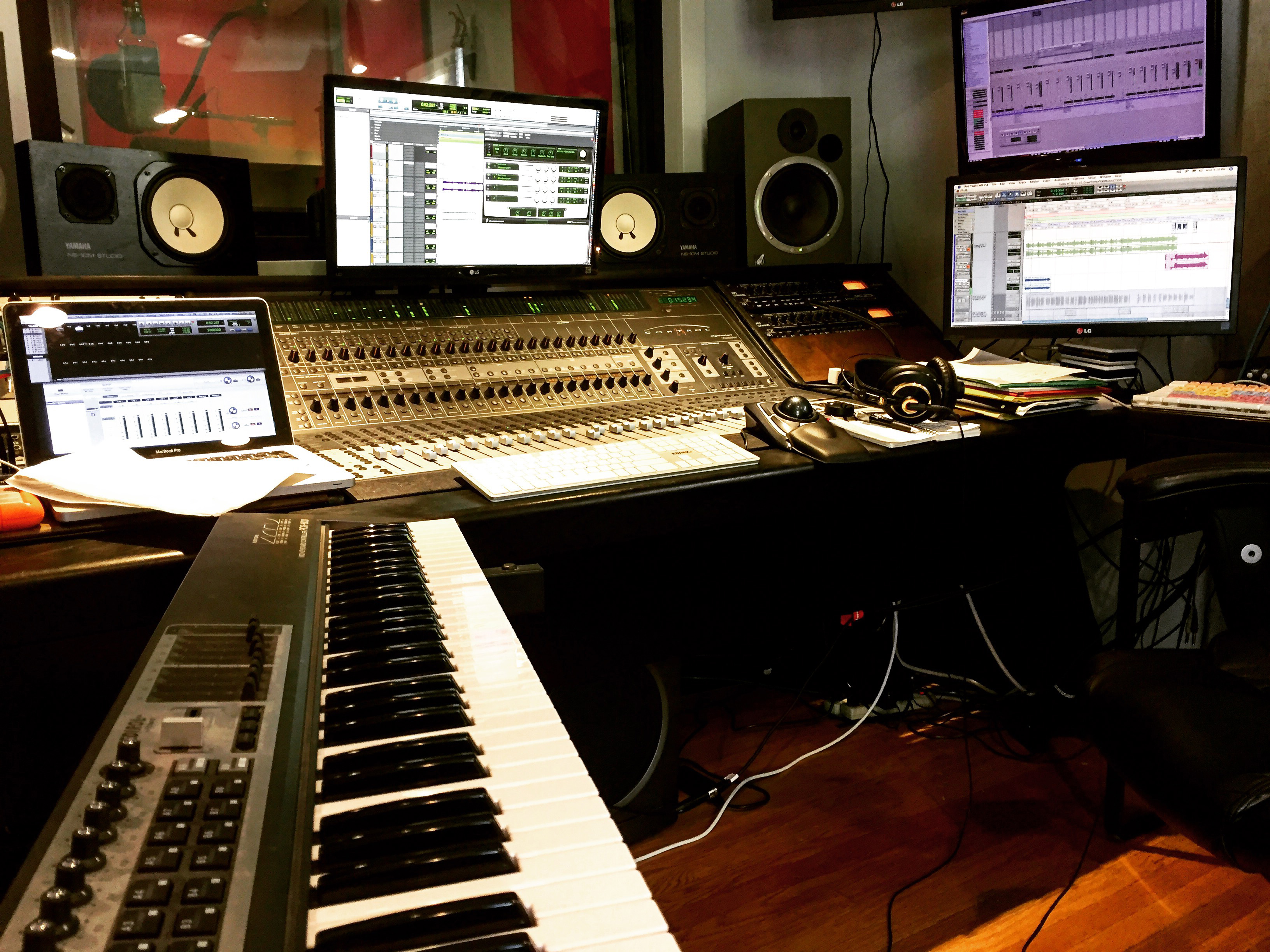
When I’m working with other artists in the studio, my main concern is emotion. I start by recording as many instruments as possible live, preferably with minimal metronome use, to keep everything sounding organic. I keep the emotion of the song at the front of my mind, with technique taking the side burner (not completely top priority, but still important). I’m in the business of tugging heartstrings, of helping to create impactful art that is also something that the artist can feel proud of. However, when it comes to developing my own music, it’s a totally different story.

I had an interesting realization recently: In all my time being involved in the music world, never once have I entered the recording studio as simply an artist. Every time I entered that space to record my own music, I was either the engineer, the producer, the intern, assistant, mixer, writer, or a combination of all of them, in addition to being the one recorded. As such, when I am developing my own music in the studio, I am very much in a production state of mind.

I have absolutely no idea what it’s like to be just the artist in the hands of a producer (though I’d imagine that it’s something like going to the auto mechanic when you know next to nothing about cars). Becoming an educated listener and engineer has definitely impacted the way I look at my own music when developing my songs in a recording session. For one thing, not only am I analyzing the way everything sounds, but I end up becoming so nitpicky that it’s darn difficult for me to ever call a mix, “finished” (though I’m sure that’s true for most sound engineers, no matter who you’re recording). Instead of viewing my songs as stories, I start using them as a sonic playground, blank canvasses to experiment with different mics and instrumentations.

It’s always a significant challenge to take a step back and to try to “hear the full picture,” as it were. On the one hand, it’s a great way for me to unleash the experimental side of myself without worrying about paying the engineer’s hourly rate. On the other, however, is a risk of never finishing anything. But it’s always an excellent exercise in letting things go as they are completed, and in keeping the overall goal in mind.  


Catharine Wood – Producer, Engineer and Owner of Planetwood Productions

CATHARINE WOOD is a Los Angeles-based composer/producer with a recording studio in Eagle Rock. With a background in audio post-production for commercials, Catharine engineered on the first iPhone commercial among hundreds of national and international campaigns. As a mix and mastering engineer, she has engineered on over 500 commercially released songs – including her own custom compositions which have aired on NBC, ABC, BBC, ESPN and more – both nationally and abroad. She is a GRAMMY® Voting Member and Producers & Engineers Wing member. Catharine currently holds a position on the LA Recording Schools Recording Arts Program Advisory Committee, is a Board Member of the California Copyright Conference and is the former Director of Southern California for the West Coast Songwriters organization. Her company, Planetwood Studios, LLC, specializes in producing singer-songwriters and providing engineering, production and composition services to the TV and Film industries. (more…)

X