Empowering the Next Generation of Women in Audio

Join Us

Prep for Gigs

Before an event, I know what equipment I will be using and the bands or musicians I’ll be working with. I usually get the rider first, and I start to prepare. If I will be working with instruments I haven’t worked with before, I do some research; the best mics to use and how to mic it. I research the bands and listen to some of their music.

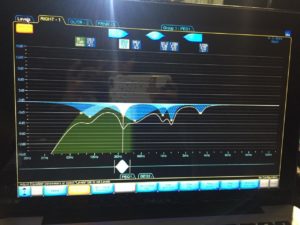
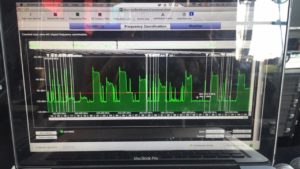
Regarding the equipment, the first thing I always do is to read the mixing console’s manual. Consoles are usually similar to one another, but I find it so helpful to set my session and just to be clear about how the console works. If needed, I watch some tutorials, and if I have any concerns, I consult my teachers. I also read about the PA system and monitors, especially the frequency response graphic (I love them!).

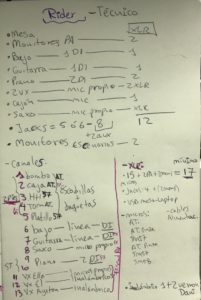
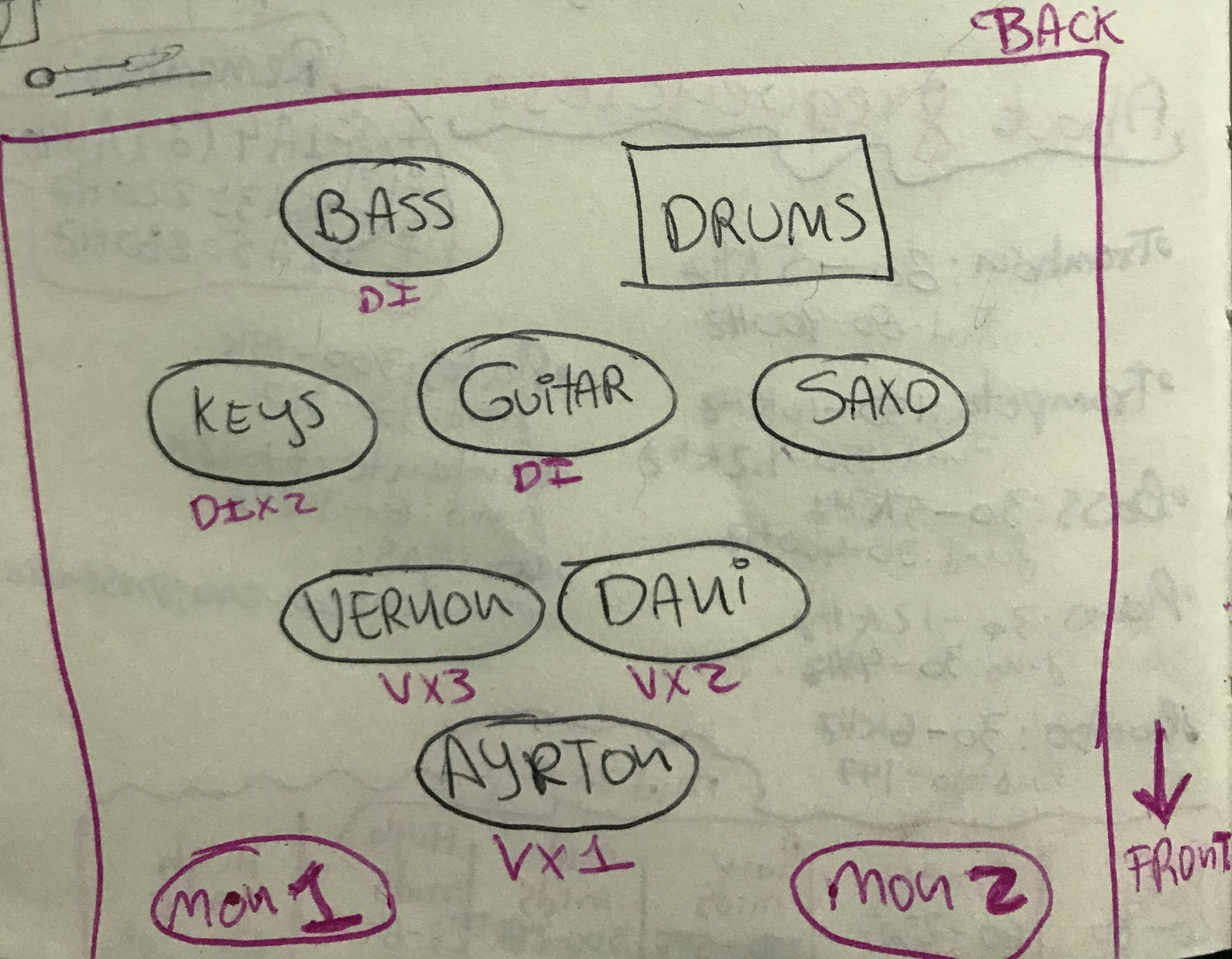
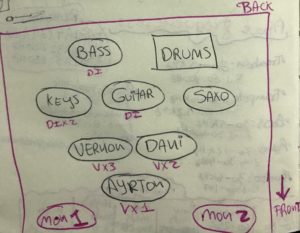
I like to make diagrams using paper and pen, creating an input list including the channels the microphones/DIs, sends to FX, the monitors and how many XLR lines. If it’s going to be recorded, I set up my session in Pro Tools to save some time also. This way, when the day comes, I’m as ready as possible. I always make changes, but that’s part of a live show. These diagrams save me some time and unnecessary surprises.

The day before the show or even the same day in the morning, I prepare all the equipment and get as organized as possible. I care about everything I use. When I begin to set up the stage, I also like set up in a specific order: first, the mixer. From here, I make all the necessary connections. I always have on my mind basic advice from one of my mentors: anytime you feel lost, just remember the path of the signal. And during set up the last thing to turn on is the PA system and monitors and the first thing to turn off after a show is the PA system and monitors.


Brenda Oyola is a sound engineer who was born in Colombia and now living in Spain for the last 12 years.  She studied Audio Production at SAE Institute in Madrid and graduated two years ago. Though she’s happy working in recording and post-production, her true passion is Live Sound.  Brenda has been working around the country as an assistant and technician. She also has a deep interest in acoustics and enjoys listening to music. Though she has a long way in front of her in this spectacular industry, she hopes to keep the same passion that took her into this business and will keep working hard to make herself a great sound engineer.

Read Brenda’s Blog

Never Too Late or Too Great to Shadow

When was the last time you shadowed someone on the job? I thought that I was too old or too far along into my career to shadow someone while they were at a gig. I thought that’s something someone just starting out or in school does right?  Wrong! We all should continue to learn at any age through ongoing education and shadowing opportunities.

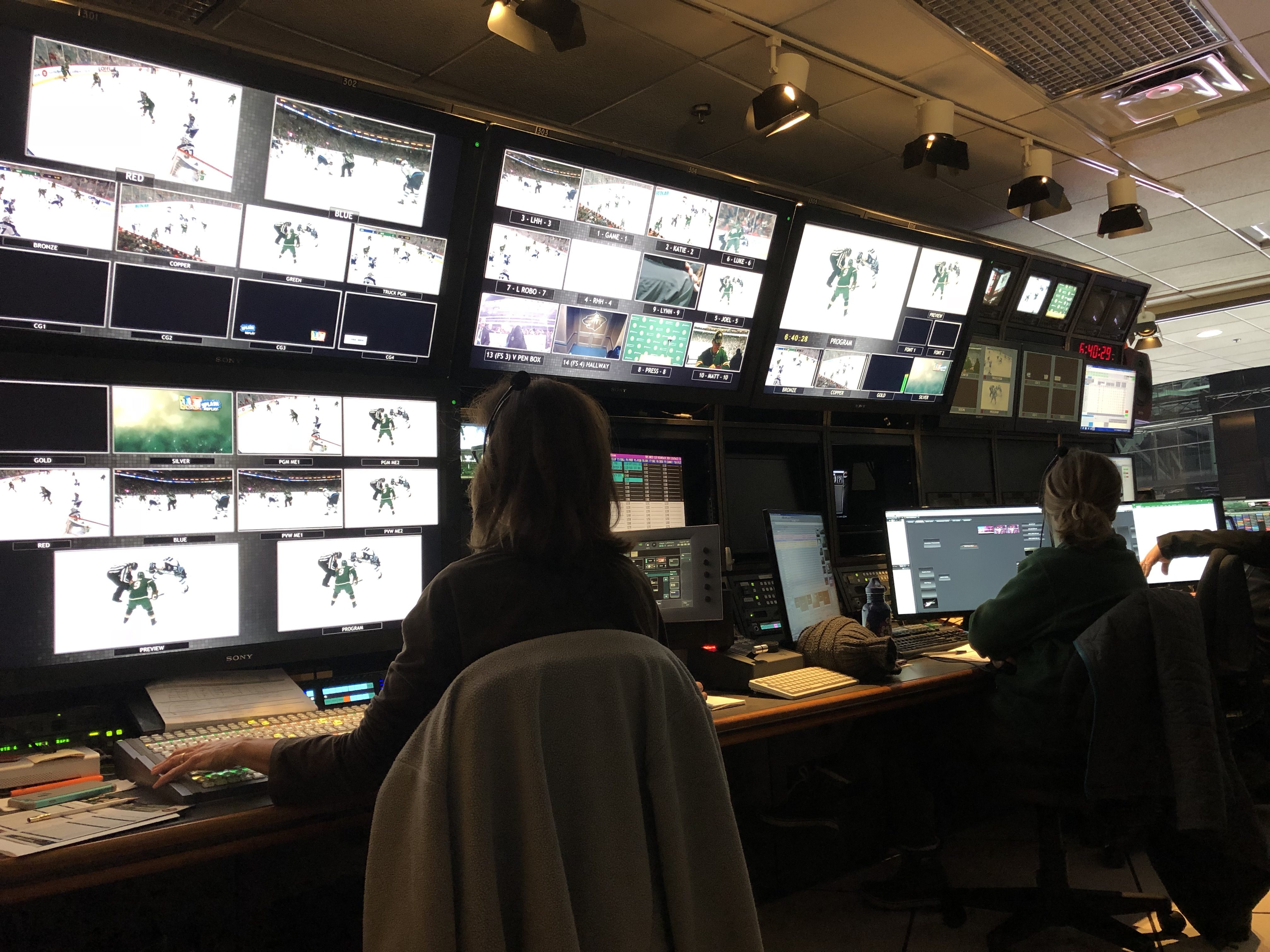
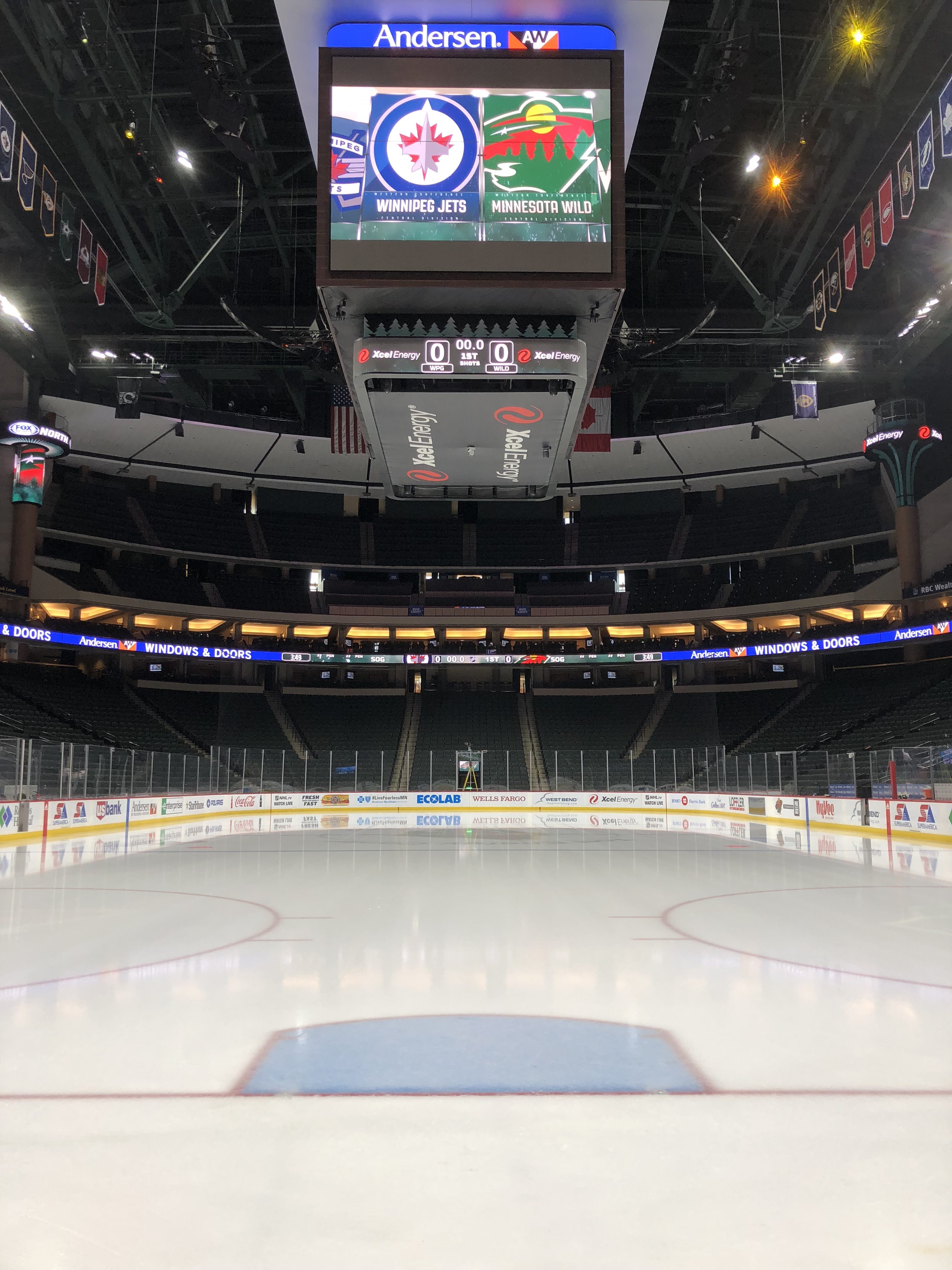
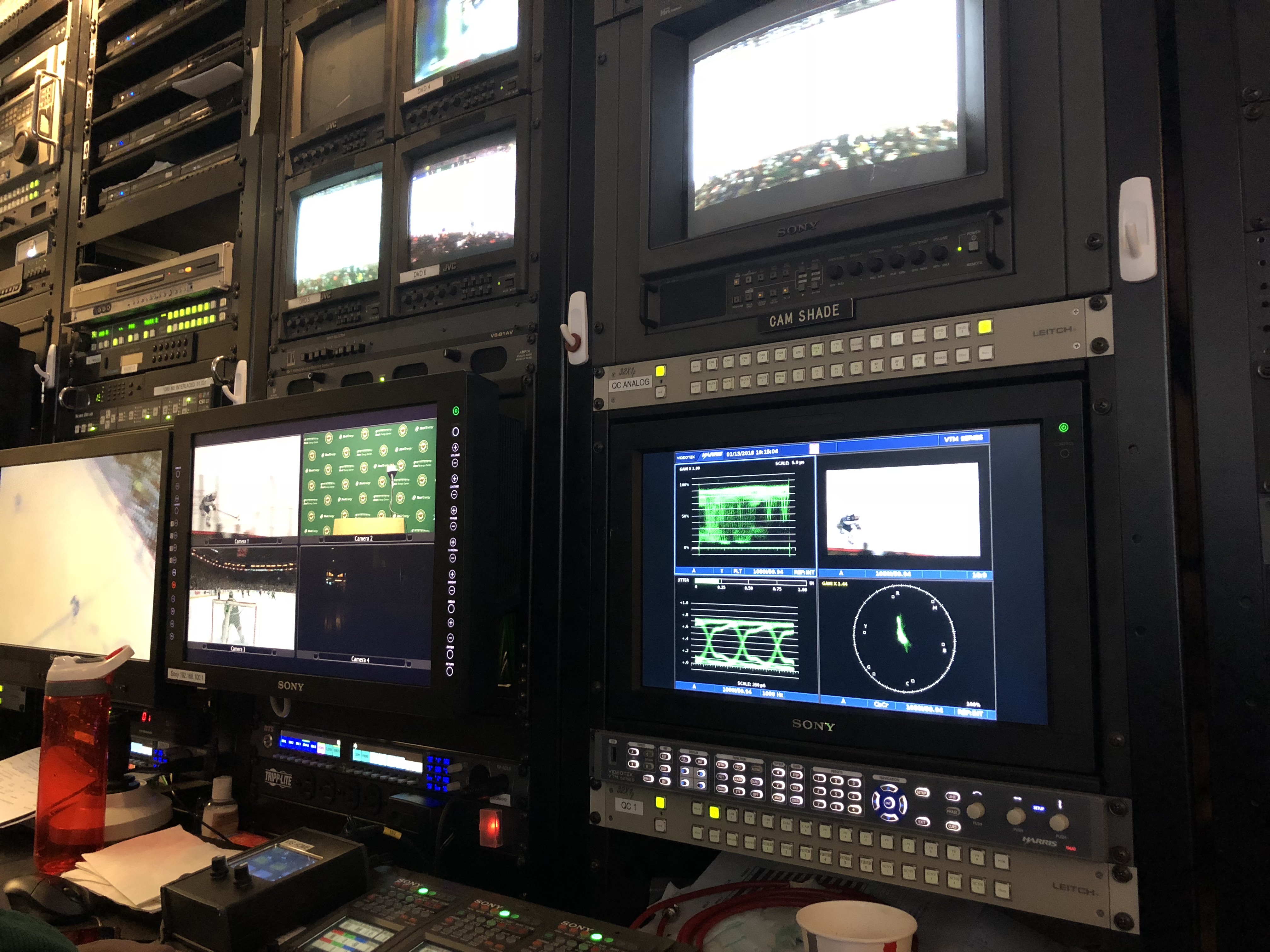
I recently had an excellent opportunity to shadow someone at a National Sports arena, so I decided to jump on it. The individual I shadowed regularly works in this arena, and this night was working a National Hockey League game. Their role at the event was not sound specific, but it still offered an excellent opportunity to get an inside look at the technical capabilities of a large sports arena.  I was able to observe the staffing and teamwork it takes to make each game look and sound great on both the screens in the arena and for the televised international broadcast. It had been a long time since I had shadowed someone on the job. It felt a little strange, but it was worth it!

Shadowing isn’t just for those getting started in their career. It’s a great opportunity to be exposed to something new, especially if you are trying to grow or change your career path. Shadowing someone on the job could provide exposure to a specific specialty you’d like to learn more about or even an entirely different field in which you might want to consider on your career journey.

An experience like this provides the opportunity for people to learn and expand their skills.  Entering a new environment allows you to see how a different organization operates.  During my shadowing experience, I took notice of the technology being used, compared their policies and procedures to what I have experienced, and gained exposure to different kinds and brands of equipment.

My host provided some fascinating information about how the venue has changed over time.  I learned about the arena’s technology legacy as well as how things have been upgraded over time and the benefits of those changes.  I found the experience and knowledge shared with me to be beneficial, and I will apply that knowledge to my environment whenever it applies.

Entering a new environment also means you will meet new people along the way as well.  This shadowing experience allowed me to continue to build my network and connections in the industry.  My host introduced me to everyone and explained their roles and how everyone functioned as a team throughout the event.  I enjoy building relationships and meeting other people within the industry, and you never know when or how this will benefit you in the future. This industry often runs on past experiences, but often future experiences occur based on the people you know and what they know about you.  I’ve always felt that networking is essential and each opportunity I get to expand my network is valuable.  Taking advantage of this shadowing opportunity was a great way to gain experience, skills, and develop my network. Hopefully, you’ll consider shadowing someone in the future too.

VIVA LA MUXER – Volunteers Needed

VIVA LA MUXER 2018 will take place on March 10 at Plaza de la Raza, Los Angeles, CA.  SoundGirls has been invited to be involved – all positions are volunteer only. This is a great way to obtain work experience. Upon successful completion, SoundGirls will provide you a letter of recommendation.

If you would like to be involved – please email soundgirls@soundgirls.org and provide a cover letter, resume, and position you would like to apply. We look forward to working with VIVA LA MUXER to make this Festival a success.

4th Annual Viva La Muxer
A Benefit Event Presented by Las Fotos Project
March 10, 2018, 5-11 PM
Plaza de la Raza, Los Angeles, CA

Viva La Muxer is an annual International Women’s Day celebration uniting and empowering women artists, entrepreneurs, and changemakers from across Los Angeles. Presented by Las Fotos Project, the 4th annual arts and music benefit event features live performances, 100+ curated arts exhibits, family-friendly workshops, and more!

100% of Viva La Muxer proceeds will support Las Fotos Project, a nonprofit organization and brave space for teenage girls to collaborate, learn and inspire.

SoundGirls Launches SoundGirls Productions

SoundGirls was formed in 2013. Veteran live sound engineers, Karrie Keyes (Monitor engineer for Pearl Jam) and Michelle Sabolchick Pettinato (FOH engineer Gwen Stefani, Melissa Etheridge, amongst others) participated in a six women AES panel called “The Women of Professional Concert Sound”. Keyes remembers being amazed that in 2013 the industry was still hosting “Women” panels instead of simply showing the diverse talent that our industry has.

That being said, the panel was incredibly powerful for the panelists. “We had all been in the business for 20 years or more, yet most of us had never met before that day. Within minutes we bonded like long lost sisters. We were struck by how similar our experiences, work ethics, and passions were and wondered how our careers would have been if our paths had crossed earlier and we had been there to support each other throughout the years. Each of us had been asked hundreds of times during our careers: Are there other women doing sound? How did you get into sound? How would a young woman go about getting into sound?” related Keyes.

Thus was the first step in creating SoundGirls. “We set up SoundGirls as an online community for primarily women, but we are not exclusive, welcoming all to come and share their experiences, ask questions and find a supportive community. Since that time SoundGirls has grown and moved in directions we could not have envisioned when we started. The support of our industry has been overwhelming, from both the level of the various manufacturer’s and other sound companies, through industry engineers and enthusiasts. Currently we have over 4,000 members worldwide with a member base of approximately 65% women and 35% men. SoundGirls features monthly engineer profiles, publishes weekly blogs, educational workshops and seminars for rookies and veterans alike of all genders. We offer scholarships, internships and mentors for those working in music production.”

“One of SoundGirls long-term goals has been to provide career advancement, real world training, and jobs for our members by establishing an intern program.” continued Keyes. “Daniella Peters a long term friend, colleague, and SoundGirls supporter was aware of our desire to start such a program and had herself produced a music production workshop for the at risk teen girls of “ Step Up Women’s Network.” She has been working in professional audio for over 17 years with Rat Sound Systems and had, in her spare time, been providing sound systems and engineers for fundraisers and charity benefits in the Los Angeles area. She thought maybe there was a way to enable the women and girls at SoundGirls to intern at these gigs bringing her two passions of women and audio production together. Thus SoundGirls Productions was born.”

The overall vision of SoundGirls Productions is to inspire and empower the young people starting their careers in the world of professional audio and music production. With a range of gear available for rent and a roster of experienced engineers, for every production we send out a professional audio engineer and, upon the client’s approval, a mentee will provide on-the-job support to the professional. This has a dual purpose of providing the opportunity to have hands-on training while offering invaluable support to the mentor on a real life show.”

For more information: SoundGirlsProductions.com

My Journey into Live Sound – So Far

Some of us are lucky to know what we want to do when we grow up and can go to college and study our chosen profession.  When I was 15 years old, my interest in music began, from a very technical point. I started to listen to electronic music and was delighted by the effects like flangers or delays. Then I found out they were not a big thing, but I was amazed at that time. In that moment, I knew I wanted to know how to make songs but not as a composer. Then, I discovered gigs. I loved the energy coming from the performers to the audience, and I was impressed with how I felt during those two hours. Then I discovered the job of an audio engineer what I wanted to be a live sound engineer.

I enrolled in sound school when I was 20; I was in a class with a varied group of people: singers, composers, guitarists, bassists, drummers, pianists, DJs, and people who wanted to learn audio. The first day of class was complicated: my teacher, a live sound engineer was talking about things I’ve never heard of before. He talked about digital consoles (a Tascam DM 4800), and channels, aux sends, inserts, solo types, effects, master fader … and all of my classmates seemed to know what he was talking about but me. I remember that when I got home and reconsidered my choice for a moment. Was I in the right place? Did I choose the right thing? Is this what I really want? It was overwhelming! But my argument was solid and straightforward: “I want to learn how to work and mix concerts, and it’s okay if I don’t understand everything yet. That’s why I am going to school.”

There were three women out of the twenty students the first year and four in our second year. When I told people I was studying audio engineering they would say things like ‘that’s a man thing,’ ‘there aren’t many girls doing what you do,’ or even ‘are you a lesbian?’  I also received comments like ‘that’s so cool! ‘that sounds like so much fun!’ or ‘ there should be more women in here’ … eventually, I got used to this two sides.

As the time passed, the students started to choose different disciplines; recording, mixing, mastering, post-production, DJs, producers, marketing, and live sound. My teachers and mentors were always so real about the pros and cons of working in live sound. The lack of sleep, the fast-paced travel, battling the elements, this just fed my enthusiasm. I knew it wasn’t going to be easy and I also knew I would need to put in years of hard work before I would get the chance to be on an international tour.

I love preparing for an event. Learning the console, prepping my gear, choosing microphones all to make the performers comfortable onstage and do to provide the best sound possible to the audience. The journey is complicated, especially when you are a beginner and (though I refuse to accept this) being a woman. Every show teaches me something. I still have a long way to go in front of me, and I want to keep this excitement and drive to learn.


Brenda Oyola is a sound engineer who was born in Colombia and now living in Spain for the last 12 years.  She studied Audio Production at SAE Institute in Madrid and graduated two years ago. Though she’s happy working in recording and post-production, her true passion is Live Sound.  Brenda has been working around the country as an assistant and technician. She also has a deep interest in acoustics and enjoys listening to music. Though she has a long way in front of her in this spectacular industry, she hopes to keep the same passion that took her into this business and will keep working hard to make herself a great sound engineer.

Read Brenda’s Blog


Bands are Like Spiders

When I started mixing bands in-house at university I was terrified: I had so much technical stuff to remember, and then I was faced with a bunch of stony-faced strangers who wouldn’t even come and talk to me! They were going to hate me. If I had known then what I know now about interacting with bands (and event organisers, or any kind of client really) those first gigs would have been so much less stressful. It’s easy to forget that not many people outside of our job really understand what the role entails; it’s a bit of a dark art to them. The technical team can make or break a show, and that can make people a bit nervous about us. Once I realised that bands are like spiders: they are, on the whole, more scared of me than I am of them, I could approach things differently.

First off: don’t expect them to come to you! They may be affecting an air of cool by being standoffish, or they may just be shy, or a bit lost because they’ve just got out of the van after an 8-hour journey and are looking for the facilities… Take a deep breath, smile, and go and introduce yourself. Be ready with a pen and paper to note anything you need to know that wasn’t in the advance. The single best piece of advice I’ve ever got for mixing is to write the band members’ names down! If you’re on monitors, write it on their mixes, on FoH on their vocal or instrument channels. It’s such a simple thing, but using their names during soundcheck makes them feel that you really are paying attention, and if someone yells “I need more of Dan in my wedge!”, halfway through a song with no hand gestures, you stand a fighting chance of knowing who and where Dan is. Communicating with them properly from the start will help them to relax so they can concentrate on having a better show. You’re also inviting them to let you know about problems constructively, instead of giving you the silent treatment then complaining after the fact that it sounded bad.

The same applies to any live event: take the initiative to introduce yourself to the client’s point of contact (or ask the head of the technical team to introduce you if that’s more appropriate) and be confident! I come from a background where modesty and talking down your skills is the norm, and confidence is looked down on as boasting, especially if you’re a woman. It took me far too long to understand that people look to the techs for reassurance that the show’s going to go smoothly. You needn’t be arrogant, just be secure in your abilities. Clients often gauge how well things are going by looking to you; the knock-on effects of you appearing happy or worried are definitely noticeable.

When things go wrong, and they will don’t let the confidence fade. Technical issues happen, it’s how you deal with them that’s important. Take a few seconds to assess whether you can fix the problem quickly. If not, it’s time to swallow your pride and let someone know. If you realise you’ve made a mistake don’t ignore it in the hopes, it’ll go away. The earlier you own up to it, the easier it is to deal with. For example, if you’ve forgotten to bring something from the warehouse, you might be able to get it delivered in time for the show if you mention it at 11 am, but you won’t have a chance at 6 pm. You might get teased or worse for it, but it’s much easier to forgive and forget as long as it’s alright in the end. How you deal with problems gets remembered much more than what the problems were.

As engineers, we often tend to shut out the outside world and think only about the signal path when something goes wrong during soundcheck or the show. While it’s great to be focused, taking a minute or two to tell someone else can actually speed up the problem-solving process, or at least prevent a stressed and angry client because the music has stopped and you’re ignoring them. If there’s another sound person there, tell them what’s happening. Two minds are better than one, and at the very least they can go and smooth things over with the band or event organiser while you get on with troubleshooting. It can be very frustrating when an already patronising colleague steps in and “rescues you,” but in the long run, it’s more important that the show goes well than that you were the one who saved the day.

If you’re the only tech, calmly tell whoever’s in charge what’s going on, and roughly how long it will take to fix. No need to waste time on details unless they ask; saying you have a technical issue but you’re working on it is usually enough. Don’t be tempted to tell even a little white lie! You never know who used to be a sound tech in a previous job, and bluffing to them could do you a lot more harm than good. Clients don’t care that an XLR has broken, all they want to know is whether you can fix it, how long it’ll take, and whether it’s likely to happen again. Remember the Scotty principle: overestimate the time you need by at least 25-50% to allow for unforeseen complications. People are much happier if you’re back up and running in 20 minutes when you said half an hour than if you promised them it’d be done in 10 or 15. Don’t waste time apportioning blame either. It’s impossible to look professional while pointing the finger at someone else, even if it was their fault.

There’ll be times where you might think there’s nothing that sharing the problem will do to help, but you never know. Someone might have a quick and simple solution that just didn’t occur to you because you’re stressed or inexperienced, or the event organisers could open the community fair with the sack race and move your band’s set to, later on, buying you precious time. You won’t know until you discuss it. You might be surprised by how willing people are to help if it ensures the success of the show, and makes life easier for that nice sound engineer who was so welcoming and friendly when they first arrived.


“In You You Trust”

It’s the beginning of January which means it’s the beginning of a new year. Year-end lists and New Year’s resolutions abound. As corny as it sometimes feels, the end of a year and the beginning of a new one really is an excellent time to take a step back and reflect on yourself.

In this modern capitalist society, we are not taught to trust ourselves. Someone else is the expert on our happiness and success and how to get there, and there is always something missing that we need to purchase to become truly fulfilled.

But instead of thinking about how we can keep changing ourselves, let’s look at what we’ve already accomplished and how we have already grown. First, ask yourself: what is you? We sometimes forget that we are not defined by just our career, or only our relationships, or just our health. We can become so focused on one aspect of ourselves that we fall out of step in other areas. But each piece contributes to the whole. YOU are your current life, your goals (your future life), your relationship with yourself, and your relationships with others.


If you have cultivated a healthy home life with yourself, a partner, a dog, a child, a friend, or a family member, this is something to be proud of.

If you are in a business or creative partnership with people or a person with whom you trust and are inspired by, this is something to be proud of.

If you meet new people who excite you and make you want to get better at what you do, this is something to feel good about.

If you actively engage with your creative process, you should be proud of the love and respect you are showing yourself.

If you actively support someone else’s creative journey, however deep into it they may be, you should be proud of the love and respect you are showing someone else.

If you actively engage in your professional skillset and continually work toward greater mastery and new perspectives, this is something to be proud of.

If you mentor those that can learn from you, in any capacity, this is something to be proud of.

If you have open and honest conversations about money, business practices, gender gaps, race, and the ways you can participate in change for good, this is something to be proud of.

If you have ever wanted to quit, but you didn’t, this is something to be proud of.

We have a lot of work ahead of us. We have songs to write, bands to form, sounds to record, albums to make, stages to mix, setups to design, decisions to make about futures we hope to have. We have girls wanting to learn the ins and outs of an industry we know is uncomfortable for women to work in, and fortunately, they can learn in an environment that is vastly more comfortable for them than it was for us. There are so many more steps forward we will make. But today, please take a moment to acknowledge all of the steps you have already taken to make this industry, this world, your life, and the lives of those around you, a kinder, more loving, and inclusive place. Let’s keep it up!


La magia detrás de la mezcla

By: Nizarindani Sopeña and Andrea Arenas

Como ingenieros de audio, tenemos que tomar en cuenta diferentes factores para poder optimizar nuestro trabajo y así enfocarnos en la parte artística cuando hablamos de una mezcla. Si partimos de este principio, hay varios factores sumamente importantes que debemos tener en cuenta antes de un show para llegar a nuestro objetivo con mayor facilidad:

El rider, el cual se deberá realizar con mucho detalle, ya que dependemos de esta información para poder contar con el equipo, así como para cubrir todas nuestras necesidades técnicas específicas como las siguientes:

El input list y lista de Backline, esto nos ayudará a que el personal local (si se requiere), tenga el conocimiento de cuántos canales y cuáles instrumentos utilizaremos durante el show. Si esta lista no es correcta, perderemos tiempo y podemos correr el riesgo de no contar con los instrumentos y/o micrófonos que están previstos a utilizar. Adicionalmente, el input list nos permite configurar las sesiones de la consola de mezcla con anticipación y coherencia de acuerdo a los requerimientos del show.El stage plot. Como sucede con el input list, contar con un stage plot facilitará a todo el personal conocer con exactitud la posición y distribución de todos los músicos e instrumentos en el escenario, permitiendo un flujo de trabajo eficaz durante los montajes y movimientos durante el show.
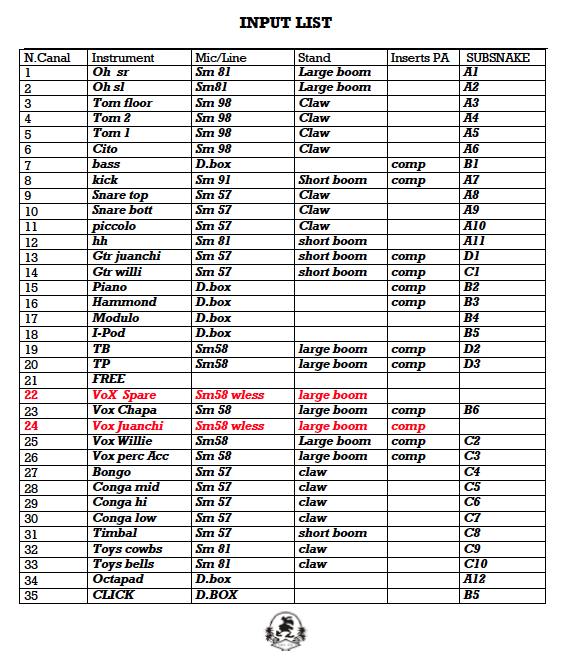
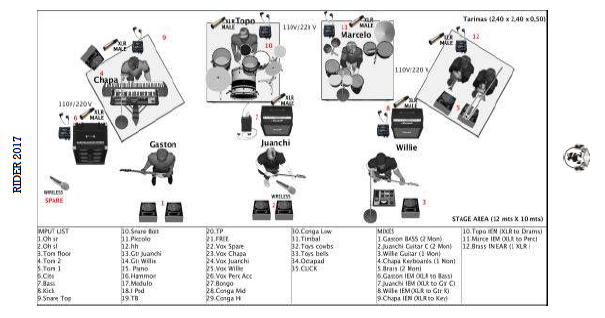
Tomar en cuenta los puntos anteriores nos asegurará contar con información puntual y concisa, lo que se verá reflejado en una optimización de tiempo, trabajo y fluidez a la hora del montaje.

Usualmente, la persona encargada de FOH (Front Of House) se hace cargo de posicionar los micrófonos correctamente en los instrumentos (previamente corroborado por la persona encargada de monitores).

El o la ingeniero de monitores, en caso de llevar sistemas de monitoreo personal y no contar con personal encargado para hacer una coordinación de radiofrecuencia, deberá hacer esta coordinación de manera precisa, ya que de eso dependerá la tranquilidad de los músicos durante el show y evitará problemas técnicos que generen pérdidas de la señal de audio. En caso de utilizar monitores de piso y/o side fill, la persona encargada de monitores deberá realizar una ecualización por cada zona para evitar posibles retroalimentaciones. A su vez, en el área de FOH también deberá hacerse una ecualización y revisión del sistema de PA completo. (main PA, subwoofers, front fill, out fill, delay, etcétera).

Al término de este trabajo que ambos ingenieros realizan paralelamente, deben coincidir en hacer un line check, en el cual, con ayuda de los técnicos de escenario, revisan cada uno de los inputs en donde se verifica que llegue la señal de audio sin inducción, con una polaridad correcta y de acuerdo al input list.

A continuación se realiza el soundcheck, mismo que tiene como objetivo hacer una prueba de sonido, en el que los músicos tocan algunas canciones, mismas que normalmente tienen dinámicas que ayudan a los ingenieros a escuchar cómo responde el sonido y el sistema de amplificación dentro del recinto. Otra forma de realizar la prueba de sonido es haciendo un soundcheck virtual, que consta en reproducir multitracks previamente grabados de algún otro show y/o ensayo; esto se utiliza normalmente cuando alguno o todos los músicos no puedan presentase físicamente a la prueba de sonido, tomando en cuenta que para llevarlo a cabo se deberá contar con el equipo apropiado.

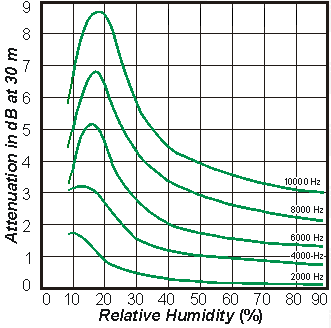
Otro factor importante al sonorizar shows en vivo es que usualmente no mezclamos en los mismos lugares; esto hace que aunque se trate del mismo grupo musical y se cuente con el mismo el mismo equipo, el show suene diferente, bien sea debido a características acústicas del recinto o a las condiciones atmosféricas del lugar. La humedad, la temperatura, el público y el viento son factores sumamente importantes que afectan directamente al sonido, por lo que se deben contemplar antes de mezclar.

Por ejemplo:

La velocidad del aire cambia cuando hay alguna variación atmosférica de humedad, viento y temperatura, de manera que debemos de tomar en cuenta el clima, así como también la altitud de donde estemos trabajando. Un show que se realiza en un recinto al aire libre será muy diferente a cuando se mezcle el mismo grupo, pero en un lugar cerrado. Esto es por la acústica del teatro, pero por otro lado, en un sitio en exteriores, nos ocasionará muchos más cambios climáticos, aunque evitará posiblemente ondas estacionarias que provocan alteraciones en el sonido. Es por esto que debemos considerar primero varios factores técnicos al hacer nuestra mezcla antes de tomar en cuenta la parte artística.

Si tomamos en cuenta todo lo anterior, deberíamos haber llegado a un punto de seguridad, el cual nos permitirá enfocarnos con mayor claridad y tranquilidad en la parte artística, que es realizar una mezcla clara, precisa y balanceada, sin perder la atención en la parte técnica.
 

The Role of a Production Manager

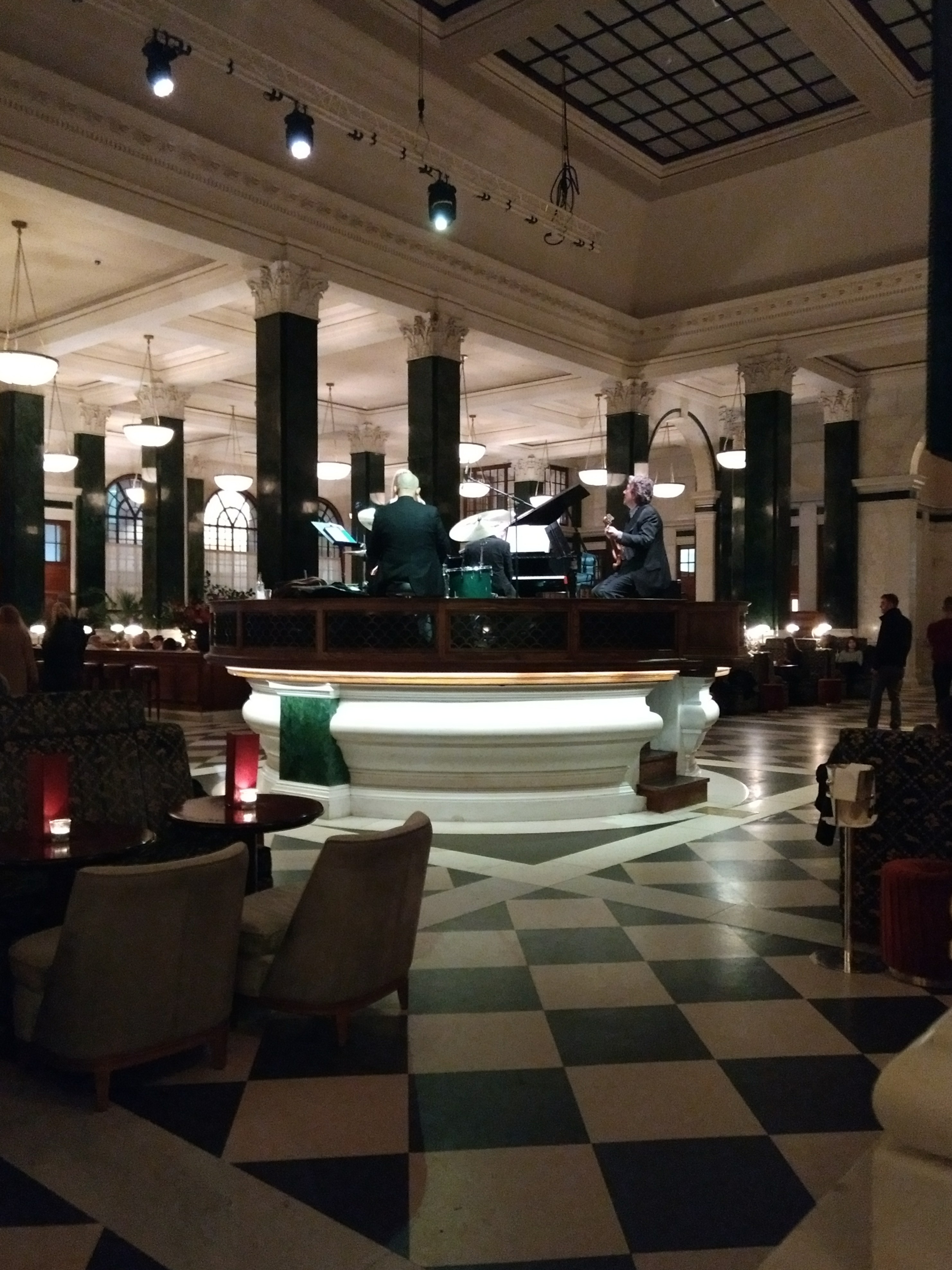
Just over six months ago, I became a Production Manager at a hotel in Bank, London. A lot of people have asked me how I ended up in this position, thinking I’m probably too young and too lucky to have ended up with such a title.

I am going, to be honest with you, I had no idea what was expected of me. However, I just knew at that point in my life that it was the right direction for my career. I always liked a good challenge; I think that is an important trait to have working within a live sound environment.

So what do I do on a daily basis? Here are a few of my many duties:

My team consists of the Head of Entertainment & Production, my freelancers, and me (Production manager). My main duty is to run the live sound on the main stage in the hotel lobby. Some production managers might not do live sound at all, but because we are such a small team, it is my main responsibility.

Our stage has a permanent setup that needs to be maintained, and I need to make sure that everything is working correctly. If anything would be faulty or damaged, it is my job to make sure the equipment either gets repaired or replaced. We have live music seven days a week, so things do tend to get run down pretty quickly.

I am the one who needs to deal with everything and everyone. This may be musicians, managers, management companies, restaurant managers, the events team, AV companies, and the list goes on. Head of Entertainment and I do work closely with each other when it comes to dealing with a lot of different people, and we make sure we’re both staying on top of everything.

As a Production Manager, you definitely need to be a ‘people person’ and to keep good relationships with everyone. A happy face goes a long way and having a ‘can do attitude is necessary, as there are often stressful situations that need to be dealt with efficiently and as quickly as possible. Being quick to come up with solutions to unexpected problems is an excellent trait to have.

In our venue, we do not have the luxury of having sound checks. Ever! It was tricky when I first started because when you are new to a system (or in this case, we have two different PA systems), it takes time to get to know the system with all its perks and flaws. It felt pretty stressful the first couple of weeks, but now after six months I have my QL1 template, and I’m confident whenever we have a new artist or band rocking up, that I can make them sound great even without a soundcheck.

Every day I have loads of fun. I absolutely love my job, even after sometimes working 13-14 hour shifts. Even when I have not had a day off, or a terrible day dealing with difficult people. Because we all do have those days, but those days are very few and far in between.

I had loads of doubt in myself when taking on this role. I thought that I did not have enough experience; I was worried I was not going to be able to do what they expected of me. This venue is also completely different to anywhere I have ever worked in before. However, I just went for it, I thought there is nothing that I am not able to solve; I had no other choice than to go for it! Therefore, if an opportunity ever presents itself to you, by all means, you will have doubts. But, take a chance and challenge yourself. I am so grateful I did not let fear stand in my way because otherwise, I would not be where I am today


X