Empowering the Next Generation of Women in Audio

Join Us

Griselda Jiménez the First Woman Sound Engineer in México

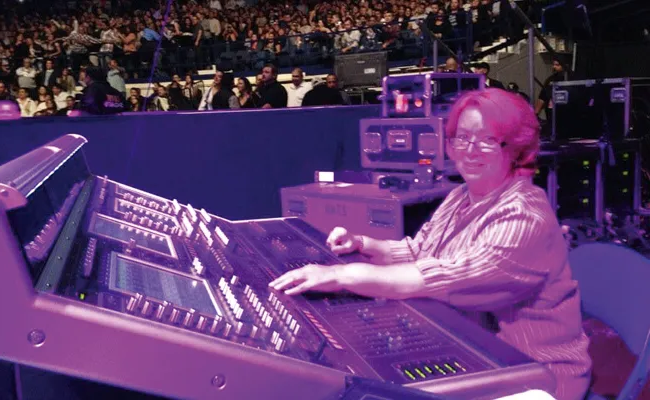
Griselda Jiménez is the first woman sound engineer in México, working for Mr. Vicente Fernández (among many other representative icons of Mexican popular music) for more than thirty years. Her hallmark, beyond her professionalism and dedication, was her interest in transmitting what the artist is feeling, which is why artists wished to work with her.

From Dancing to Mixing

Griselda came from a family that was directly related to sound, her parents were involved in the rental services of musical instruments and audio equipment where she learned how to use and manage them, but her dream was to become a dancer “I learned everything about the sound when once, as an artist on a tour, my father, who was in charge of the sound, got sick and went back to Guadalajara. I had to take care of the sound at the same time I was performing, that’s how I learned. Actually, I didn’t like it, I had to do it because my father made me do it. I was only an actress and a dancer.” says Griselda.
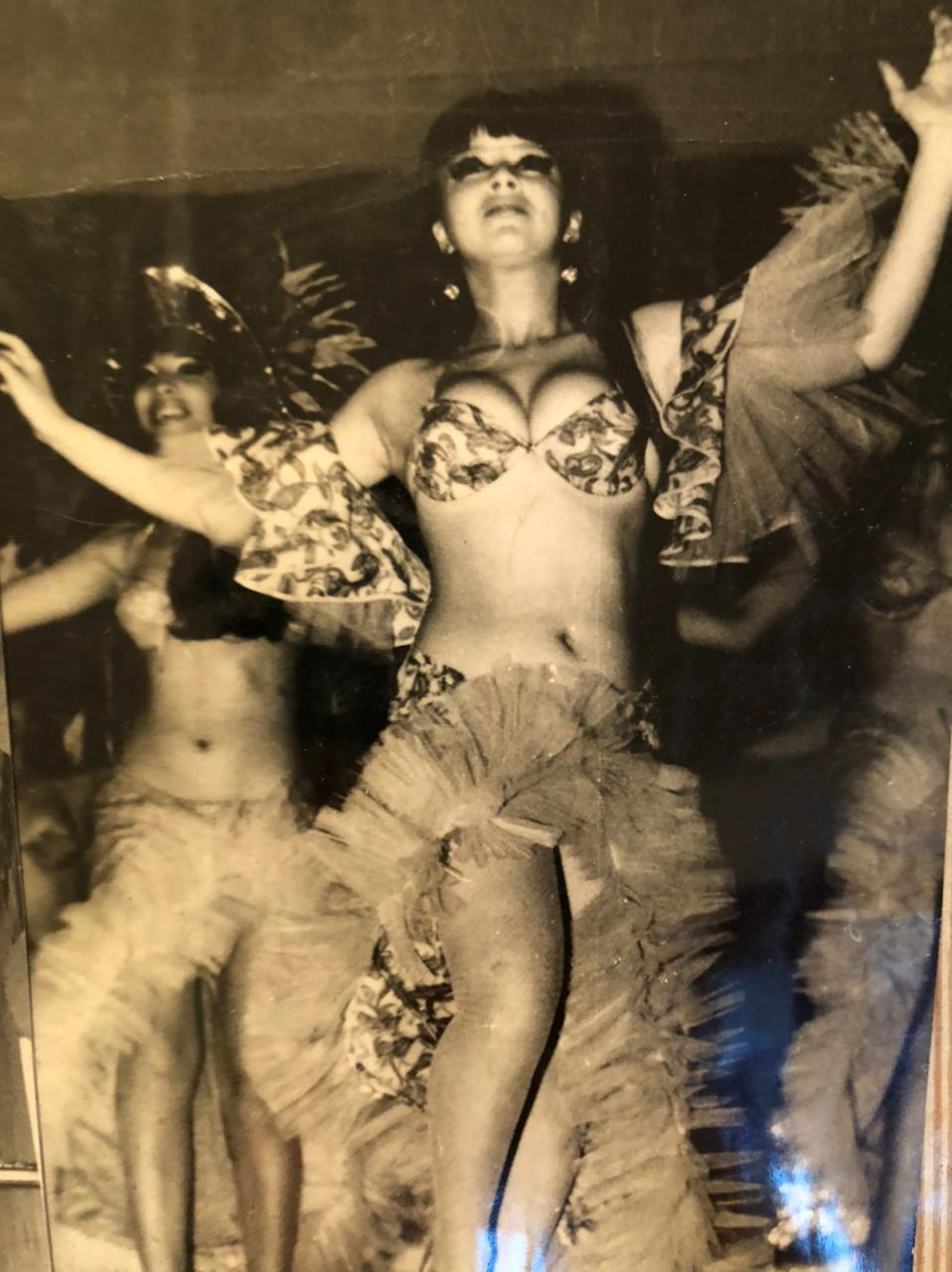
In 1969, Griselda started her career as a dancer in las caravanas of the Blanquita theater in Guadalajara. A couple of years later she moved to Mexico City and worked as a substitute dancer for the company of the same theater where the actress Margarita Su López, also known as Margo Su, was in charge. It is relevant to say that Margo Su was an important writer and a theater entrepreneur during the Golden Age of Mexican Cinema.

Working in this venue opened a window where Griselda had her first introduction to live sound mixing. An accident gave her the opportunity to be in charge of the theater audio – “Thanks to the unprofessional behavior of the staff, I had the opportunity to be in charge of the audio. I remember that the audio manager got drunk and had an argument with Lucha Villa (icon of Mexican music), she knew I had knowledge about audio so she told me “you are in charge” and fired the guy. Instead of waiting to finish the show, he grabbed his things and left everything there. It was at that moment when Griselda started as a live sound engineer.

Her career continued, at first, she worked for comedians and theatre artists that work by seasons which was the case of Lucha Villa, one of the most important singers in Regional Mexican Music. This event was important to Griselda since she was the first person who believed in her. Later, Jiménez worked with important artists such as Pepe Jara, Juan Gabriel, Imelda Miller, Los Platers, La Sonora Santanera, Irma Serrano, Los Panchos, Pérez Prdo, Lola Beltrán, Jiménez sisters, Vicente Fernández and more.

Professionalism, Modesty, and Determination – The key tools for her development

Griselda has shown modesty and professionalism through her career, basic principles that have kept her in the industry for several years. In 1982, she met the great icon that marked her career, Mr. Vicente Fernández. Fernández had some issues with the attitude of audio engineers, so he thought it would be better if he worked with a woman audio engineer, that’s when he offered Griselda a full-time job. Coincidentally, the engineers were her brothers, so her immediate reaction was to say “No sir, you are my brother’s artist and I won’t get in the middle of that”, but she went to talk with her family who told her to take the job.

After more than thirty-three years touring, Vicente Fernández left the stage five years ago and Griselda was decided to do the same, but Edith Márquez asked to work with her for a few dates since Griselda sees her as a daughter because of her big heart and human quality, she agreed by gratitude and worked a few concerts more, which were her last sound mixes before her retirement.

Training and Empirical Knowledge

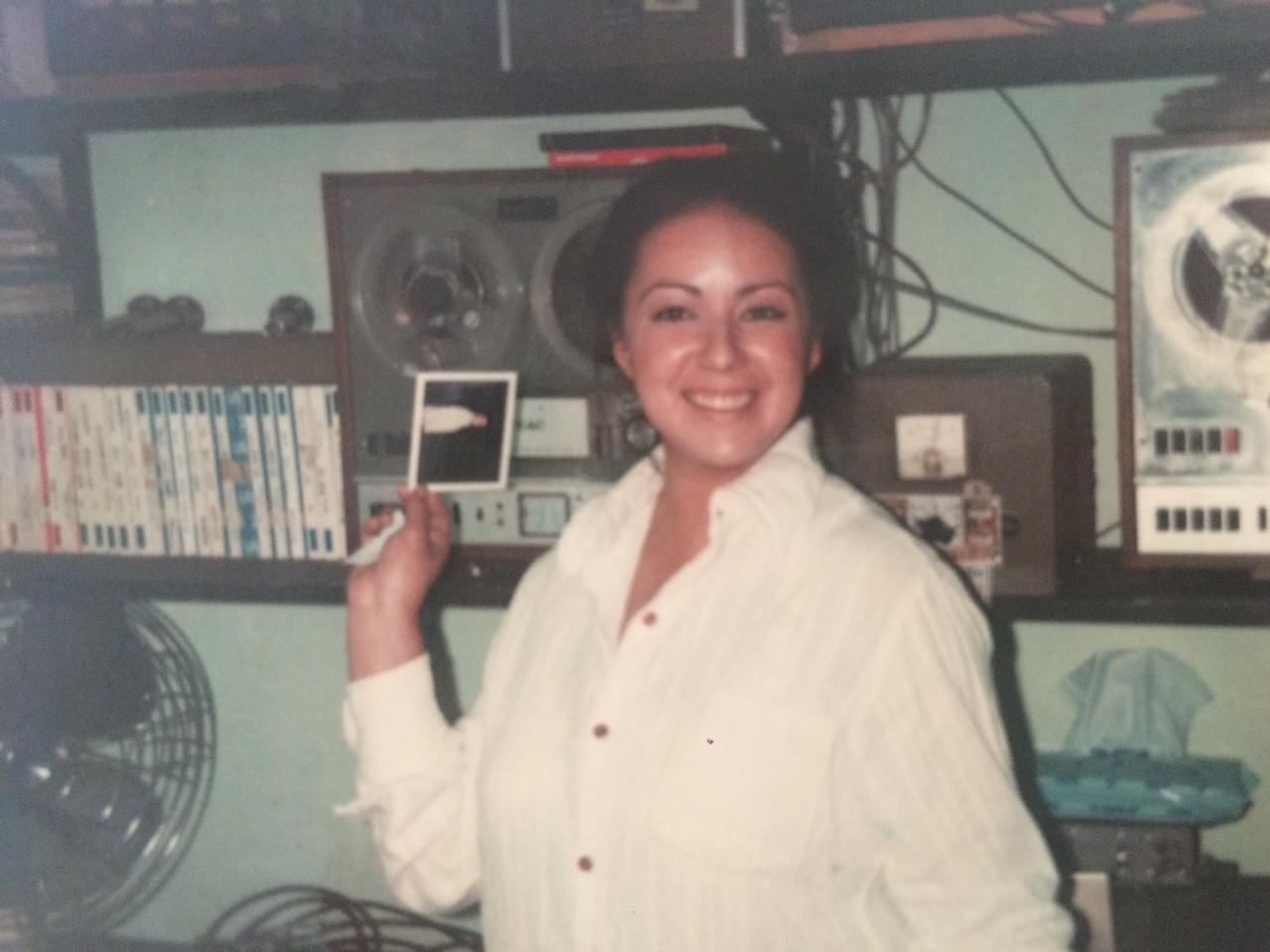
During that time there were no schools where you could study music engineering, so she acquired all her knowledge about sound engineering by practicing, experiences, and day-by-day challenges, with joy and pride Griselda became one of the best sound engineers in Mexico. Adrenaline was the key for choosing live sound, although she worked on some projects inside the studio, for Griselda it wasn’t the same experience and sensation, that’s why she preferred the adrenaline and pressure that comes from working on stage with artists. “I started to learn in an empirical way by watching tv shows, but where I truly learned was when we were touring with Vicente in the United States. The audio engineers that worked there were curious about the fact that there was a Mexican woman sound engineer and they helped me” says the engineer.
 

Opens a Path in an Industry Dominated by Men.

“At first it was quite difficult to be in an industry where there were no women working on the technical side”. With her personality, tenacity, and the support of the people around her like his husband Miguel Lara (which whom she married in 1975 until she became widowed in 2012), and her crew Enrique Díaz, Fidel Pérez, and Diego Valdivia (who were always by her side) she earned the respect of many professionals and a place in the industry.

In Griselda’s words “As a woman, in a job for men, it was complicated but not impossible.”

Confidence is the Most Important Thing

“As a monitor engineer, it is key, no matter the mood of the artist, to feel my support. In the Vicente Fernández case, the monitor system that he used was eight-floor monitors just for him, a few more for his musicians, and six side-fill points. Everyone said he was putting a PA for monitors, which was shocking.” says Griselda, “I would say that the sound pressure level was around 100dB. The first sound that the artist made was crucial, if everything was good he would see me with total confidence, and then I knew his sound was just as it was supposed to be, sometimes he even told me to lower the level”.  The word started to get out and some other artists started to ask for the same monitor system. “The only one who makes it is my gordita” would say Vicente.

From Analogue to Digital

“Vicente only used three microphones: one for the violins, another one for the harmonies, and the last one for the trumpets. I didn’t agree with that, so I taught him how to make a mariachi sound. He used to say that people went to listen to him, not the mariachi, but I always told him that without the mariachi the people would never know the songs. It was kind of difficult to work with him, but step by step I changed his mind. I made him use wireless microphones, to the point where he stopped using cable microphones because they made his outfit dirty”, she remembers. “Later I worked closely with his musicians because when the show started, they moved back so they could hear themselves, the reason was they weren’t mic’d correctly. I changed that so they could hear themselves as it was supposed to be. “My equipment preferences changed over the years, you have to learn, improve, and be updated every day”.

Griselda started with a pair of Cerwin Vega speakers and a Monitor console in a 1980 Dodge truck, always with her husband by her side who always supported her.

“At that time, having the right equipment was complicated which is why I didn’t have any type of preferences, with the microphones as an exception, where I always used Shure and Sennheiser,” says Griselda, “Whatever they put me in front, I would make it work.”
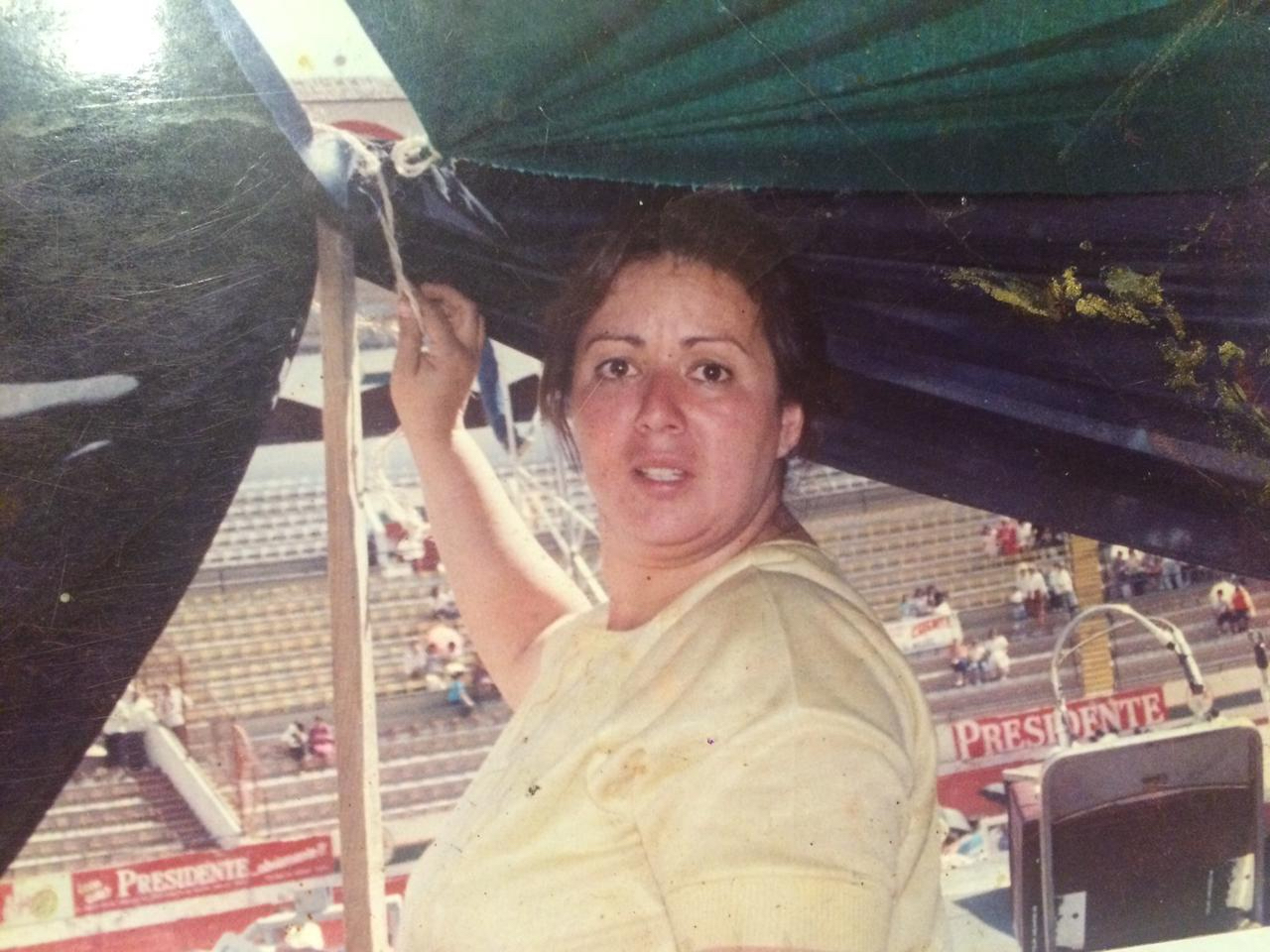
 

Over the years, she built her technical team and started to acquire her sound equipment, always keeping up with the newest technology. Griselda told us “all my equipment were KF850 system processors, EQ racks, and Roland effects which were the ones Vicente used to like”.

After some time, my U.S. friends called me to pay me for engineer training because Vicente’s tour was published as the number one show and I used an analogue console. So I went to Los Angeles, I was on an intensive course for a week and then they put me on a show using a digital console” says Griselda Jiménez and continues “Everything was so fast because the next weekend I had to be touring with Vicente Fernández. I took my analogue console (Midas, and when we changed to digital we used a DigicoSD5), with all my peripherals. At the end of the first show, everything went awesome and I saw that Vicente was happy.”

The engineer says “as for the monitors, we always used floor wedges, although they were changing over the years because the stages Vicente used were central and rotating ones, so I had to make different arrangements, for the side-fills we had to hang them from the lighting and we put them down before the show to make four reference points. The monitor engineering for Vicente was difficult and complex because of his needs, every time he asked for more sound pressure reaching the 110dB as a base. He used to allow me only three feedbacks during the show, but I never had them, that’s why I had some independent EQ.

“I think we as women have the feeling and we are dedicated, we surely can do any job that it’s classified as a “man’s job” as is sound engineering.

I started as a dancer and maybe because I had my musical sense developed it helped me to mix. For me, everything started as a surprise that evolved into a necessity and challenge that I didn’t want. I had complicated, scary and sad moments, although I was afraid of the unknown, I constantly said I could achieve it, remembering my daughters Imelda and Rocío that had given me all their support to overcome any obstacle”.
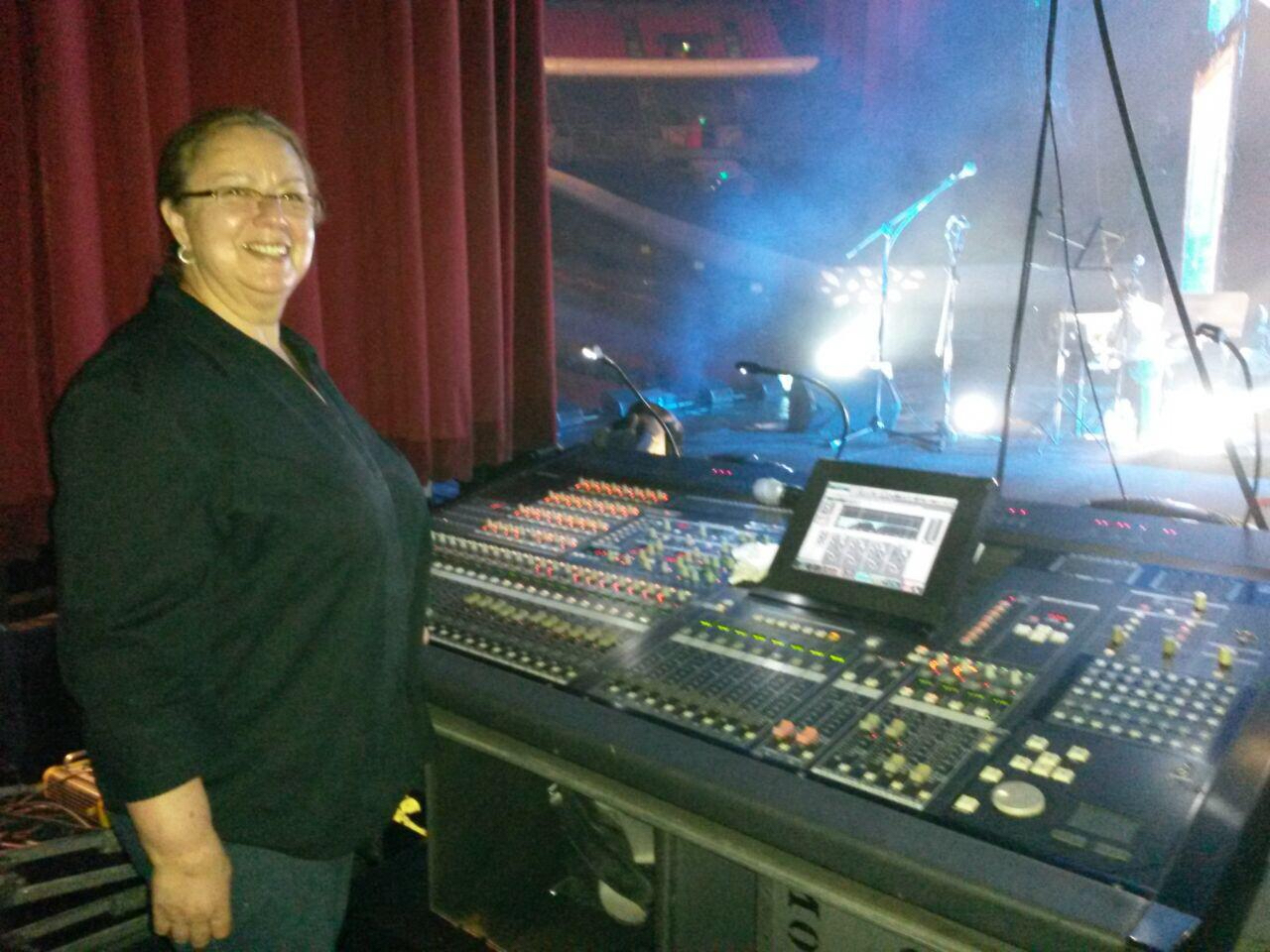
 

What do you like best about touring?

I like traveling very much and being able to soundcheck in different venues.

What is your favorite day off activity?

To be at my home with my husband and daughters. Enjoying my family and my life.

What if any obstacles or barriers have you faced?

There are many obstacles but all of them can be overcome.

How have you dealt with them?

With a lot of persistence, love, honesty and the most important thing is to be constant all the time.

Advice you have for other women and young women who wish to enter the field?

Do not lose the passion and love for their profession, ignore negative comments, keep updating all the time and not compare yourself with anyone, each one of us is unique and we have our own mix styles.
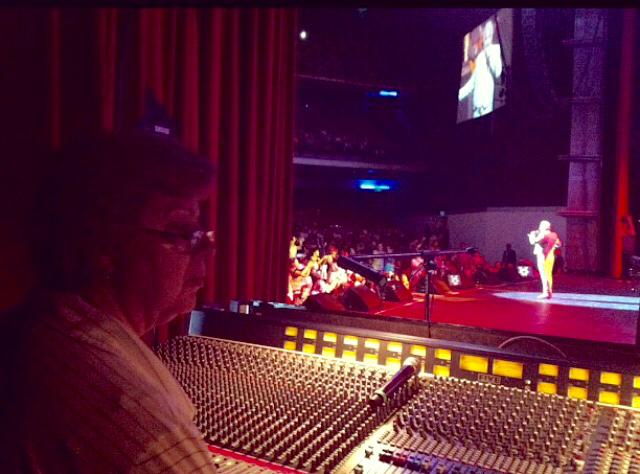
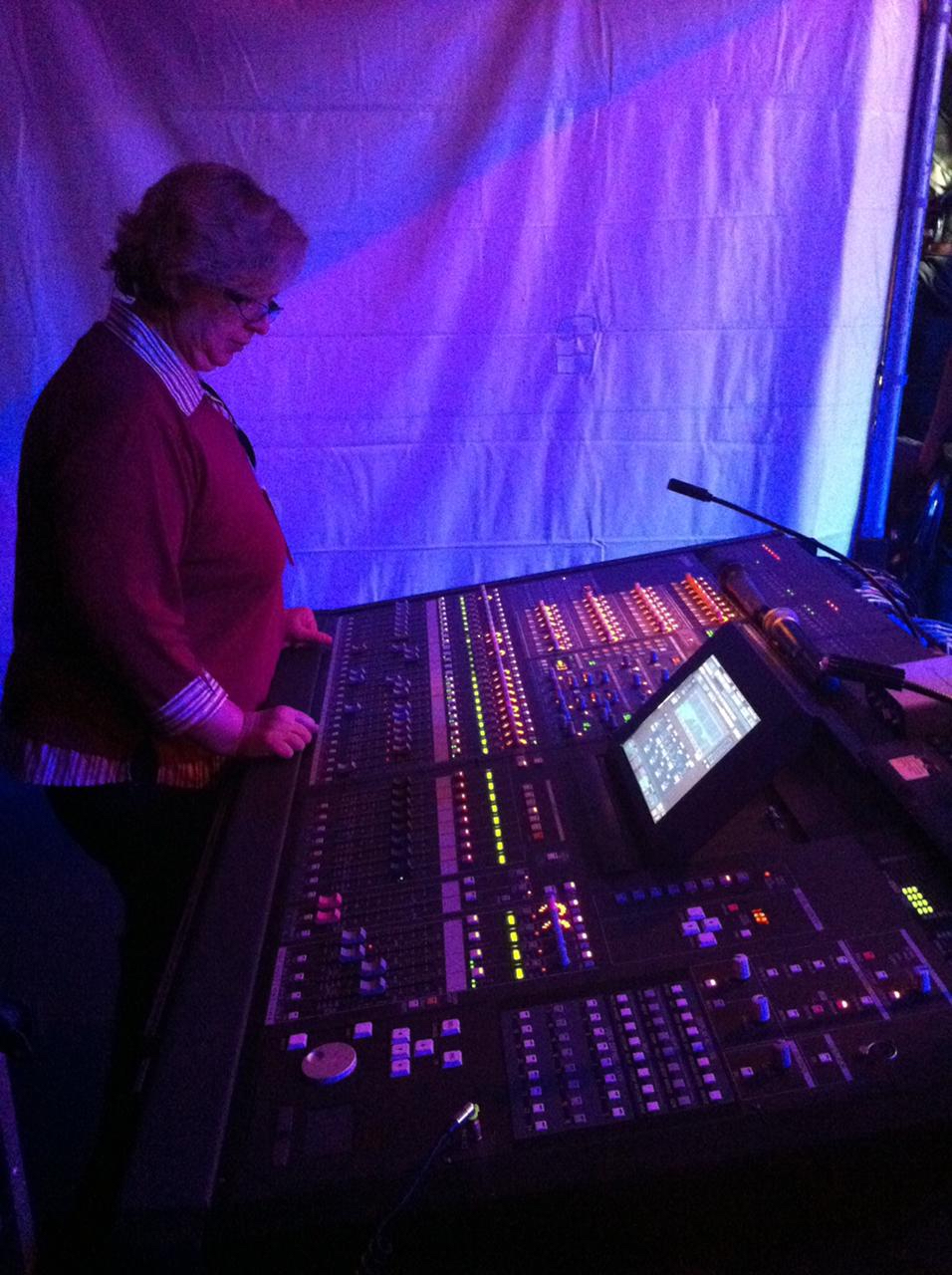
 

Griselda Jiménez Primera Mujers Ingeniera de Sonido en México

Griselda Jiménez primera ingeniera de sonido en México, trabajó por más de treinta años para el Sr. Vicente Fernández, entre muchos otros íconos representativos de la escena musical popular mexicana. El sello que la caracterizó además de su profesionalismo y entrega, fue el interés por transmitir al público lo que el artista estaba sintiendo en cada momento, razón por la cual  diversas personalidades buscaron trabajar con ella.

Del Baile a la mezcla.

Griselda viene de una familia relacionada directamente al sonido, sus padres se dedicaban a la renta de audio e instrumentos musicales, fue ahí donde comenzó su aprendizaje en el manejo del equipo de sonido, pero su sueño e interés era ser bailarina “aprendí todo lo del sonido cuando, como actriz, en una gira, mi padre ponía el sonido, pero una vez se enfermó, regresó a Guadalajara y yo me hice cargo del sonido a la vez que actuaba. De esa forma aprendí. De hecho, a mí no me gustaba hacer el sonido en la gira. Lo hacía porque mi padre me ponía a hacerlo. Mi carrera era ser bailarina y actriz”, comenta Griselda.


En el año 1969, Griselda comenzó su carrera como bailarina en las caravanas del teatro Blanquita en la ciudad de Guadalajara. Años más tarde se mudo a la Ciudad de México realizando trabajos de suplente como bailarina profesional, dentro de la misma compañía del teatro blanquita, en ese tiempo estaba a cargo la reconocida actriz Margarita Su López, mejor conocida como Margo Su, quien fue escritora y empresaria teatral dentro de la época de oro del cine mexicano.

El trabajar en este recinto, abrió una ventana que sin buscarlo fue donde Griselda tuvo su primer y gran encuentro con la mezcla de sonido en vivo. Un accidente ocasiono la oportunidad de quedarse a cargo del audio de este teatro, Griselda nos lo cuenta– “Por falta de profesionalismo del personal, tuve la oportunidad de estar a cargo del sonido, recuerdo que el encargado del audio se emborrachó y se peleó con la señora Lucha Villa (gran icono de la música Mexicana), ella ya sabía que yo tenía poco conocimiento del audio y me dijo “hazte cargo tú” y corrieron al chavo, en vez de quedarse a terminar por lo menos la función, agarró sus cosas y se fue dejando todo al “ahí se va!”. Fue entonces y desde ese momento que Griselda comenzó su profesión como ingeniera de sonido en vivo.

Su carrera fue avanzando, al inicio sonorizaba a cómicos y artistas que hacían temporadas en el teatro como es el caso de la Sra. Lucha Villa, una de las mas importantes cantantes en la historia del genero regional mexicano, ese encuentro fue fundamental para Griselda ya que fue la primera persona que creyó en ella. Tiempo después, la Sra. Jiménez trabajo con grandes artistas como Pepe Jara, Juan Gabriel, Imelda Miller, Los Platers, La Sonora Santanera, Irma Serrano, Los Panchos, Pérez Prado, Lola Beltrán, las hermanas Jiménez y Don Vicente Fernández, entre muchos otros más.

El profesionalismo, la humildad y decisión, herramientas clave para el desarrollo.

Griselda ha demostrado durante toda su carrera humildad y profesionalismo; principios básicos por los que ha logrado mantenerse tantos años dentro de la industria, como fue el encuentro con un gran icono que sin imaginarlo marcaria su carrera.

En el año 1982, Don Vicente Fernández tuvo algunos problemas con la personalidad de sus ingenieros de audio y pensó que al tener a una mujer encargada de su sonido, sería mucho mas fácil la relación, entonces le propuso a Griselda quedarse de planta. Casualmente los ingenieros eran sus hermanos, la reacción inmediata fue decirle: ‘No señor, usted es artista de mis hermanos y yo no me meto’, acto seguido fue hablar con su familia quienes le dijeron que tomara la oportunidad y trabajara con él.

Después de más de treinta y tres años de giras Don Vicente Fernández se retira de los escenarios hace aproximadamente 5 años, Griselda estaba decidida en hacerlo junto con el pero la señora Edith Márquez le pidió hacer algunas fechas con ella, Griselda siempre la ha considerado como su hija por su gran corazón y calidad humana, en agradecimiento acepto realizar los conciertos siendo estas sus ultimas mezclas antes de retirarse de su profesión como ingeniera de sonido.

Preparación y conocimiento empírico.

En esos años, no existían escuelas en donde se pudiera estudiar la carrera de ingeniero de sonido por lo que todos los conocimientos de audio, los fue adquiriendo en la práctica, con experiencias, día a día nuevos retos a vencer, con gusto y orgullo, Griselda logró ser una de los mejores ingenieros de audio en México.

La adrenalina fue clave para tomar el camino del sonido en vivo, aunque realizó trabajos en estudio de grabación, para Griselda no era lo mismo ya que en los estudios no sentía la misma sensación, así que prefirió la presión y la adrenalina de trabajar en los escenarios con artistas de gran presencia.

“Fui aprendiendo empíricamente, viendo shows en televisión pero en donde realmente aprendí mucho más fue cuando íbamos de gira a los Estados Unidos con Vicente. Los mismos ingenieros de allá, sentían curiosidad al ver que una mujer mexicana trabajaba como ingeniera y me ayudaban”. Comenta la ingeniera.

Abrir camino en un medio mayormente dominado por hombres.

“Al inicio fue bastante difícil estar en un medio en donde no existían mujeres realizando el trabajo técnico”. Con su carácter, tenacidad y el apoyo de varias personas como su esposo Miguel Lara (con quien se caso en el año 1975 hasta que enviudo en el año 2012) y el apoyo de su grupo de trabajo Enrique Díaz, Fidel Pérez y Diego Valdivia, trabajadores que siempre estuvieron a su lado logró tener un lugar en la industria y ganarse el respeto de muchos profesionales. En palabras de Griselda “Como mujer en un ´Trabajo de hombres´ fue complicado pero no imposible”.

La confianza es lo mas importante.

“Como monitorista es fundamental que sin importar el estado de animo con el que salga al escenario el/la artista se sientan respaldados por mi, en el caso de Vicente Fernández, el sistema de monitoreo que utilizaba eran ocho monitores de piso solo para el, diversos monitores de piso para los músicos y seis puntos de side-fill. ¡Todo mundo decía que estaba poniendo un PA para monitores!, la razón es que debía de ser impactante” comenta Griselda, “Calculo que la presión sonora debía de alcanzar no menos de 100dB. El primer sonido que emitía el artista era crucial, si todo estaba bien, volteaba a verme con total confianza y entonces sabia que su sonido estaba tal cual lo deseaba e incluso me pedía que bajara el nivel”. Tiempo más tarde, se fue corriendo la voz y muchos otros artistas comenzaron a pedir el mismo monitoreo, ‘La única que lo hace es la gordita, les decía Vicente’.


De lo análogo a lo digital.

“Vicente sólo utilizaba tres micrófonos: uno para violines, otro para armonías y otro para trompetas. Yo no estaba muy de acuerdo en eso, así que lo fui enseñando a sonorizar al mariachi. Él decía que la gente lo quería escuchar a él y no al mariachi, pero yo siempre le sostuve que sin el mariachi la gente no sabría qué canción sonaría. Era difícil trabajar con él, pero poco a poco fui cambiando su pensamiento. Yo fui quien lo enseñó a utilizar micrófonos inalámbricos hasta el punto en el que comenzó a detestar los micrófonos de cable porque le ensuciaba el traje”, recuerda “Poco más tarde comencé a trabajar mucho mas cercano con los músicos, porque cuando comenzaba el show, se hacían para atrás para escucharse, la razón era que no estaban bien microfoneados así que lo cambie, logrando que se escucharan como se debía. De esa forma todos notaron que mi mariachi sonaba distinto, como si fueran cincuenta, pero en realidad eran doce”.

Mi preferencia de equipo fue cambiando con los años, siempre hay que actualizarse, aprender y mejorar cada día. Griselda comenzó con un par de bocinas Cerwin Vega y una consola Montarbo en una camioneta Dodge doble cabina 1980, siempre acompañada de su esposo quien la apoyaba en todo momento. En ese tiempo era muy complicado tener el equipo ideal por lo que no tenia como tal una preferencia de marcas, con excepción de la microfonía, usaba micrófonos shure y sennheiser, comenta Griselda “De ahí, lo que me pusieran lo hacia sonar”

Con el paso de los años, formó su equipo técnico y también fue adquiriendo equipo de sonido, nunca olvidando el estar al día con la tecnología. Griselda nos platica “todo mi equipo eran procesadores para el sistema KF850, rack de ecualizadores, mis efectos Roland 3000 que es el que a Vicente le gustaba.

Después de un tiempo, los amigos estadounidenses me marcaron para pagarme la capacitación en ingeniería porque la gira de Vicente había salido en las revistas en el primer lugar. Y usaba una consola análoga. Así me fui a Los Angeles, estuve en un curso intensivo de una semana y me metieron luego a un show a manejar la consola digital”, menciona Griselda Jiménez y continua, “Todo fue rápido porque el siguiente fin de semana ya debía irme a otra gira con Vicente; llevaban la análoga, (una Midas, y cuando hicimos el cambio fue a una Digico SD5), con todos mis periféricos.  Al final del primer show todo salió muy bien y vi a Vicente muy contento”.

La ingeniera menciona, “En cuanto a los monitores, siempre utilizamos de piso aunque fueron cambiando con los años porque los escenarios de Vicente eran centrales y giratorios, así que tenia que hacer diferentes arreglos, para los side-fills teníamos que colgarlos de la iluminación y los bajábamos antes del show para hacer cuatro puntos de referencia. El hacer monitores para Vicente fue bastante complejo por las necesidades que el exigía, cada vez pedía mas presión sonora llegando a los 110db firmes como base. Él me permitía tres feedbacks máximo durante el show, aunque nunca los tuve, por eso pedía ecualizadores independientes.

“Creo que las mujeres tenemos naturalmente un sentimiento y somos dedicadas, claro que podemos hacer el trabajo que se dice ser para hombres como es el caso de la ingeniería de sonido.

Yo comencé como bailarina y puede ser que el tener mas desarrollado el sentido musical me ayudara en la mezcla. Para mi comenzó como sorpresa que se transformó en una necesidad y retos que yo sola me ponía. Pasé momentos complicados entre llanto y temor pero aunque sentí miedo a lo desconocido, constantemente me decía que lo podía lograr, recordando cada momento a mis hijas Imelda y Rocio Lara que me han brindado el apoyo y sustento para superar todos los obstáculos”

¿Que es lo que mas te gusta de estar en tour?

Disfruto mucho viajar y poder realizar prueba de sonido en diferentes recintos.

¿Cuál es tu actividad favorita?

Estar en casa con mi esposo e hijas.

¿Cual es tu meta a largo plazo?

Disfrutar a mi familia y la vida.

¿Que obstáculos y/o barreras has enfrentado?

Existen muchos obstáculos pero todos se pueden superar.

¿Como haz lidiado con ellos?

Con mucha paciencia, amor, honestidad y lo mas importante de todo ser constante en todo momento.

¿Algún consejo para alguna mujer que quiera entrar a esta industria?

No pierdas la pasión y amor a tu profesión, ignora los comentarios negativos, sigue actualizándote en todo momento y no te compares con nadie; cada persona es única y cada una tenemos estilos diferentes para mezclar.


X