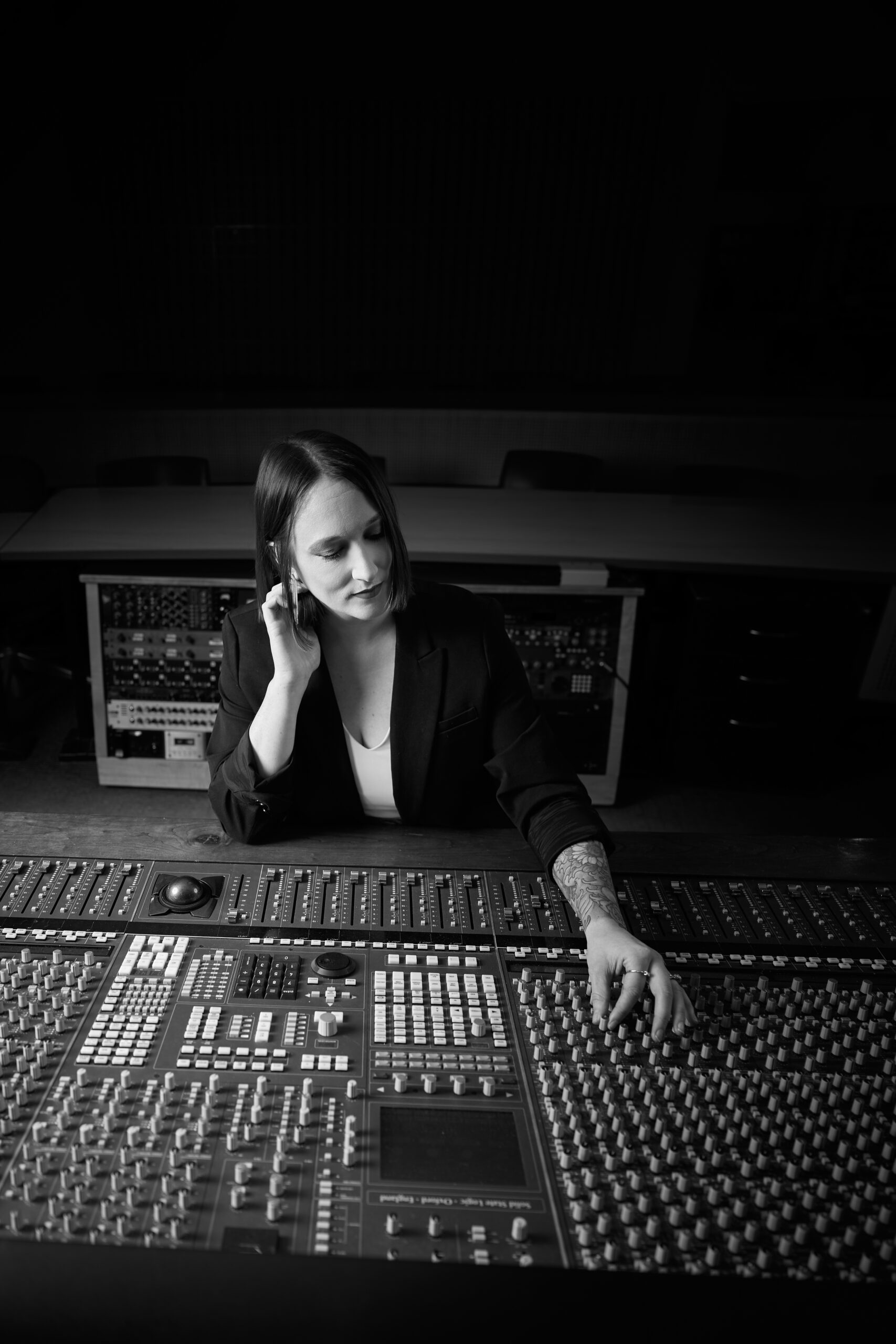
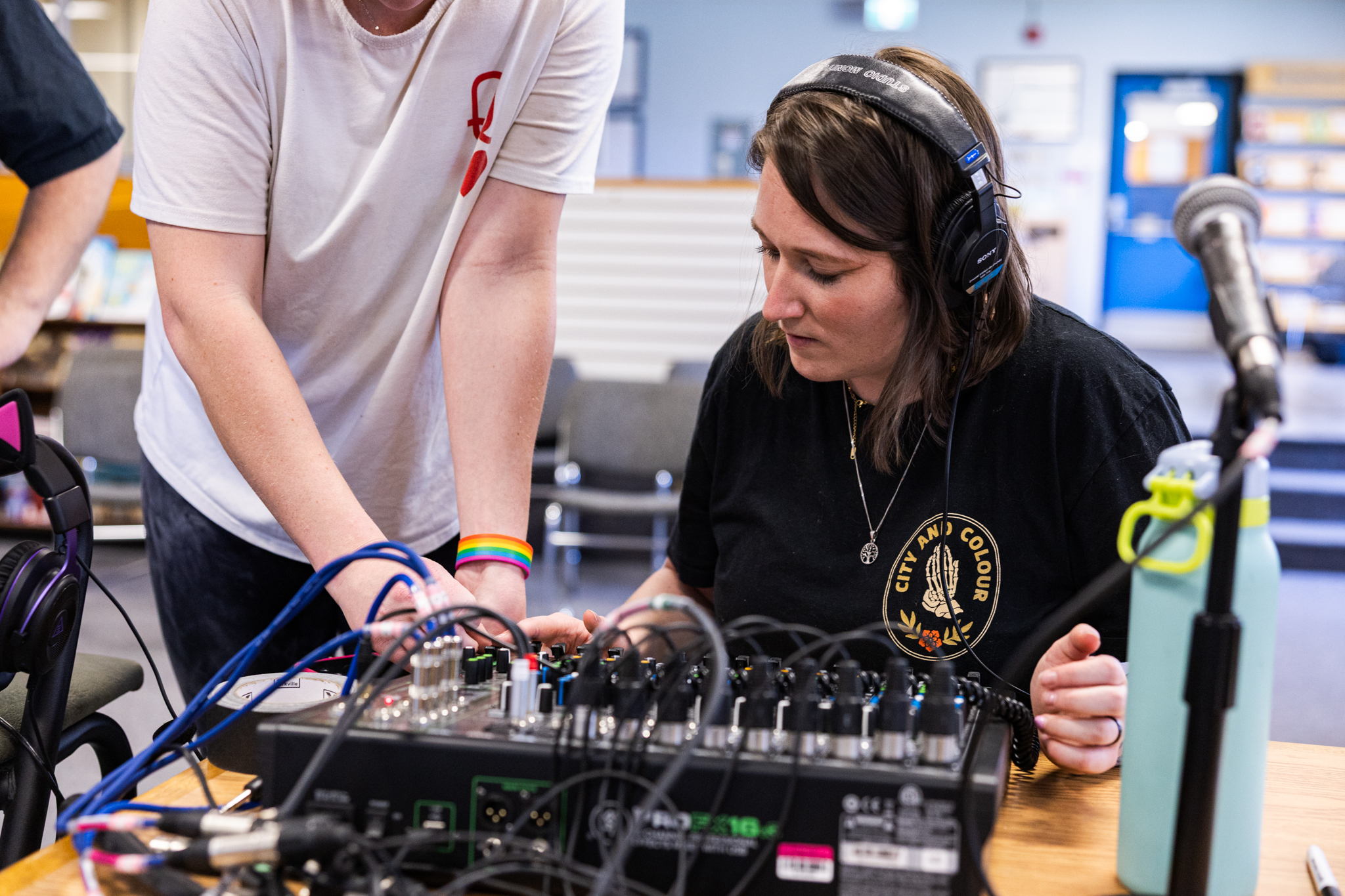
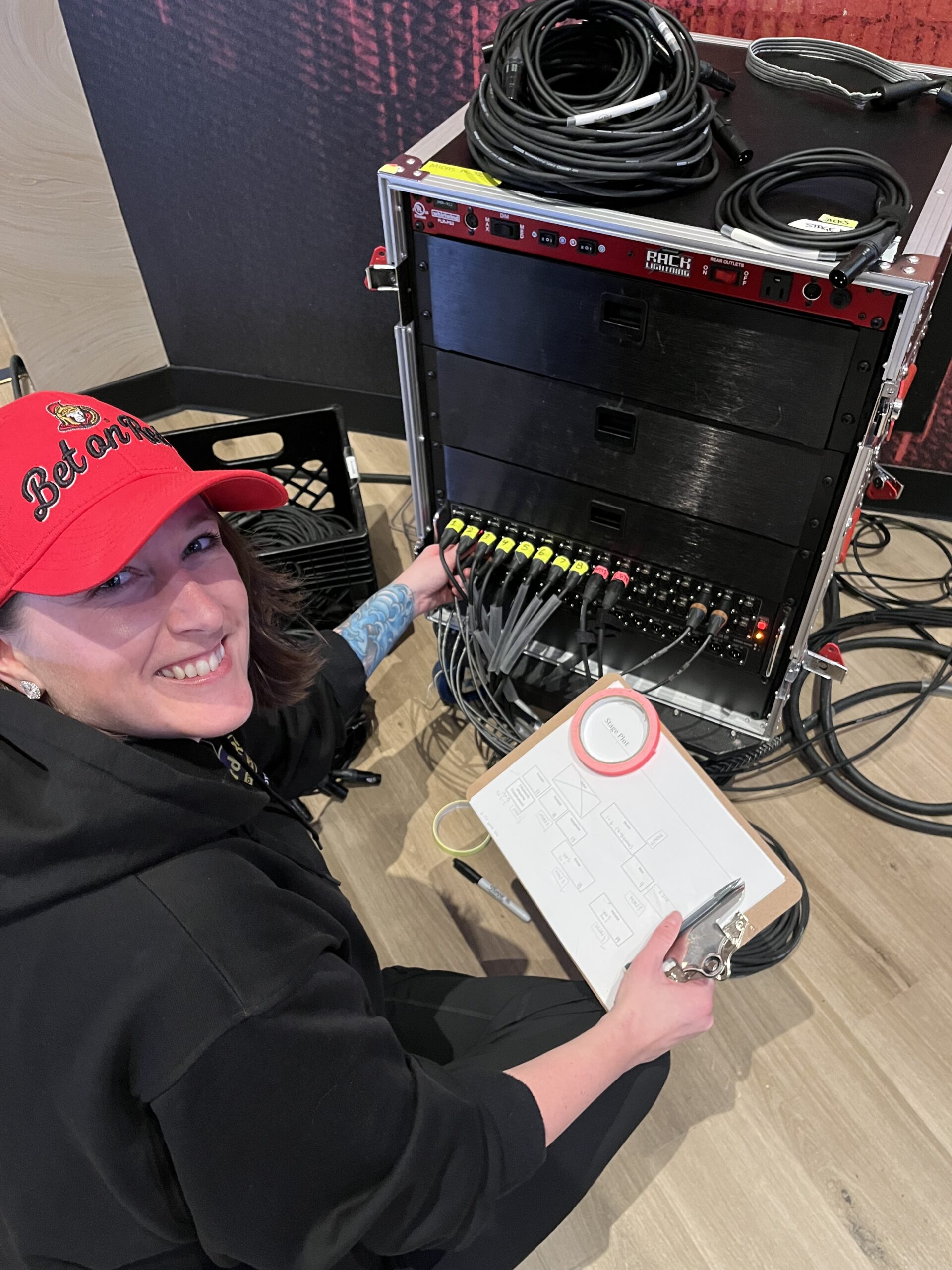
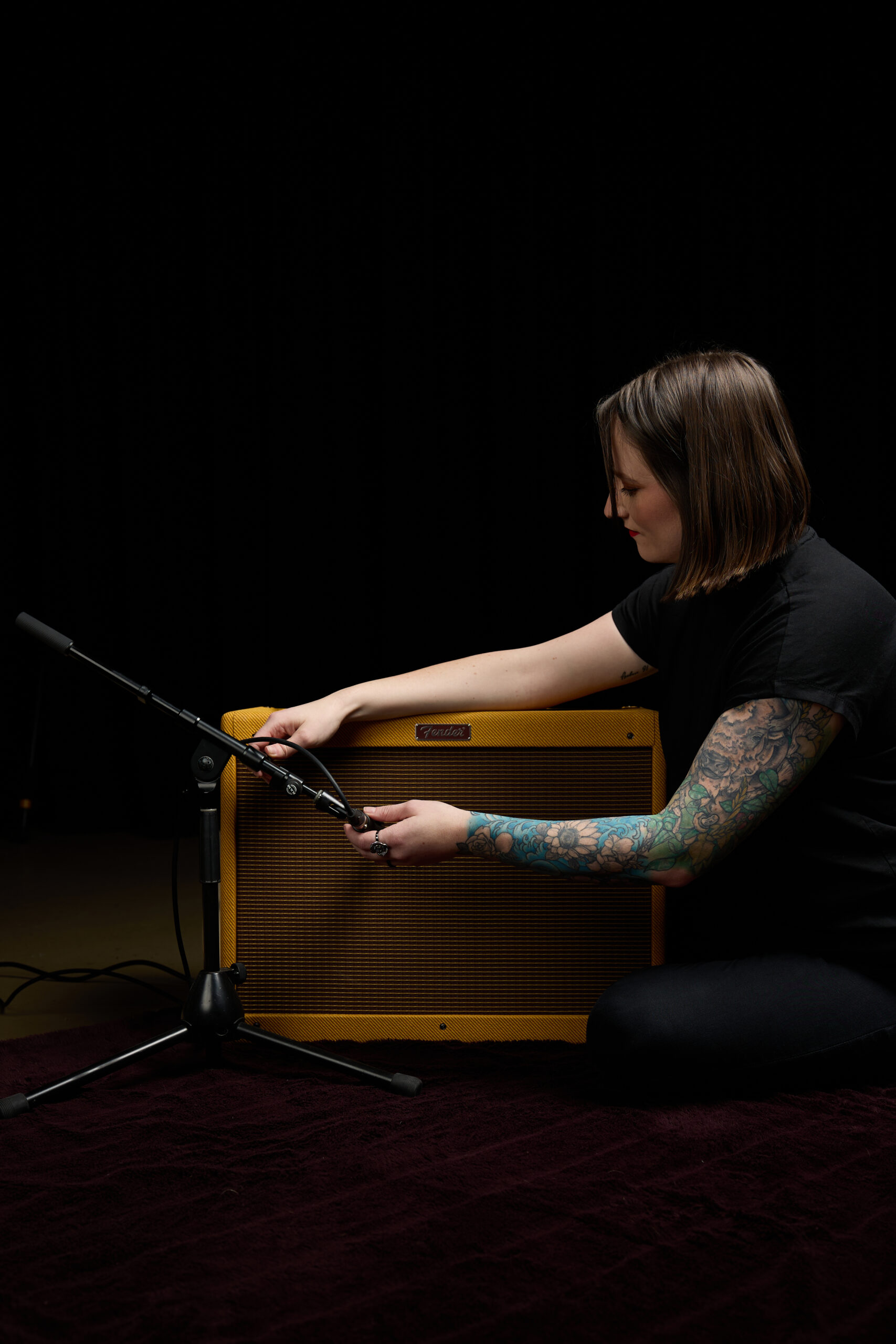
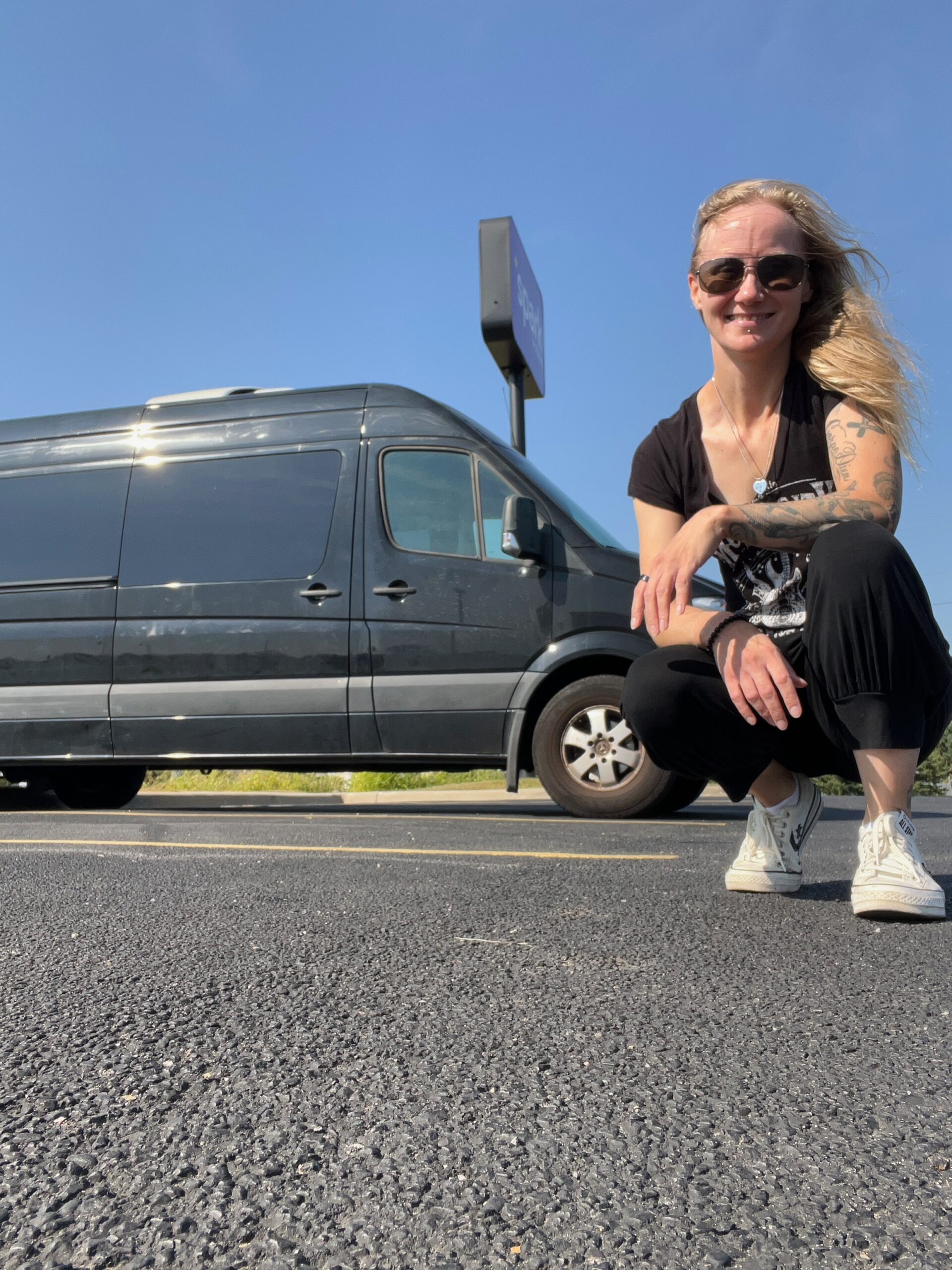
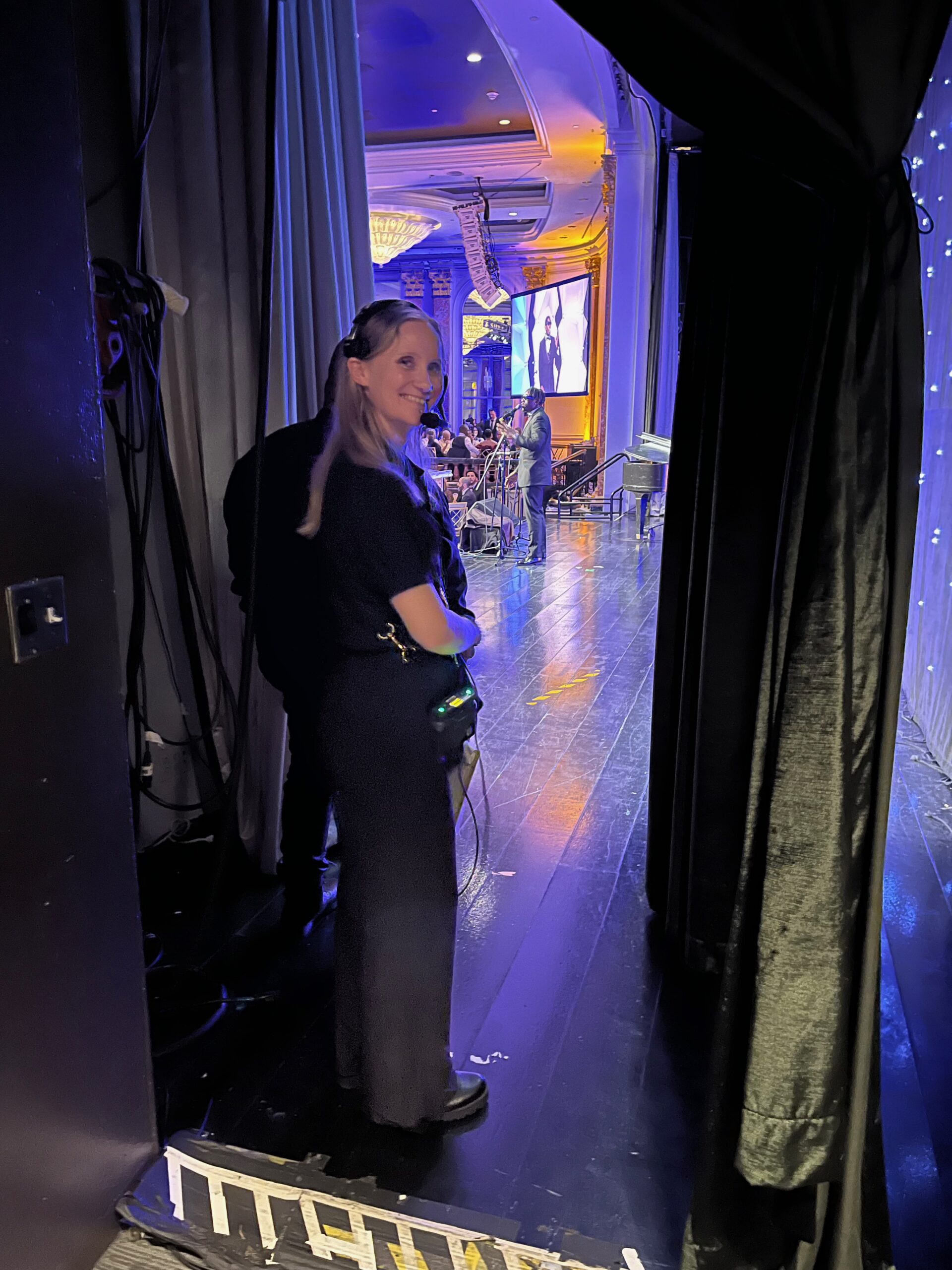
For Erika Pursiainen, a career in live music wasn’t something she discovered early in life—it was something she found through determination, curiosity, and a willingness to reinvent herself. Today, Erika works as a tour manager, merchandise manager, and stage manager, bringing more than a decade of experience to the road while helping artists and crews navigate the countless moving pieces that make live performances possible.
Originally from Finland and now based in Long Beach, California, Erika’s path into the music industry was anything but traditional. Before stepping onto a tour bus, she built a successful career in sales, marketing, communications, and international business. She earned both a bachelor’s degree in International Business-to-Business Management and an MBA in Service Innovation and Design, developing skills that would later become invaluable in the fast-paced world of touring.
The moment everything changed came when Erika was working for UNICEF and spending time in New York. A lifelong music fan, she attended a concert by her favorite band and struck up a conversation with the merchandise manager. That chance meeting led to an invitation to shadow him on tour. While standing backstage in an arena in Pennsylvania, watching a crew member swap drum kits during soundcheck, Erika experienced a powerful realization: this was where she belonged. At 33 years old, she discovered her true calling and immediately began charting a new course toward a career in live music.
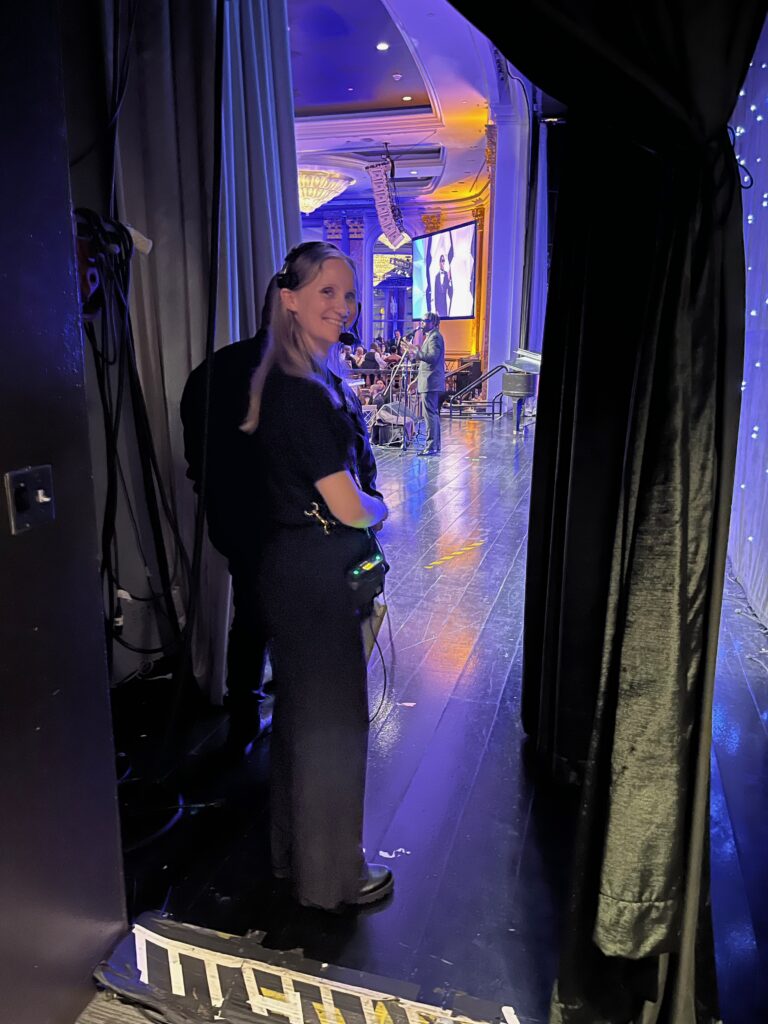
Determined to make the transition, found her entry point into the industry through merchandise management before moving to Los Angeles. Her long-term goal was always tour management, and after threel years of working merch, she landed her first tour manager position. Stage management followed unexpectedly when an internship quickly evolved into a full-time role after just two shows. What began as an opportunity to learn more about the technical side of production became another key part of her professional identity.
Erika’s work today is shaped by a unique combination of business expertise, operational leadership, and hands-on touring experience. She believes strongly in lifelong learning and credits much of her growth not only to formal education but also to the countless lessons shared by fellow crew members, drivers, technicians, and managers she has encountered on the road. Whether learning from industry professionals, studying technical theater production, earning a Music Business certificate through UCLA Extension, or simply listening and asking questions, Erika approaches every day as an opportunity to expand her knowledge.
Music has always been at the center of Erika’s life. As a child she immersed herself in music videos, artist interviews, and discovering new bands. She developed an early love for drums and guitar, later returning to music as an adult by studying drums more seriously and eventually learning bass guitar. While her career ultimately led behind the scenes rather than onto the stage, that passion for music remains the driving force behind everything she does.
What makes Erika’s story particularly inspiring is her willingness to pursue a dream later in life. She didn’t grow up knowing that careers in touring existed, nor did she see many women working behind the scenes in live music. Once she discovered the possibilities, however, she committed fully to making her vision a reality. Her journey serves as a reminder that there is no single path into this industry and that sometimes the most rewarding careers begin with a chance encounter, a backstage moment, and the courage to follow an unexpected opportunity.
Today, whether she is managing a tour, overseeing merchandise operations, coordinating backstage logistics, or solving the countless challenges that arise on the road, Erika brings a rare blend of business acumen, adaptability, and passion to every project. Her career is proof that it’s never too late to find where you belong—and that sometimes the road less traveled leads exactly where you’re meant to be.
Career Beginnings
How did you get your start in live music and production?
I was in my early 30s when I started changing careers. I didn’t want to waste any time so I had to find the fastest way to kickstart my new career as a tour manager. I have never shied away from big goals or challenges and I decided that instead of trying to get my foot in the door in the small country and music industry of Finland, I should shoot high and move to the land of opportunity and the entertainment capital of the world: Los Angeles. However, not being a US citizen, I set myself a huge challenge with that decision.
I returned to Finland after my time with UNICEF in New York. The easiest way for me to get the ball rolling without any industry-specific experience was to get booked on tours and one-offs as a merchandise manager or seller through a merchandising company. Beyond management experience from other fields, my expertise at the time lay in sales and marketing and that fit merchandising perfectly. I started touring on the weekends and working one-offs in the evenings after my full time office job at a makeup school. Sometimes I worked my office job remotely on the road.
Soon, I sold pretty much everything I owned, packed a couple of bags, and moved to L.A. to study music business at UCLA Extension. The certificate studies gave me a base overview of the industry I was getting into and specialized my existing business management skills. I took as many internships as I could to get exposure to the real world to reach an even wider understanding of the many sides of the music business. With that, four months after moving to Los Angeles I was on tour as a tour manager!
The internships built on my experience, opened up new connections in the industry, and eventually led me to paying gigs and where I am today. My previous career and know-how as a manager was the biggest factor that solidified my expertise, proved my potential to the hiring parties, and accelerated my career growth. I didn’t have to start from scratch with my new
career but instead, I widened my existing skills by uniting them with specialized knowledge in a new field.
What were your first jobs, gigs, or internships like?
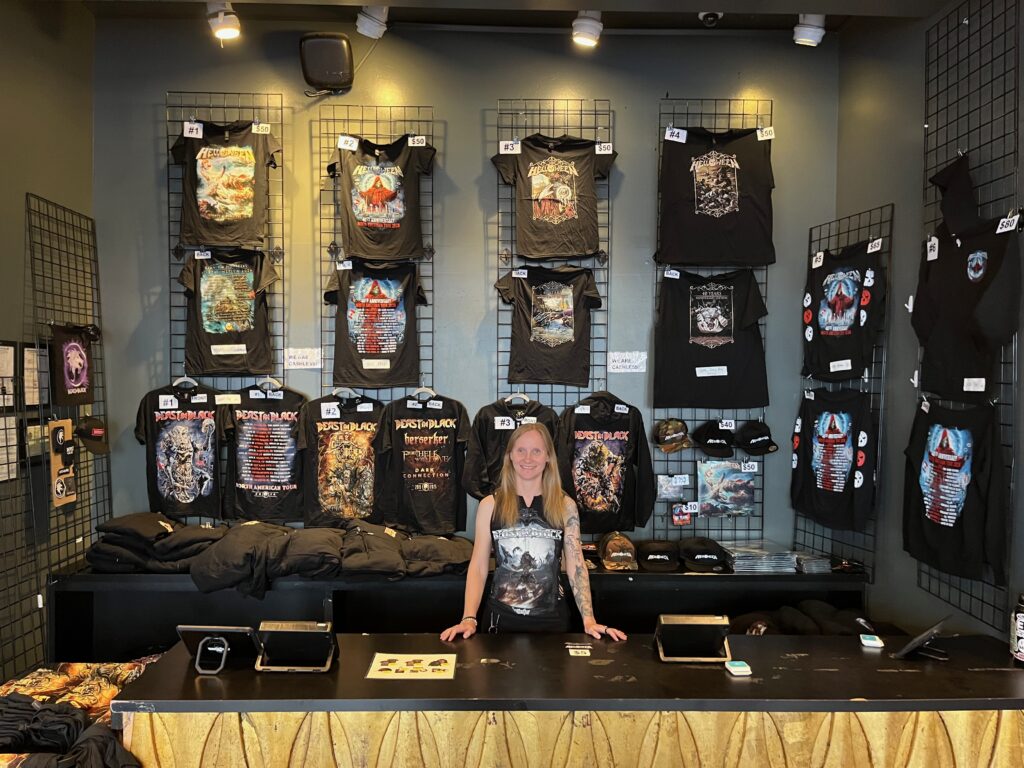
I still remember stepping on the tour bus in Finland for the first time and the magical feeling of the tour bubble. It hooked me instantly. I loved (and still do) the challenge of creating attractive and clean merch displays in different types of venues and settings. The enthusiasm and energy of the fans was contagious. Many times being the only person from the touring group who was in direct contact with the fans gave me unique insight into the fan experience. I quickly realized that, although often overlooked, merch would offer me great specialized knowledge as a tour manager to make sure the artist is balancing expenses and making money on the road. That’s one of the reasons I never let go of this first role after I became a tour manager.
When it comes to the internships during my music business studies, I wanted to learn about many different sides of the industry closest to touring and artist relations. That made me choose internships in artist management, tour management, record label operations, and stage management. Even if some of them only indirectly applied to my new career, I did learn something from all of them and have been able to use the information until this day in some shape or form.
The internship in tour management when I led a support band around the country, was very valuable because it taught me a lot through practical hands-on work. Traveling in a 12-passenger van with four guys and sleeping in a shared Motel 6 room, I saw what it was to be the first band out of a four-band lineup on a club tour. I noticed the struggles and I remember that every time I deal with support acts on headliner tours. I want to make sure they are taken care of also. Now, after years of working with different types of artists on different types of tours, I’ve learned how tour management varies based on many factors and apart from some basic commonalities, there isn’t really a fit-for-all formula.
The internship in stage management was valuable in a different way. I not only learned a ton about technical production as was my goal for the internship, but it also very fast led me to more opportunities as a stage manager. And the opportunities haven’t stopped since! I’m so grateful for the employers who continue believing in me and how I manage their stages.
What skills or lessons did you learn early on that still serve you today?
I learned that some of the most valuable information in this industry lies in people and not written sources. You can learn something from every single person you encounter or work with. And it’s not based on hierarchy or seniority. Even a person in a junior position can offer valuable and eye-opening views. As a tour manager it’s important to know a bit about everything and rely on your team’s specialized expertise for the rest. Sometimes, a specific piece of information can impress your artist, literally save the day, or even help you get booked for more work!
Early on, I also noticed that some industry veterans can be stuck in their ways and don’t necessarily recognize how times are changing. I’ve always been a believer in working with
kindness and valuing every person in the team. At the beginning of my career, a few people literally advised me to be an asshole in order to be a good tour manager. Every time that happened, I winced internally. It’s important to me to find a team that has similar values and approach to work than me. People who support and respect me and value my work. Who let me be myself and do my job without micromanaging. I know this can be easier said than done when first starting out and you may feel pressured to say yes to any opportunity. But you can always evaluate if it’s worth continuing to work with a certain camp or not.
Did you have a mentor or someone who significantly supported your growth?
I’m so grateful for having had multiple people throughout my career who have supported me along the way. I’ve received valuable knowledge and tips on how to go about certain things. People have connected me with others. I have been hired continuously by some since the beginning of my career. Some of the first connections I still reach out to this day to ask a question or guidance if I need it! This is a great example of the nature of the industry and how important networking is.
What barriers did you encounter early in your career, if any?
I think the main barrier early on was to find consistent work that I could live off of. I was on a great trajectory after completing my internships and having a good understanding of the industry as a whole. I was ready to conquer the touring world with my specialized skills.
Then the pandemic hit and we all know what happened to live music and touring. Fortunately, I had established some very important connections in the industry before the pandemic and was able to bounce back once the industry opened its doors again. My various roles definitely helped with that when I wasn’t tied to just one role or specialty.
Related to finding consistent work, what could be normally seen as a barrier is that my visa allows me to work in certain roles and positions only. But for me that actually turned out to be a blessing in disguise. It pushed me to fully embrace my expertise and boldly seek the roles I wanted to work in. I literally couldn’t derail from the path and it kept me focused. Now, after many years of proactively educating myself beyond my studies and putting my all into my new career, I can see how much specialized know-how I have gathered. What was seemingly a barrier actually helped me achieve my goals much faster and more efficiently.
Your Career Today
What does a typical workday look like for you now?
This really depends on the role I work in and even the artist or event I work for. But I can give a simplified understanding of my main role as a tour manager.
I have very different workflows depending on if I’m prepping for a tour at home or if I’m actually on tour. At home, I start working on tour prep usually a couple of months before the first show. What I’m concentrating on also changes the closer I get to the tour.
The first step of pre-production is to get the show contracts and itinerary from the band’s booking agent to know the schedule and routing. The show contracts also act as the basis for show advancing. Nowadays, I usually work for the headliner, which makes me the main contact for all the acts on a specific tour when it comes to what happens daily on the road. So, I gather a bunch of information from all touring bands for advancing, incl. the headliner and all support acts. Based on the information, I then draft the advance that I send out to each venue to agree on everything around the show, from load-in to load-out. Once the ROS has been locked for each show (which is usually the same for all shows on tour for consistency), I plan our lobby or bus calls and everything else that is related to travel. I book flights and hotels or other accommodation. I prepare for any border crossings if international travel is included. And finally, I enter all of the information into Master Tour for the artists and crew to see.
Not all tour managers deal with merch as heavily as I do. One of my main strengths is my interconnected roles and my artists rely on my specialized knowledge to make sure merch is also being taken care of. Planning tour merch also starts several weeks or sometimes months in advance. This includes defining the merch line and items, choosing merch designs, making sales estimates, printing merch, defining pricing, sourcing sales accessories, advancing merch with the venue, and shipping merch to the first venue.
And then the hands-on work starts. I hop onto the airplane and step into the tour bubble. On a day-to-day basis as a tour manager I:
- Lead the travel to the venue and any daily or urgent chores on the way ● Coordinate load-in with the venue
- Liaise with the local tech crew as needed
- Direct parking with the venue crew
- Allocate backstage facilities and green rooms for the bands
- Make sure hospitality is in order
- Assign merch areas to the bands
- Take care of credentials and the guest list
- Communicate with and support any media representatives
- Catch up on work on my laptop as pre-production extends to the road ● Attend the security meeting before doors
- Place set lists, stage towels, and waters on stage and make sure everything is ready for the headliner on stage after the changeover
- Settle the show at the end of the night
- Load out, and
- Travel and check-in to a hotel (if not on a bus).
Accounting and managing money is an ongoing task before the tour starts, on tour, and post-tour. As is being available for everyone on tour as the leader of the full tour group, incl. support acts, as any questions or needs arise.
How do you stay organized and manage the demands of your work?
I have created certain workflows, tools, and systems for myself for tour prep and for the work on the road. And it
makes all the difference when I don’t have to invent the wheel every time I start working on a new tour or with a new artist.
I use Google Drive with Google Docs and Sheets for planning, notes, and data organization. I do this so that I can access all of the information at any time in real time on any device (phone, laptop, iPad). I don’t have time on the road to pull out my laptop all the time and I have to be able to check the needed information fast on my phone that I carry with me everywhere.
Within the Google tools, I have created templates for tour planning and advancing. I have a dedicated Google Doc for every artist I work for with their important information and a current to-do list. I have another Google Doc for advancing templates that I adjust to every tour and artist. To manage the full tour and the many details within it, I use a Google Sheets template that I update with different colors as the planning progresses.
Master Tour is the industry standard when it comes to communicating with your team on tour. I use it not only to share information with my artist but also to share the bits of information the support acts need to manage their own tours. I use the visibility settings within the app to manage who sees what information. I’m sure I share the struggle with many tour managers that not all of the artists check Master Tour (that’s why I now wear t-shirts and a hat on tour that say Check Master Tour, ha!) so the secondary purpose of using the app is to keep all the information I need on tour in one place for myself to see. Again, I have to access the information I need in a fast and easy way at any given time.
To complement all of the tools and systems, I use my phone reminders for certain things I tend to struggle remembering on the road. One of those things is submitting the guest list. I don’t know why I struggle remembering that – could be because it happens so close to doors that I have my mind heavily on other things at the time.
What do you enjoy most about what you do?
I love being part of creating something memorable for the fans. What initially pulled me into this industry was my own passion for music and concerts. I know how live music can make you feel at its best and I absolutely love the idea that I am part of creating unforgettable memories for the concertgoers. Many times, I find myself just watching the fans dancing and having a great time. Hearing their stories and what the artist and their music means to them makes the hard work all worth it.
What aspects of the job are the most challenging or least enjoyable?
I really struggled balancing work and taking care of myself at the beginning. I almost worked myself into a burnout. After I found myself working on my laptop around the clock at home or noticed I hadn’t eaten or had a break all day on tour, I realized it was time to do something about it. It pushed me to better structure my days and workflows and to let go of some things that weren’t a priority. I had discussions with the artist to agree on new ways of working. Even today, sometimes I have to remind myself that I can do something a little bit later and take a break and eat first.
Balancing work and personal life at home can also be challenging. It’s easy to bury yourself in work as a tour manager even when you’re not on the road. I solved this by restructuring my week and placing myself as priority while still getting everything done. Just more effectively. I also moved close to the beach so that I could properly relax in between tours. And it makes all the difference being able to walk to the beach, put my feet in the sand to ground myself, and breathe in the ocean air!
What do you enjoy most about touring?
I love living in the tour bubble. Where nothing else exists except for what is happening each day on the road. I guess it helps my busy mind to concentrate and focus. It doesn’t hurt to wake up in a new city every day and be able to explore either (whenever I have time for that)! I also love working with musicians and creative people. It’s intriguing and inspiring to be close to many different personalities and artistic minds.
What do you find most difficult?
Taking care of myself on the road. Both of my touring roles of tour manager and merchandise manager (or the combination of both) require so much every day that I work pretty much non-stop from load-in to load-out. I try to plan my meals (which in itself can be a challenge as a vegan on tour) and daily organization when it comes to both my work and personal belongings before the tour so that it would allow me the most amount of flexibility with time. Even the simplest tasks like making myself a smoothie with my portable blender or taking my vitamins can become too much on the road when I don’t have any extra time. Throw in some kind of an issue or two and there goes all of my extra time and suddenly catering or the bus with my special food in its fridge is too far away!
Also, coming home from a tour is always hard. The change from a hectic work day on the road to a sudden stop of everything leaves me restless for a while. That restlessness makes it hard to give myself the much needed rest after the tour. I’ve noticed that it takes me a week to start feeling balanced and normal again after I come back but having the patience to wait that out is never easy.
What is your favorite way to spend a day off or time away from work?
By being in nature in some shape or form and moving my body. On tour, I check the map for any parks, hiking spots, or other areas with some nature. Being in nature away from the hustle and bustle of cities grounds me instantly. If I have the energy I run, and if I don’t I just walk or hike. I also started doing yoga at venues on my last tour whenever I had the time. Yoga makes my body feel so good after hard physical work and sleeping on the bus.
At home, I do the same in between work on my laptop. I have structured my weeks in a way that includes dedicated days for some nature and exercise time. I bike, run, and walk on the beach and along the two rivers that flow on both sides of Long Beach. I also do yoga almost daily and I’m always on the lookout for new hiking spots.
Challenges, Growth & Perspective
What obstacles or systemic barriers have you faced in the industry?
One clear issue is that formal pay structures don’t exist beyond those who belong to a union. Some managers and productions take advantage of that.
I have been fortunate to get paid very well for some of my work but especially in the past, there were instances where some parties took advantage of me. I think this is pretty common unfortunately and the recent rises in expenses and touring costs are pushing many productions back toward that. I personally think that internships and entry-level opportunities that offer experience and at their best, open doors to bigger opportunities can be very valuable. But sometimes, the tour could actually pay the crew their worth when instead, they refuse to do so because the managers or artists want to make more money themselves. Not to mention the pay imbalance between some men and women working in similar roles of the industry.
Many unofficial power structures and sneaky behavior exist in this industry and it’s hard to fight it when tours don’t have an HR department or there aren’t unions for all roles. This extends beyond pay to the lack of benefits such as health insurance or pension plans as compared to industries that offer better job security. The music industry is an anomaly in many ways and has its own ways of operating, in good and bad.
How have you navigated or pushed through those challenges?
I realized that I have to find people who believe in me and value what I bring to the table. They are willing to pay my worth because they can see how my expertise can add value to their tours and operations. Those are the people I want to work with and give my all anyway, and that creates mutual trust and respect and ultimately leads to better job security.
I have also learned to be brave enough to stop accepting low paying gigs that clump multiple roles in one. I acknowledge that that can be hard when first starting out and still building your reputation and credentials in the industry. And I’m very grateful for all the opportunities I got when I was new to the industry. But knowing your worth and not pricing your services too low eventually leads to people respecting you more and offering you what you should be paid.
Have you seen the industry change during your career? If so, how?
I’ve noticed a change in people and how they treat newcomers in the industry. When I first started out, some higher-level people were not very approachable or willing to let me in. They felt distant and some even behaved like they were better than me. This fortunately seems to be changing and I have noticed a shift in people’s attitude over the years.
At the beginning of the year, I attended an industry conference called Live Production Summit (LPS) and felt a clear change in that atmosphere. People genuinely wanted to help and proactively shared their knowledge and resources. LPS has been working on supporting the next generation for years now through their Future Forward program that sponsors young people attending the conference. I’m sure that is a big force behind this mind shift.
Beyond the conference, I’ve seen more people mentoring young guns on and off the road and a lot of related programs popping up. I’ve seen programs directed at women and non-binary people and also young people of color. Some formal education and production training programs have even been launched inside the industry. I love seeing these kinds of opportunities being offered to people who otherwise might not have the chance.
What still needs to change to better support women and marginalized genders in live music and production?
I noticed during the pandemic that industry pros and people who have prominence in the field started talking more about inclusivity and well-being on tour. It’s been six years since then and I think some of that is unfortunately still on the talk level and never properly spread all the way to the working level. Once the industry opened back up the pros got busy again and had other things to concentrate on. But just the fact that a lot of people were and still are talking about it seems to have spread to the younger generation in the industry who are now driving the change on their part.
I love that the power structures are slowly changing, especially now that there’s a big shift happening in the workforce. The pandemic already either forced or prompted a lot of people out of the industry and now, there’s a bunch of industry veterans on the brink of retirement. This changes the balance in the industry and opens up more opportunities to newcomers and with that, can lead to new approaches and ways of thinking. It’s been great seeing more women and non-binary people entering the industry and getting opportunities to reach respected and leading positions locally and on tours.
However, there’s still a lot of work to be done. As live music and production has been and still is male-dominated, the industry doesn’t always properly accommodate other genders. Just to start with basic facilities on tour. On my last tour there were a couple of venues where the only shower facilities were clearly designed for men, with a row of shower stalls closed off by shower curtains. This is something I want to actively help change through my own positions in the industry. I take every opportunity to hire and involve more under-represented people on tour whenever I can. And push those structural and everyday venue-related changes in my show advances.
I’ve seen that initiating change through show advances – in a kind and respectful way – can make a difference. Once the venue reps see something pop up repeatedly in advances they start reacting. As a non-related example, for four years I advanced water refill stations for my main artist because they are an environmentally conscious band and don’t want to contribute to the huge amount of plastic waste that single-use plastic bottles create. Slowly, I started seeing the change. When at the beginning there was one venue within a tour that had a water refill station, the number of venues that had added or were in the process of adding those stations to their venue started slowly climbing. Making a change can be slow but it will happen through persistent and respectful efforts.
Together with Live Out L!ve Foundation and their amazing founder Candace Newman, I held a session about inclusivity in live production and touring at LPS earlier this year. Our aim was to gather information from the conference attendees to construct an inclusivity rider template that can be used when advancing shows to initiate that change in the inclusivity landscape.
Especially the younger generation eagerly participated in the discussion and the industry veterans were very open-minded about the reality of the need for change. This makes me believe that we can create real change when we collaborate on important topics and approach the discussion in an open and respectful way.
Finally, one very visible (or audible) sign that there is still work to be done is the job titles that many times directly imply that the person is a male. Sound guy is probably the most common example. And from the other point of view, certain roles can be implied through feminine words such as tour mom (tour manager) or merch girl (merchandise manager). This issue doesn’t apply to only our industry but also to many other male-dominated fields. Language is another thing that often takes time to change.
Advice & Looking Forward
What advice would you give to women or young people interested in entering live music and production?
I have already sprinkled a lot of these tips in the previous questions but I’ll bring them together in this part.
Be very proactive about networking. Create a network of people around you who share your values and believe in you and who you genuinely believe want to help you. Ask questions, grab a coffee with them and pick their brain, let them connect you with their network for further opportunities. Those who want to help you, will. And the rest you can let go of as they were never meant to be.
Act as a sponge. You can learn something new every single day. Follow industry groups and people you look up to on social media, sign up for industry newsletters, and listen to the advice from those who work in the industry. Reach out and ask to shadow the roles you want to work in at your local venues or when tours come through your city. There are even programs that help connect with mentors (such as Live Out L!ve Foundation’s programs that I have been part of myself as a mentor). I repeat myself but don’t be afraid to ask questions. Every time my mentees ask me a lot of questions, I can see that they really are interested, are willing to learn, and have passion. That makes me notice them.
If you have the opportunity, attend industry conferences and level up your networking. Find a mentor if you can. Connect with groups for women in the industry (such as WILM – Women In Live Music) and people who have created their own tutorials to help more women and non-binary people enter the industry (I recommend checking out Claire Murphy’s book and workshops about the topic). Be humble and grateful for every opportunity.
Find a partner or peer to lift each other up. You don’t even have to share the same passion but just progressing and growing together can give so much inspiration. I do this with a friend of mine from Finland who is a cinematic composer and producer. We started changing careers at the same time and have been supporting each other and seen each other’s growth throughout all these years. We have weekly co-creation calls as we call them to work on our personal and professional growth or whatever project is priority at the moment. It’s incredible how much more you can get accomplished when somebody else is working side-by-side with you and cheering you up!
No matter the age (I started this career in my 30s) or gender-identity, I always want to encourage people to follow their dreams and passions. If you want it and it’s your calling there’s nothing that can stop you from reaching your dream. Finally, always be yourself and follow your heart. You can’t go wrong with that!
What skills—technical or otherwise—do you think are essential for success?
Considering my various roles in the industry, this is such a wide question and somewhat depends on the role.
When it comes to tour management, it’s important to be organized and detail-oriented, be able to hold many strings at the same time, and understand the bigger picture. Planning is literally half of the job. If not more. Pre-prep and advancing is super important in order to have flexibility to effectively solve any issues on the road. Part of that is knowing a bit about everything and having a wide network of people to connect to if needed.
Depending on the level and what is expected of you, a tour manager is not usually a technical role per se. However, having at least a basic understanding of technical production and especially your artist’s production is important. Especially if you’re advancing the tech yourself you need to be able to confirm with the venue that the technical starting points are in order and you will be provided with what you need once you get to the venue to execute the show according to its integrity.
The tour manager is the leader of the group (or groups) on the road and has to be confident in their decisions. Teamwork between all parties involved in the production is essential and it’s vital to recognize that. It’s not just your band and crew but also the other bands and their crew on the same tour, the venue and their crew, the promoter, and the wider teams behind the bands that together make the show. The tour manager is the one who is in contact with all of them and requires a welcoming attitude to create an environment where all teams want to give their all for mutual success. The TM is the glue between all people on tour so getting along with different types of personalities and being able to bring groups of people together to cooperate successfully is important.
What long-term goals or aspirations do you have?
I’ve been working hard to find a balance between all of my roles and between my work and personal life. I feel that I can give my all when I’m balanced and can get enough rest in between tours. This has required some heavy restructuring and replanning of my schedules and workflows and I can see it paying off. With that, I’m ready to take on even more responsibility and higher-level tours in all of my three roles. My interconnected management skills and the ability to see the bigger picture from many angles after working in various roles on tours and at venues give me great starting points to reach higher. In fact, that next step is already around the corner! After working as a merchandise manager for HammerFall, a veteran band in the heavy metal scene, I will be stepping into the shoes of their tour manager on the next headlining tour. Along with leveling up, I want to use the opportunity to continue my contributions in making live music more inclusive and advocate for greener touring to create real change in the industry.
I am also developing my own business, Your Crewness, that is a virtual crew room created by and for live production and touring professionals. It’s a long-term project that has been in development in the background for some years now and it’s finally getting closer to a proper launch. Building from my own experience, Your Crewness will be a community and a marketplace that connects crews working in live music and touring. I want to weave in the things that matter to me in everything I do and with that, Your Crewness will also support underrepresented people in the industry.
Is there something you wish you had known earlier in your career?
How to take care of my finances as an independent contractor! I had to learn so many things when I moved to Los Angeles from the point of view of being a foreigner in a new country and everything that brought along, including learning to manage my money. So many things related to life management are so different here compared to Finland. I wasn’t used to irregular paychecks and taking care of my own taxes either. I’m finally better with it but it definitely took way longer than it should have to figure it all out.
Favorites
Favorite or most-used gear
I would say a lot of software solutions. Google Drive with Google Docs and Sheets, phone reminders, and Master Tour of course. All of those accessible from all of my devices in real-time is essential to me.
A piece of gear you can’t live without
My phone and a Sharpie! I need to access all information in a fast way in real-time whenever I need to. And every great tour manager always carries a Sharpie – whether you need it to mark food in the fridge with your name, label gear with gaff tape, or offer it to an artist who came across a fan who’s asking for an autograph.
A moment in your career that made you feel proud or affirmed
Beyond the fact that I have been able to build a successful career in a new country, what makes me proud is when the artist or their management thanks me for great work and shows me their appreciation by hiring me for more tours and shows. I am grateful to have several examples of that.
On one tour, I was able to help out the artist in a way that nobody – even me – was expecting. I was the merchandise manager on that tour. I ended up helping the band cross the border to Canada after they encountered some problems and the tour manager didn’t know what to do. It was not my job as a merch manager but I couldn’t not intervene because I knew what to do. It’s important to not step on anybody’s toes and I made sure I helped in a respectful way. The tour manager was very happy that I was able to use my knowledge from my role as a tour manager to save two shows on that tour. I felt very proud when the tour manager, other crew members, and the artists were impressed by what I did and thanked me. Later that same day my boss asked me if I wanted to do more tours with them.
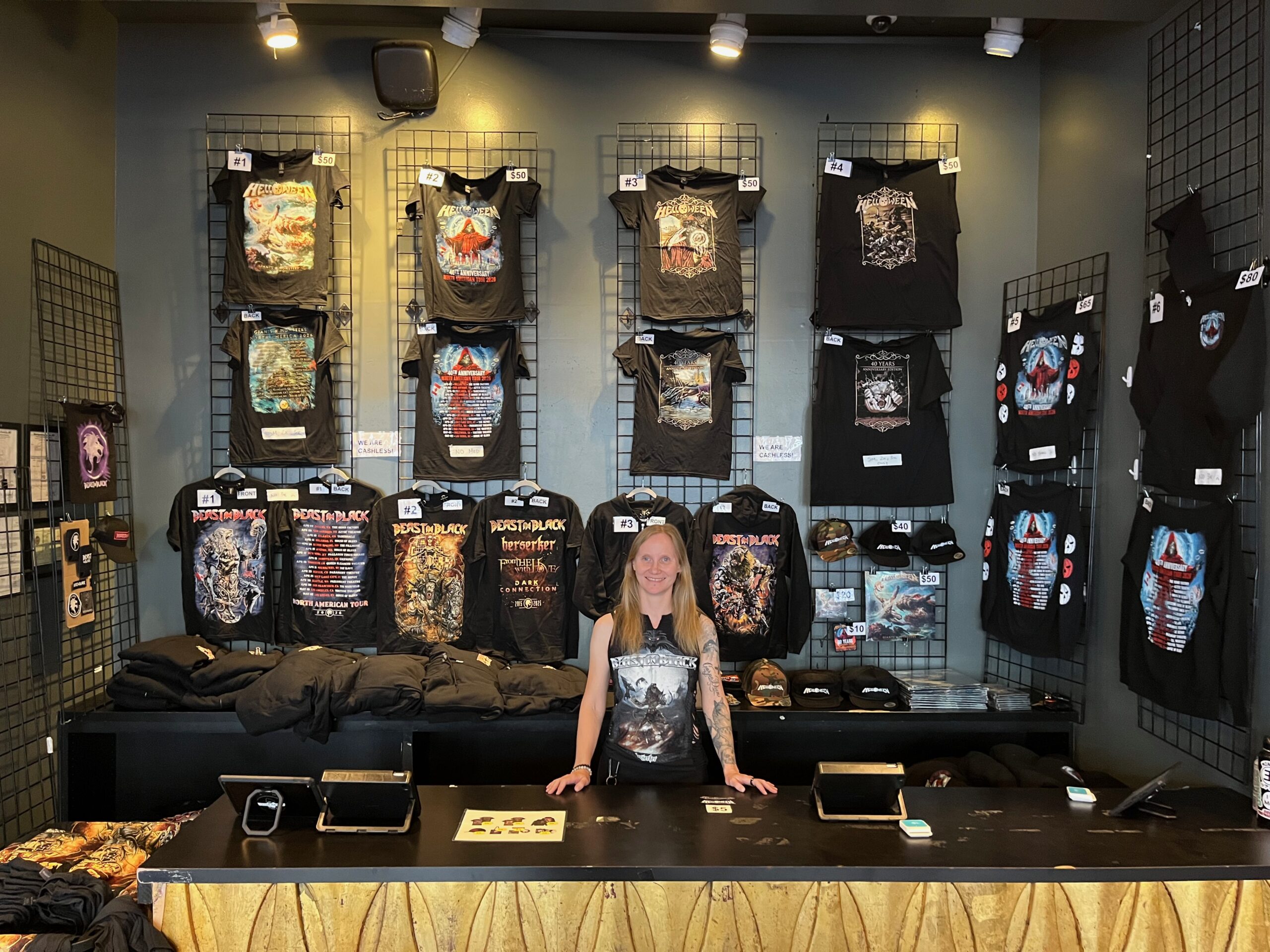
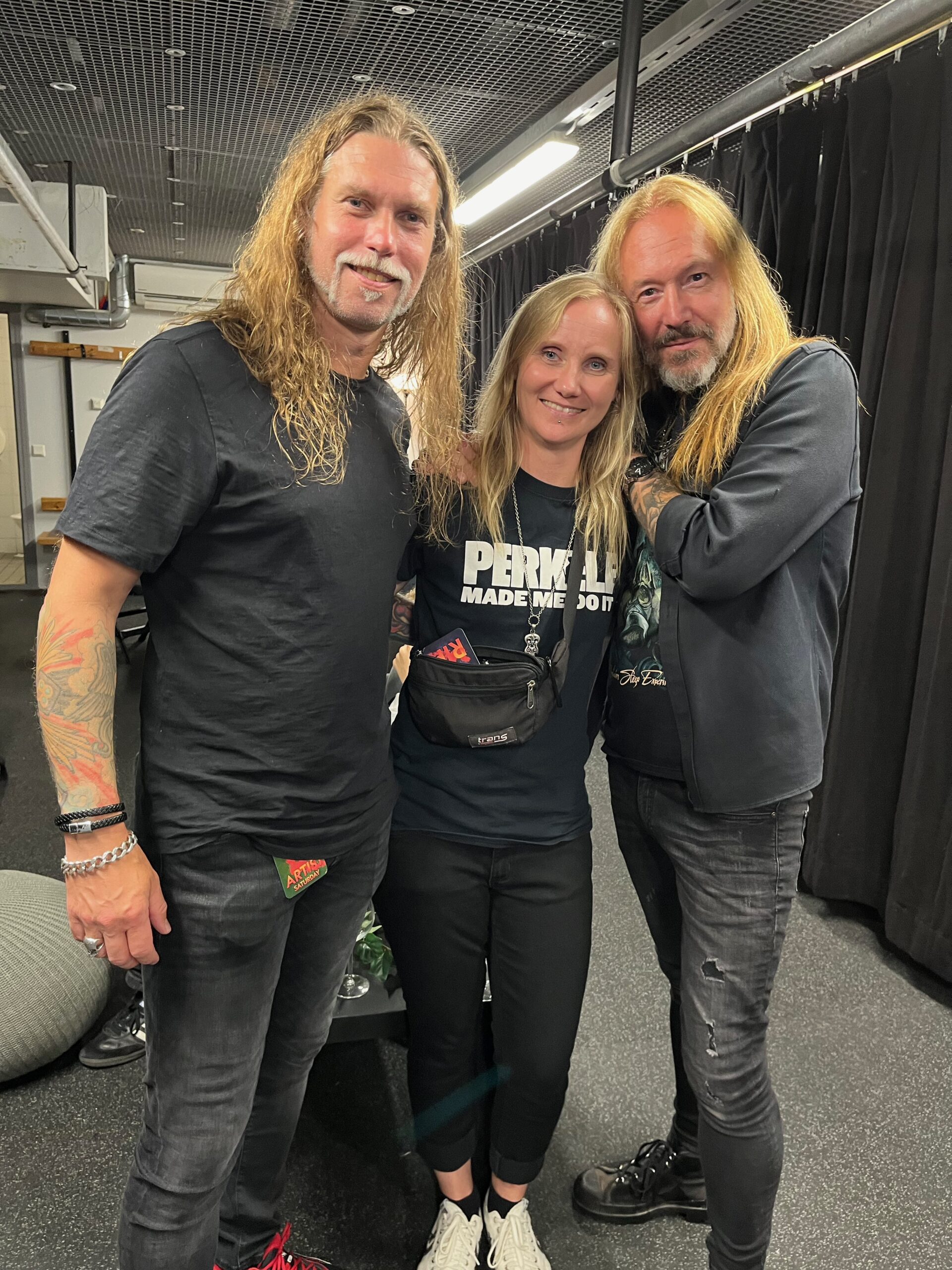
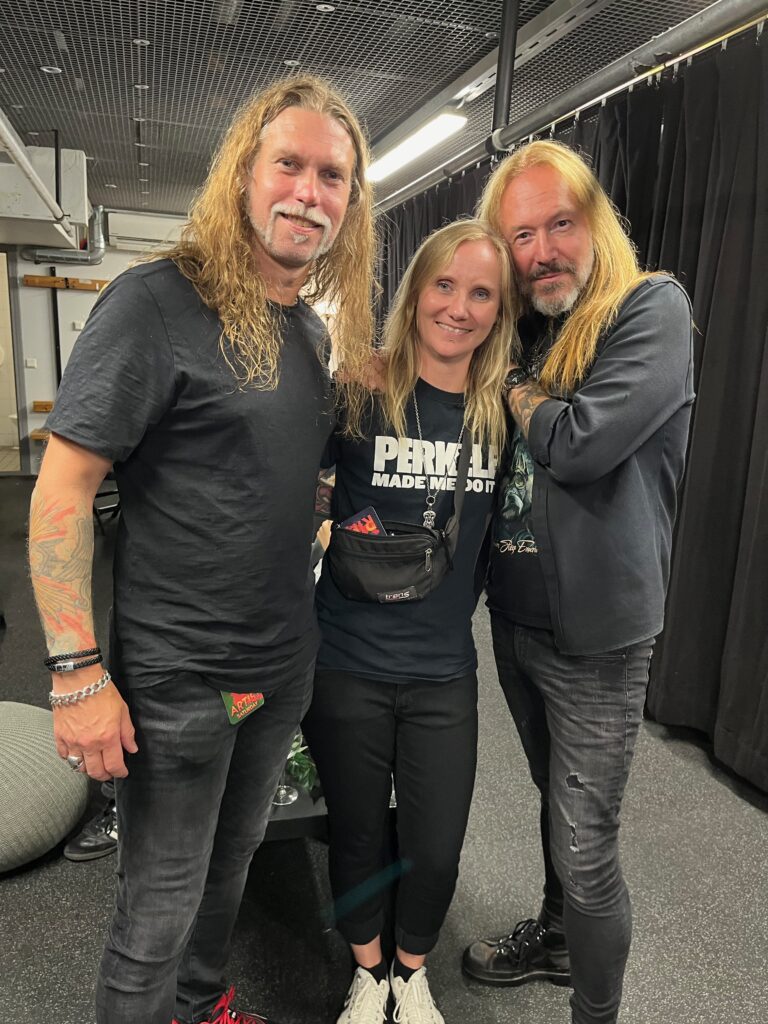
Another example is from my recent tour with Beast In Black, a power metal band from my home country. They were the special guest to a German metal band named Helloween and I worked as their merchandise manager. During the third show, the Helloween merch rep had to leave the tour unexpectedly and I stepped in to wrap up the show for them. Being the only merch rep on that tour now, they asked me if I could help with the next shows until the rep came back and with the permission from my own band, I did. The rep had to leave for the second time shortly after he came back and we decided it would be the easiest for me to manage both bands’ merch for the rest of the tour as I was now familiar with it all. My workload suddenly tripled and it shifted the whole tour experience for me. However, I was happy to help out the headliner because I knew from experience how hard it could be to find a good replacement rep mid-tour or rely on local sellers only. After my actions impressed many people on that tour and some even talked about potential future work, I felt affirmed and respected as a skilled merchandise manager.
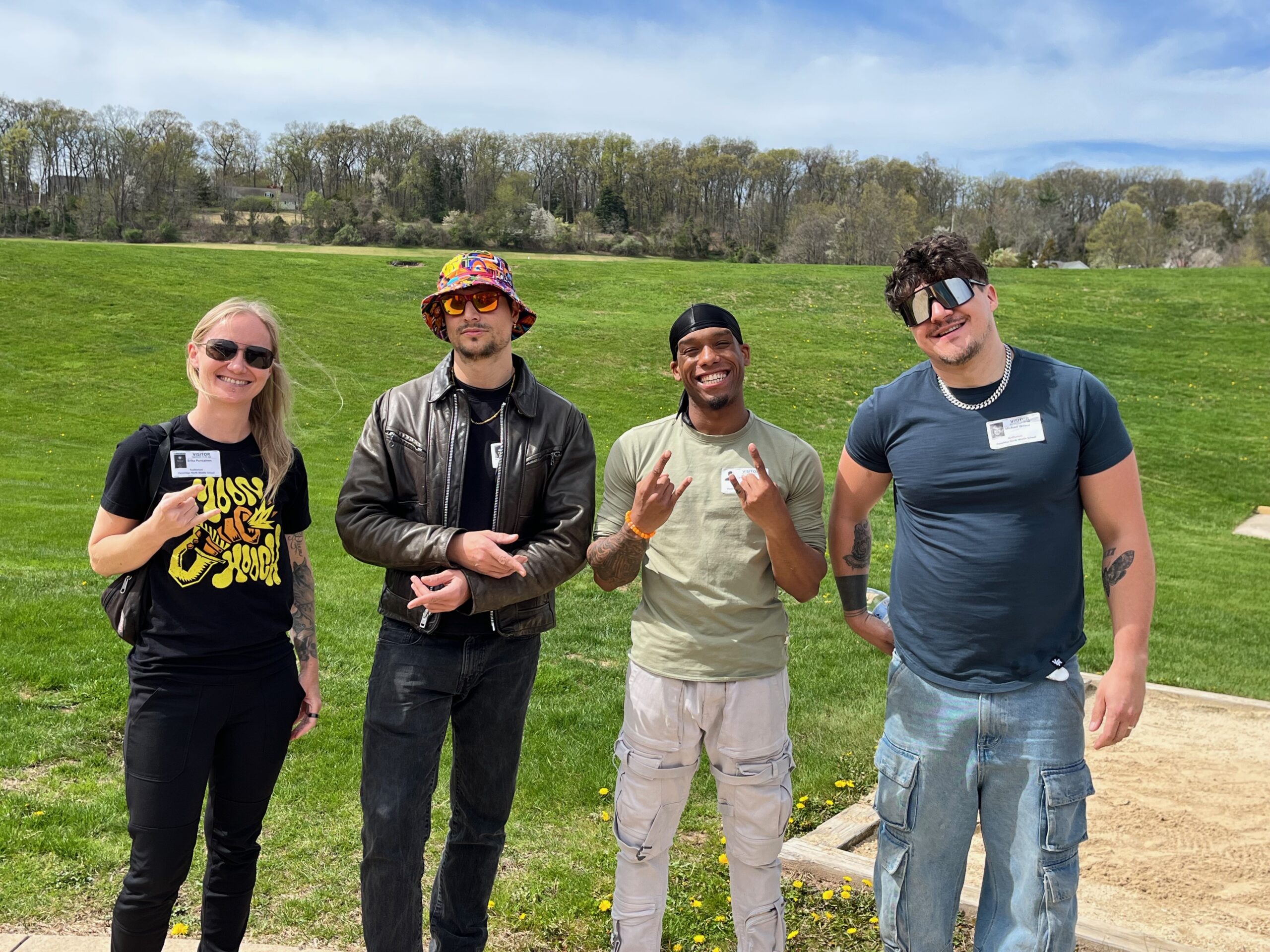
I’ll use my main employer for four years – a horn-percussion band called Moon Hooch – as the last example. Not only did I feel very proud and affirmed as a tour manager when the band continued to hire me to the point where I, as their 22nd tour manager, ended up being their longest serving tour manager of all time by far, but also how they accepted me as part of their tour family. I developed a personal relationship with all of the guys and we’re still in regular contact after the band started a break from touring. Usually, bands have very structured shows to keep the integrity of the show throughout the tour. What started as almost a joke related to the band’s environmental efforts to raise funds and plant trees around the country, suddenly had me involved as a part of their show. I ended up performing a poem I wrote in Finnish on stage every night to an American audience. This is at the same time the most ridiculous and meaningful thing I’ve asked to do as a tour manager and makes me feel affirmed about my personal skills on the road.
All of these examples also show the importance of pulling together as a team. If you see someone struggle and you are able to help, do it! And remember to have fun in the process.