Empowering the Next Generation of Women in Audio

Join Us

Why are Spaces for Women in Audio Important

I’m a 26-year-old woman in San Francisco. I have an intense love and passion for all things music and audio-related. I think with age (and society convincing us we’re old), my sense of confidence and community as an artist has definitely grown smaller. It has been really hard finding a safe space as a woman in music. I constantly find myself longing for more hands-on experience in a studio setting, with musicians and mentors.

I come from a technical theatre background, where I focused on Stage Management, and soon developed a further love of Audio Engineering. The joy of setting up sound plots, creating audio cues from scratch, and mixing a show live is like no other. From a young age, I have always wanted to produce my own music.

I “played it safe” and chose technical theatre as my major when starting my college career, because I honestly didn’t see a place for myself onstage, despite wanting it so badly. I spent so long believing I couldn’t do it, so I simply didn’t. I have only just recently sought out safe spaces to create music and discover myself as an artist these past few years. Finding internships, online groups, and community-building workshops has been my saving grace. It truly is the hands-on experiences that help shape us and further our skill sets as artists.

Since finding SoundGirls, I am so inspired and moved that there are spaces for people like me. Seeing other women working in music is a life-saving level of importance that I feel others may not realize. It teaches young women that they too can feel confident in doing what they love, despite what others may say, and to bet on themselves from a young age. It is important to protect this for women now, and in the future. Seeing a woman audio engineer at 19 is what pushed me to believe in taking the next steps for myself, and I too hope I can be that for someone else one day. Everyone wants somewhere to express themselves and their art; that is only human. In my opinion, it is the essence of being human.

Below are some communities I have found to help me on my journey:

SoundGirls

Women’s Audio Mission

GRRLS CLUB

Women In Music

Women That Rock

Daisy Rock Guitars

Women in Vinyl

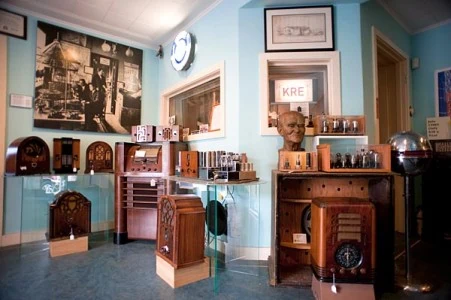
SoundGirls Bay Area Chapter Event Tour the California Historical Radio Society (CHRS)

Date: Wednesday, August 19
Time: 1:00 PM
Location: California Historical Radio Society – 2152 Central Ave on Alameda Island in the San Francisco Bay

Join the SoundGirls Bay Area Chapter for a special behind-the-scenes tour of the California Historical Radio Society (CHRS) and Radio Central!

The California Historical Radio Society is a nonprofit organization dedicated to preserving and sharing the history of radio, broadcasting, and wireless communication. Housed in the historic Radio Central building in Alameda, the museum features an incredible collection of vintage radios, early broadcasting equipment, a fully operational amateur radio station, restoration workshop, Bay Area Radio Museum & Hall of Fame, historic recording and broadcasting studios, and exhibits tracing the evolution of communication technology from the earliest wireless experiments to today’s digital world. Guided by passionate volunteers, CHRS offers an engaging look at the innovations and pioneers that shaped the audio industry we know today.

This is a wonderful opportunity to explore the rich history of broadcasting and audio technology while connecting with fellow SoundGirls members and audio enthusiasts.

After the tour, we’ll head over for a late lunch or drinks at The Star on Park, located at 1400 Park Street, Alameda, CA 94501. Known for its Chicago-style deep dish and thin-crust pizzas, craft beer, cocktails, and relaxed atmosphere, it’s the perfect place to continue the conversation and get to know one another.

We hope you’ll join us for an afternoon of history, networking, and great food!

Please RSVP Here

MWTM in Paris – My personal Experience 

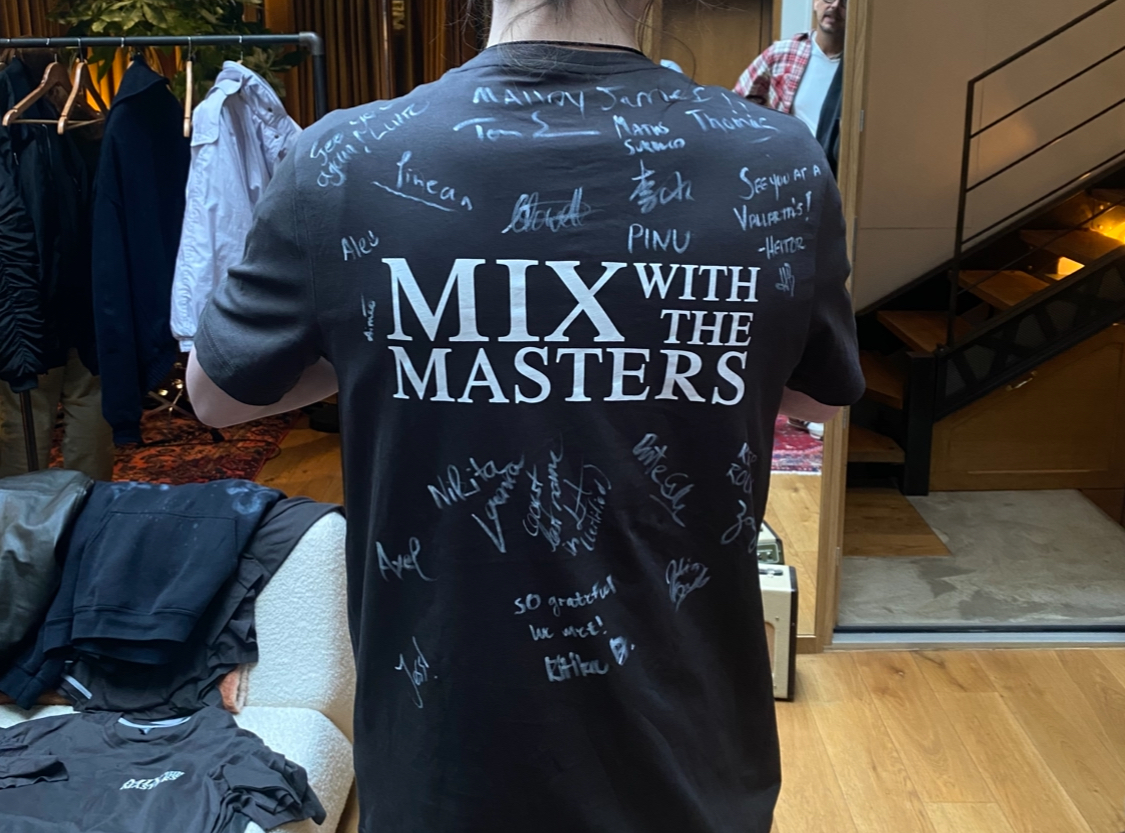
A cool but inviting morning in the 20th Arrondissement in the center of Paris at 9:45 in April. I strolled through a small park with beautiful flowers trying to identify them one by one. An unsuccessful way to distract myself from my first day at Mix with the Masters at the legendary Rue Boyer. I was nervous. Before I went to Paris, I went full type A, scouring reviews online to evaluate whether my student budget could afford a costly trip to the city of love to meet and learn from one of my favorite mixers – Jon Castelli. There isn’t much published about these studio sessions offered by MTWM – they’re intentionally kept quite private – but I managed to find a few positive things said. And after receiving the scholarship offer based on the projects I submitted, I knew I had to go. I want to be as transparent as possible about my experience in Paris as I wish someone else would have done the same for me.

People 

It took only the first few conversations in the front lounge of the Rue Boyer studio to know that I was surrounded by some of the coolest people I’ve ever met. Mixing engineers, producers, artists from all around the world. New York. Beijing. Zurich. Berlin. It was truly an international outing of creators from everywhere. A multi-cultural mingling if you will. Honestly, I was very intimidated at first. Everyone seemed further into their career than I thought I’d ever be. To be fair, they are older than I am. I was the youngest one there at 19 and a half. I’d consider the average age to be around thirty – there were a couple of people in their early twenties but also some well into their forties. So with both age groups and cultures, there was a little bit of everything.

What I failed to consider at first is that especially in creative spaces, things like age, gender, level of success aren’t as important as you’d think. Small, independent artists as well as Grammy voters (both participants in Jon’s session) were in the same room and co-existed as motivated peers. Both with Jon himself, and all other wonderful artists I shared this week with, I did not feel much judgement at all. We were all kind of weird. And it was amazing! The end of that week in Paris sort of felt like that legendary class trip you weren’t ready to say goodbye to. We all went to a bar near the studio, drank to the success of the week, and shared our favorite memories before we each parted to different parts around the globe. While I’ve seen many people (rightfully so), praising the educational aspect of these MWTM sessions, I can’t help but highlight the social factor.

Places 

As a European, I have been to Paris before, but only once, so I’ve only discovered the rather touristy places. I decided to take a hotel room in a relatively cheap but well-accommodated (compared to tourist hot spots) hotel near the studio and I was taken by surprise by the lovely atmosphere of this part of the city. Less crowds. Less scams. Less of everything. I enjoyed every part of it. The 20th district is the most perfect contrast to everything near the Eiffel tower. As someone who was convinced she would not return to Paris after my first trip, I was gladly proven wrong.

While Paris in itself was great, I was there to learn and to mingle with fellow musicians. And the Rue Boyer studio was the absolute perfect place. Seemingly unnoticeable from the outside, camouflaged as the average narrow Parisian building, the interior boasts beautiful wooden architecture, top-notch musical gear, and visual mementos of previous musicians – namely a Dua Lipa or a Jack Antonoff of sorts – who have worked in the same studios that we had the privilege of being in. Almost instantly, you were enchanted by the interior’s charm. Notably, you will also be welcomed with French coffee and pastries and do have access to those whenever you want – huge plus if you ask me.

Process 

Let’s talk about Jon Castelli. That guy is so cool. I can’t promise you’ll have the same experience as I did if you don’t attend his mixing class but someone elses. Not only because he’s one of the coolest, most down to earth people I’ve ever met, but also because I don’t really have any other comparison (in terms of MWTM). His approach was really interesting. The first two days at MTWM Jon mainly worked on actual mixes he had to do. We sat in Studio A, watching behind him sitting in chairs, while he was fully locked in on his process on a recent song that he’d worked on. We were allowed to ask questions, share opinions, and even propose changes to his current mix. It was like hanging out with friends and being open about our creative decisions. While he mixes, Jon is not much of a talker or a narrator. Which I understand. Sometimes, when decisions, tweaks, or creative changes seem so natural to you, it’s hard to pinpoint a definitive why, when, or how to other people. You just feel it instinctively. However, we would still discuss things retrospectively and like I said, he was fully fine with us interrupting his mixing to ask some questions about his methods.

While he worked on current projects, he also flipped through his past records – an amazingly renowned catalogue by the way – opening sessions like Birds of a Feather by Billie Eilish, some SZA songs, and etc… While that was also pretty exciting, I mostly appreciated following his current work as you could learn the most about his process. One thing we as a group noticed early on is that he is extremely decisive and direct in his decision-making. He’d work on a mix for 1, maybe 2 hours and send it to his client waiting for a response. Most of our group could not relate to this, partly because of self-doubt, imposters syndrome, you name it. We asked Jon about it, and he said in this industry you need to be confident, because if you’re not confident about your own work, then your client won’t be either (or something along those lines). He did admit that until some years ago he struggled with truly liking his finished mixes – perfectionism will do that to you – but I think we can all relate to that.

The other half of the week, we listened to each of the projects that we submitted to MWTM individually and Jon went through them all. He tweaked things, gave us feedback, cried, laughed, and talked about being able to predict what our songs would sound like. It was very very fun. I remember everyone being pretty nervous before each of our tracks got played to the group, but we all ended up appreciating eachother’s work. It was exactly as it should be. Also as a sidenote: you will get the stems that Jon worked on in class back via email.

Privacy 

A very important factor to consider is, if you are on the content creation side of the industry, you will be disappointed. Rue Boyer is considered a safe space, whether you’re a Grammy-winning artist or an independent mixer starting out, privacy is of utmost priority at Rue Boyer, and it is guaranteed for every client. This includes a very well executed no-phone policy for all MWTM guests. You may not bring any phones, recording devices, or other electronic material into Studio A or B to prevent sensitive information from getting out, to ensure the utmost comfort for the presenting mixer, and to cater to the exclusive image of the studio itself. Not to worry though: the last day of the MWTM period serves as the photo taking session where you can take photos both in the studio and with the mixer (most likely, not sure if everyone is as cool with it as Jon is but I’d reckon so). There are also professional photographers during the whole week that snap pictures of the sessions and send them out later on post-editing. So not to worry: You will get some cool photos either way.

Profit & Perspective 

All jokes aside, as cool as MWTM is, it comes with a cost. I was lucky enough to get a 50% scholarship, and paid “only” 1600 euros for a 5 day week excluding expenses like food, traveling, and accommodation (although there are also a few accommodation scholarships given out by the studio). I want to be transparent with finances as I have rarely seen people talk about this aspect online. I don’t consider myself a mixer, but more of an artist and producer, so some of the information was maybe not as relevant to me as it was to others, so when evaluating whether this experience is “worth it” for you, depends also on your own goals. Like I mentioned earlier, the human connections I made in this experience almost carry the same value of what I’ve learned from Jon Castelli. But surely, some of my mixer friends would disagree and value Jon’s information much more highly (understandably).

Also, whether it’s worth it honestly depends on your budget. I had a bit of money saved up so I was able to afford it myself, and I don’t pay for my own rent yet as I’m a student. This isn’t the case for everyone, so I hope people consider that as well. Also, as an artist, I do think about what good that money could’ve done spending it on a really good mixer polishing my track, and whether that could have made a bigger difference than me going to Paris. But honestly every decision comes with an opportunity cost, so it really depends on your perspective and current priorities. In all honesty, MWTM masterclasses don’t disappear, and there’s no age maximum, or anything like that.

All in all, there’s no expiration date on an opportunity like this. If money and time are not working in your favour right now, don’t do it (yet). If you comfortably have the money to spare and want to learn more as a mixer and meet others in the same professional craft, absolutely go for it. No doubt about it.

Why Listeners Stay

The Psychology Behind the First 30 Seconds of a Song

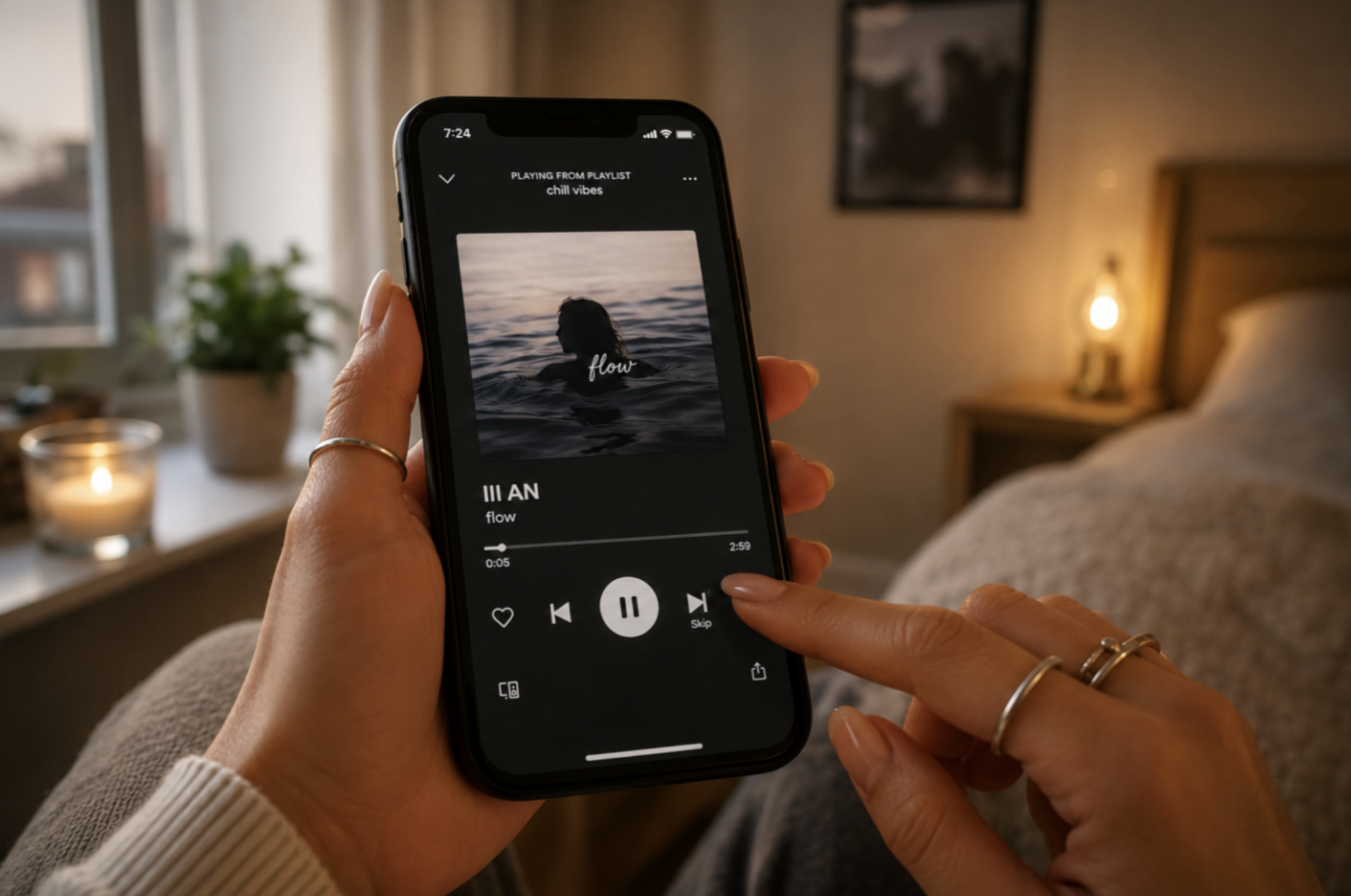
Have you ever skipped a song within the first five seconds?

Think about it: You are searching for music, and nothing is clicking, and by the moment you thought you’d finally found something, your mind says, “nah, I will skip this one, too”.

Like that, you fall into an endless loop trying to connect with one record that truly resonates with you. You might ask, why do I do that? Or from an artist’s perspective, why won’t listeners even give my music a chance?

It feels so frustrating to watch them skip away after you’ve poured your whole soul into a track, only to be rejected in seconds, and the wildest part is that the reason for this behavior is rooted in the most overlooked, unsuspicious, and silent realm, which is our human biology.

Our brain is an organ designed to maximize our physical energy, and it guards its resources as its most precious and limited currency. It blocks anything from our radar that could potentially waste it, so when a song is being played, our mind rapidly judges its content to decide whether it’s a good “investment” of energy or not.

As an artist, you need to architect your musical hooks in such a compelling manner to trigger the brain’s reward system: the mesolimbic dopamine pathway. It is well known that up to 25% of listeners skip a song within the first 5 seconds, and nearly 38% skip before the half-minute mark.

Can you imagine how many amazing singles have been ignored simply because their intros didn’t grab enough attention?

On the other hand, the good news is that audiences who make it past the halfway point are far more likely to finish the song, save it, add it to their playlist, or share it with a friend.

So, to quickly engage them, your records should evoke strong pleasant emotions that connect them immediately and keep them listening to the full track. To do this, you just have to use your magic to:

For you, this means that in the first moments of a song, you must captivate your listeners deeply and generate as much neurological pleasure as you can in their brains, so they don’t think of hitting the skip button or searching for another option.

That is why the first 30 seconds of a track have become such a unique meeting point between technology and audience psychology. If you want to stop being skipped, optimizing for the half-minute mark is the way to go.

As you can see, this chemical craving doesn’t just keep streamers hooked; it also directly contributes to the platform’s algorithm.

If you learn how to design your art biologically, you will be on the right path to making your masterpieces visible to new people, and by using the system to your benefit, you ensure your creations get the exposure they deserve.

All you need to remember is that the main trigger button in your potential followers is in the contrast opening that keeps their minds alert, surprised, and invested in what is happening or about to happen.

By understanding how the brain decides whether to give your music a chance, you already have a solid blueprint for engaging audiences, and by mastering this, you can turn casual browsers into lifelong fans that will help you grow in your career.

So, how are you going to engage your listeners within those opening moments?

Shadow Sean Peel on the King’s X Tour

SoundGirls is excited to offer members a unique opportunity to shadow veteran Front of House, Monitor Engineer, Stage Manager, and Production Manager Sean Peel during select dates on the upcoming King’s X tour.

Sean has generously offered to host one or two SoundGirls members at each of the following Northeast shows. Participants will spend the day observing Sean’s workflow from load-in and system setup through soundcheck and showtime, gaining firsthand insight into what it takes to mix and manage a professional touring production.

This is an observational learning experience designed for members who are interested in pursuing a career in live sound. Throughout the day, you’ll see how a touring engineer prepares for a show, works with the production team, manages technical challenges, and delivers a successful performance.

Who can apply:

Available Dates:

Additional opportunities for October, November, and December will be announced soon.

Space is limited to one or two members per show, so interested applicants are encouraged to sign up early.

Apply Here

A huge thank you to Sean Peel for making this opportunity available to the SoundGirls community and for investing in the next generation of live sound professionals.

Sean Peel has more than 30 years of experience as a Front of House and Monitor Engineer, along with 22 years as a Stage Manager and 20 years as a Production Manager. Throughout his career, he has worked across touring, live events, television, and promotional productions, bringing extensive technical expertise and production leadership to every project.

Build Your Festival Skills with SoundGirls & Know Other Festival

We’re excited to announce that SoundGirls is partnering with Know Other Festival to provide a unique hands-on training opportunity for our members!

Know Other Festival is a four-day camping festival in Joshua Tree celebrating healing, creativity, music, and community for LGBTQ+ women, trans, non-binary, and gender-expansive people. The festival is entirely volunteer-powered, creating an incredible environment to learn while giving back.

Joshua Tree 2027 – April 15-18, 2027

Next year, SoundGirls will be staffing the festival’s stages with volunteer interns and audio technicians, giving participants real-world experience working alongside experienced professionals in a live festival environment.

Leading up to the festival, SoundGirls and Xaina Lerner will conduct a series of training sessions covering the fundamentals of festival audio production, including stage operations, changeovers, communication, troubleshooting, and what it takes to keep multiple stages running smoothly. These trainings will take place in The Bay Area and Southern California. Whether you’re looking to gain your first festival experience or build on your existing live sound skills, this is an incredible opportunity to learn by doing.

As a volunteer, you’ll receive:
• Hands-on training before the festival
• Real-world experience working festival production
• Tent camping for the weekend
• Meals provided throughout the festival
• The opportunity to work alongside an amazing production team while supporting an incredible community event

If you’ve ever wanted to learn what it takes to run production for a multi-day festival, this is your chance!

You can apply as a volunteer intern here

Strike the Match – Start Your Song

In songwriting, or any creative pursuit, a lot of people like to talk about “the muse” and whether she might appear to fuel your work. It’s important to be “ready” for her arrival otherwise you might miss your opportunity to receive your million-dollar idea or your hit song. And it’s fun to be visited by the muse too, that magical moment when you can’t fully explain how something materialized.

But in my experience, the muse never comes randomly.

My experience is that she is summoned through intentional exploration. And creative work is born from everyday curiosity.

Most of my songs didn’t just come out of thin air; they were crafted from specific actions I took, noticing and building from an initial “spark”–a word, a riff, a journal entry–and giving it a chance to fire up and develop into something bigger. I’d love to share some of the ways I’ve done this, time and time again.

To embrace this idea, you will have to be willing to strike the match yourself to start a song. But don’t worry–you don’t have to have it all figured out before you even begin. Rather than putting so much pressure on yourself to catch great ideas from “the muse,” it’s better to develop methods that result in a flow of inspiration so that you can consistently generate ideas and then cherry-pick your best ones.

This process is about making inspiration more readily available by developing habits that jumpstart your creativity. When you learn to nurture your creative space and enable a stream of varied inspiration, you will have a kindling fire of ideas to pull from.

An initial spark doesn’t need to be a fully fleshed out song, melody, lyric, or demo track. You just need something small enough that it doesn’t take a lot of work to create, but distinct enough that it feels unique and you can build upon it more. Below are some example tactics that can result in starting points for your song:

Music

Words

Life Experiences

These are just a few potential ideas, but this list could go on forever. I actually encourage you to take note of your own list, and then continue to add more tactics as you discover them. It may also be helpful to reflect on songs you’ve already written to dissect what tactics were used on them, but it’s also important to try adding new ones to your toolkit. It might feel weird to think about writing in a new way–a lot of people have a default, comfortable way they start songs–but I challenge you to try another tactic because you might be pleasantly surprised at how your writing changes when you change the starting point.

For example, I used to always start with lyrics and make up the melody against the natural cadence of the words…but over time I started writing more to tracks or instrumentals that other producer-writers sent me. I’ve found I really enjoy that starting point now because it takes me out of my head and I can write more with melodic instincts. The more potential ways you have to begin, the less you’ll depend on waiting for inspiration to strike.

Once you settle on some tactics to work with I recommend that you set aside some time to strike your match and workshop them. Time spent can be a short window as the goal is not to then write your whole song yet, it’s to create the spark. I’ll give you an example of how this can go:

Let’s say you found a word or phrase you find interesting. That in itself might be enough of a spark, but if not you can push on it:

This exact process has resulted in some of my favorite songs. For example, my song Comfortable started from a word and accompanying idea – the idea of a girlfriend wearing her boyfriend’s “knee long socks” that she’s adopted as her own; I liked the intimate idea of sharing clothes when you’re comfortable enough in a relationship. I didn’t write this song overnight, but I loved the notion of couples sharing clothes and the sock idea was a spark that was interesting enough to develop into a free-write that eventually became the song lyrics.

While I’m happy to share this anecdote, it’s important to note that your spark ideation exercises should be viewed as exercises with no expectations. And luckily if you’ve only taken 20-30 minutes to ideate you haven’t invested too much time into that developing spark yet, so you likely won’t have any strings attached to the idea–you can easily do another exercise tomorrow and come up with a new spark. By making a habit of quick ideation, the ideas you come up with won’t feel too precious, and that’s a good thing.

Imagine, if you created a spark every day, or even a few times a week. Once you have a handful of sparks to work with, you can really see which ones are more worthwhile and interesting, and make a more informed decision to develop those ones more. Once you have a truly good idea, you’ll be surprised how easy it is to get to a verse / chorus.

At some point you may feel like you want to log/develop every spark you come up with. Don’t do this. Remind yourself – When photographers do a photo-shoot do they forcibly publish every photo they took? No. A majority are warm up/test photos and most of them are trash. When you see a beautiful gallery of 35 photos, it’s guaranteed that the original lot taken was significantly larger. This is because photographers go for volume and let the good stuff rise to the top through good taste, discernment, and savvy editing.

As long as you commit to having some regular writing/creative time in your weekly schedule and set part of that time to review ideas, you’ll be well on your way. I like to look back at previous sparks a few times a month. I find it more helpful to have some distance between me and an idea before committing to it because I know if it’s truly good I’ll be excited about it later too.

And what a good feeling it is–knowing you can strike your own match and not have to wait for the muse–instead of hoping for inspiration you can cultivate ideas from everyday curiosity and give them space to ignite. Happy writing!

NPR Journalism Guide & Filtering the Noise

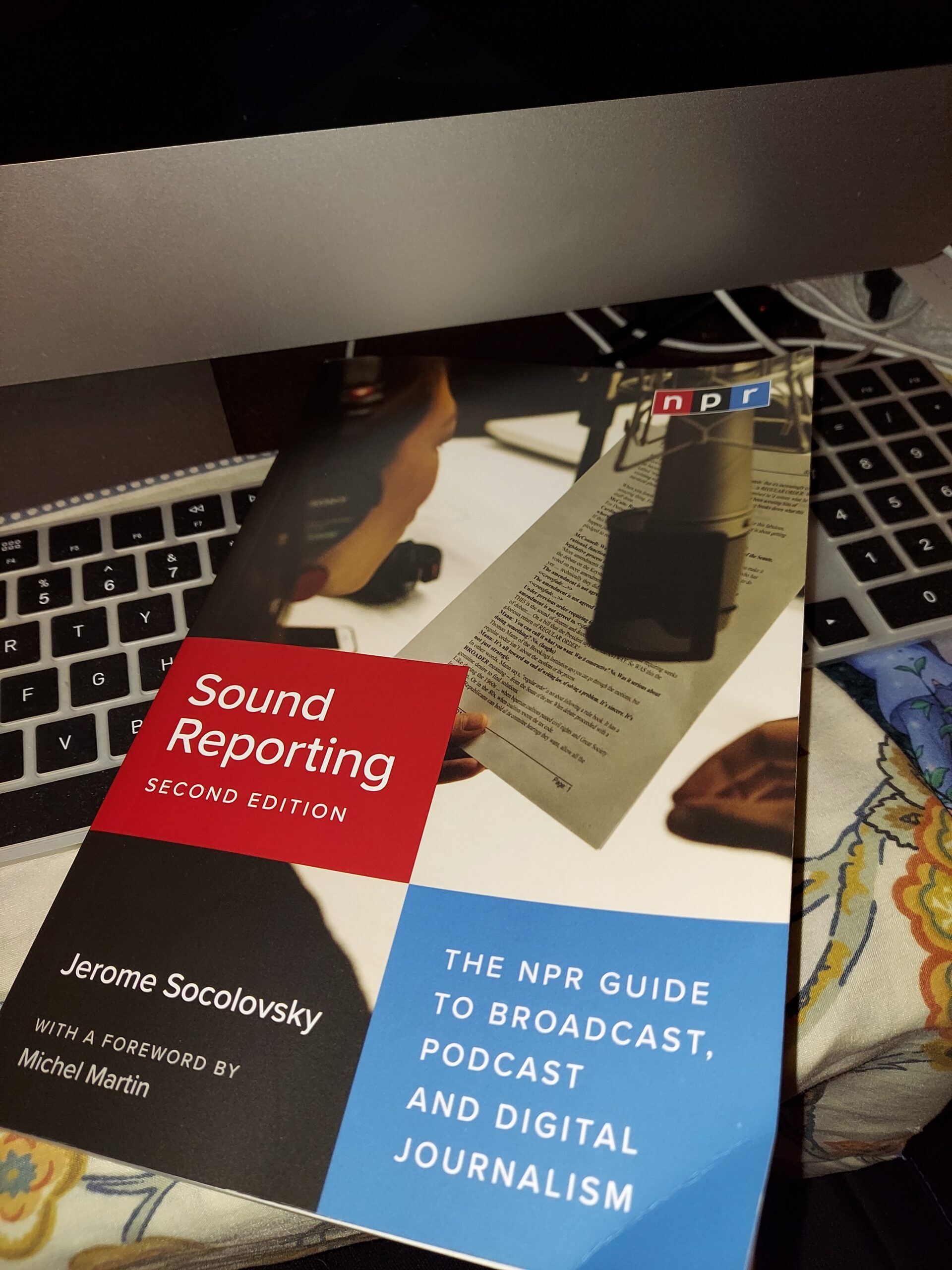
About a year ago I saw a slick poster for a film adaptation of a book I was excited about.  I shared the post without a second thought, but then I went to look up the details, nothing.  I went back to the original post and found an AI content farm.  I was embarrassed, I thought I was savvy to the AI tells and I was even teaching students about basic AI ethics.  However, AI is getting better at tricking us and that won’t be the last time that I see something that sneaks past my internal “Turing Test.”  (A test in which the computer “passes” if it is indistinguishable from a human respondent named after famed computer scientist Alan Turing.). If I can fall for a fake industry poster, then my peers could too, and that matters when movie announcements means jobs.  How can we filter through the noise of bot postings and bad actors to get to the real human communication?  The answer is to think like a journalist.  I turned to the Sound Reporting: The NPR Guide to Broadcast and Digital Journalism by Jerome Socolovsky and News Literacy Project for the intel.

Originally intended as an internal publication for new journalists, Sound Reporting is a treasure trove of advice for any non-fiction media creator.  It covers everything from pitching a story, to podcasting, to crafting a story from gathered tape.  In this second edition it adds a section on Safety and situational awareness.   Sound Reporting begins in the ethos behind NPR (National Public Radio).  In that first chapter, Socolovsky highlights accuracy, credibility, impartiality, and transparency.  These words are not redundant, their nuances highlight NPR’s dedication to reporting facts.  Because NPR publicly states their redactions and potential biases, I know I can trust the information I was given.  News Literacy Project affirms this philosophy with their seven standards of quality journalism: multiple credible sources, avoidance of bias, documentation, verification, balance, context, and fairness.  “Multiple credible sources” sounds a lot like my previous articles on editing Wikipedia.  Credibility is something that AI can mimic, but not truly replicate.

Screening sources is the biggest defense against AI.  Click the link and see where the post came from.  Is it trustworthy?  What does this new site reference?  Consider looking at the “About Page” for admissions of bias or agendas.  Think about what the original poster has to gain about posting.  It might be content engagement (aka “pay for clicks”) or it might be influencing you in other ways.  Consider what emotions the post evokes, and be aware of posts causing strong emotions.  Instead of acting on those emotions and sharing immediately, do a quick search.  See what more familiar channels are saying about the same topic.  If more information is missing, that is a red flag.

News Literacy Project identifies five types of misinformation: stolen satire, false context, imposter content, fabricated content, and manipulated content.  Stolen satire is when the original comedic post is stripped of context and reposted as fact.  It is related to false context, where the post may be authentic but is reposted with alternate captions or articles suggesting the wrong narrative.  Manipulated content alters existing posts and media, while fabricated is created from scratch.  Imposter content imitates celebrities and other trusted sources to create posts either by branding or impersonating.  Double check your feed for any of these nefarious beasties.

Curiosity, skepticism, and tenacity are features of a good reporter according to Sound Reporting.   Good reporters also protect themselves from misinformation.  They look for numbers and information they can verify, avoiding words like “best” or “most.”  Pay attention to what is being posted on your feed.  Look at where the posts are coming from:  what are the sources, what is their agenda?  Pause after the initial reaction and do your research.  Avoid acting from your emotions first.  Think like a reporter, and stay safe SoundGirls.

Helen Caddes: Finding Her Voice on Both Sides of the Glass

For Helen Caddes, music was never simply a hobby—it was the language of her upbringing. Raised in a creative household by a filmmaker father and a poet and visual artist mother, she was immersed in art, storytelling, and music from the very beginning. By age three, she was recording sounds on a handheld cassette recorder and playing a green upright piano gifted by family friend and renowned musician David Lindley. Long before she considered audio as a career, she was already documenting the world around her through sound.

Although Helen spent her life writing songs, performing, and playing music, it wasn’t until she was 28 and recording her first album in a Nashville studio that she discovered the creative possibilities of audio engineering. Watching the engineers shape the music from the other side of the glass revealed a new artistic path, one where technical decisions could be just as expressive and impactful as songwriting and performance.

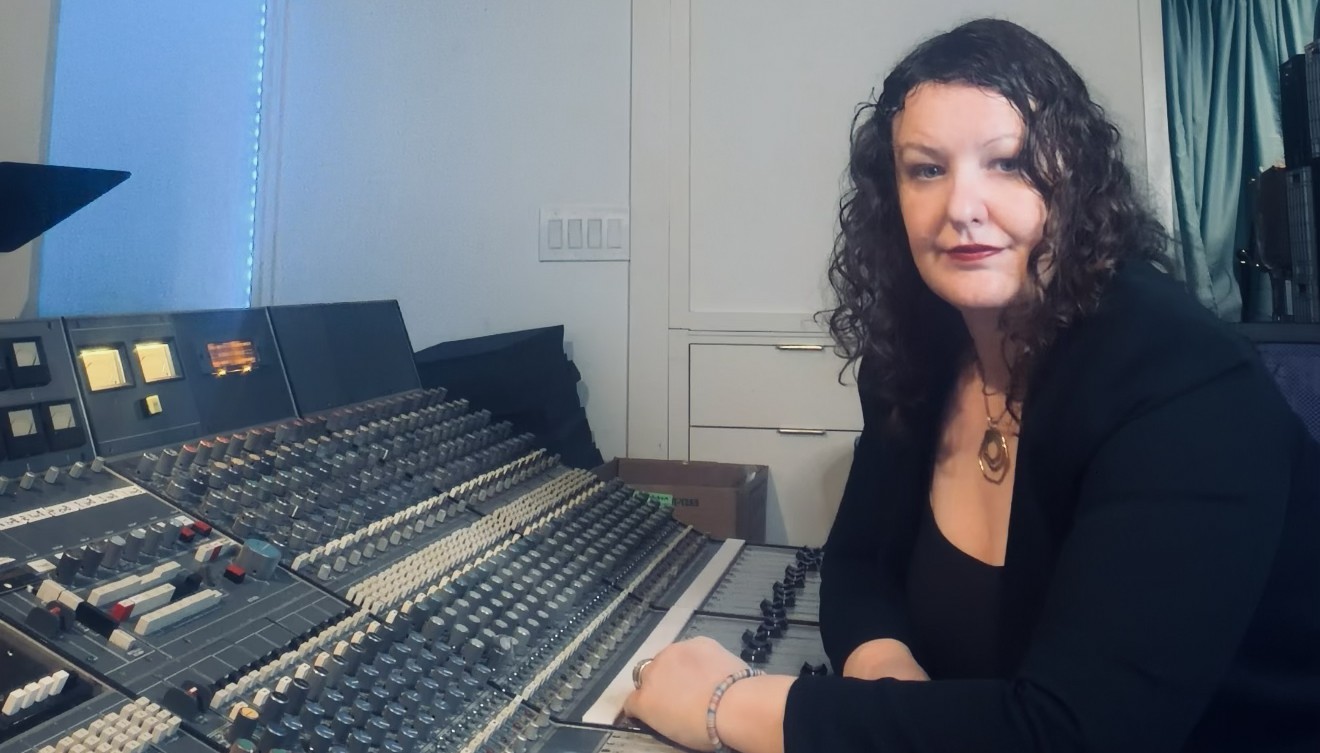
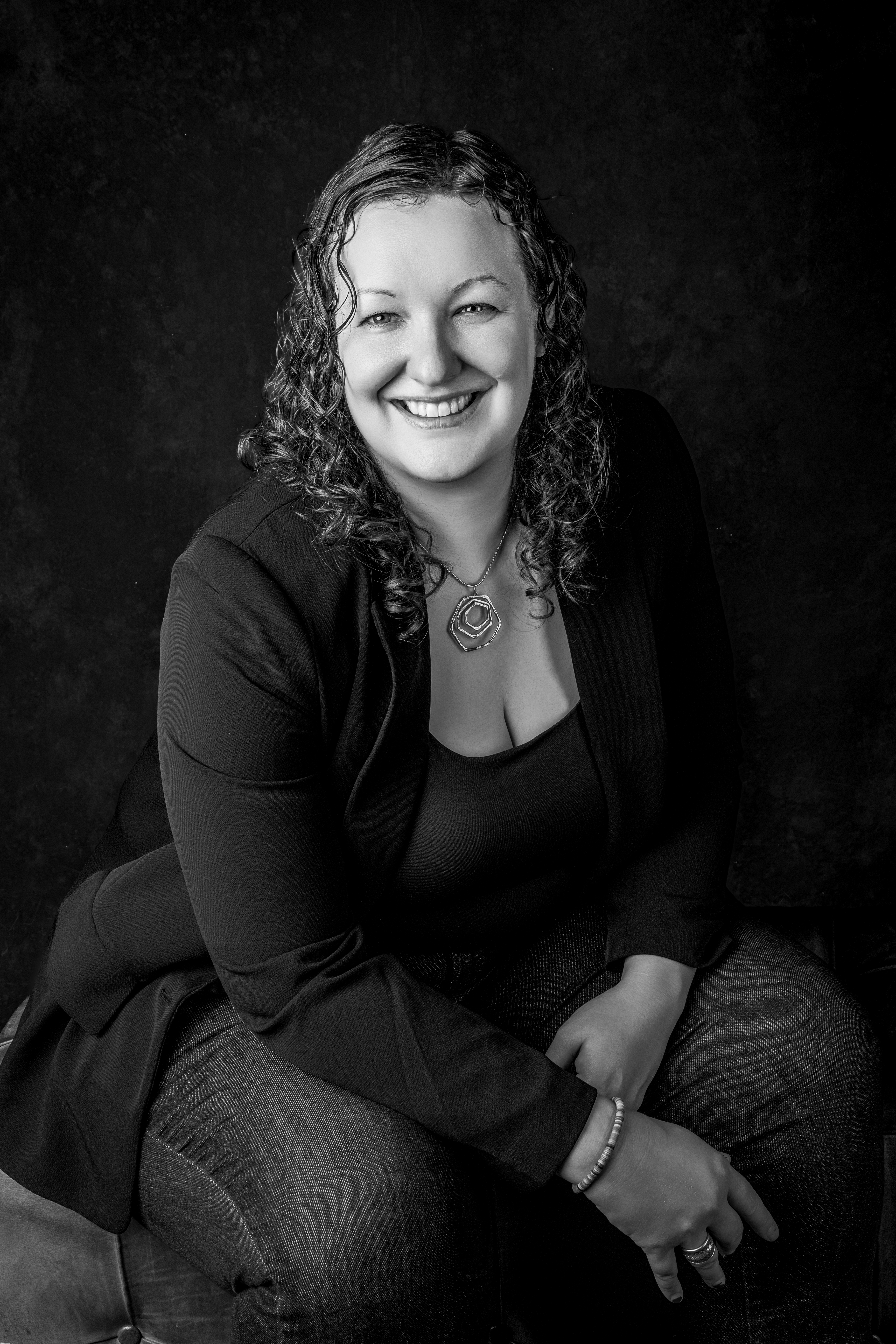
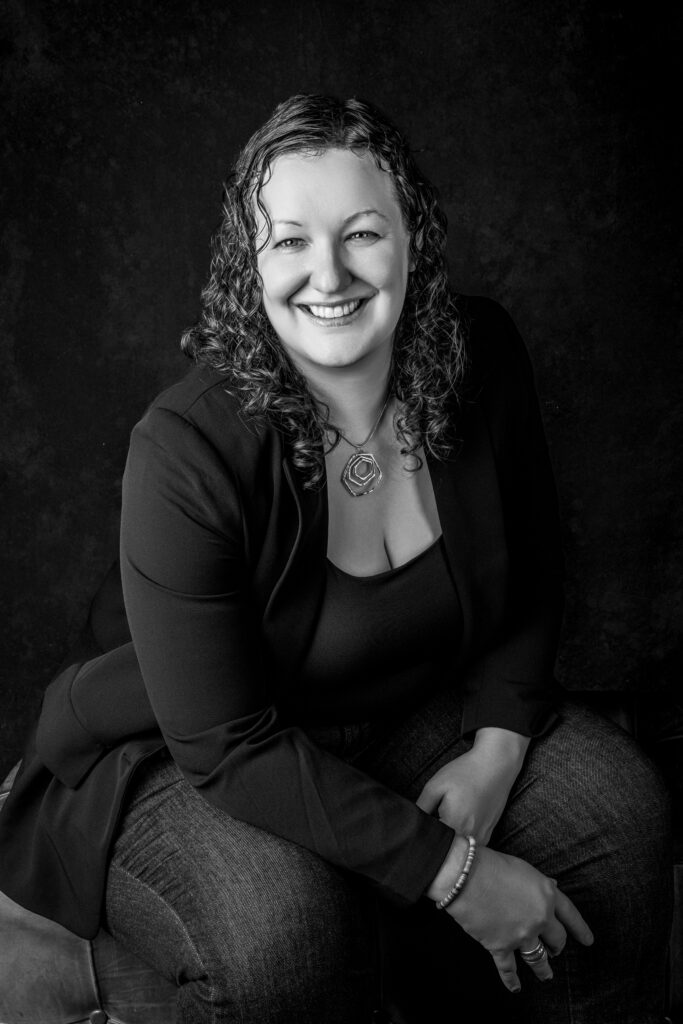
Today, Helen serves as Chief Engineer and Studio Manager at Leftway Studios in Austin, Texas, where she combines her passion for music, technology, and artist development. Her journey into professional audio has been anything but conventional. Before entering the studio full-time, she built careers in political organizing, digital strategy, brand development, and advocacy. Those experiences taught her how to think critically, communicate clearly, and remain steady under pressure—skills that now serve her daily in the studio.

A lifelong musician, Helen’s foundation includes vocal performance training, guitar, bass, violin, and songwriting. Her formal education spans communications, film, photography, political science, women’s studies, and music business technology. She recently completed a Technical Certificate in Music Business and Technology, studying under Grammy Award-winning engineer Ken Johnston. Yet some of her most valuable lessons came outside the classroom, building tube amplifiers, learning to solder by hand, and spending countless hours refining her craft through hands-on experience.

Helen’s approach to audio is rooted in curiosity, service, and creative collaboration. She credits a community of mentors and colleagues for helping shape her career, including trailblazing engineer Lenise Bent, mastering engineer Pete Doell, and numerous women and industry professionals whose guidance and friendship continue to inspire her work.

As someone who never saw women working professionally in audio while growing up, Helen understands the importance of visibility and representation. Her own path demonstrates that there is no single route into the industry. Whether through music, advocacy, technology, or engineering, every experience can contribute to a unique perspective behind the console.

Today, Helen brings that perspective into every session, helping artists understand not only how records are made, but why creative decisions matter. Through her work as an engineer, producer, and studio manager, she strives to offer artists the same generosity, clarity, and encouragement that first inspired her to step behind the glass and discover a new way of telling stories through sound.
Your Career Today

What does a typical workday look like for you now? 

Leftway Studios was founded six years ago by Lisa McNally, Kate Harrington and Jason Jenkins, whose vision for a serious creative facility in Downtown East Austin is the foundation everything here rests on. I joined them in September 2025 as Chief Engineer and Studio Manager to help execute the vision for the studio’s next chapter, a substantial infrastructure upgrade that will bring the facility’s signal chain, control room, and monitoring environment to a world-class level.

A typical day involves signal chain decisions, equipment planning, acoustic consultation, and artist relationship work. I am also a contributor to Boss Ladies On The Record, Leftway’s flagship video podcast, founded by Kate in 2022, which amplifies the voices of women and leaders across audio, production, and the broader music industry.

How do you stay organized and manage the demands of your work? 

I take a lot of notes. I keep checklists for project management and daily tasks. The digital tools available now are robust, but a pen, paper, and a large whiteboard are still my preferred way of thinking through a problem.

What do you enjoy most about what you do? 

The moment when a performer hears something back and recognizes that the recording has captured not just what they played, but what they meant.

What aspects of the job are the most challenging or least enjoyable? 

Building credibility in a field that does not always know what to do with a woman who arrived from outside the conventional path. Technical challenges arise in any studio, but I have a strong team and a generous network of advisors to work through them with.

What is your favorite way to spend a day off? 

Time in nature and creative projects of my own. Right now I am planning a raised-bed garden for my backyard and building my cats Gabe and Charlie a catio. Listening to music. Writing new songs. Playing guitar. Reading literary classics and improving my skills in every way possible.

Favorite or most-used gear

The Neve 5316 console at Leftway, sourced through Dan Alexander Audio. It is the heart of the room.

A piece of gear you can’t live without

The Telefunken C12. There is something it does with the human voice that I have not heard from any other microphone.

Anything Else 

From 2003 through 2018, I co-founded and managed the Justice for Kirstin Blaise Lobato Campaign alongside Michelle Ravell — a grassroots wrongful conviction effort I began at the age of nineteen, after reading a sixty-pound box of trial transcripts over the summer. We worked on her justice campaign for fifteen years. In January 2018, I watched the livestream from Los Angeles as Blaise walked out of prison. She was the Innocence Project’s two hundredth exoneree. Kirk Bloodsworth, the first death row exoneree in American history cleared by DNA evidence, was a crucial part of the team who helped us to achieve that result.

I also served as Vice Chair of the Stonewall Democratic Club of Southern Nevada and testified before the Nevada State Senate in support of the resolution that helped legalize marriage equality in our state. I presented “Audio for Social Justice” at the AES European Convention in 2021 because the questions of who gets to make recordings, and whose stories are preserved, are not neutral ones.

My next album is called Enclosures. My father directed and produced the music video for my debut album State of Nature’s first single, “Sustenance and Sleep,” using home movies from the 1980s of our family at Yosemite National Park.

I was nominated to the Board of Governors of the Audio Engineering Society this spring, the same seat my friend and mentor Lenise Bent recently completed her term in.

Leftway Studios is in Downtown East Austin, Texas.
X