Empowering the Next Generation of Women in Audio

Join Us

Venue Management and the Multipurpose Room

Everyone in our industry has a venue – either their favorite place to stop on a tour, their favorite place to attend a show or the place they like to work every day. These venues range from small club spaces, studio or recording spaces, to 100,000 seat stadiums and more.

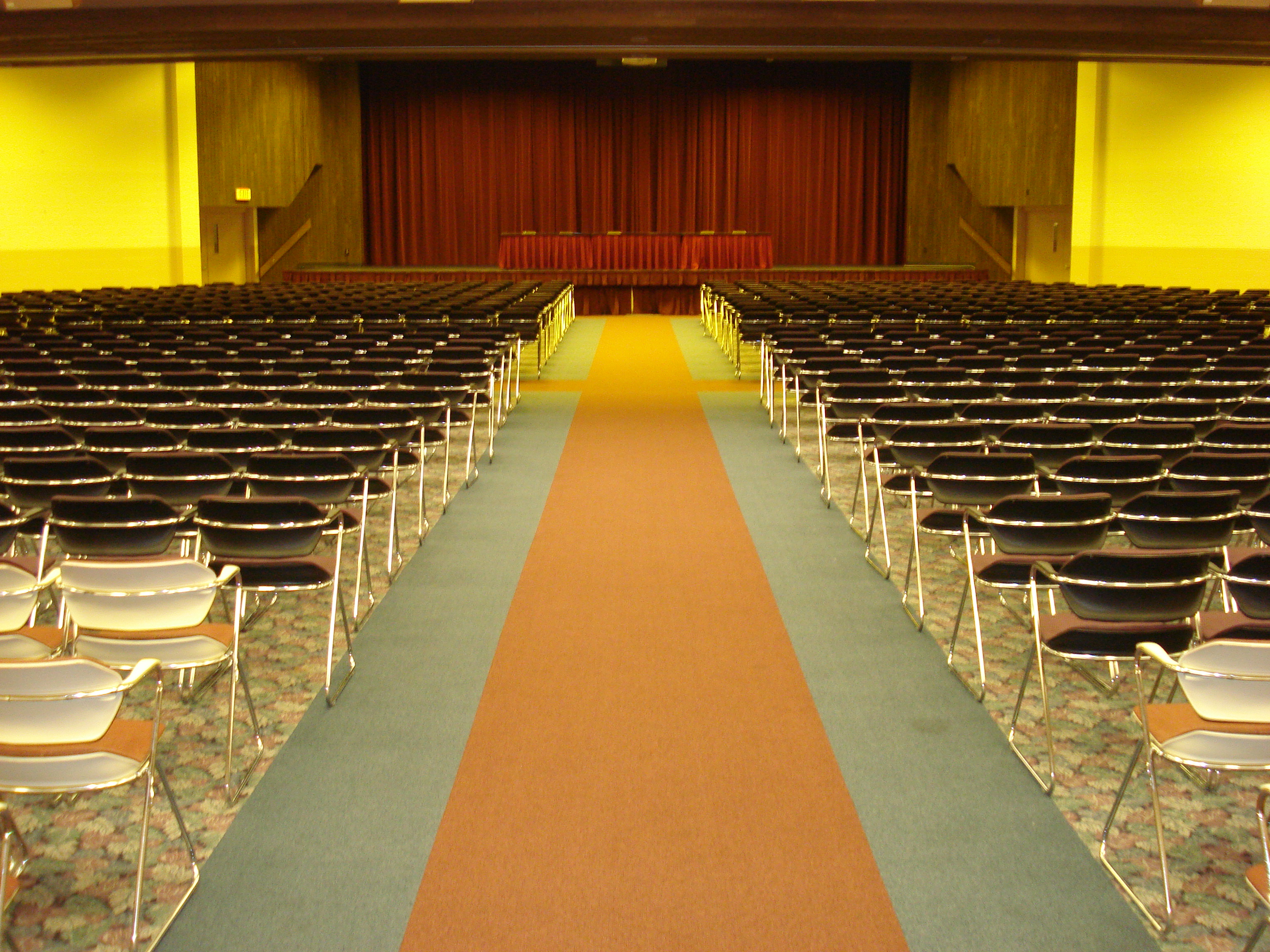
Currently, my venue is a multipurpose room – virtually a swear word when I talk to some tour managers on the phone because they never know what they are going to get when that term is spoken. The multipurpose room could be an empty box with cement flooring and a portable stage made out of 2x4s and plywood, or it could be a ballroom with carpeted floor, acoustic treatments, and functional furniture adapted to any need. In other words, multipurpose rooms could be defined as compromises made to cover all the priorities determined at the time, and hopefully good enough for anything else. It’s kind of like saying McDonald’s is better than Burger King: It may be true, but it all depends on what each location is like the service you get, and your preference on which has the best French fry. My point is, the multipurpose room is a dynamic of unknowns and will never be perfect for everyone, but will be enough to get by for many.
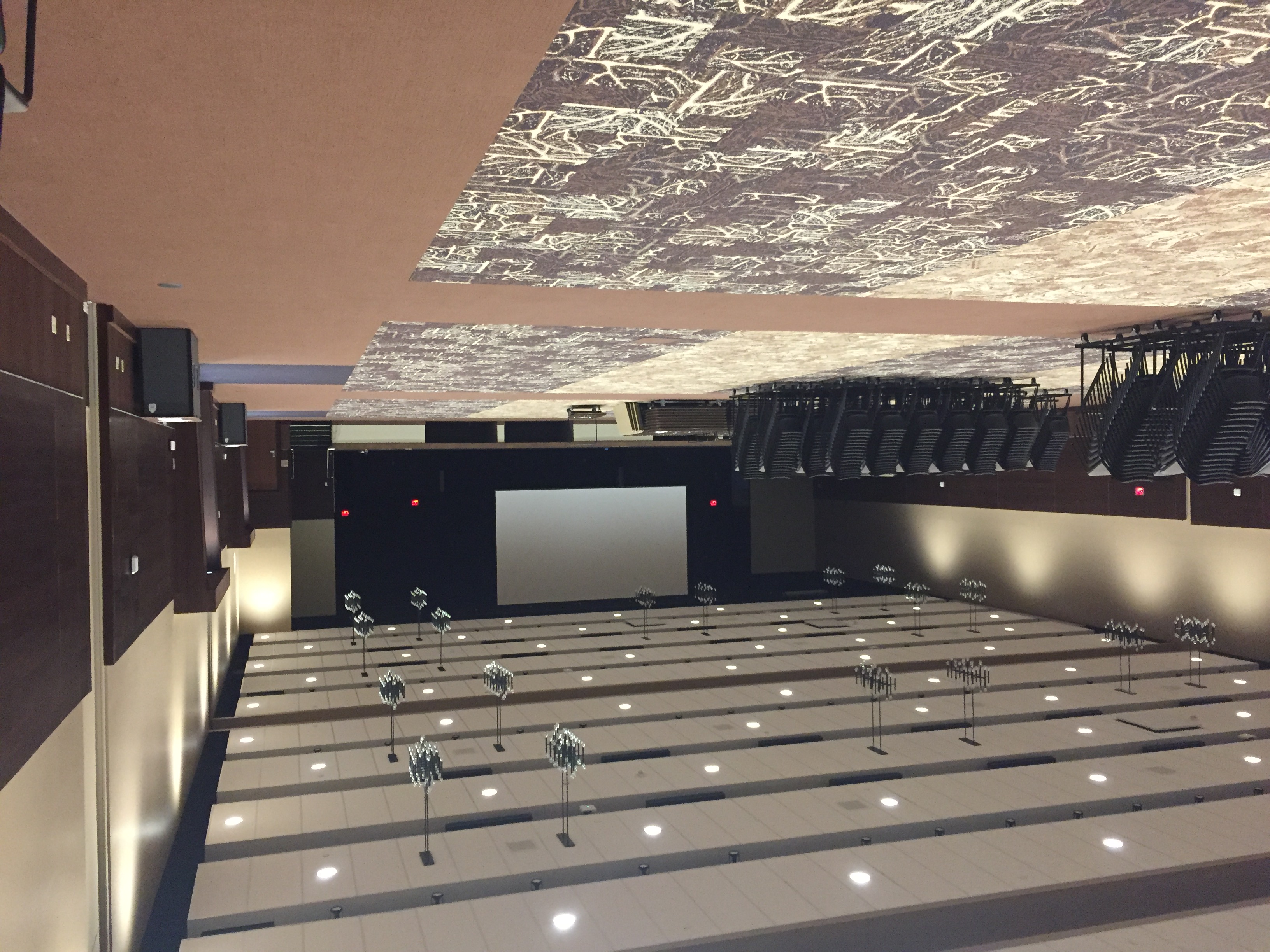
As, with any space with architecture, you get what you get. You’re in the hands of the design and the mechanics of cement, wood, drywall, and rebar. Sometimes spaces are wonderfully designed with our industry in mind, and sometimes they’re ice hockey rinks first and shows are a way to produce more income in the off-season. Thankfully, our industry has come up with amazing tools to assist us in our goals when we end up in a space that isn’t meant for the activity occurring. Tools like pipe and drape assist with creating softer surfaces and hide an outdated look. Line arrays allow us to send the sound in the exact direction we want, and tools like Smaart assist with tuning. Heck, if the budget is there, talented people like us can make any square box into a mystical gem for a night!

Besides the tools we have, there is also a responsibility to know the room and provide hospitality to groups coming through. As a venue manager, it is part of my job to know the room well; what works well, what doesn’t, and to take steps to create the best situation for all. People swinging through for a one-night show rely on venue staff to provide insights on the space, but the venue staff must also maintain a balance of letting the group renting the space get their tasks completed without excessive interruption. A venue manager can help a touring group by having information about the space ready to share in advance of the show; things like directions to the venue, parking options, stage measurements, curtain setups, and recent pictures to name a few. I use a snapshot document to share information quickly. Many questions can be answered this way and allow groups to ask follow-up questions that may pertain to them. Bluffs snapshot

In addition to knowing the room, it will also be important for the venue manager to share the strengths and weaknesses of the space. If structural support for rigging is limited, share that information before the booking is finalized, and have supporting documentation available as well. If the venue can only hold 100 people safely, make sure this information is clear and stick with the capacity rating. If the space is extremely reverberant, share that so a tour can decide if it might be best to use IEMs instead of wedges. Sometimes information can be the key to a successful event. As a venue manager, I share what I can so the group can make educated decisions for themselves. Many times, groups will want to come back to a room that might not be perfect but they enjoy, because of great hospitality and knowing what to expect.
Preconceptions in Human Hearing

As sound designers, we often have to fight against what something actually sounds like, and what audiences expect things to sound like. For example, an authentic phone ring might not necessarily fit the tone of the piece, and actually, a phone from a different era would suffice in creating urgency and tonality.

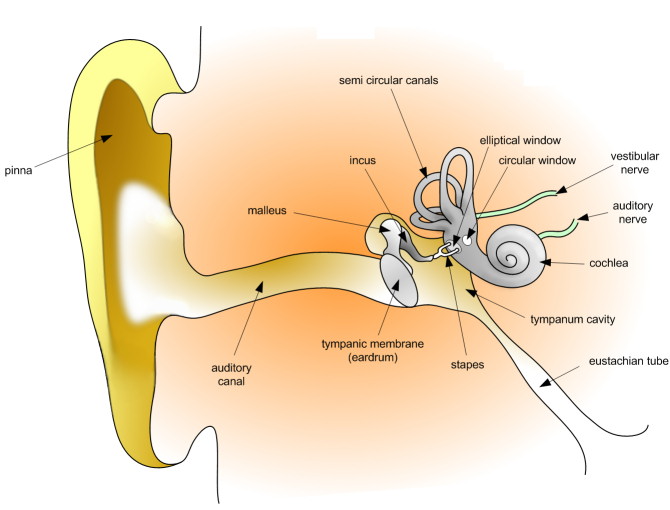
As a starter for ten, human hearing is fairly straightforward. Sound waves are transmitted through the cochlea which then eventually reach the Primary Auditory Cortex and the syntax processing areas of the brain. We can say that these processing areas of the brain share the sound waves and do their best to find some rhythm and harmony in what we are hearing. This is because of the linguistic processing tendencies we have, and our innate need for understanding and communication.

Our perception of sounds stems from our memories, and the human memory is typically untrustworthy. How many times have you shared a story and had someone remember a completely different version? We could argue that it’s the same premise for sound.

While it’s true that our echoic (hearing/auditory related) memory lasts longer and has a quicker processing time than our iconic memory (visual related), and could therefore be described as more reliable; our echoic memory can only hear things once, and things once heard cannot be unheard.

This is also where our short and long-term memories come into play. If you were sitting in a packed auditorium at front of house and heard an announcement (the quarter call, for instance), nine times out of ten we would hear the call, process it, and then completely forget about it. Should somebody then ask you, five minutes later, what that call was, you may just be at a loss as to what it was, but could probably remember the tone, the clarity, and more about the speaker’s voice than the actual message. There are a number of factors to blame here.

Upon recognising that there was no immediate danger, you would blend out the rest of the call, and continue your own conversation. This is our basic selective hearing, but what of the rest of the call? We attenuate the rest of the information and store it in case it becomes useful, but it’s not always remembered accurately. This is further because our memories store a lot of information, whether it be in the long-term or short-term, and intrinsically we link memories to other memories to aid said storage. Of course when talking about sound, and sound effects, it entirely depends on the context of how/when/where a listener has heard them before – no two natural sound effects will ever be the same, and nor will their memory recalls within individual human beings.

But what does all of this mean for sound design? And particularly sound design for theatre? If we are playing on audience perceptions of what sounds, atmospheres, or even conversations between actors should sound like, then it depends on the effect being sought. If we’re talking a straight play, then a doorbell from 1911 should probably be true to the text – this means a bell on a pull.

On the other hand, I have absolutely used a recorded shop doorbell because it fitted the tone of the piece better. The bell was, due to pitch, smaller than any of the real house bells we tried, which meant it was a slightly lighter sound, and therefore more whimsical. Of course, this steers us into the territory of scenes in a play, and their overall tones (not to be confused with musical tones). A big old rusty house doorbell would often seem too clanky and boisterous for the entrance of the next-door neighbour (unless, of course, this is the exact effect that you’re heading for).

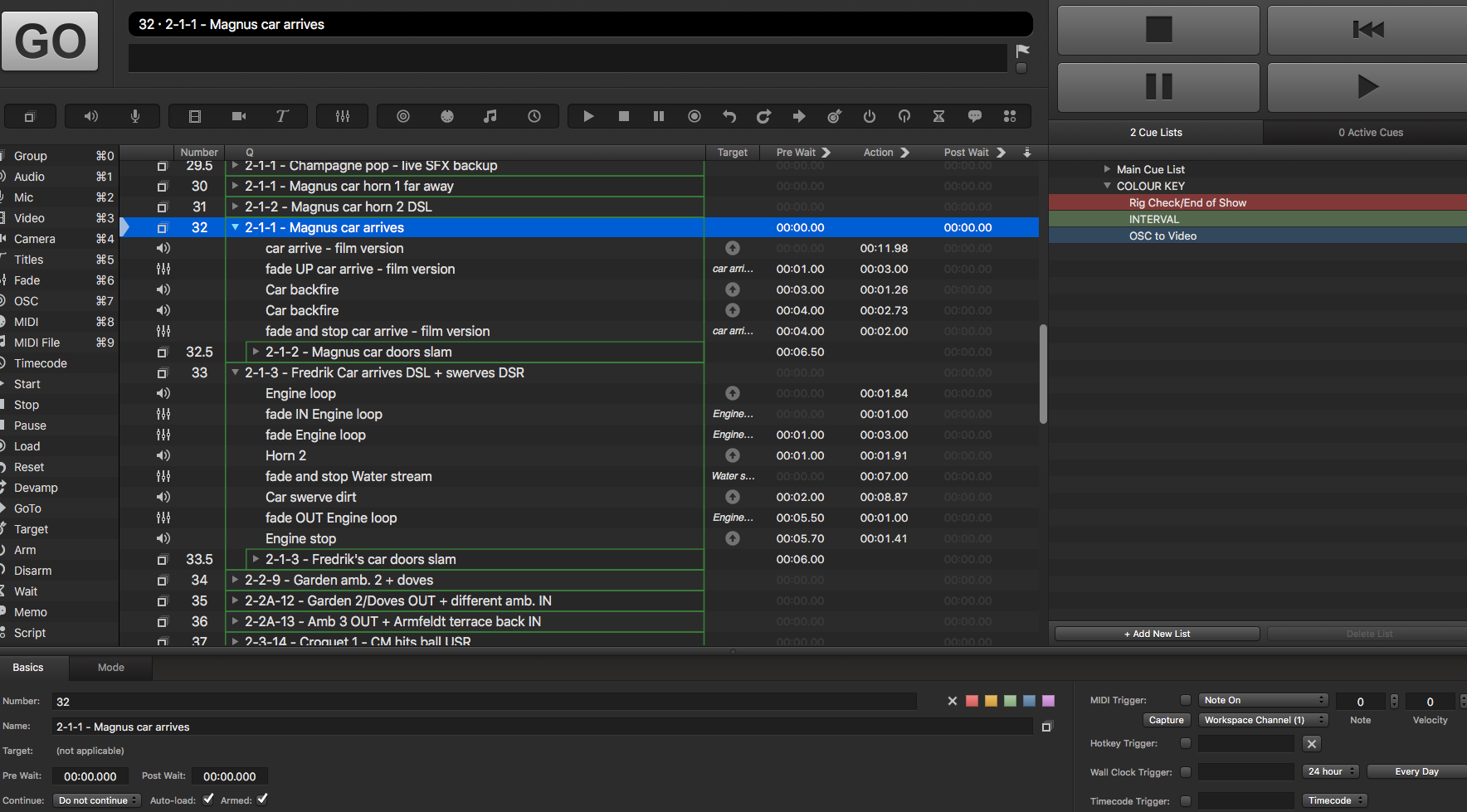
Sound designers will often never use just one sound effect to attain the overall effect that they are seeking; this may be as part of a sequence or even underscore/atmosphere. As we can see below from my recent show A Little Night Music, I used multiple tracks to create two car arrivals:

It’s often the textures of the sounds that I aim to create when sound designing, and often they do end up being true to what authentic/real-life things sound like, but more often they do not. This can often be for the reasons stated above. It can also end up being that, again, they do not fit the set, tone, or overall direction of the piece.

This is where the overall direction, sound design, and artistic licensing come into play. We can, with our best intentions, want something to sound authentic, however realistically, as designers and artists, we will borrow from different genres and times to make happen what we want to happen. This again, however, can come back to our own personal memories and experiences of sound and effects, and the ideas that they give us in terms of what we want to create.

Ideas fuel other ideas, as do our memories and creative minds, so the more that we feed into said ideas and the ethos of our creations, the more we contribute to the expectations of what things should, or could, sound like.

Everything You Need To Know About the Vinyl Cutting Process

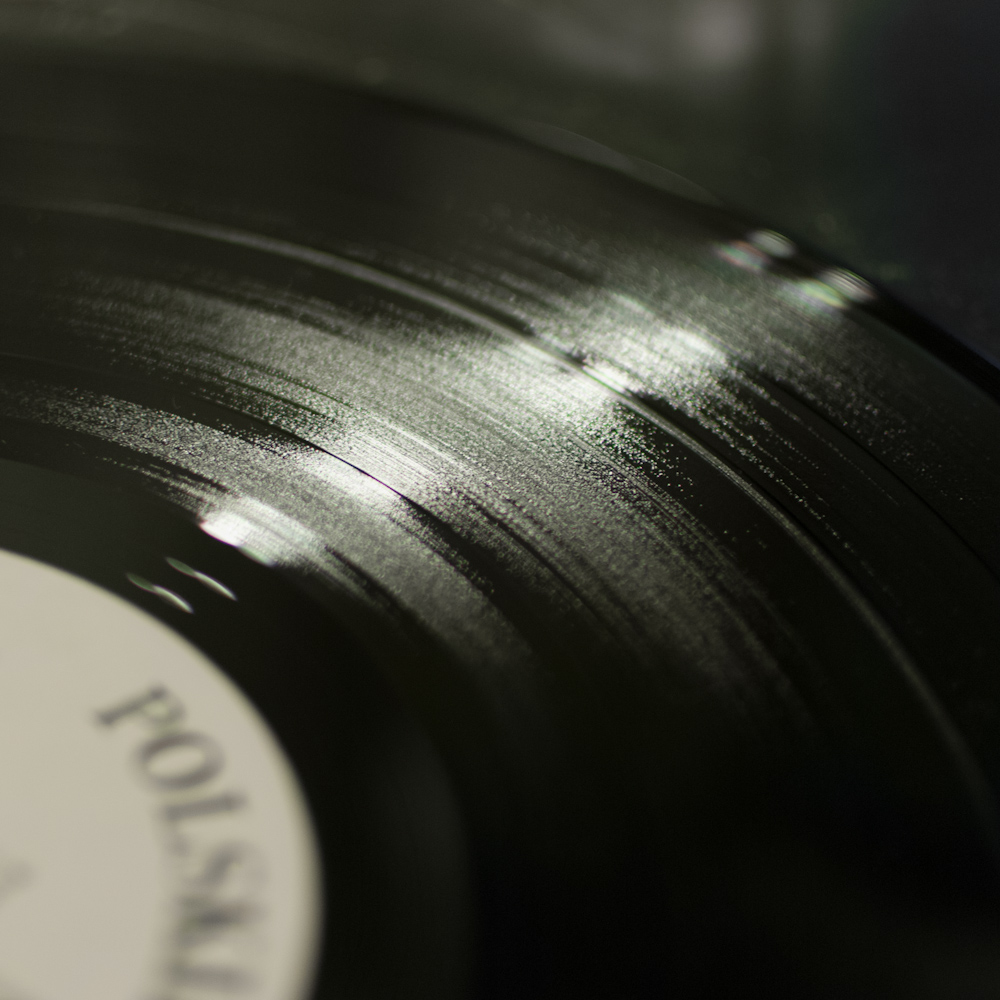
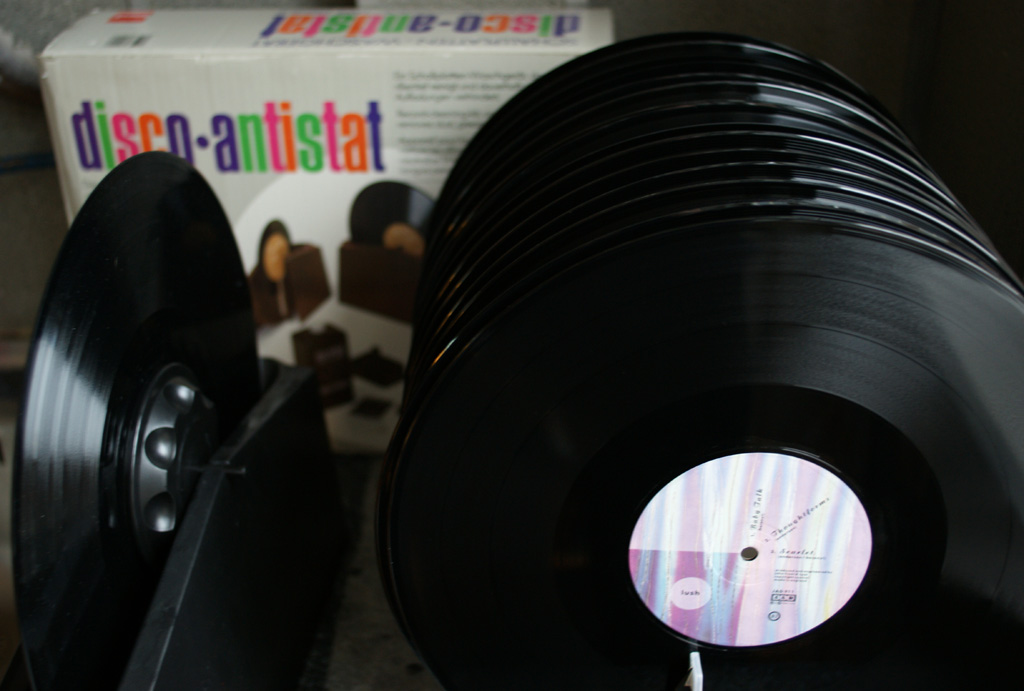
In these days of digitized media, many music lovers have pivoted back to vinyl records. Whether it’s because one prefers the “warmness” of their sound as opposed to digital, or if it’s simply the desire to have something tangible, vinyl is making a comeback. But how are they created? The process is an elaborate one and requires great expertise and care, along with specialized machinery.

Lacquering

To start, a master record has to be created. These consist of polished aluminum discs which are coated in an acetate lacquer. Once the lacquer dries, each disc gets inspected for imperfections, with the rejects getting recycled. Those that pass scrutiny are given a plastic edging and a hole in center along with a plastic spacer to keep each lacquered disc separate once stacked. When enough perfectly blank master discs have been created, they are sent to a studio.

Cutting

At the studio, a specialized engineer will use a machine called a lathe that will etch the recorded sound into the lacquered disc. However, some companies prefer having the sound etched into a copper plate rather than acetate lacquer. This is called Direct Metal Mastering (DMM). Once the engineer has made the necessary adjustments on the lathe, they cut the recording into the master disc. This is done for each side of the record.

Plating

These master discs are then taken to a facility where they are prepared for plating. The discs are sprayed with tin chloride followed by a coating of liquid silver to make the surface conduct electricity. A copper DMM disc doesn’t require a silver coating because its surface is already conductive. Once silver is applied, the rotating discs are immersed into an electrified water bath with dissolved nickel. The nickel fills in the grooves of the silver side of the master disc, creating a perfect metallic negative, or a stamper disc, which is used to press the vinyl. These are separated from the lacquered master discs.

Pressing

Stampers produce about 1500 copies before wearing out. For producing more copies, the first nickel layer on the master is covered with plastic, re-sprayed with silver, and lowered again into the nickel bath creating a second stamper. While this method allows for more copies to be made, records made with the second stamper have poorer sound quality. Using a special viewfinder, the center of the stamper is found and a hole punched through it. Its edges must also be trimmed using a cutting wheel before it can be used to press vinyl.

Once prepared, each stamper is set into a press that applies 100 tons of pressure at super-heated temperatures onto vinyl patties called biscuits. The biscuit is pressed thin and evenly with the stamper pressing grooves into the heated vinyl, thus creating a record. A poly-carbonate is added which allows it to press easier and gives the records their black color. Finally, the pressed records are cooled and sent to a trimming table to smooth its edges before being packaged and sent to music fans worldwide.

SONY DSC

Jessica Kane is a music connoisseur and an avid record collector. She currently writes for SoundStage Direct, her go-to place for all turntables and vinyl equipment, including Rock Vinyls.

U.K. Pin the Radio Mic on the Actor Workshop

Soundgirls.org European Chapter Event – Pin the Radio Mic on the Actor with Zoe Milton

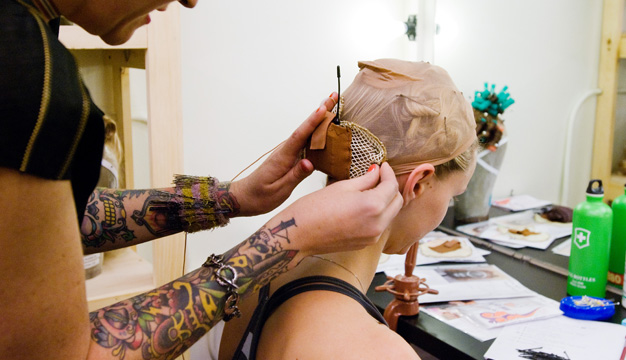
Soundgirls.org is pleased to host Zoe Milton, who will present a practical demonstration of wireless mic dressing – how to hide them, dress them and colour them. The seminar will be useful for anyone who has had to fit or may need to fit radio mics on actors, musicians or performers, whether for live music, theatre, film or broadcasting.

Following the event will be informal drinks and discussion at a local pub.

This event is free for members of Soundgirls.org and is limited to 20 spaces.

Please Register Here


About Zoe Milton:  Zoe is a freelance sound engineer with extensive experience in hiding radio mics for broadcast. As well as working on a broad range of projects, including broadcast theatrical events, Zoe is also the administrator for the Association of Sound Designers.

Connections

During the time I spent teaching, one of the biggest areas I missed about the sound industry was the opportunity to network. It seemed to me that the drawing together of like-minded souls was one of life’s joys and I was missing out whilst in the classroom. Any chance for a course or extra CPD and I was there like a shot! It has to be said, we as sound engineers are particularly good at creating opportunities to get together and share experiences. And of course, this is the best way to pick up new ideas and expand our horizons.

Last week our Opera House received a touring production of West Side Story. The sound department had a UK touring background and our team took great pleasure in exchanging stories and experiences. For some of us this reflection reminded us where we had come from and how lucky we are to be involved in such a diverse career.

With this in mind, the Soundgirls Chapter of Muscat has started preparing for a workshop to promote the mission statement and to introduce the audio profession to a new, keen, and eager audience. It will be run at a local music school- The Classical Music and Arts Institute in area of Muscat called Qurum. General Manager, Thanae Pachiyanakis, a seasoned singer and teacher herself is keen to encourage young girls (particularly musicians) to take an interest in sound for performance.

Thanae and I first met last year during one of the Opera House’s ‘Open days’. These days are incredibly popular and involve local bands, handicraft and art exhibitions, and local school children. It all takes place in the spectacular front-of-house area. Several porches lend themselves to small staged areas for performers and tables are set up for artwork. We set up PA systems for the bands, projectors, and playback in each area as required.

It wasn’t until another chance meeting at an ‘Internations’ event that Thanae and I got chatting. We realised that although from totally different backgrounds and different experiences of the industry we were passionate about very similar causes. Hence the start of the Soundgirls chapter in Oman!

Despite a relatively small arena for audio networking Thanae and I have proved that no matter how remote you are feeling, there is always someone who will share your enthusiasm and passion. The support and encouragement we are able to offer each other is immeasurable. So next time you feel alone, know you are not. If you look hard enough there is always someone to lean on.


From My Ears to Yours

If someone asked you what the job of the monitor engineer is, I’m fairly certain you’d say, “to build the mix for the stage monitors”. Recently, there was an interesting exchange between some audio folks and myself where I realized that, somehow, that very basic concept and the true meaning of mixing monitors has sort of gotten lost. There is a bit of glory associated with running the desk, and kind of an egotistical boost with being in charge.

I had someone say to me, “there is no art in mixing monitors”. I want to firmly remove that thought from anyone’s mind. Whatever your skill level, your ultimate goal should be to help the performer give the best performance they possibly can. On monitors, you have an audience of one – just the one person on the other end. What I think, enjoy, or like literally does not matter at all. A mix is subjective, but on monitors, it can be a whole lot easier to define: The mix is whatever the performer wants and likes.

The creative part of doing monitors is figuring out what the performer wants, and whether they can express that want clearly. There are three things you can use to evaluate their hearing situation: Body language, understanding of music, and listening.

Watching body language is key. I find musicians typically give the same basic cues to ask for a few typical changes, and then give a whole host of other cues that are so unique that I often feel I’m playing a guessing game. Just the other day, I was mixing for a pop band and the trombone and sax players kept not being able to hear their wedge. I kept pushing and pushing the volume. Finally, they agreed it was good. During the second set, I kept seeing the sax player do…something. Something seemed to be causing him to act ‘off’. During the break, I asked him if everything was ok. He lamented that it was ok, but the sax he was playing didn’t have the right mouthpiece for this music, and if only it had “more mids, like 800”. I had said almost nothing, just asked if he was okay. He talked through it himself, and literally gave me the answer to his problem. I boosted 800Hz and he was thrilled with the rest of the gig. Mixing monitors is about listening to your performer. I like to give the ‘you good?’ look. Trust me, no musician wants to suffer a bad monitor mix, but a whole heck-of-a-lot of them would rather do that than deal with Mr. Pissed-Off Monitor Guy.

Understand music. I highly recommend knowing the basics of the Nashville Number System, and maybe knowing a little bit about as many instruments as you can. Any amount of music theory can give you more ‘ah-ha!’ moments than you’d realize. If you can’t take classes, or don’t have time for books, you have access to the second-best thing: the performers themselves. Learn the language of the performer. As an audio engineer, you’re in ‘technobabble’ and they are in ‘performer lingo’. Learn to follow that lingo. I once had a band where, every time they played a certain song, the keyboard player’s keyboard would cause chaos. After talking it over with someone else in the band, I hummed the few notes which had caused the issue. The musicians’ eyes brighten up – the keyboard player and the bass player were hitting exactly the same notes. Whenever that happened, the room was very unhappy. The keyboard player and bass player couldn’t hear each other well and had never realized that was what was happening. They corrected it and afterward not only did I not have issues with the sound, but the song itself was also more musically sound. Learn their lingo because some performers don’t know how to tell you that the vocal reverb in their in-ears is too long.

My last key point is to listen to your space. Realize that you live your life analyzing audio and what it sounds like – a performer does not. Think of things that might be hard for them to express. Does your space sound different to their space? Maybe that performer isn’t actually being difficult, maybe it does sound like crap in their wedge? Think about where you are and how it sounds, and how that is different to what they are hearing. When possible, I’ve taken to walking up to the wedge during soundcheck and feeling their space. Is there any wonkiness? Are there any frequencies that are too present? When the crowd shows up, will this mix really cut through? How is the house going to affect their mix? Learn to listen, because once you can put yourself into their head, you can do something that I like to do: “Hey, that song later in the set is a rather fast tempo – do you think you’ll want that much reverb on your voice? It might drown you out.” Oh, maybe they didn’t think of that, so yes, please turn it down. Your job is to put your feet in their shoes (or, your ears on their head). If you were them, would their requests really be that strange?

There it is. Watch for body language, understand the music, and listen. Do all these things and you will be well on your way to a creative experience mixing monitors. If you’re like me, the creative joy of nailing one person’s mix is way more exciting than mixing FOH for a ten thousand person show.


Aubrey Caudill: Aubrey lives in the Dallas Fort Worth area and works as a freelance audio engineer. She currently works for several area wedding bands and runs monitors at The Potter’s House North Dallas. She is also a mother of two sons under ten.

Los Angeles – Intern at Ladies Rock Camp – April 22

SoundGirls members can intern with Kevin from High Desert Music for Ladies Rock Camp – Los Angeles. Load In starts at 9 am and you will intern until the truck is loaded. Lunch and Dinner will be provided and you bring a refillable container for water.Do no Register unless you can work the entire day.

SoundGirls is also seeking an experienced Live Sound Tech to assist our SoundGirls Interns. If you are interested in being a Crew Chief for SoundGirls interns email us at soundgirls@soundgirls.org

Ladies Rock Camp is a mini version of summer camp, welcoming participants ages 18 and up and who identify as female. In just three days you will: take lessons on the instrument of your choice (either learning for the first time or brushing up on your skills), form a band, write a song and perform live at a local club.

It’s a weekend of bonding, getting out of your comfort zone, expanding your horizons and HAVING A TON OF FUN in a safe and supportive environment. Our instructors are amazing people with a wealth of experience in performing, songwriting, recording, touring, and more. We can work with individuals at any level of musical experience, including total beginners.

Oman – Sound Engineer Workshops

Classical Music and Arts Institute Muscat and SoundGirls.Org Presents

Learn About Sound Engineering Workshop

SoundGirls Representative and Senior Sound Technician for The Royal Opera House Muscat and Thanae Pachiyanakis General Manager for Classic Music and Arts Institute will lead a free workshop for young women and girls who are interested in learning more about sound engineering. Ideal for those who have a love for music and a head for problem solving.

Workshop will feature hands on activities and career ideas.

Workshop Details

Weapons Up: Explorations into Radio Drama

Over the past six years, my main areas of work have been as a sound designer, voice actor, and producer for commercial, gaming and animation voice demos,

These disciplines often overlap and complement each other. I’ve provided voice-overs for plays that I’ve sound-designed, for example, and actors for whom I’ve produced voice demos have recommended me as a sound designer to directors. But sometimes an opportunity arises that is such a great combination of your skills and interests, you wonder why you didn’t think of exploring it earlier. My introduction to sound design for radio drama was this kind of opportunity.

Back in October last year, I received an email from a voice actor friend, who approached myself and two other actor friends with the idea of creating a showcase for our voice acting skills, in the form of an audio, or radio, drama. We would write a short script for four female actors, record and produce it and then send it out to radio drama directors and producers who we thought might be interested in hiring us.

The UK has a long history of radio drama, mainly thanks to the British Broadcasting Corporation (BBC), which broadcasts hundreds of radio dramas every year. The creative possibilities of radio dramas appeal to me both as a sound designer and an actor. For me, it’s about learning how to tell stories without relying on what you can see.

Initially, I planned on acting in one or more roles in our fledging radio drama and doing all the sound design and mixing. Then in a flash of inspiration one afternoon I drafted an initial synopsis for a dramatic science-fiction thriller, and after a few drafts, it became apparent that while everybody loved the story, nobody else in the team was keen to take on the task of actually writing a script based on it. And so I found myself writing, sound designing, mixing and acting in a sci-fi radio drama called The Converged.

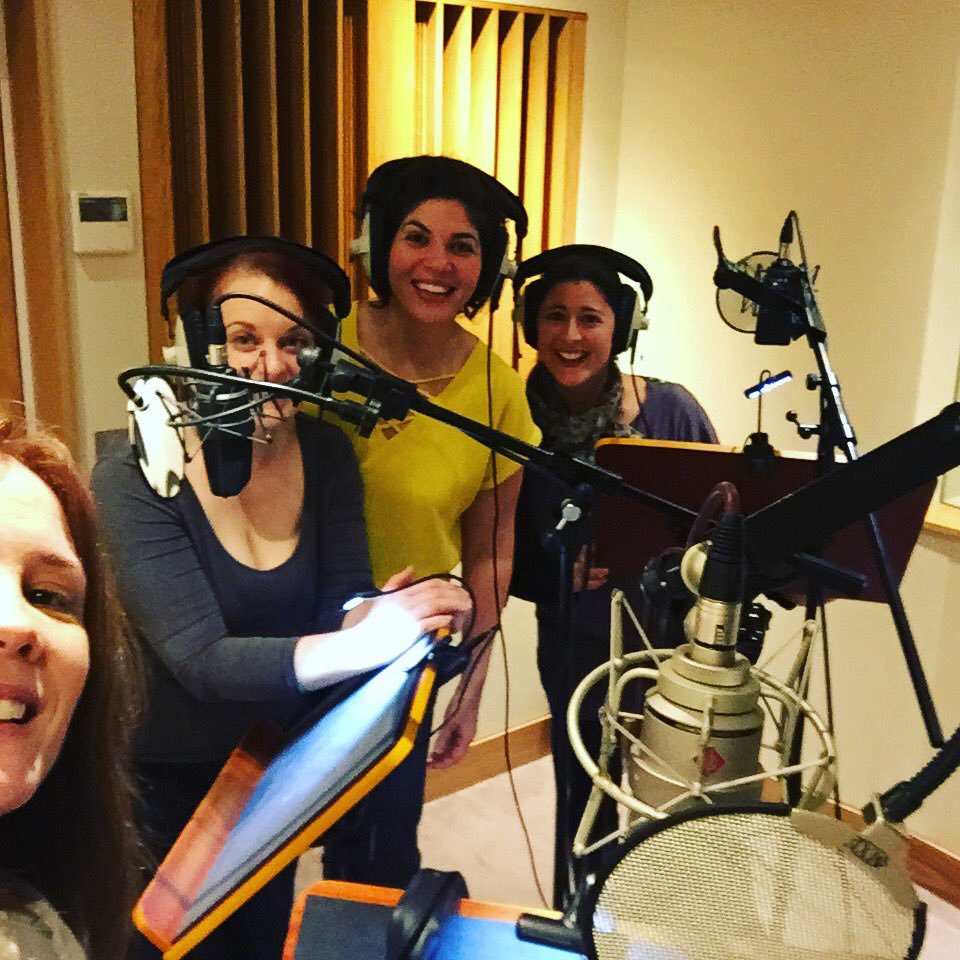
Once the script was ready, we booked a studio that could accommodate four actors in the same studio, found an experienced director and recorded three takes of the script in an hour-long session.

My first task after I got the recordings back to my studio was more editorial role than sound design or mixing. I had to decide what take to use for each line. As our script was short and we weren’t under any pressure from a commercial publishing company, we had the luxury of having two hours of rehearsal time with our director beforehand, and being able to record three full takes plus pickups and efforts (grunts, groans, and other vocalisations). Rehearsals and multiple takes are pretty much unheard of in the commercial work of radio drama – most directors aim to record between 60 – 90 minutes of material per day, which doesn’t leave any time for rehearsals and limited time for multiple takes.

So it was a bonus to have three full takes of the script. The director had given me a few notes on his preferences, plus I had made notes during the recording session – one of the benefits of acting in the play as well. But I would still need to make the final choices of which take to use for each line.

Each character was recorded on a separate track during the recording session. The engineer had also kindly labeled the different takes, so I had three audio files per character, one for each take, which I could lay them out in Protools on separate tracks. I immediately discarded the first take, as a quick way to reduce my options. That left takes two and three, which I could A/B to find the take for each line that I thought worked the best. I did this for each character – fortunately, there are only five in total!

The next step was editing, made much easier by the fact that I didn’t have to do much cleanup, thanks to high-quality recordings, and processing on each vocal channel.

Then I left the voiceovers alone for a little while to concentrate on the next important piece in the process: planning the sound design.

My two main reasons for writing a sci-fi script were a mix of creative and purely practical.  There is a lot of scope for creative sound work within the sci-fi genre, and I already have an extensive library of sci-fi sound effects. Normally, I like to create as many sounds from scratch as possible, but I knew I would only have a short window to design and mix the first episode, hence wanting to stay within the boundaries of what I could already accommodate.

I also knew that if we wanted to produce more episodes of the drama (and we do – there’s a cliffhanger at the end of Episode 1 for this very reason), I would need to have a plan of the overall tone and style for the design.  Throwing in random sounds that sound impressive won’t work for an episodic drama where the sonic world needed to be consistent enough to be recognisable from episode to episode, and adaptable enough to sonically create a variety of environments.

I divided my overall sound design plan for The Converged into categories: atmospheres and drones, interface beeps and noises, weapons, explosions, foley (mainly footsteps, doors and operating various tools), mechanical sounds, vocal processing and miscellaneous.

Following a timeline of the script, I mapped out the important points for each category. These included: where we needed to hear a change of the base environment (for an atmosphere or drone), or a character used equipment or a weapon, where the Foley happened and when the vocal processing would change depending on the character.  For example, when characters needed to sound like they were in space suits.

The major choices I made about vocal processing were the sounds of the astronaut suits and the AI character. A plugin called Cosmonaut came to my rescue on the first, and I auditioned various modulation plugins until I found one that gave the detached, slightly jarring chorused quality that I wanted for the second.

Once I had my sound map, I started making decisions about the sounds themselves. How futuristic did I want the spaceship (the location for the episode) to sound? Ultra high-tech or a bit more organic? In the end, I went for a combination of processed organic electronic sounds (bell-like chimes for interface noises), and recognisable mechanical Foley sounds e.g. the sound of metal doors opening and closing on military ships and rifle handling sounds.

After I had all my sounds in place, it was time for track-laying and mixing.  Panning is particularly vital in a creative sense for audio drama. Without a picture to follow, it’s up to the sound designer to locate the action for the listener for each scene and make sure it makes sense with the script and the story. When you don’t have a picture as a reference point, it’s easy to forget that a character is a collection of sounds – footsteps, equipment beeps, clothing movement, gun movement – and not just a voice.

The teaser for Episode 1 was released last week with the full episode due to be released within the next month.

I’ve learned a lot from my first foray into radio drama, and I already know there will be some changes to the sound of Episode 1 of The Converged, and probably to the sound of the following episodes as well.

It would be interesting to incorporate binaural sound, especially in sci-fi drama. I’d also like to experiment with the ideas explored in the film Gravity, of only hearing sound in space when conducted through touch. Possibly a step too far for a radio drama? After this introduction to its creative possibilities, I’m keen to continue my explorations.


X